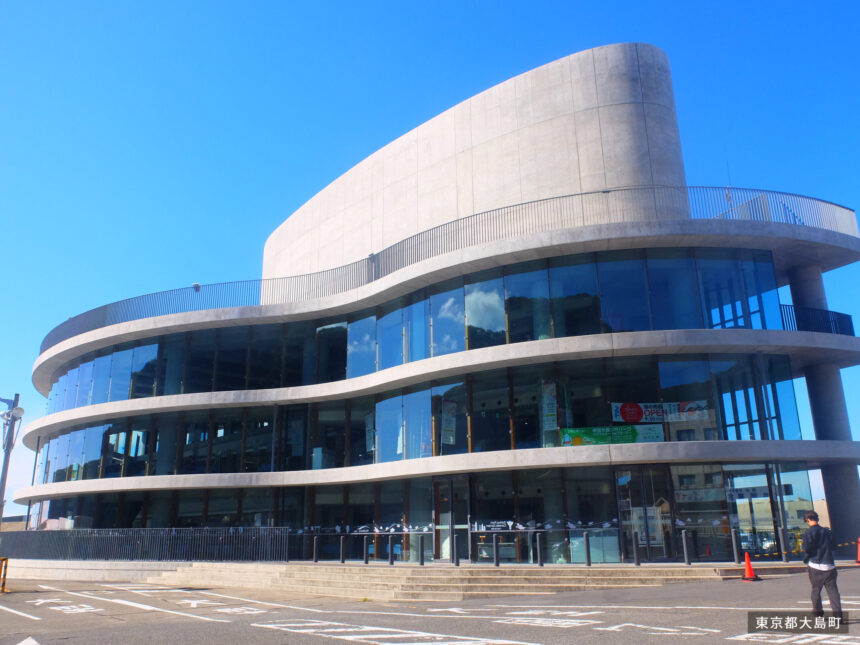
Oshima Ferry Pet Rebooked Departure Bus After-Exit Lodging Morning Route Confirmed Cue Movement Guide
Short answer: After the driver, vehicle, taxi, bus stop, direction, port, or staff cue is confirmed on Izu Oshima, move in one compact step. Keep the pet carrier closed, count luggage before and after moving, keep phone and documents reachable, recheck weather if the next segment is exposed, and keep a return option clear until you are safely at the next confirmed point.
Last checked: August 25, 2026. Ferry operation status, port choice, bus operation, taxi availability, lodging pickup, checkout timing, waiting-place permission, pet rules, staff messages, weather, warnings, road conditions, driver cues, bus-stop cues, pickup points, confirmed movement instructions, and local conditions can change. Always follow current Tokai Kisen, JMA, Oshima Tourism Association, Izu Oshima Navi, terminal, lodging, driver, and local staff guidance.
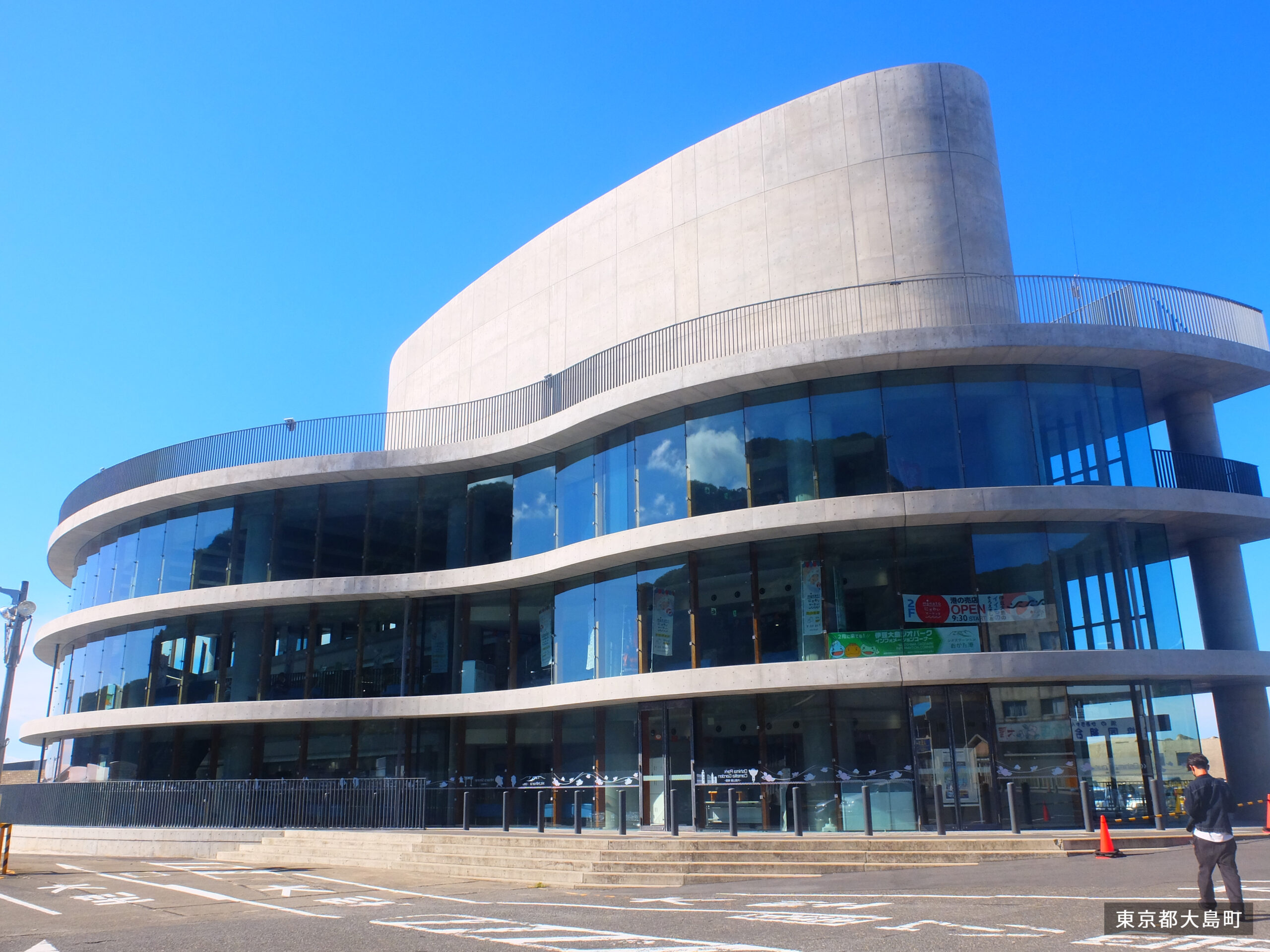
Move Only To The Next Confirmed Point
Once the cue matches, resist the urge to solve the whole route at once. Move only to the next confirmed point: the vehicle door, luggage-loading spot, bus line, terminal entrance, sheltered sidewalk, or first landmark named by staff.
This keeps the trip reversible. If a new port update, weather issue, luggage problem, or pet-carrier problem appears, you can still stop without being halfway across a road or scattered around a bus stop.
Reconfirm Port Before Motion
Tokai Kisen’s operation-status page is the official reference for current Oshima ferry operation and port information. It tells users to refresh before checking listed information, and it notes that Oshima has both Okada Port and Motomachi Port.
Before the group starts moving, say the port name out loud or show it on the phone: Okada Port or Motomachi Port. If the driver, bus direction, map, or staff message uses a different port, pause before movement.
Keep The Carrier Closed And Level
Tokai Kisen’s FAQ says pets can be brought aboard if placed in an acceptable cage or carry-on with body parts not visible, and the pet page says open tote-like bags cannot be accepted. Keep the carrier closed while moving from the confirmed cue.
Hold the carrier level, keep ventilation clear, and avoid hanging swinging bags from the carrier handle. If the movement requires a curb, ramp, step, bus door, or taxi door, make the carrier the stable item and adjust luggage around it.
Count Bags Before And After
Count bags before leaving the stop and again after reaching the next confirmed point. Use simple categories: carrier, suitcase, day bag, document pouch, food or water bag, and phone or charger.
If one traveler moves first, the other should keep eyes on the remaining bags. Do not leave documents, payment, medicine, pet supplies, or the phone in a bag that is loaded before the destination is fully clear.
Keep Boarding Time In View
Tokai Kisen’s boarding-flow page says boarding procedures should be completed early and that some reservations may be forfeited if procedures are not completed 15 minutes before departure. The FAQ advises arriving about one hour before large passenger ship departure and 30 minutes before high-speed jet ferry departure.
After a confirmed cue, check whether the move still leaves enough time for port arrival, ticket handling, pet-ticket purchase, luggage positioning, restroom needs, and boarding announcements.
Check Weather For The Moving Segment
JMA provides warning and advisory information, and its forecast-services explanation covers weather, winds, coastal ocean waves, temperatures, and precipitation probability. If the next movement is outdoors, check weather against the actual segment you are about to make.
Rain, wind, heat, or poor visibility may change how you hold the carrier, protect the phone, arrange bags, or choose between walking, waiting, taxi, bus, or returning to staff.
Respect Local Transport Limits
Oshima Tourism Association notes that cruising taxis are not available and night taxi operation is very limited, while Izu Oshima Navi lists local route buses, sightseeing buses, taxis, rental cars, rental motorcycles, and rental bicycles. A confirmed cue is useful, but it should still be treated as current and specific.
Do not assume another taxi, bus, or pickup will appear if this movement is mishandled. Confirm, move compactly, and keep staff or provider contact available until the next point is secure.
Stop If The Cue Changes While Moving
If a staff member calls out, the driver changes instruction, the bus sign differs, the port alert updates, weather worsens, or luggage becomes unstable, stop at the nearest safe place and reassess. Confirmation is not permanent during a disruption day.
The best movement is short, clean, and easy to undo. That is especially true when a pet carrier, luggage, tickets, and live ferry information all have to stay together.
Confirmed Cue Movement Checklist
- Move only to the next confirmed point, not the whole imagined route.
- Refresh or restate the current Tokai Kisen port before motion.
- Keep the pet carrier closed, level, ventilated, and away from swinging luggage.
- Count carrier, suitcase, day bag, document pouch, pet supplies, phone, and charger before and after moving.
- Keep ticket records, staff messages, payment, ID, receipt, and translation access reachable.
- Check whether the movement still leaves enough boarding time.
- Use JMA weather information if the next segment is outdoors or exposed.
- Stop safely and reassess if port, driver, bus, weather, luggage, or carrier conditions change.
Sources
- Tokai Kisen operation-status page
- Tokai Kisen boarding flow
- Tokai Kisen FAQ
- Tokai Kisen pet page and pet-ticket information
- JMA weather warning and advisory page
- JMA forecast-services explanation
- Oshima Tourism Association local transport page
- Oshima Tourism Association accommodation page
- Izu Oshima Navi transportation page
- Izu Oshima Photo Studio source image page
Editorial disclosure: This guide was prepared from official ferry, weather-agency, tourism-association, local-guide, and source-image pages checked on August 25, 2026. It is an independent planning guide and does not replace current Tokai Kisen operation status, JMA warnings or advisories, ticket handling, rebooking decisions, pet acceptance, baggage handling, arrival-port decisions, departure-port decisions, lodging policies, checkout timing, payment timing, key or card handling, room checks, waste handoff, carrier route, waiting-place permission, first outdoor stop safety, route-start instructions, driver identity checks, vehicle identity checks, bus-stop directions, cue mismatch decisions, confirmed movement instructions, final movement instructions, belongings responsibility, morning transport, pickup arrangements, staff contact methods, emergency contact methods, taxi availability, vehicle identity, road conditions, charging permission, translation support, outlet access, Wi-Fi access, staff replies, translation accuracy, or local staff instructions.