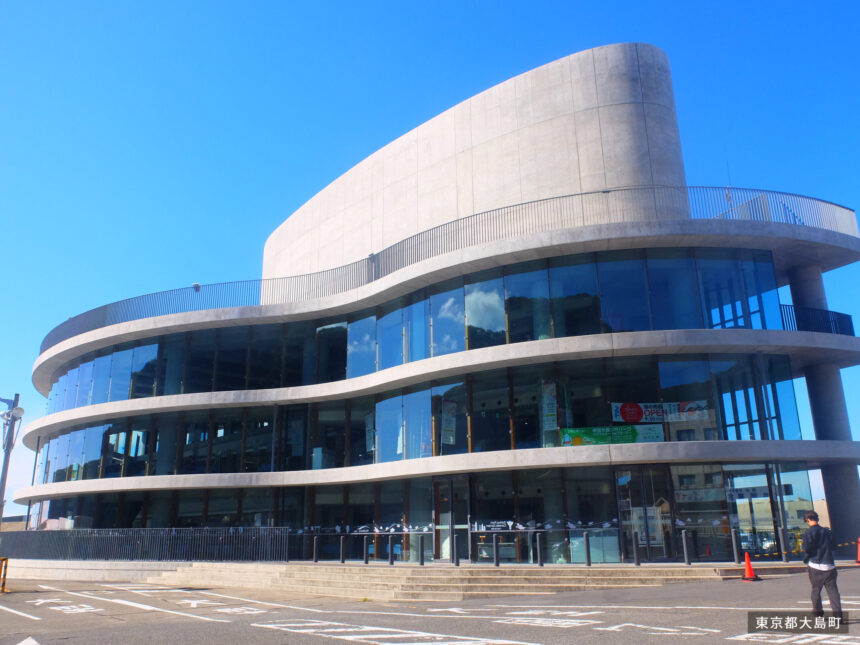
Oshima Ferry Pet Rebooked Departure Bus After-Exit Lodging Morning Route First Step Path Recheck Guide
Short answer: After the first step, pause at the nearest safe edge, recheck the endpoint, carrier, cue source, ferry or transport identity, weather, and lodging layer, then continue only if the path still matches.
Last checked: August 27, 2026. Ferry operation status, Oshima port choice, boarding announcements, pet-ticket handling, carrier rules, weather, warnings, bus routes, taxi availability, lodging pickup, checkout timing, waiting-place permission, local road conditions, and staff instructions can change. Always follow current Tokai Kisen, JMA, Oshima Tourism Association, Izu Oshima Navi, terminal, lodging, driver, and local staff guidance.
Recheck Before Momentum Takes Over
The first step after a move decision can create momentum. You have left the hold, your bags are moving, the carrier is in your hand, and it becomes tempting to keep going even if the path starts to feel uncertain.
Use a short recheck early. Pause at the nearest safe edge, not in the middle of a line or doorway, and confirm that the path still matches the cue you decided to follow.
Find A Safe Edge
A safe edge is visible, out of traffic, and close enough to the route that staff, a driver, or a lodging contact can still find you. It is not a vehicle approach, line center, gate mouth, wet ramp, or doorway.
If there is no good edge, slow down and ask while staying predictable. With a pet carrier, sudden sidesteps create more risk than a brief, clear confirmation.
Recheck The Endpoint
Name the endpoint again: gate, counter, bus stop, taxi, pickup point, lodging entrance, baggage spot, or covered waiting side. If your endpoint changed after the first step, stop and ask which endpoint is current.
A path can look right at the start and wrong after a few meters. The endpoint keeps the route honest.
Recheck The Carrier
Tokai Kisen’s pet guidance is the current company layer for pets and carriers. After the first step, confirm that the carrier is still closed, level, ventilated, and controlled.
If a strap slips, the carrier tilts, or the path narrows, solve that before continuing. A carrier problem is a route problem, not a separate inconvenience.
Recheck The Ferry Layer
Tokai Kisen’s operation-status page is the current ferry reference for Oshima and notes that Oshima uses Okada Port and Motomachi Port. If your path leads toward a ferry, recheck the sailing, port, ship type, gate direction, and staff cue.
If the ferry layer no longer matches, do not keep walking because others are walking. Return to a safe edge and ask.
Recheck The Boarding Layer
Tokai Kisen’s boarding-flow guidance connects boarding movement with announcements and ticket handover at the gate. If the first step takes you toward a line, recheck that the announcement or staff movement belongs to your sailing.
Keep the ticket ready, but do not put the carrier down where people need to pass. If you need both hands, ask where to stand before rearranging bags.
Recheck Weather And Ground
JMA warning, advisory, and forecast pages provide the official weather layer. Your recheck should include the ground under your feet: wet pavement, wind, heat, glare, puddles, and ramps all matter with a carrier.
If the path becomes exposed or slippery, ask whether a covered or safer route is acceptable. Do not turn a confirmed cue into an unsafe crossing.
Recheck Transport Identity
Oshima Tourism Association and Izu Oshima Navi provide local transport context for buses, taxis, rentals, and port-dependent movement. If the path leads toward transport, recheck route name, stop, direction, vehicle, driver, and endpoint.
If a vehicle arrives while you are moving, treat it as a new cue. Match it before changing direction.
Recheck Lodging Instructions
The Oshima Tourism Association accommodation page notes that lodging is spread across island areas and that port choice can depend on sea conditions. If lodging staff gave a pickup, baggage, key, or entrance instruction, keep that layer visible during the path recheck.
A lodging message can override where you should stand for pickup, but it does not automatically change ferry boarding or bus route rules. Keep the layers separate.
If The Path Still Matches
If the endpoint, carrier, cue source, and movement layer still match, continue calmly. Keep the carrier close, avoid line centers, and watch for the next staff or vehicle cue.
Do not speed up just because the recheck passed. The goal is a clean route, not a hurried route.
If The Path Fails The Recheck
If any layer fails, stop at the safe edge and ask one direct question. “Is this still my path?” “Should I return to the line?” “Is that vehicle mine?” “Should I wait here with the carrier?”
Then act on the answer. A failed recheck is useful because it catches the mistake early.
First Step Path Recheck Checklist
- Pause at the nearest safe edge after the first step.
- Do not stop in a line center, gate mouth, doorway, vehicle approach, ramp, or wet edge.
- Name the endpoint again before continuing.
- Check that the carrier is closed, level, ventilated, and controlled.
- Use Tokai Kisen status for current Oshima ferry and port checks.
- Use Tokai Kisen boarding flow for announcements, gate movement, and ticket handover.
- Keep Tokai Kisen pet guidance and staff instructions active.
- Use JMA warning and forecast context for exposed or slippery movement.
- Use local transport sources for bus, taxi, rental, stop, route, and vehicle identity.
- Keep lodging pickup, baggage, key, and entrance instructions separate from ferry cues.
- If the path still matches, continue calmly.
- If the path fails, ask one direct question before rerouting.
Sources
- Tokai Kisen operation-status page
- Tokai Kisen boarding flow
- Tokai Kisen pet page and pet-ticket information
- JMA weather warning and advisory page
- JMA forecast-services explanation
- Oshima Tourism Association local transport page
- Oshima Tourism Association accommodation page
- Izu Oshima Navi transportation page
- Izu Oshima Photo Studio source image page
Editorial disclosure: This guide was prepared from official ferry, weather-agency, tourism-association, local-guide, and source-image pages checked on August 27, 2026. It is an independent planning guide and does not replace current Tokai Kisen operation status, JMA warnings or advisories, ticket handling, rebooking decisions, pet-ticket decisions, pet acceptance, fare amounts, announcements, display changes, staff calls, baggage handling, arrival-port decisions, departure-port decisions, lodging policies, checkout timing, key or card handling, room checks, waste handoff, carrier route, waiting-place permission, hold-position decisions, next-cue watching decisions, move-or-hold decisions, first-step decisions, path-recheck decisions, bus-stop directions, taxi availability, driver identity checks, vehicle identity checks, route identity checks, lodging pickup decisions, crowd-movement decisions, changed-cue decisions, correction handling, counter replies, line management, final terminal approach instructions, weather-layer confirmations, local staff instructions, or emergency instructions. The image credit identifies the source image only and does not imply endorsement by Tokyo Oshima Town, Izu Oshima Photo Studio, Tokai Kisen, JMA, Oshima Tourism Association, Izu Oshima Navi, any lodging, driver, staff member, or local organization.