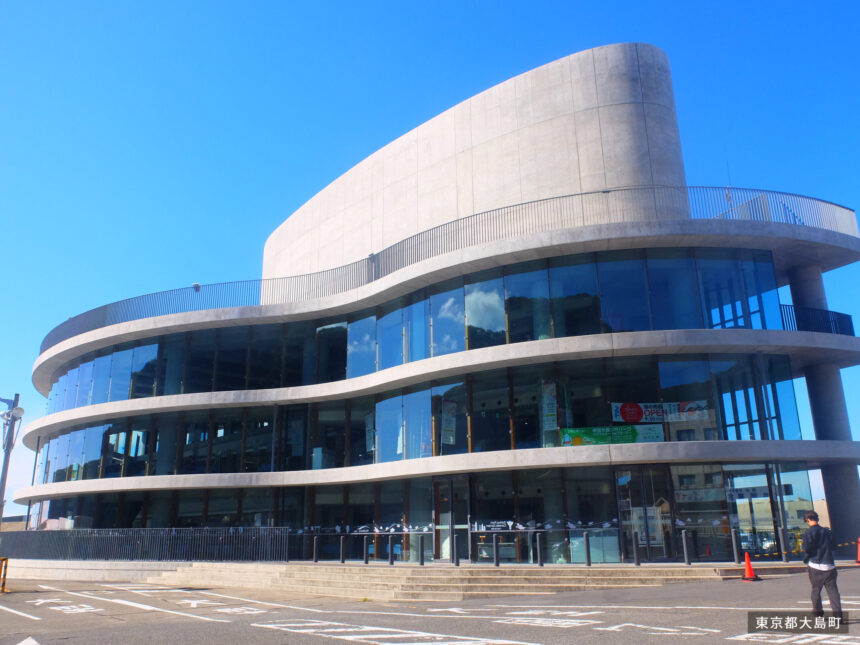
Oshima Ferry Pet Rebooked Departure Bus After-Exit Lodging Morning Route Short Segment Arrival Stop Guide
Short answer: After moving one short segment, stop fully at the arrival edge. Keep the pet carrier closed and level, stay out of doors, roads, bus lanes, taxi approaches, line mouths, and lodging driveways, then recheck before continuing.
Last checked: August 27, 2026. Ferry operation status, port choice, bus operation, taxi availability, lodging pickup, checkout timing, waiting-place permission, pet rules, staff messages, announcements, display changes, weather, warnings, road conditions, vehicle drop-off points, counter replies, payment handling, terminal access, boarding procedures, and local conditions can change. Always follow current Tokai Kisen, JMA, Oshima Tourism Association, Izu Oshima Navi, terminal, lodging, driver, and local staff guidance.
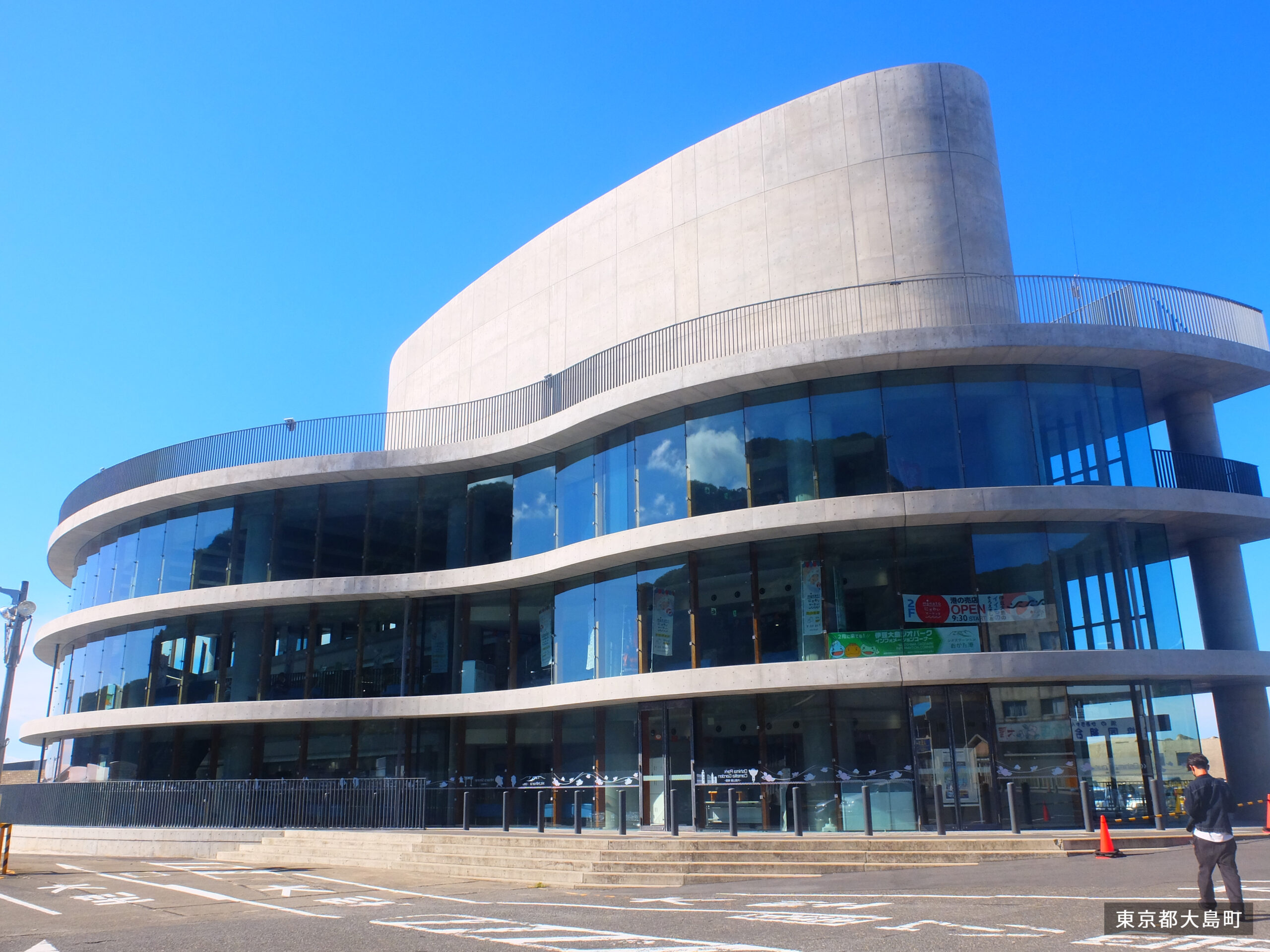
End The Segment Deliberately
The purpose of a short segment is to arrive at a new check point, not to start a longer walk. Stop as soon as you reach the named edge.
A clean stop gives you time to settle the pet carrier, read the next cue, listen for announcements, and avoid blocking passengers, staff, vehicles, or lodging workers.
Choose The Stop Before You Arrive
Before the final few steps, identify the exact place where you will stop: beside a sign, along a wall, outside a line mouth, near shelter, at a permitted lodging edge, or beside but not in a transport area.
If the planned stop disappears because a line grows, a vehicle arrives, a door opens, or staff redirect the flow, choose the nearest non-blocking edge and stop there.
Settle The Carrier First
Tokai Kisen’s pet guidance says pets must be in a cage or basket within the stated limits, with face and body kept inside. Arrival is the moment to check that condition again.
Keep the carrier closed, level, ventilated, visible, and away from feet, wheels, wet ground, direct sun, door swing, luggage movement, road edges, and vehicle paths.
Stay Out Of Active Flow
Do not stop in a doorway, ramp, gate mouth, counter mouth, bus lane, taxi approach, road shoulder, stair, luggage bottleneck, ship-side path, lodging driveway, or staff-only space.
A good arrival stop lets everyone else keep moving while you reset. If people must step around the carrier, the stop is not good enough.
Match The Stop To The Current Stage
Tokai Kisen’s boarding-flow page says procedures should be completed early, boarding begins after an announcement, and passenger tickets are handed over at the gate.
That means your stop should match the stage: counter question, waiting, gate call, bus transfer, taxi confirmation, lodging permission, or weather shelter. Do not use one stage’s stop for another stage’s action.
Refresh Before The Next Move
Tokai Kisen’s operation-status page is the current reference for ferry operation and Oshima port context, and it asks users to refresh before checking. Same-day operation can depend on sea and port conditions.
At the stop, compare status, port name, ship, time, announcement, display, ticket, line direction, and staff wording before deciding whether to move again.
Stop Carefully Near Transport
Oshima Tourism Association lists local buses, taxis, rental cars, rental motorcycles, and rental bicycles, and notes that taxis do not cruise and night operation is limited. Izu Oshima Navi gives local transport context too.
Near buses or taxis, stop beside the waiting area rather than in the lane or approach. Confirm stop name, direction, endpoint, vehicle identity, driver identity, luggage position, carrier position, and payment readiness before the next door move.
Stop Carefully Near Lodging
Oshima Tourism Association’s accommodation page gives lodging context and notes that Oshima port use can vary between Okada and Motomachi depending on sea conditions, which can affect pickup and morning-route coordination.
Near lodging, stop at the public or explicitly permitted edge. Ask before entering rooms, staff-only areas, kitchens, storage spaces, parking areas, or vehicle space with the carrier and luggage.
Let Weather Shorten The Stop
JMA forecast and warning pages are the official context for warnings, advisories, wind, waves, rain, heat, temperatures, and other exposed-movement concerns.
If the arrival stop is exposed to wind, rain, heat, darkness, wet pavement, or wave spray, shorten the stop. Move only to a safer nearby edge or return to shelter after checking current instructions.
Short Segment Arrival Stop Checklist
- Stop as soon as the named short segment ends.
- Keep the stop outside doors, ramps, gates, counters, roads, bus lanes, taxi approaches, vehicle paths, stairs, and lodging driveways.
- Set the carrier closed, level, ventilated, visible, and out of traffic.
- Keep ticket, pet proof, phone, payment, ID, route note, and lodging contact reachable.
- Check whether your stop still matches the current stage.
- Refresh Tokai Kisen status before any ferry-stage movement.
- Listen for announcement, display, line, driver, lodging, or staff changes.
- Confirm transport direction and identity before a bus or taxi door move.
- Confirm lodging permission before entering private or staff-only space.
- Use JMA weather context to decide whether to hold, shorten, move to shelter, or ask.
Sources
- Tokai Kisen operation-status page
- Tokai Kisen boarding flow
- Tokai Kisen FAQ
- Tokai Kisen pet page and pet-ticket information
- JMA weather warning and advisory page
- JMA forecast-services explanation
- Oshima Tourism Association local transport page
- Oshima Tourism Association accommodation page
- Izu Oshima Navi transportation page
- Izu Oshima Photo Studio source image page
Editorial disclosure: This guide was prepared from official ferry, weather-agency, tourism-association, local-guide, and source-image pages checked on August 27, 2026. It is an independent planning guide and does not replace current Tokai Kisen operation status, JMA warnings or advisories, ticket handling, rebooking decisions, pet-ticket decisions, pet acceptance, fare amounts, payment handling, receipt handling, announcements, display changes, staff calls, baggage handling, arrival-port decisions, departure-port decisions, lodging policies, checkout timing, key or card handling, room checks, waste handoff, carrier route, waiting-place permission, first outdoor stop safety, route-start instructions, driver identity checks, vehicle identity checks, bus-stop directions, cue mismatch decisions, confirmed movement instructions, mid-move safety, midpoint stop decisions, midpoint cue recheck decisions, cue-still-matches continue decisions, continue-next-safe-edge decisions, safe-edge arrival recheck decisions, safe-edge rechecked-cue next-step decisions, next-step moved short-segment decisions, short-segment arrival-stop decisions, last-step decisions, final terminal approach instructions, counter replies, line management, line position, moving-line decisions, pause-and-rejoin decisions, final staff cue decisions, final cue advance, stop-or-reset decisions, reset-complete readvance decisions, final belongings counts, belongings-count mismatch recovery, mismatch-recovered rejoin decisions, rejoined-flow final staff confirmations, staff-confirmed final moves, final-move cue-change stops, cue-change reconfirmation, reconfirmed-cue final advance, final-advance arrival checks, next-action decisions, final staff confirmations, staff-confirmed next-action execution, next-action execution cue-change stops, cue-change stop restart confirmations, reconfirmed restart first moves, first-move checkpoint pauses, checkpoint-clear next-move decisions, next-move instruction repeat-backs, confirmed-instruction note preparation, note-ready show-and-move decisions, next-checkpoint note matching, note mismatch stop-and-ask decisions, corrected-note restart decisions, restart first-check decisions, restart first-check mismatch decisions, reconfirmed return-to-checkpoint decisions, returned-checkpoint rejoin decisions, rejoined-flow change stop decisions, flow-change cue reconfirmation, reconfirmed-cue note-and-move decisions, cue-note arrival recheck decisions, arrival-recheck next-action decisions, next-action entry-flow decisions, entered-flow first-stop decisions, first-stop exit-reconfirmation decisions, exit-reconfirmed continue decisions, continued-flow second-cue decisions, second-cue match advance decisions, advanced-checkpoint recheck decisions, checkpoint-rechecked hold-or-move decisions, hold-confirm staff-cue decisions, staff-cue confirmed movement decisions, confirmed-move midpoint checks, midpoint cue-change decisions, cue-change stop-and-ask decisions, stop-and-ask reconfirmed-cue decisions, reconfirmed-cue named-point movement decisions, named-point arrival recheck decisions, arrival-recheck next-named-point decisions, next-named-point repeat-back decisions, repeat-back corrected-point decisions, corrected-point movement decisions, morning transport, pickup arrangements, staff contact methods, emergency contact methods, taxi availability, vehicle identity, road conditions, charging permission, translation support, outlet access, Wi-Fi access, staff replies, translation accuracy, or local staff instructions.