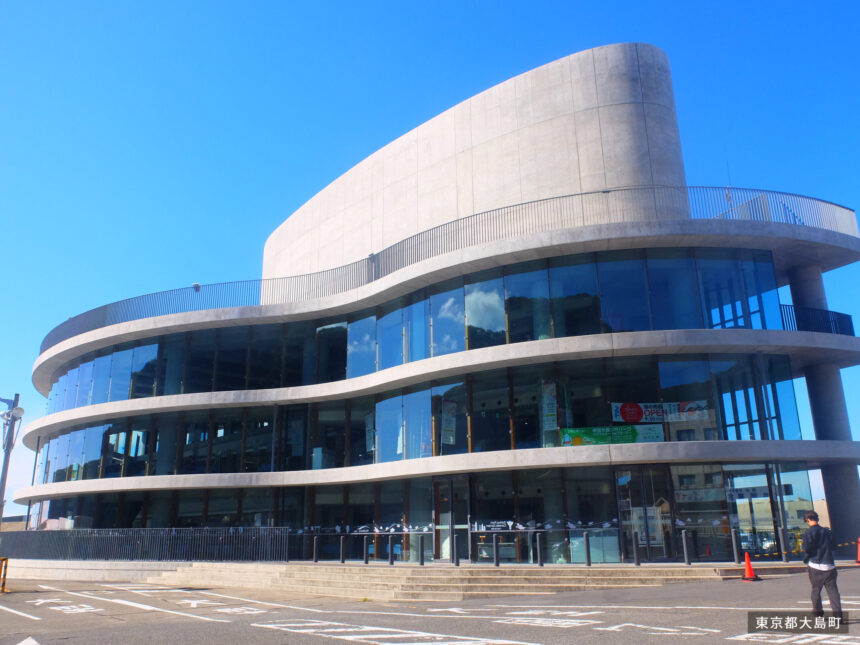
Oshima Ferry Pet Rebooked Departure Bus After-Exit Lodging Morning Route Stop And Ask Reconfirmed Cue Restart Guide
Short answer: Once the changed cue is reconfirmed, repeat the new cue, drop the old cue, check the carrier and route edge, and move only to the next named point.
Last checked: August 27, 2026. Ferry operation status, port choice, bus operation, taxi availability, lodging pickup, checkout timing, waiting-place permission, pet rules, staff messages, announcements, display changes, weather, warnings, road conditions, vehicle drop-off points, counter replies, payment handling, terminal access, boarding procedures, and local conditions can change. Always follow current Tokai Kisen, JMA, Oshima Tourism Association, Izu Oshima Navi, terminal, lodging, driver, and local staff guidance.
Make The New Cue The Working Cue
After you stop and ask, the answer you receive may replace the cue you were using. That replacement is useful only if you stop carrying the old cue in your head. Do not move while half-following both versions.
Repeat the new cue once, let the old one go, and choose the next small point. The goal is a clean restart, not a faster restart.
Use A Reset Sentence
A reset sentence should be short enough to say while holding a carrier and luggage. Try: “New cue: this place, this route, now, correct?”
If the cue is about waiting, say waiting. If it is about moving, name only the next point. If it is about a vehicle, include the vehicle marker before you step closer.
Check The Ferry Layer Again
Tokai Kisen’s operation-status page is the current ferry reference for Oshima and tells users to refresh before checking. It also notes Oshima’s two ports. If the reconfirmed cue involves a ferry, port, ship, gate, counter, departure, arrival, or rebooking, confirm that the updated ferry layer is the one you will follow.
A useful check is: “New cue is this port or gate, not the old one, correct?” Once confirmed, stop using the old port or gate as your mental anchor.
Check The Boarding Layer Again
Tokai Kisen’s boarding-flow guidance describes boarding after an announcement and ticket handover at the gate. If the reconfirmed cue is about boarding, the next step should match announcement, gate, ticket, and route.
If only one part matches, pause. A crowd moving near a gate is not enough if your ticket or route is still unclear.
Check The Pet-Carrier Layer Again
Tokai Kisen’s pet guidance says pets must be in a cage or basket within stated limits, with face and body kept inside. After a cue is reconfirmed, check whether the carrier is ready for that exact movement.
If the new cue sends you farther, outside, toward a line, or toward a vehicle, reset closure, ventilation, strap position, and luggage balance before moving.
Check The Weather Layer Again
JMA warning, advisory, and forecast pages provide official weather context for wind, waves, rain, heat, temperature, and precipitation. A reconfirmed cue may change the weather exposure of the route.
If the new cue sends you through a doorway, curb, unsheltered path, wet surface, sunny wait, or windy edge, ask for the safer side when possible. Keep the question focused: “Covered side first, correct?”
Check The Local Transport Layer Again
Oshima Tourism Association and Izu Oshima Navi provide local transport context, including buses, taxis, route planning, port-dependent movement, and lodging information. If the reconfirmed cue involves a bus, taxi, pickup car, or lodging entrance, make the identity concrete.
Repeat: “This bus stop,” “this driver,” “this vehicle,” or “this entrance.” Then move only to that named point.
Do Not Debate The Old Cue
Once a current staff, lodging, driver, or official cue is clear, do not spend the next move proving why the earlier cue was different. Travelers often lose time by trying to reconcile old and new instructions when the useful action is simply to follow the current one.
Keep the old cue only as context if you must explain confusion. Your movement should follow the reconfirmed cue.
If The Reconfirmed Cue Is Still Vague
If the answer is “over there” or “soon” and you cannot identify the next point, the cue is not ready. Ask for one name or marker: gate, counter, stop, vehicle, driver, entrance, or waiting edge.
With a pet carrier, vague movement is more costly because reversing direction is harder. Make the next point visible before you move.
If The Carrier Has Changed
Sometimes the route cue is clear but the carrier situation is not. The pet may shift, the strap may slide, or the bag may block one hand. Treat this as part of the reconfirmation.
Say: “I need to reset the carrier first. Then this way, correct?” That keeps the route clear while giving you time to make the movement safer.
Restart With One Small Step
The reconfirmed cue should produce one small step, not a long chain of assumptions. Move to the next named point, then stop and check whether the cue still matches.
This pattern is calm and sturdy: ask, confirm, move, stop, recheck. It works well when ferry, bus, taxi, lodging, and weather details are all in motion.
Reconfirmed Cue Checklist
- Repeat the new cue in one short sentence.
- Drop the old cue as your working instruction.
- Refresh Tokai Kisen status if ferry, port, ship, departure, arrival, rebooking, or boarding detail matters.
- Use the Tokai Kisen boarding flow if the cue involves announcement, gate, ticket, or boarding line.
- Check JMA context if the new cue changes weather exposure.
- Keep the pet carrier closed, level, ventilated, and easy to hold.
- Confirm the exact bus, taxi, driver, vehicle, lodging, entrance, stop, counter, or waiting edge.
- Ask for one concrete marker if the cue is still vague.
- Move only to the next named point.
- Stop there and recheck before continuing.
Sources
- Tokai Kisen operation-status page
- Tokai Kisen boarding flow
- Tokai Kisen pet page and pet-ticket information
- JMA weather warning and advisory page
- JMA forecast-services explanation
- Oshima Tourism Association local transport page
- Oshima Tourism Association accommodation page
- Izu Oshima Navi transportation page
- Izu Oshima Photo Studio source image page
Editorial disclosure: This guide was prepared from official ferry, weather-agency, tourism-association, local-guide, and source-image pages checked on August 27, 2026. It is an independent planning guide and does not replace current Tokai Kisen operation status, JMA warnings or advisories, ticket handling, rebooking decisions, pet-ticket decisions, pet acceptance, fare amounts, payment handling, receipt handling, announcements, display changes, staff calls, baggage handling, arrival-port decisions, departure-port decisions, lodging policies, checkout timing, key or card handling, room checks, waste handoff, carrier route, waiting-place permission, first outdoor stop safety, route-start instructions, driver identity checks, vehicle identity checks, bus-stop directions, cue mismatch decisions, corrected-cue decisions, checkpoint-clear decisions, next-move decisions, arrival rechecks, continue-or-hold decisions, hold-position decisions, carrier-comfort decisions, next-cue listening decisions, cue-heard repeat-back decisions, repeat-back confirmed first-move decisions, first-move midpoint stop decisions, midpoint cue-change stop-and-ask decisions, stop-and-ask reconfirmed-cue decisions, midpoint safe-edge choices, ferry-layer confirmations, boarding-layer confirmations, pet-carrier confirmations, weather-layer confirmations, local-transport confirmations, lodging-layer confirmations, correction handling, final terminal approach instructions, counter replies, line management, line position, moving-line decisions, pause-and-rejoin decisions, final staff cue decisions, final cue advance, stop-or-reset decisions, reset-complete readvance decisions, final belongings counts, belongings-count mismatch recovery, mismatch-recovered rejoin decisions, rejoined-flow final staff confirmations, staff-confirmed final moves, final-move cue-change stops, cue-change reconfirmation, reconfirmed-cue final advance, final-advance arrival checks, next-action decisions, final staff confirmations, staff-confirmed next-action execution, next-action execution cue-change stops, cue-change stop restart confirmations, reconfirmed restart first moves, first-move checkpoint pauses, checkpoint-clear next-move decisions, next-move instruction repeat-backs, confirmed-instruction note preparation, note-ready show-and-move decisions, next-checkpoint note matching, note mismatch stop-and-ask decisions, corrected-note restart decisions, restart first-check decisions, restart first-check mismatch decisions, reconfirmed return-to-checkpoint decisions, returned-checkpoint rejoin decisions, rejoined-flow change stop decisions, flow-change cue reconfirmation, reconfirmed-cue note-and-move decisions, cue-note arrival recheck decisions, arrival-recheck next-action decisions, next-action entry-flow decisions, entered-flow first-stop decisions, first-stop exit-reconfirmation decisions, exit-reconfirmed continue decisions, continued-flow second-cue decisions, second-cue match advance decisions, advanced-checkpoint recheck decisions, checkpoint-rechecked hold-or-move decisions, hold-confirm staff-cue decisions, staff-cue confirmed movement decisions, confirmed-move midpoint checks, midpoint cue-change decisions, cue-change stop-and-ask decisions, stop-and-ask reconfirmed-cue decisions, reconfirmed-cue named-point movement decisions, named-point arrival recheck decisions, arrival-recheck next-named-point decisions, next-named-point repeat-back decisions, repeat-back corrected-point decisions, corrected-point movement decisions, morning transport, pickup arrangements, staff contact methods, emergency contact methods, taxi availability, vehicle identity, road conditions, charging permission, translation support, outlet access, Wi-Fi access, staff replies, translation accuracy, or local staff instructions.