Oshima Ferry Pet Rebooked Departure Bus After-Exit Lodging Morning Route Wait Cue Confirmed Hold Guide
Short answer: If the wait cue is confirmed, hold the carrier in a stable visible place, stay out of traffic, keep current ferry, boarding, weather, transport, and lodging checks active, and move only when the next cue clearly applies to you.
Last checked: August 27, 2026. Ferry operation status, port choice, bus operation, taxi availability, lodging pickup, checkout timing, waiting-place permission, pet rules, staff messages, announcements, display changes, weather, warnings, road conditions, vehicle drop-off points, counter replies, payment handling, terminal access, boarding procedures, and local conditions can change. Always follow current Tokai Kisen, JMA, Oshima Tourism Association, Izu Oshima Navi, terminal, lodging, driver, and local staff guidance.
Hold Means Stay Ready
A confirmed wait cue is not a pause in the route. It is a controlled state. You are holding position because the current instruction says waiting is the right action for this ferry, vehicle, lodging contact, line, or weather condition.
Stay ready without creeping forward. Keep the carrier stable, your belongings close, and your attention on the source that will give the next cue.
Choose A Visible Hold Position
The hold position should be visible to the person or source that will call you next. It should also be out of doors, wheels, line centers, wet edges, and walking paths.
If the confirmed spot is crowded, ask whether you may hold at the nearest visible side. A small shift can keep the carrier safe while preserving the instruction.
Keep The Carrier Comfortable
Tokai Kisen’s pet guidance is the current company layer for pets and carriers. While holding, keep the carrier closed, level, ventilated, and close enough to control. Recheck the carrier when the space gets crowded or the weather changes.
If the carrier becomes unstable, solve that first. A confirmed hold cue still needs a usable carrier position.
Monitor The Ferry Layer
Tokai Kisen’s operation-status page is the current ferry reference for Oshima and notes that Oshima has two ports. If your hold depends on a ferry, port, departure, arrival, rebooking, counter, or gate, keep that layer active.
Do not treat the hold cue as permanent. Ferry and port conditions may require another check or staff confirmation before the next movement.
Monitor The Boarding Layer
Tokai Kisen’s boarding-flow guidance explains that boarding follows the commencement announcement and ticket handover at the boarding gate. If your hold is near a gate, the next cue may be an announcement, ticket flow, staff call, or line movement.
Wait for the cue that clearly applies to your sailing and ticket. Other lines may move first.
Monitor Weather Without Wandering
JMA warning, advisory, and forecast pages provide the official weather layer. If the hold position is exposed, weather may affect comfort and safety before the next cue arrives.
If wind, rain, heat, wet pavement, or footing makes the carrier position poor, ask whether a covered or safer edge is acceptable. Do not leave the hold position without making the change visible to the right person.
Monitor Local Transport And Lodging
Oshima Tourism Association and Izu Oshima Navi provide local transport context for buses, taxis, rentals, route planning, and port-dependent movement. If the hold relates to a bus, taxi, pickup vehicle, or lodging entrance, keep the identity layer clear.
Watch for route, stop, vehicle, driver, lodging name, entrance, sign, or pickup mark. A vehicle arriving nearby is not your next cue until the identity matches.
If Someone Asks You To Move
If staff, a driver, or a lodging contact asks you to move, repeat the action and endpoint before leaving the hold. If another traveler suggests moving, confirm with the authority layer first.
Use simple words: “Move to that side?” “Join this line?” “This vehicle?” “Wait at that entrance?” Then move only if the instruction clearly applies to you.
If The Hold Takes Longer
A longer hold needs small rechecks. Check the carrier, the weather, your belongings, the display or announcement source, and whether your position still keeps you visible.
Do not wander to search for information if the hold cue told you to remain findable. Ask from the position or return quickly after any necessary check.
If The Cue Changes
If the wait cue changes, treat the hold as complete. Recheck the carrier, identify the new action and endpoint, and confirm which instruction is current.
The right question is: “Should I still wait here, or move there now?” That separates the old hold from the new movement.
Wait Cue Confirmed Hold Checklist
- Hold position only after the wait cue is clear.
- Keep the carrier closed, level, ventilated, visible, and out of traffic.
- Stay visible to the staff, driver, lodging contact, display, announcement, or source that will give the next cue.
- Do not follow crowd movement unless it clearly applies to you.
- Use Tokai Kisen status for current ferry and Oshima port checks.
- Use Tokai Kisen boarding flow for gate, ticket, announcement, and boarding cues.
- Keep Tokai Kisen pet guidance and staff instructions active.
- Use JMA context if holding is exposed to wind, rain, heat, wet ground, or poor footing.
- Use local transport and lodging sources for vehicles, stops, entrances, and pickup cues.
- If the cue changes, ask whether to keep holding or move to the next point.
Sources
- Tokai Kisen operation-status page
- Tokai Kisen boarding flow
- Tokai Kisen pet page and pet-ticket information
- JMA weather warning and advisory page
- JMA forecast-services explanation
- Oshima Tourism Association local transport page
- Oshima Tourism Association accommodation page
- Izu Oshima Navi transportation page
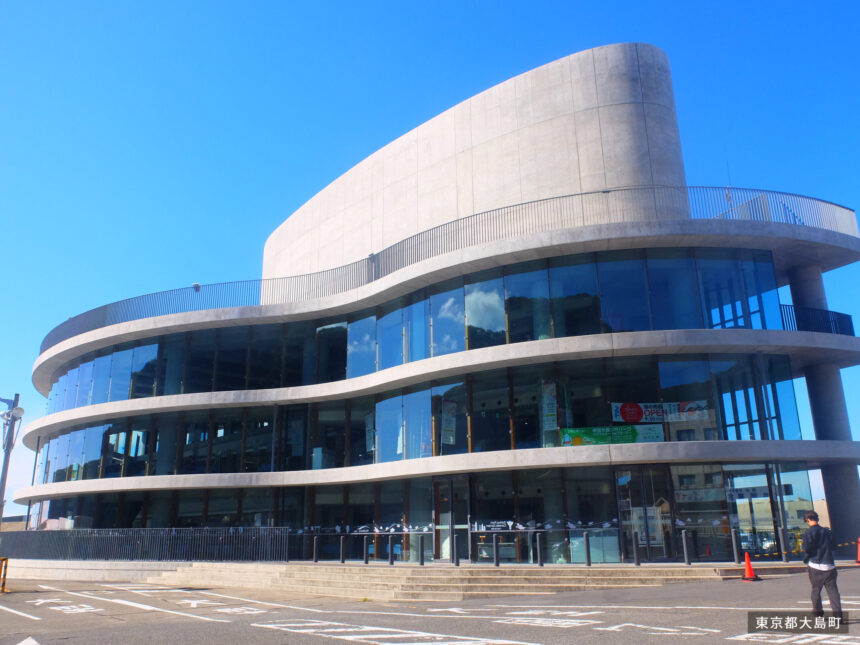
- Izu Oshima Photo Studio source image page
Editorial disclosure: This guide was prepared from official ferry, weather-agency, tourism-association, local-guide, and source-image pages checked on August 27, 2026. It is an independent planning guide and does not replace current Tokai Kisen operation status, JMA warnings or advisories, ticket handling, rebooking decisions, pet-ticket decisions, pet acceptance, fare amounts, payment handling, receipt handling, announcements, display changes, staff calls, baggage handling, arrival-port decisions, departure-port decisions, lodging policies, checkout timing, key or card handling, room checks, waste handoff, carrier route, waiting-place permission, first outdoor stop safety, route-start instructions, driver identity checks, vehicle identity checks, bus-stop directions, cue mismatch decisions, corrected-cue decisions, checkpoint-clear decisions, next-move decisions, arrival rechecks, continue-or-hold decisions, hold-position decisions, carrier-comfort decisions, next-cue listening decisions, cue-heard repeat-back decisions, repeat-back confirmed first-move decisions, first-move midpoint stop decisions, midpoint cue-change stop-and-ask decisions, stop-and-ask reconfirmed-cue decisions, reconfirmed-cue named-point first-step decisions, named-point visibility checks, crowded-point edge choices, ferry-layer confirmations, boarding-layer confirmations, pet-carrier confirmations, weather-layer confirmations, local-transport confirmations, lodging-layer confirmations, named-point arrival carrier recheck decisions, carrier rechecked next cue decisions, next cue matched one segment move decisions, one segment arrival stop recheck decisions, stop rechecked next instruction decisions, instruction matched final edge move decisions, final edge entry confirmation decisions, entry confirmed carrier position decisions, carrier positioned first wait cue decisions, wait cue confirmed hold decisions, hold-position visibility checks, longer-hold rechecks, authority-layer monitoring, crowd-movement checks, changed-cue decisions, correction handling, final terminal approach instructions, counter replies, line management, line position, moving-line decisions, pause-and-rejoin decisions, final staff cue decisions, final cue advance, stop-or-reset decisions, reset-complete readvance decisions, final belongings counts, belongings-count mismatch recovery, mismatch-recovered rejoin decisions, rejoined-flow final staff confirmations, staff-confirmed final moves, final-move cue-change stops, cue-change reconfirmation, reconfirmed-cue final advance, final-advance arrival checks, next-action decisions, final staff confirmations, staff-confirmed next-action execution, next-action execution cue-change stops, cue-change stop restart confirmations, reconfirmed restart first moves, first-move checkpoint pauses, checkpoint-clear next-move decisions, next-move instruction repeat-backs, confirmed-instruction note preparation, note-ready show-and-move decisions, next-checkpoint note matching, note mismatch stop-and-ask decisions, corrected-note restart decisions, restart first-check decisions, restart first-check mismatch decisions, reconfirmed return-to-checkpoint decisions, returned-checkpoint rejoin decisions, rejoined-flow change stop decisions, flow-change cue reconfirmation, reconfirmed-cue note-and-move decisions, cue-note arrival recheck decisions, arrival-recheck next-action decisions, next-action entry-flow decisions, entered-flow first-stop decisions, first-stop exit-reconfirmation decisions, exit-reconfirmed continue decisions, continued-flow second-cue decisions, second-cue match advance decisions, advanced-checkpoint recheck decisions, checkpoint-rechecked hold-or-move decisions, hold-confirm staff-cue decisions, staff-cue confirmed movement decisions, confirmed-move midpoint checks, midpoint cue-change decisions, cue-change stop-and-ask decisions, stop-and-ask reconfirmed-cue decisions, reconfirmed-cue named-point movement decisions, named-point arrival recheck decisions, arrival-recheck next-named-point decisions, next-named-point repeat-back decisions, repeat-back corrected-point decisions, corrected-point movement decisions, morning transport, pickup arrangements, staff contact methods, emergency contact methods, taxi availability, vehicle identity, road conditions, charging permission, translation support, outlet access, Wi-Fi access, staff replies, translation accuracy, or local staff instructions.