Use Ryogoku as a sumo neighborhood, not only a stadium stop
Short answer: Ryogoku is the easiest Tokyo area for first-time visitors who want a sumo-themed day. You can build a simple walk around Ryogoku Kokugikan, the Sumo Museum, chanko restaurants, Edo-style food streets, Hokusai and Edo history, and the Sumida River area. If your dates include a tournament, check official tickets first; if not, Ryogoku can still be worth a half day.
Last checked: August 28, 2026. Tournament dates, tickets, museum calendars, restaurant hours, facility access, exhibitions, events, and stable-visit availability can change. Use official pages before you go.
Simple Ryogoku plans
| Plan | Best for | Check first |
|---|---|---|
| Tournament day | Visitors with official Grand Sumo tickets who want the arena atmosphere and nearby food | Current schedule and ticket guide |
| No-ticket sumo walk | Visitors who want Kokugikan exterior views, sumo statues, local food, and museum options | Official museum and facility calendars |
| Culture half day | Travelers combining sumo with Hokusai, Edo history, gardens, or craft stops | Current museum exhibitions and closing days |
| Food-focused visit | Travelers interested in chanko, station dining, and an easy meal near the sumo area | Restaurant hours, reservations, and dietary details |
Start with Kokugikan and the station area
GO TOKYO describes Ryogoku as a riverside town of tradition and the center of sumo, with Ryogoku Kokugikan close to the station. JNTO also frames Ryogoku as a neighborhood known for sumo, museums, gardens, and retro charm. For a first visit, begin with the station and Kokugikan area, then decide whether the day should be about a live tournament, a museum stop, food, or a short cultural walk.
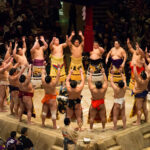
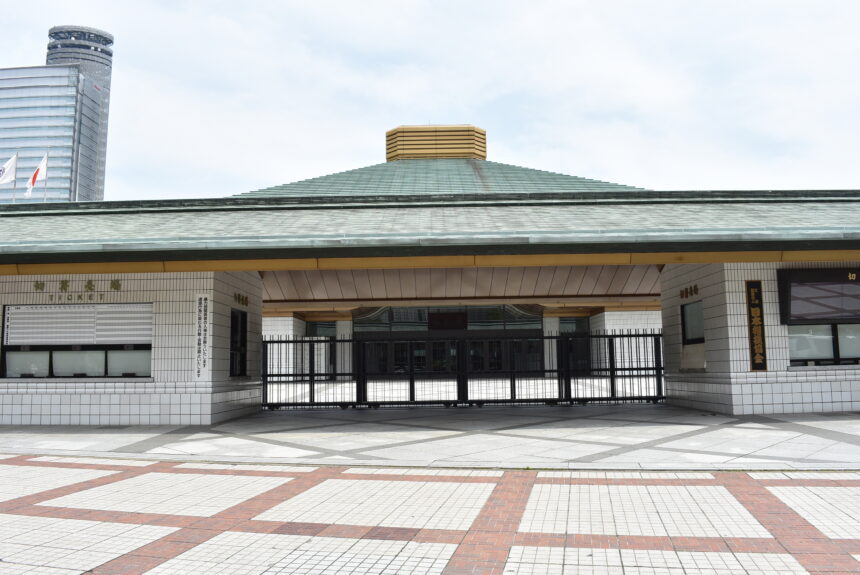
Ryogoku Kokugikan is the visual anchor. JNTO’s Kokugikan page places it next to Ryogoku Station and describes it as sumo’s main stadium. Even when you are not attending a tournament, the exterior, nearby streets, sumo-themed details, and station-area food can help you understand why this neighborhood is the natural base for a sumo article cluster.
Use the Sumo Museum carefully
The Japan Sumo Association says the Sumo Museum is located on the first floor of Ryogoku Kokugikan and collects, preserves, and exhibits sumo-related materials such as woodblock prints, rankings, and ceremonial aprons. It also warns that exhibits and schedules can change. That makes it useful for a no-ticket Ryogoku plan, but only after checking the current museum calendar.
During tournament periods, access rules can differ from ordinary days. Do not assume that the museum, arena, shops, or venue areas are open to non-ticket holders. Check the Japan Sumo Association and venue pages before you build a route around Kokugikan.
Add food and Edo culture
Ryogoku is not only about the arena. GO TOKYO highlights chanko-nabe, the hearty hotpot associated with sumo wrestlers, and places Ryogoku within Edo-period culture. Ryogoku Edo NOREN’s official site describes a food facility connected with Ryogoku Station and built around an Edo-style dining concept. Use this branch for an easy food stop, but check individual shop hours and closing days before promising a meal to your group.
For a wider cultural half day, add the Sumida Hokusai Museum or other nearby Edo/Tokyo history stops. The Sumida Hokusai Museum official site identifies the museum with Katsushika Hokusai and provides current visitor information. Treat museum exhibitions, calendars, prices, and temporary closures as mutable details that need a same-week check.
Respect the neighborhood
Ryogoku is a real working area, not a theme park. You may see wrestlers or stable-related activity, but do not follow people, block sidewalks, take intrusive photos, or wait around private entrances. If you want to watch practice, use an authorized tour or official arrangement and follow the host’s rules for silence, photography, timing, and movement.
For live tournament planning, avoid unofficial ticket offers and check the current guide first: Sumo in Japan: Tournament Schedule and Tickets. This Ryogoku article intentionally does not repeat current sale status, prices, or date tables. For the broader decision between tournament, Ryogoku walk, museum, and alternatives, return to the parent hub: Sumo in Japan for First-Time Visitors.
What to check before going
- Grand Sumo schedule, official ticket status, and venue rules.
- Sumo Museum calendar, access rules, and exhibition changes.
- Restaurant hours, reservations, food restrictions, and group seating.
- Hokusai, Edo/Tokyo history, garden, and craft facility opening days.
- Photography rules, luggage rules, crowding, weather, and walking distance.
Photo credit
Featured image: Ryogoku Kokugikan-1b.jpg by Edomura no Tokuzo on Wikimedia Commons, CC BY-SA 4.0. Cropping or resizing may be applied for site display. The image is used in editorial Ryogoku area-guide context and does not imply endorsement by the Japan Sumo Association, the venue, the photographer, Wikimedia, or related organizations.
Sources
- GO TOKYO: Ryogoku – the center of sumo
- GO TOKYO: Explore Ryogoku
- JNTO: Ryogoku
- JNTO: Ryogoku Kokugikan
- Japan Sumo Association: Sumo Museum
- The Sumida Hokusai Museum official site
- Ryogoku Edo NOREN official site
- Wikimedia Commons image file and license record
Editorial disclosure: This is an independent planning guide. It is not affiliated with the Japan Sumo Association, Ticket Oosumo, GO TOKYO, JNTO, Sumida City, Ryogoku Kokugikan, Ryogoku Edo NOREN, The Sumida Hokusai Museum, Wikimedia, the photographer, restaurants, stables, or tour operators.