Choose the museum that fits your route
Short answer: Japan has several strong railway museums, but the best first choice depends on where you are already traveling. Choose Kyoto for steam locomotives and broad railway culture, Omiya/Saitama for a Tokyo-area full museum day, Nagoya for Shinkansen and Maglev technology, or Moji/Kitakyushu for Kyushu railway history in a historic port setting.
Last checked: August 28, 2026. Museum hours, closed days, ticket prices, reservations, simulators, rides, temporary exhibitions, restaurants, shops, and access routes can change. Check each official museum page before you go.
Best first choices
| Museum | Best fit | Why choose it |
|---|---|---|
| Kyoto Railway Museum | Kyoto, Osaka, family trips, steam locomotives, broad railway culture | Easy to combine with a Kansai trip and strong for historic rolling stock. |
| The Railway Museum, Omiya | Tokyo-area rail fans, families, hands-on learning, railway history | A full-day option near Tokyo with themed stations and major rolling-stock displays. |
| SCMAGLEV and Railway Park | Nagoya, Shinkansen, Maglev, high-speed rail technology | Good for visitors curious about the Tokaido Shinkansen and future rail technology. |
| Kyushu Railway History Museum | Fukuoka, Kitakyushu, Moji Port, regional railway history | A smaller regional choice that pairs well with Moji’s retro port area. |
Kyoto: steam, Shinkansen, and railway culture
Kyoto Railway Museum’s official English site describes the museum as a railway-culture hub and explains that it opened in 2016 as an expanded and renovated successor to Umekoji Steam Locomotive Museum. For visitors already planning Kyoto or Osaka, it is usually the easiest major railway museum to add without creating a separate long-distance detour.
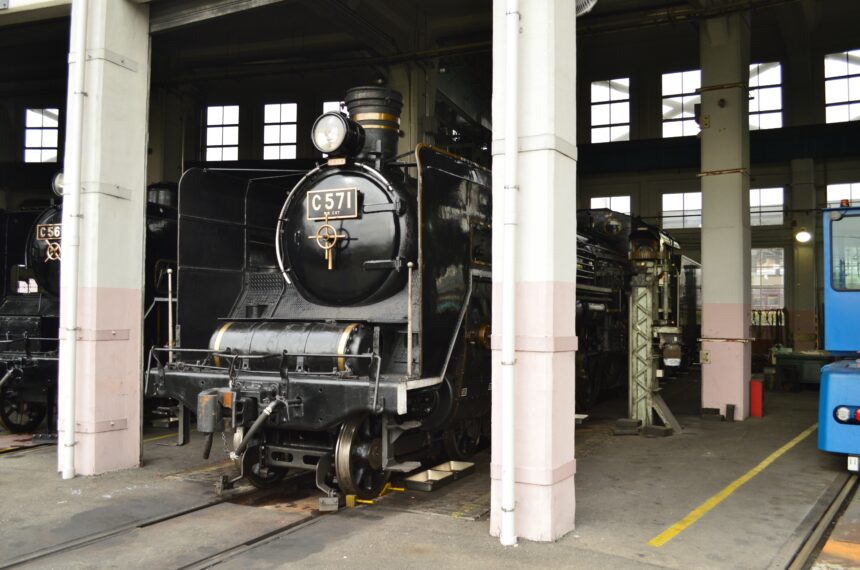
Choose Kyoto if you want preserved steam locomotives, a broad railway-culture setting, and a museum that can work for both serious rail fans and mixed-interest groups. Check the official floor guide and museum calendar before you go, especially if you care about specific vehicles, hands-on areas, temporary exhibits, or a particular family facility.
Omiya: the Tokyo-area full museum day
The Railway Museum’s official English site says it opened in Omiya, Saitama City in 2007 and now has themed areas such as Rolling Stock Station, Science Station, Job Station, Future Station, and History Station. Its official page also highlights a large rolling-stock display from early railway history to Shinkansen.
Choose Omiya if you are staying in Tokyo and want a deeper rail-focused day without leaving the Kanto region. It is also a good candidate when your group includes children or people who learn better through exhibits and activities. Because tickets, apps, events, and experience programs can change, check the official site before making it the anchor of a day.
Nagoya: Shinkansen and Maglev
SCMAGLEV and Railway Park’s official English site describes simulators, a large railway diorama, and rolling-stock displays that include Maglev and conventional rolling stock. Its quick guide goes deeper into high-speed rail, Shinkansen vehicles, Maglev exhibits, and railway systems.
Choose Nagoya if your main interest is speed, engineering, the Tokaido Shinkansen, or the future of rail. It can fit well between Tokyo, Kyoto, and Osaka if your itinerary already passes through Nagoya. Check the official page for simulator rules, special exhibits, access, and any reservation or lottery-style experience details before promising the visit to your group.
Moji and smaller museums: regional flavor
Kyushu Railway History Museum’s official site and VISIT FUKUOKA describe a railway museum in a red-brick historic setting in Moji, with Kyushu railway materials and rolling stock. This is not the same kind of giant all-day museum as the largest rail museums, but that can be the point: it works best as part of a Moji Port, Kitakyushu, or northern Kyushu route.
For smaller or regional railway museums, use the same checklist: official hours, closures, access, language support, photography rules, exhibit status, and nearby food. A small museum can be more memorable than a famous one when it fits the route naturally.
How to choose without overplanning
If you only have one museum slot, choose by geography first. Kyoto fits Kansai, Omiya fits Tokyo, Nagoya fits the Tokaido corridor, and Moji fits northern Kyushu. Then choose by interest: steam, Shinkansen, Maglev, regional history, simulators, family activities, or photography. This article compares museum roles; it does not maintain a live admission, simulator, or event calendar.
For broader train travel, pair this guide with Vintage Trains and Railway Heritage in Japan. For the parent transport branch, start with Japan Transport Fan Travel Guide.
What to check before going
- Official opening calendar, closure dates, admission method, and ticket rules.
- Simulator, ride, experience-program, or app reservation conditions.
- Temporary exhibitions, vehicle display changes, photography rules, and luggage rules.
- Food, shop, stroller, wheelchair, nursing-room, and child-friendly facility details.
- Access from your hotel or next train route, including last return options.
Photo credit
Featured image: C57 1 in Kyoto Railway Museum by Saigen Jiro on Wikimedia Commons, CC0 1.0 Public Domain Dedication. Cropping or resizing may be applied for site display. The image is used in editorial railway-museum travel-guide context and does not imply endorsement by the museum, railway operators, Wikimedia, the photographer, or vehicle owners.
Sources
- Kyoto Railway Museum: About Us
- Kyoto Railway Museum: Floor Guide
- The Railway Museum official English site
- SCMAGLEV and Railway Park official English site
- SCMAGLEV and Railway Park: Quick Guide
- Kyushu Railway History Museum official site
- VISIT FUKUOKA: Kyushu Railway History Museum
- Wikimedia Commons image file and license record
Editorial disclosure: This is an independent planning guide. It is not affiliated with Kyoto Railway Museum, The Railway Museum, East Japan Railway Culture Foundation, JR East, JR Central, SCMAGLEV and Railway Park, Kyushu Railway History Museum, VISIT FUKUOKA, Wikimedia, the photographer, or railway operators.