Choose the journey, not just the destination
Short answer: Japan is one of the easiest countries for transport fans to enjoy because airports, observation decks, ferries, island routes, railway museums, local trains, scenic routes, trams, and station food can all become part of a real trip. Start by choosing the experience you want: aviation, railway heritage, scenic rail, ferry travel, city trams, or station culture.
Last checked: August 27, 2026. Airport facilities, observation decks, ferry operations, ports, train operations, museum opening days, tickets, fares, timetables, events, photography rules, and access routes can change. Always confirm current details on official operator pages before you go.
Best starting points
| Interest | Good first plan | Start here |
|---|---|---|
| Tokyo island overnight ferries | Plan overnight and return ferry routes for Miyakejima, Mikurashima, and Hachijojima with operation checks, baggage, weather, port choices, and return buffers | Tokyo Islands Overnight Ferry Guide |
| Aogashima and Mikurashima backup | Plan the most fragile Tokyo island routes by ferry, helicopter, operation status, weather, lodging buffers, and when to postpone | Aogashima and Mikurashima Backup Guide |
| Airports and aviation | Pick an airport by route, nearby city, observation-deck access, and food or shopping time | Japan Airports Guide and Nearby Travel Ideas |
| Plane spotting | Use official airport observation decks and public visitor areas before trying any deeper aviation itinerary | Plane Spotting in Japan Airports for First-Time Visitors |
| Chofu aviation day | Use Chofu Aerodrome’s official observation deck, 800m runway facts, no-ILS context, New Central Airservice island flights, bus access, parking checks, and safety-first spotting rules as the mainland gateway to Oshima, Niijima, Kozushima, and Miyakejima | Chofu Aerodrome Area Guide for Aviation Fans |
| Izu Oshima ferry basics | Use Tokai Kisen ship choices, official timetable checks, ticket and boarding flow, same-day operation status, and Okada or Motomachi port checks as the main sea-route starting point | Izu Oshima Ferry Guide |
| Izu Oshima ports and transfers | Plan around Okada and Motomachi port changes, Oshima Bus, taxi availability, early large-ship arrivals, cash or PayPay bus payment, and rental or lodging pickup checks | Izu Oshima Ports and Transfers Guide |
| Izu Oshima ferry with a pet | Use Tokai Kisen carrier rules, pet ticket steps, high-speed jet ferry limits, bus and taxi cautions, and backup planning before bringing a pet on the island route | Izu Oshima Ferry With a Pet Guide |
| Izu Oshima ferry disruption | Use official operation-status timing, cancellation and refund notes, port-change checks, JMA weather warnings, and extra itinerary buffers before relying on the return ferry | Izu Oshima Ferry Disruption and Rebooking Guide |
| Izu Oshima first trip | Use ferry and flight choices, port checks, no-car movement, Mt. Mihara, onsen, coast, and official local sources to decide whether Oshima fits your Tokyo-island plan | Izu Oshima Travel Guide for First-Time Visitors |
| Izu Oshima by bus | Plan a no-car island day with Oshima Bus timetables, active-port checks, early-arrival buses, cash or PayPay payment, taxi backup, and realistic route choices | Izu Oshima by Bus Guide |
| Mt. Mihara and Ura-Sabaku | Plan the volcano landscape with Izu Oshima Geopark facts, JMA volcano and weather checks, bus timing, footwear, return buffers, and route-size decisions | Mount Mihara and Ura-Sabaku Guide |
| Habu Port and south coast | Use Habu Port, the Great Road Cut, Fudeshima, Toshiki Coast, bus checks, taxi cautions, cliff safety, and slow route planning as one south-island branch | Habu Port and South Coast Guide |
| Izu Oshima onsen and recovery | Use Gojinka Onsen, Hama-no-yu, Oshima Onsen Hotel, Motomachi food stops, bus checks, ferry-port changes, and weather-friendly backup time as one low-energy island branch | Izu Oshima Onsen and Easy Recovery Stops |
| Oshima Park and camellias | Plan Oshima Park, camellias, the Camellia Museum, zoo, Senzu coastal trail, Shiofuki, Kasamatsu plants, Umi no Furusato Mura, and bus exits as one scalable nature route | Oshima Park, Camellias, and Coastal Trail Guide |
| Island and remote airports | Plan Amami, Ishigaki, Shimojishima, Kagoshima islands, Goto, Iki, Tsushima, and Tokyo island airports by weather, ferry backup, limited ground transport, and route fit | Japan Island and Remote Airports Guide for Aviation Fans |
| Tokyo Ai-Land Shuttle and heliports | Plan Tokyo island helicopter legs by booking window, baggage, check-in, weather, heliport manners, and ferry backup | Tokyo Ai-Land Shuttle and Heliport Guide |
| Chofu island flights | Compare Chofu flights to Oshima, Niijima, Kozushima, and Miyakejima by baggage, ferry backup, weather, and transfer fit | Chofu Island Flights Guide |
| Miyakejima ports and transfers | Use Miike, Sabigahama (Ako), and Igaya port checks, same-day operation status, luggage timing, lodging pickup, taxi, rental car, and bus planning as the Miyakejima port-choice branch | Miyakejima Ports and Transfer Guide |
| Haneda aviation day | Turn a Tokyo arrival, departure, layover, or half day into an airport-area plan with official decks and access checks | Haneda Airport Area Guide for Aviation Fans |
| Narita aviation day | Use Narita’s official decks, aviation museum access, and Narita town options as a slower airport-area plan | Narita Airport Area Guide for Aviation Fans |
| Kansai airports compared | Compare KIX, Itami, and Kobe by observation decks, access, airport scale, nearby city pairing, and safety-first aviation-fan planning | Kansai Airports Compared for Aviation Fans |
| Chubu aviation day | Use Centrair’s official Sky Deck, FLIGHT OF DREAMS, Access Plaza checks, and Tokoname add-ons as a central Japan airport-area plan | Chubu Centrair Airport Area Guide for Aviation Fans |
| Fukuoka aviation day | Use Fukuoka Airport’s domestic observation decks, subway access, shuttle checks, and terminal food as a compact Kyushu airport plan | Fukuoka Airport Area Guide for Aviation Fans |
| Regional airports | Choose Japanese regional airports by observation decks, local food, access fit, nearby travel ideas, and official current checks instead of collecting thin one-airport detours | Japan Regional Airports Guide for Aviation Fans |
| New Chitose aviation day | Use New Chitose Airport’s seasonal observation deck, JR access, Hokkaido food, and indoor options as a weather-aware Hokkaido airport plan | New Chitose Airport Area Guide for Aviation Fans |
| Naha aviation day | Use Naha Airport’s visitor decks, Yui Rail access, terminal food, and Senaga Island add-ons as a typhoon-aware Okinawa airport plan | Naha Airport Area Guide for Aviation Fans |
| Vintage trains and railway heritage | Anchor the day around a railway museum, preserved train, local line, or heritage-style journey | Vintage Trains and Railway Heritage in Japan |
| Railway museums | Choose a museum by route, collection type, family fit, Shinkansen interest, and official current checks | Railway Museums in Japan for First-Time Visitors |
| Scenic routes | Choose the landscape first: coast, mountain, river valley, snow country, rural tram, or city-to-city shinkansen | Scenic Railways in Japan for First-Time Visitors |
| Local rail walks | Use a short local railway as the spine for temples, coastal views, town walks, and station-to-station wandering | Enoden and Kamakura Rail Walk for First-Time Visitors |
| Tokyo tram walks | Use Tokyo Sakura Tram as a short neighborhood rail walk with parks, streetcar heritage, and official operation checks | Tokyo Tram Walks for First-Time Visitors |
| Kyoto tram walks | Use Randen as a slower rail approach to Arashiyama with crowd-aware walking and bamboo-grove manners | Kyoto Randen Tram and Arashiyama Rail Walk for First-Time Visitors |
| Station culture | Use a major station for ekiben, local sweets, platform views, shopping, and transfer-friendly meals | Ekiben and Station Food for Rail Fans |
Airports are travel days, not only transit
The Ministry of Land, Infrastructure and Transport keeps official airport information for Japan, while each airport operator controls current passenger facilities, route notices, observation areas, access, and service rules. Treat an airport day as a light itinerary: arrival or departure, baggage, food, observation, nearby sightseeing, and transport into town.
For plane watching, stay inside official public areas. Haneda Airport’s official passenger-terminal site describes observation decks where visitors can watch aircraft, but it also warns that decks may close because of weather or security-related reasons. That is the right model for this whole branch: use official visitor spaces, check same-day notices, and avoid any location that depends on fences, restricted roads, private property, or disturbing airport operations.
Railway heritage works best with a clear anchor
JNTO’s rail guide explains that Japan’s rail network includes local, rapid, express, limited express, and shinkansen services. For transport fans, that means a rail day can be practical and hobby-focused at the same time: a museum in the morning, a local train in the afternoon, and a major station meal before the next city.
Kyoto Railway Museum is one example of a strong first anchor because it has an official English site and visitor information. Other rail-focused days can be built around preserved steam locomotives, railway museums, scenic local lines, tram streets, or limited-express design trains. The exact train, car, ticket, or event should always be checked directly with the operator before travel.
How to choose your first transport-fan day
If you are on a first trip to Japan, choose one transport theme that fits an existing route instead of adding a separate detour. Haneda, Hachijojima, Oshima, Niijima, Kozushima, Narita, Kansai, Chubu, Fukuoka, Kitakyushu, Oita, Saga, Nagasaki, Fukue, Tsushima, Iki, Kumamoto, Miyazaki, Kagoshima, Tanegashima, Kikai, Amami, Tokunoshima, Okinoerabu, Yoron, New Chitose, Naha, Ishigaki, Shimojishima, Yakushima, Nanki Shirahama, Itami, Kobe, Matsuyama, Takamatsu, Kochi, Tokushima, Toyama, Komatsu, Okayama, Yonago, Hiroshima, Izumo, and other airports can work when they already match your flights. Ferry routes work best when you keep official operation-status checks and backup days in the plan. Railway museums and heritage lines work better when they sit near a city you already plan to visit.
If you are a repeat visitor, build a slower day. Pick a station, airport, museum, or local line as the main object, then add one meal and one nearby walk. Transport travel becomes much better when you leave room for delays, weather, photography rules, ticket windows, coin lockers, and simple wandering.
What to check before going
- Official airport, railway, museum, or operator page for current access and notices.
- Opening days, closure days, admission rules, reservation rules, and ticket windows.
- Train operation dates, seat reservation rules, service suspension notices, and last return options.
- Photography, tripod, luggage, drone, platform, and restricted-area rules.
- Weather, major events, construction, crowding, and alternative routes.
How this hub will grow
Keep this parent page stable. Put changing schedules, ticket dates, fares, deck hours, event calendars, and operator notices in child guides or current-info pages where they can be updated without rewriting the whole transport section.
Photo credit
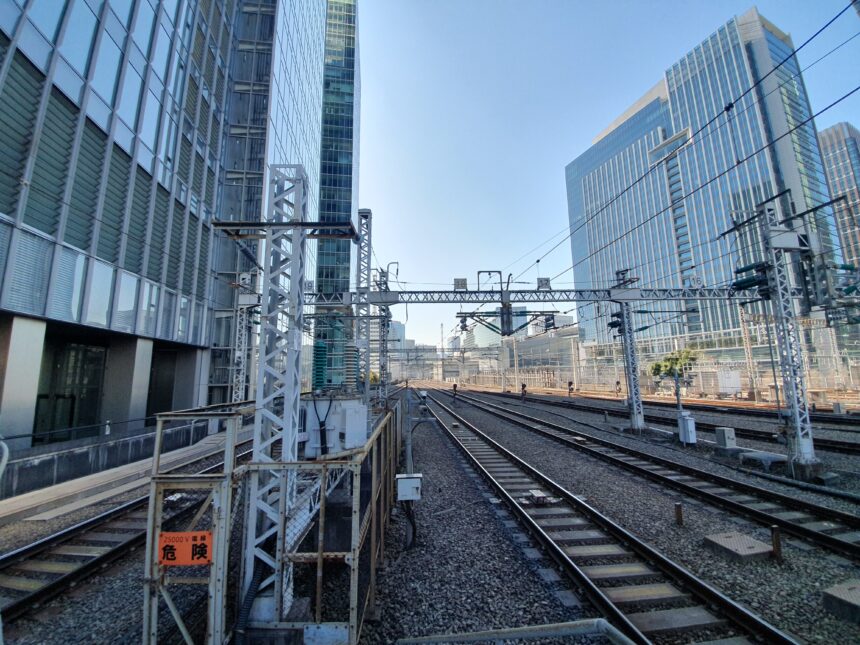
Featured image: Shinkansen platform at Tokyo Station 4 by Syced on Wikimedia Commons, public domain / CC0 1.0. Cropping or resizing may be applied for site display. The image is used in editorial transport-travel-guide context and does not imply endorsement by the creator, railway operators, station operators, or Wikimedia.
Sources
- Ministry of Land, Infrastructure, Transport and Tourism: airport list
- JNTO: Traveling by Rail
- Haneda Airport Passenger Terminal: Observation Deck
- Kyoto Railway Museum official English site
- Wikimedia Commons image file and license record
Editorial disclosure: This is an independent planning guide. It is not affiliated with MLIT, JNTO, Haneda Airport, Kyoto Railway Museum, airport operators, railway operators, Wikimedia, the photographer, or vehicle owners.