Choose by drink, place, and pace
Short answer: sake, Japanese wine, and fermentation travel can add a memorable food-culture layer to a Japan trip, but the best choice depends on region, language support, tasting rules, transport, and how much drinking your group actually wants to do. Start with one anchor: a sake brewery district, a Japanese wine region, or a fermentation town.
Last checked: August 20, 2026. Tours, tastings, winery and brewery hours, prices, English-speaking staff, restaurants, event dates, transport access, and age-check rules can change. In Japan, alcohol is for people aged 20 and over.
Three ways to build the trip
| Theme | Best first use | Start here |
|---|---|---|
| Sake breweries | Travelers who want craft, water, rice, koji, tasting, and old brewing towns | Sake Brewery Tours in Japan for English-Speaking Travelers |
| Japanese wine | Food travelers who want vineyards, regional grapes, wineries, and restaurant pairings | Japanese Wine Travel Guide for First-Time Visitors |
| Broader food experiences | Travelers choosing between cooking, tea, sake, wine, markets, and farm visits | Hands-On Japanese Food Experiences |
| Fermentation towns | Non-drinkers, families, repeat visitors, and food-culture travelers | Future guides: miso, soy sauce, vinegar, koji, pickles, and local cooking |
Sake is about more than tasting
The Japan Travel and Tourism Association describes sake brewery tourism as getting closer to the source: the people who make sake, local cuisine, and regional traditions. JNTO also notes that brewery tours are one of the best ways to understand sake styles and production.
For first-time travelers, the practical decision is whether you want an English-guided tour, a self-guided museum, a tasting counter, or a walk through a sake district such as Nada, Fushimi, or Saijo. Do not assume that every brewery accepts visitors or that English support is available every day. Use official pages and local tourism offices before booking.
Japanese wine is the next strong branch
The Japan Wineries Association describes Japanese wine as diverse, with major production areas including Yamanashi, Hokkaido, Nagano, and Yamagata. Yamanashi is usually the easiest first region because it has a long winemaking history, many wineries, and a clear Koshu grape identity.
Yamanashi Prefecture states that the region has around 90 wineries and about 30% of Japan’s wine production. That makes it a natural first article cluster: Yamanashi overview, Katsunuma cellar walks, English-supported winery visits, and non-driver transport routes. Nagano, Hokkaido, and Yamagata can become follow-up branches as the wine section grows.
Fermentation travel keeps the theme wider
Not every food-and-drink traveler wants alcohol. Fermentation travel can include miso, soy sauce, vinegar, koji, pickles, amazake, local markets, cooking workshops, and factory museums. This branch is useful for families, non-drinkers, and travelers who want food culture without building the day around tasting.
Future fermentation guides should be region-first rather than random lists. Good directions include soy sauce towns, miso breweries, vinegar makers, koji workshops, and local food streets where the tasting experience includes both drinkers and non-drinkers.
Safety and booking rules
The National Tax Agency states that Japan’s alcohol age restriction remains 20 and that drinking by people under 20 is prohibited by law. Bring ID if age verification may be requested, and do not plan tasting for anyone under 20.
Do not drink and drive. Sake and wine regions can be spread out, and a rental car can look convenient, but tasting and driving do not mix. Use trains, buses, taxis, guided tours, or a non-drinking driver. If transport is difficult, choose a station-area tasting room, museum, or restaurant pairing instead of a rural multi-stop plan.
Also check scent rules, photography rules, hygiene rules, allergies, food restrictions, cancellation terms, and whether non-drinkers can join. A good food-culture day should still work if someone chooses not to drink.
How this hub will grow
This light hub starts with two drink-focused child guides: sake brewery tours and Japanese wine travel. If the question is broader than alcohol, start with Hands-On Japanese Food Experiences for cooking classes, tea, markets, farms, sake, and wine in one chooser page.
Next branches can go deeper into Nada, Fushimi, Saijo, Yamanashi wine, Nagano wine, non-drinker brewery trips, and fermentation towns.
Keep this hub as the stable chooser page. Put changing operator details, event dates, tour prices, and reservation conditions in child articles or current-info pages where they can be updated without rewriting the whole section.
Photo credit
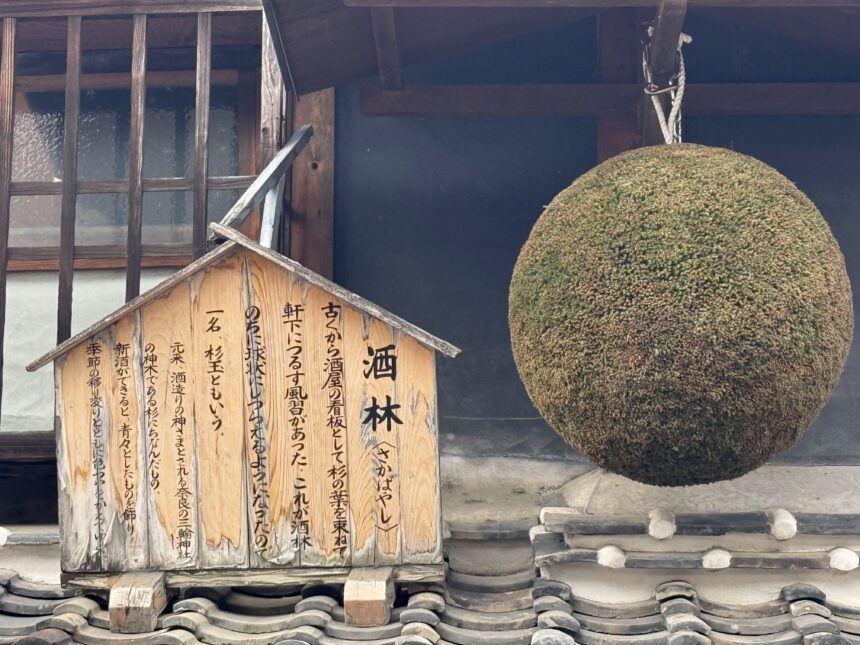
Featured image: Sakabayashi (Sugidama) at Chiyonosono Sake Brewery by Makoragi on Wikimedia Commons, CC BY 4.0. Cropping or resizing may be applied for site display. The image is used in editorial food-and-drink travel-guide context and does not imply endorsement by the brewery, photographer, Wikimedia, or tourism organizations.
Sources
- Japan Travel and Tourism Association: What is Sake Brewery Tourism?
- JNTO: All-Access Sake
- Japan Wineries Association: What is Japanese Wine?
- Yamanashi Prefecture: wine
- National Tax Agency: prevention of drinking by people under 20
- Wikimedia Commons image file and license record
Editorial disclosure: This is an independent planning guide. It is not affiliated with JNTO, the Japan Travel and Tourism Association, the Japan Wineries Association, Yamanashi Prefecture, the National Tax Agency, breweries, wineries, tour operators, Wikimedia, or trademark owners.