Do not treat “English-friendly” as one thing
Short answer: Japan has excellent sake brewery travel, but English support varies a lot. Some places offer English-guided tours, some have English brochures or display panels, some are self-guided museums, and some are mainly tasting counters or shops. Before you go, confirm the exact type of English support, reservation rules, tasting rules, transport, and alcohol-age requirements on official pages.
Last checked: August 28, 2026. Brewery tours, English-speaking staff, tasting menus, opening days, prices, reservations, photography rules, seasonal products, food-pairing programs, and transport access can change. In Japan, alcohol is for people aged 20 and over.
Choose the right kind of sake visit
| Visit type | Best for | What to confirm |
|---|---|---|
| English-guided brewery tour | Travelers who want explanation, production context, and questions answered | Tour language, dates, reservation method, minimum age, group size, tasting rules |
| Self-guided museum | First-timers, non-drinkers, rainy-day plans, families with adults who drink | English panels, opening calendar, admission, tasting availability, shop access |
| Sake district walk | Travelers who want townscape, small tastings, food, and several stops | Which breweries accept visitors, closing days, public transport, luggage storage |
| Tasting room or sake bar | Visitors who mainly want to compare styles | Age check, tasting fees, food pairing, non-alcohol options, last order time |
| Food-led sake experience | Travelers who want to understand sake through a meal, pairing, or local cuisine | Menu, allergy policy, alcohol alternatives, reservation deadline, cancellation terms |
| Special seasonal experience | Repeat visitors and serious food travelers | Booking window, language support, cancellation terms, clothing and hygiene rules |
If this is your travel style
Scenario 1: An English-speaking couple staying in Kyoto or Osaka
Best fit: a half-day Fushimi or Nada-Gogo plan by train, with one museum or brewery facility, one tasting stop, and one meal. This gives you sake context without turning the day into a checklist of labels and bottles.
Check opening days first, then language support. If the main site offers English displays but not an English-speaking guide, the experience can still work if you want a slower self-guided visit. If you want to ask detailed brewing questions, choose an explicitly guided option.
Scenario 2: A Hiroshima traveler who wants a compact sake district
Best fit: Saijo, because the brewery street is close to JR Saijo Station and works as a walking-focused plan. Choose this if you want townscape, water, breweries, tasting, and a regional story in one area.
Do not overpack it after Hiroshima Peace Memorial Park or Miyajima on the same day. Sake travel is better when you have time to eat, drink water, and leave before train connections become tight.
Scenario 3: A group with non-drinkers or under-20 travelers
Best fit: a museum, old town walk, shop, restaurant, or fermentation-focused visit where tasting is optional. Japan’s legal drinking age is 20, and under-20 travelers should not be placed in a plan where tasting is the whole point.
Look for architecture, brewing history, local water, rice culture, sweets, lunch, and shopping. A mixed group will enjoy the day more if the non-drinking part is not treated as an afterthought.
Scenario 4: A rural-road-trip traveler
Best fit: a non-drinking brewery visit, a shop stop, or a plan with a designated sober driver. If tasting is important, switch to public transport, taxi, or a guided tour. Do not build a rental-car day around alcohol tasting.
Rural breweries can be wonderful, but they often need more planning: opening days, parking, language, tasting rules, reservation deadlines, and return transport. If any of those pieces are unclear, choose an urban sake district instead.
What a brewery tour teaches you
JNTO notes that sake is made from rice, koji, yeast, and water, and that brewery tours help visitors understand why rice variety, polishing, water, fermentation, and serving temperature affect flavor. That is the real value of a good sake visit: it turns a drink list into a local story.
The Japan Council for Promotion of Sake Brewery Tourism frames sake brewery tourism as getting closer to the source: the people who make sake possible, local cuisine, and regional traditions. That is a useful mindset. A brewery visit is not only about tasting. It can also be about architecture, water, rice, fermentation, seasonal work, local food, and the relationship between a brewery and its town.
Good first regions to consider
Nada-Gogo, Kobe and Nishinomiya: VISIT KOBE describes Nada-Gogo as a leading sake-production area extending from Kobe City to Nishinomiya City, with five sake-brewing villages. It is a practical choice for travelers based in Kobe, Osaka, or Kyoto because several museums, shops, and brewery-related facilities are concentrated in an urban rail corridor.
Fushimi, Kyoto: Fushimi is useful when you want sake culture without leaving Kyoto. The Fushimi Sake Brewers Association’s English guide lists tasting venues, sake-related museums, and places where visitors can compare Fushimi sake. It is a good fit for travelers who want a softer half-day plan around history, water, tasting, and shopping rather than a full production tour.
Saijo, Higashihiroshima: The official Higashihiroshima tourism site describes Saijo Sake Brewery Street as a short walk from JR Saijo Station, where seven breweries gather among white storehouses and red-brick chimneys. Its FAQ also notes that various tours, including sake tasting experiences tailored for international visitors, are available. Saijo works especially well if you are already spending time in Hiroshima.
Selected English-tour breweries: JNTO’s sake guide highlights selected breweries around Japan that offer tours in English. Treat that as a starting point, not a final booking page. Go from the tourism overview to the current brewery or tour operator page, then confirm date, language, reservation, and tasting details.
How to verify English support
When a page says “English available,” ask what that actually means. An English brochure is helpful, but it is not the same as an English-speaking guide. English display panels are useful in a museum, but they may not cover the active production area. A tasting room may have English menus, but the staff on a given day may not be able to explain brewing in English.
Before booking, look for five details: tour language, whether reservations are required, whether tasting is included, whether non-drinkers can join, and whether the site asks visitors to avoid strong scents or follow hygiene rules. If the official page is unclear, contact the brewery or tourism office rather than assuming.
When a food-led sake experience is better
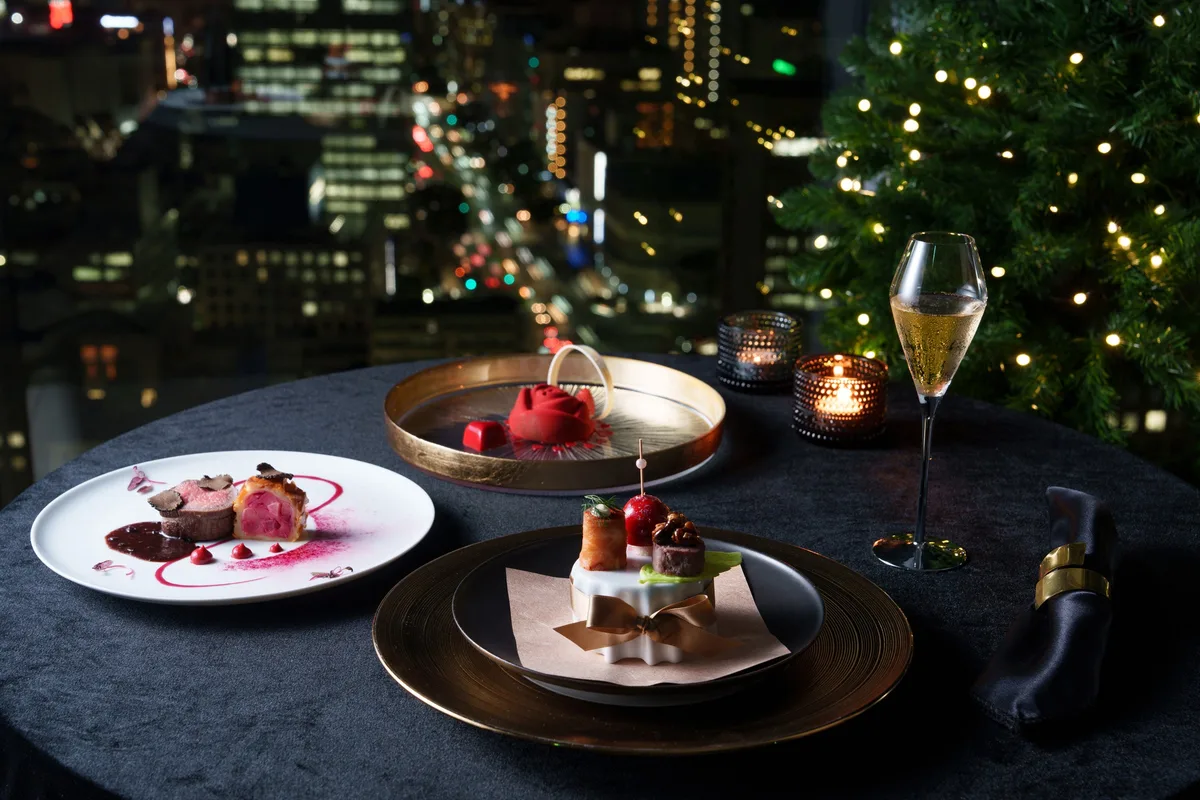
A production tour is not always the best first sake experience. Some travelers learn more from a guided tasting with small dishes, a brewery district lunch, or a local restaurant that explains why a certain sake fits the food. This can be especially useful for mixed groups where not everyone wants a factory-style tour or a long tasting session.
Check the food side as carefully as the drink side. Menus, pairings, allergy handling, vegetarian options, non-alcohol choices, and cancellation rules can change. If the official listing does not clearly explain the meal, ask before booking rather than assuming that a sake experience will work like a regular restaurant reservation.
Alcohol safety and transport
The National Tax Agency states that Japan’s alcohol age restriction remains 20 even though the civil age of adulthood was lowered to 18, and that drinking by people under 20 is prohibited by law. Bring ID if age verification may be requested, and do not try to join a tasting if you are under 20.
Plan brewery visits by train, bus, taxi, walking route, or guided tour. Do not drink and drive, and do not plan a rental-car day around tasting. The Fushimi Sake Guide also states “Don’t drink and drive” and gives the legal drinking age as 20. If you want to visit rural breweries, choose a non-drinking driver, a taxi plan, or a tour that handles transport.
Drink slowly, eat food, drink water, and stop before the day stops being enjoyable. It is perfectly acceptable to spit, skip tasting, share impressions without drinking much, or buy a bottle for later instead of tasting everything on site.
Non-drinkers can still enjoy sake culture
A sake brewery trip can still work for non-drinkers. Look for museums, architecture, shop areas, koji or fermentation exhibits, local sweets made with sake lees, restaurants, spring-water points, old townscapes, and food-pairing explanations. Nada, Fushimi, and Saijo all have enough town or museum context to make the visit broader than drinking.
If you are traveling as a mixed group, choose one sake anchor and one nearby food, history, or walking stop. That keeps the day comfortable for people who drink, people who do not, and people who mainly came for the town.
Best first-time pattern
For a first sake trip, choose a district rather than a long list of breweries. In Kansai, Nada-Gogo and Fushimi are the easiest starts. In Hiroshima, Saijo is strong because the sake district is close to the station. If you specifically want an English-guided production tour, start with official tourism examples, then verify the current operator page before you build the itinerary around it.
The best sake brewery day is not the one with the most tastings. It is the one where the language support, transport, pace, food, and legal requirements all fit the traveler.
Use This With Related Guides
Use this sake guide with Sake, Wine, and Fermentation Travel in Japan. If you want a broader food-activity map, read Hands-On Japanese Food Experiences in Japan. For non-sake tasting routes, compare with Japanese Wine Travel Guide or Tea Picking and Tea Farm Experiences in Japan.
Photo credit
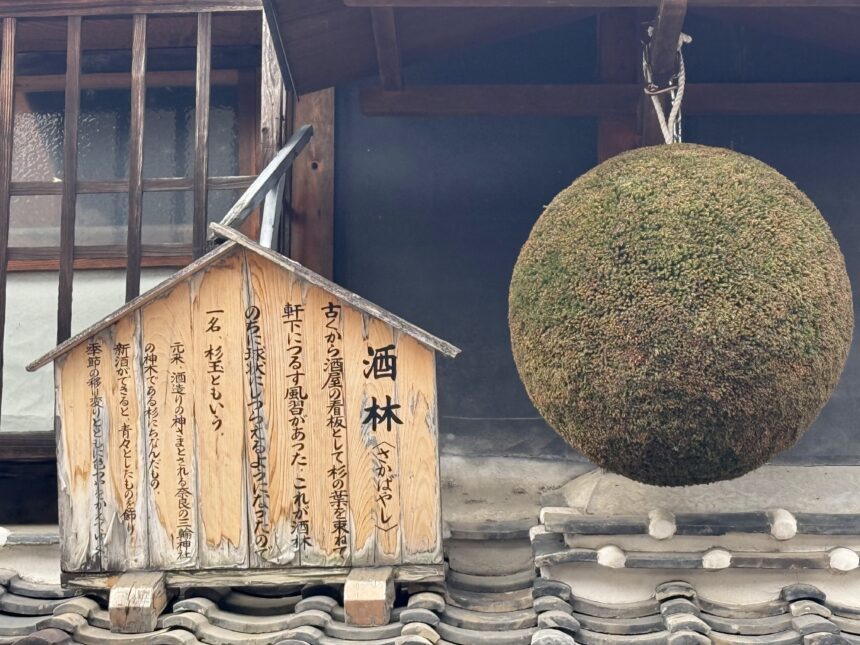
Featured image: Sakabayashi (Sugidama) at Chiyonosono Sake Brewery by Makoragi on Wikimedia Commons, CC BY 4.0. Cropping or resizing may be applied for site display. The image is used in editorial sake-travel-guide context and does not imply endorsement by the brewery, photographer, Wikimedia, or tourism organizations.
Sources
- JNTO: All-Access Sake
- Japan Travel and Tourism Association: What is Sake Brewery Tourism?
- VISIT KOBE: Nada-Gogo sake story
- KYOTO FUSHIMI Sake Guide: Tasting
- VISIT Higashihiroshima
- National Tax Agency: prevention of drinking by people under 20
- Wikimedia Commons image file and license record
Editorial disclosure: This is an independent planning guide. It is not affiliated with JNTO, the Japan Travel and Tourism Association, VISIT KOBE, the Fushimi Sake Brewers Association, VISIT Higashihiroshima, the National Tax Agency, breweries, tour operators, Wikimedia, or trademark owners.