Start with the type of railway heritage
Short answer: Japan is excellent for railway heritage, but “vintage train” can mean very different things. A first-time visitor should choose between museums, preserved steam locomotives, retired local trains, scenic electric railways, and design-led sightseeing trains. Then check official pages for the current timetable, tickets, operation notices, museum rules, and photography rules.
Last checked: August 28, 2026. Museum hours, ticket rules, train operation, seat availability, maintenance closures, weather disruption, events, onboard food, and platform rules can change. Use this as an evergreen heritage-planning guide, then confirm live timetables and tickets with each official operator.
Five ways to plan a vintage train day
| Experience type | Good for | What to check officially |
|---|---|---|
| Railway museum | Historic rolling stock, rainy-day plans, families, first-time rail fans | Opening calendar, ticket rules, exhibit access, simulator reservations, photography rules |
| Operating steam or dynamic preservation | Seeing railway heritage move, hearing and feeling older technology | Operation dates, reservation method, locomotive status, delays, weather, line closures |
| Retired local trains | Slower countryside rides, retro stations, regional railway atmosphere | Timetable frequency, connection times, train type, rural transport backup |
| Scenic local railway walk | Short rail-and-town days around places such as Kamakura and Enoshima | Crowding, station exits, safe photo behavior, IC card or ticket rules |
| Design or sightseeing train | Travelers who want the train itself to be part of the experience | Seat reservations, operating calendar, boarding station, meal reservations, pass validity |
Museum-first choices
If you want the most reliable first railway heritage day, start with a museum. Museums make it easier to see many periods of Japanese railway history in one place, and they are less vulnerable to train-operation changes than a single special ride.
Kyoto Railway Museum describes itself as a hub of railway culture and opened in 2016 as the expanded and renovated successor to the Umekoji Steam Locomotive Museum. It fits travelers who are already using Kyoto as a base and want a strong steam-locomotive and railway-history angle without building the whole day around one operating train.
The Railway Museum in Omiya, Saitama is a strong Tokyo-area choice. Its official English page describes five themed “stations” and a Rolling Stock Station with 36 different rolling stock on display, from Locomotive No. 1 connected with Japan’s first railway in 1872 to Shinkansen exhibits. For a rail fan staying in Tokyo, this is often easier than trying to chase a distant train ride on a tight itinerary.
In Nagoya, SCMAGLEV and Railway Park is useful for travelers who want the technological arc from conventional rolling stock to maglev. The official page highlights simulators, a large diorama, and 39 rolling stock displays including Maglev and conventional rolling stock.
Riding heritage is higher update
Riding an old or heritage train is exciting, but it is also where planning gets fragile. A locomotive may be under maintenance, a line may be disrupted, seats may be sold out, or the train shown in old photos may not be the train operating on your travel date.
Oigawa Railway is one of the clearest examples of railway heritage as a living operation. Its official English page explains the idea of “Dynamic Storage”: preserving steam locomotives by operating them, supported by specialized maintenance skills. The same operator also describes local trains where retired trains from around Japan begin a second career, with details such as rare hard-card tickets and retro station atmosphere.
That makes Oigawa appealing for railway fans, but it also means you should plan from the official timetable and current notices, not from a generic travel article. This page should not be treated as a live operation calendar. Build extra time into the day, especially if you are connecting from Tokyo, Nagoya, or Shizuoka.
Scenic rail is not always vintage, and that is fine
Some of the best railway days are not about age alone. The Enoshima Electric Railway, often called Enoden, links Fujisawa, Enoshima, and Kamakura. The short line works well as a rail-and-walk day because the train connects seaside scenery, temples, local streets, and compact stations. Treat it as a scenic local railway experience rather than a museum of old trains.
JR Kyushu’s Design & Story sightseeing trains show another direction. The official JR Kyushu page describes these trains as distinctive sightseeing trains with designed exteriors and interiors, where the ride itself is part of the experience. They are not necessarily “old trains,” but they are very relevant for travelers who care about train design, regional storytelling, and the feeling of the journey.
Safety and photography etiquette
Railway travel attracts careful photographers, but the basic rule is simple: no photo is worth unsafe behavior. Stay behind platform lines, keep away from crossings when alarms are active, do not enter tracks, yards, service roads, private land, or staff-only areas, and do not block passengers, station staff, drivers, or local residents.
Use official viewing areas and follow posted rules on tripods, flash, drones, commercial photography, and museum interiors. If a platform is crowded, lower the camera and move with the flow. In residential areas, avoid lingering outside homes or shops just because a train passes nearby.
Best first-time pattern
If you are in Kyoto or Osaka, start with Kyoto Railway Museum and add a separate scenic ride only if your route already makes sense. If you are in Tokyo, The Railway Museum in Omiya is the simplest serious railway day, while Enoden is better when you want a Kamakura and seaside walk. If you are in Nagoya, SCMAGLEV and Railway Park pairs naturally with a central Japan route. If you are planning Kyushu, look at JR Kyushu’s sightseeing trains early because reservations and operation days can shape the itinerary.
For a first railway heritage trip, choose one anchor experience and make the rest of the day easy. Railway fans can always add more later. The best trip is not the one with the longest list of trains; it is the one where the train, the place, and the schedule still feel enjoyable when real-world operations change.
Use This With Related Guides
Use this railway heritage guide with Japan Transport Fan Travel Guide. If the trip includes airport viewing, compare with Japan Airports Guide and Nearby Travel Ideas. For food around rail travel, read Ekiben and Station Food for Rail Fans.
Photo credit
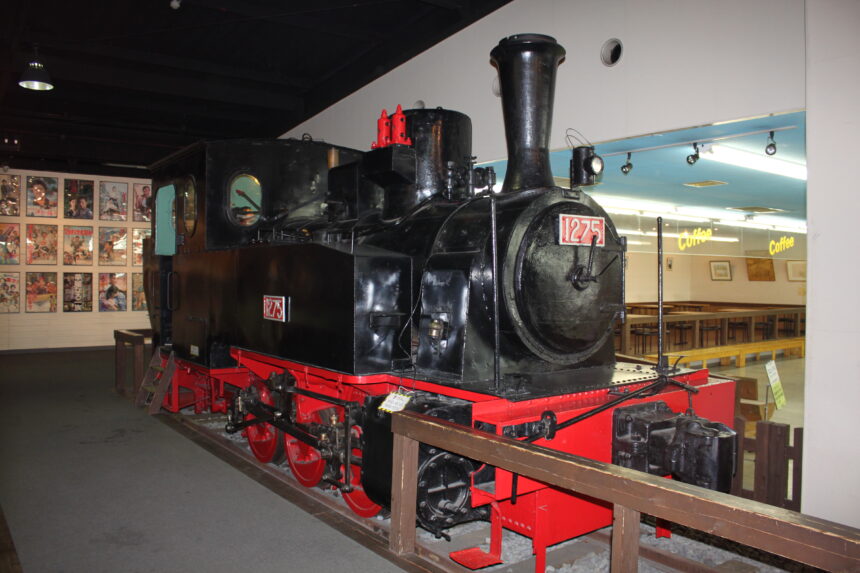
Featured image: OigawaRailway1275a by Kone on Wikimedia Commons, CC BY 3.0. Cropping or resizing may be applied for site display. The image is used in editorial railway-heritage travel-guide context and does not imply endorsement by the photographer, Oigawa Railway, operators, museums, or Wikimedia.
Sources
- Kyoto Railway Museum: About Us
- The Railway Museum, Saitama
- SCMAGLEV and Railway Park
- Oigawa Railway: SL Storage
- Oigawa Railway: Local Trains
- JR Kyushu: Train Varieties
- Enoshima Electric Railway
- Wikimedia Commons image file and license record
Editorial disclosure: This is an independent planning guide. It is not affiliated with Kyoto Railway Museum, The Railway Museum, SCMAGLEV and Railway Park, Oigawa Railway, JR Kyushu, Enoshima Electric Railway, railway companies, museums, vehicle owners, or trademark owners.