Tea picking and tea farm visits are different from a tea ceremony in a city tearoom. A tea ceremony focuses on hospitality, utensils, movement, silence, and the meaning of serving matcha. A tea farm experience puts the landscape, growers, harvest season, processing, weather, and rural access at the center of the day.
Last checked: August 28, 2026. Tea harvest timing, farm visits, access, prices, weather, clothing rules, language support, and booking conditions can change. Confirm the current official farm, operator, or tourism page before booking.
Both can be excellent, but they solve different travel questions. Use this guide when you want to stand near tea fields, learn how tea is grown, drink tea in its production landscape, or decide whether a seasonal tea-picking activity is realistic for your route.
Choose The Tea Experience First
| Format | Best for | Check first |
|---|---|---|
| Tea ceremony | Travelers who want etiquette, hospitality, matcha, and a quiet cultural format | Posture, language, dress, duration, sweets, and photo rules |
| Tea tasting | Travelers who want to compare sencha, matcha, hojicha, or regional teas | Tea types, language support, caffeine, and food pairing |
| Tea terrace | Travelers who want scenery with a relaxed tea service | Weather, access, reservation, cancellation, and photography rules |
| Tea farm visit | Travelers who want production context and rural scenery | Access, host instructions, walking surface, weather, and language support |
| Tea picking | Travelers who want a seasonal hands-on activity | Season, clothing, rain policy, age rules, reservation deadline, and what is included |
Good First Regions
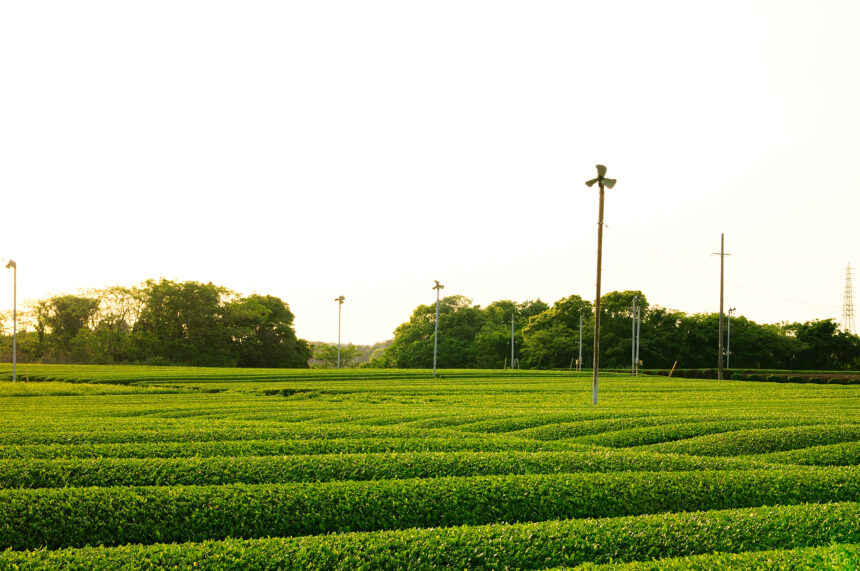
Shizuoka: JNTO introduces Shizuoka green tea through regional food culture and the Chagusaba farming system, where tea fields and managed grasslands are connected. Shizuoka City’s official tourism site describes tea tourism as visiting tea farmers and tea merchants to enjoy tea in places visitors normally do not see. This makes Shizuoka one of the strongest choices for travelers who want production landscape, farms, terraces, and rural tea culture.
Uji, Kyoto: JNTO describes Uji as a town famous for tea, tea ceremony, tea shops, riverside walking, and hands-on tea workshops. Uji is usually easier to add to a Kyoto itinerary than a deeper rural farm day. Choose Uji when you want tea culture with a manageable day-trip structure.
Other tea areas: Tea is grown in many regions, including Kagoshima, Kyoto, Shizuoka, Mie, Fukuoka, and others. For a first article-level plan, do not chase every prefecture. Choose one region that fits your route, then verify the current official listing for the exact farm, museum, workshop, or tourism program.
Season And Weather Matter
Tea picking is seasonal. Official tourism pages may list spring, early summer, autumn, or specific program periods, but those dates can change by farm, weather, crop condition, and year. Treat any seasonal range as a lead, not a guarantee.
Weather affects comfort and availability. Tea fields can mean sun, humidity, mud, slopes, insects, and limited shade. If the activity is outdoors, check rain policy, cancellation policy, shoes, hat, towel, water, and whether umbrellas are allowed in the field. A tea terrace or indoor tasting may be a better fit in extreme heat, heavy rain, or a tight travel day.
Booking And Access Checks
Before booking, confirm the meeting place, access from the nearest station, taxi availability, parking rules, start time, finish time, group size, language support, payment method, cancellation terms, and what happens if you arrive late. Rural access can be the hidden difficulty: a place that looks close on a map may require a taxi, local bus, or host pickup.
Also check what the experience includes. Some programs focus on picking leaves, some include tea preparation, some include sweets or snacks, some sell tea afterward, and some are more like a scenic tea service than farm work. If you care about hands-on participation, verify that before paying.
Etiquette In The Tea Fields
A tea farm is a workplace. Stay on permitted paths, do not enter fields without permission, avoid touching equipment, and follow the host’s instructions about where to stand, pick, wash hands, or take photos. If people are working nearby, avoid photographing them as the main subject unless you have permission.
Tea picking is also not a costume photo session unless the host clearly offers that format. Some official tourism listings include clothing rental or staged visitor photos; others are working farms with simpler rules. Match your expectations to the specific program.
How It Fits With Tea Ceremony
If you have time for only one tea activity in Kyoto, a tea ceremony may be the easiest and most culturally focused choice. If you want production, landscape, and a slower rural memory, a tea farm or tea terrace may be more satisfying. If you are serious about tea, doing both can be excellent: one experience teaches how tea is served, the other shows where tea comes from.
For a formal matcha-focused experience, see Tea Ceremony Experience in Japan for First-Time Visitors.
Simple Planning Pattern
For a first tea farm day, choose one region, one official program, and one meal or station backup nearby. Do not stack multiple rural reservations unless you already understand local transport. Protect enough time to return to the station, especially if the activity ends near evening.
The best tea farm experience is not the one with the most stops. It is the one where the season, host, weather, access, clothing, language support, and pace all fit your trip.
Use This With Related Guides
Use this tea-farm guide with Hands-On Japanese Food Experiences in Japan. If you want a quieter indoor format, compare with Tea Ceremony Experience in Japan. For fermented-drink routes, read Sake, Wine, and Fermentation Travel in Japan.
Photo Credit
Featured image: Tea plantation in Shizuoka.jpg by ajari via Wikimedia Commons, licensed under CC BY 2.0. Cropping or resizing may be applied for site display. Image use does not imply endorsement by the photographer, Wikimedia, tea farms, tourism organizations, or official bodies.
Sources
- JNTO: Japan’s Food Culture
- Shizuoka City official tourism: Shizuoka, the home of tea
- Ochanomachi Shizuoka official tea tourism
- Hello Navi Shizuoka: tea-picking experience feature
- JNTO: Uji
- Uji City official tea page
- FAO GIAHS: Traditional Tea-grass Integrated System in Shizuoka, Japan
- Wikimedia Commons image file and license record
Editorial Disclosure
This independent guide is not affiliated with or endorsed by the tea farms, tourism organizations, municipalities, FAO, Wikimedia, or official bodies mentioned. Always confirm current dates, prices, reservation rules, access, weather policy, and language support on the official listing before travel.