Choose a beginner-friendly format
Short answer: a tea ceremony in Japan can be a formal cultural practice, a short visitor session, a tea house experience, a kimono combination, or a tea-producing-area activity. First-time visitors should choose by duration, posture, language support, formality, photography rules, sweets, caffeine, and how calmly it fits into the day.
Last checked: August 28, 2026. Session format, English support, dress rules, seating, photography, cancellation terms, and operator details can change. Confirm the current official page before booking.
What tea ceremony means for travelers
JNTO describes the Japanese tea ceremony as the ritual preparation and presentation of matcha powdered green tea. It is also known as chanoyu or sado. The point is not only drinking tea. The experience includes the host’s movements, the utensils, the room, the guest’s receiving etiquette, seasonal sweets, and the spirit of hospitality often described as omotenashi.
For a visitor, the most important decision is how formal the experience should be. A full ceremony can last several hours and may involve detailed etiquette. Many venues also offer abbreviated sessions that are easier for foreign guests and first-time travelers.
Compare common tea ceremony formats
| Format | Best for | Check before booking |
|---|---|---|
| Short visitor session | First-time travelers with a packed itinerary | Language, duration, seating, group size, and cancellation terms |
| Formal ceremony | Travelers who want depth and a slower cultural experience | Length, dress, posture, meal or sweets, and etiquette expectations |
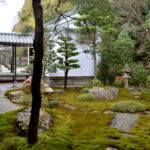
| Tea house or garden experience | Travelers who want atmosphere with lighter participation | Garden entry, tea service hours, photography, and crowd timing |
| Kimono combination | Visitors who want a dressed-up cultural activity | Changing time, walking comfort, weather, photos, and return rules |
| Tea-producing-area experience | Travelers interested in matcha, green tea, farms, or museums | Access, harvest season, tasting format, and English support |
If this is your travel style
Scenario 1: First-time Kyoto visitors with one open afternoon
Best fit: a short beginner session near a garden, temple, or central station area. Choose a place that clearly states the duration, meeting point, language support, and whether chairs are available. Avoid a highly formal multi-hour ceremony unless the ceremony itself is the main purpose of the day.
Plan it with breathing room. A calm tea experience can become stressful if you arrive directly from a crowded bus, a luggage transfer, or a strict dinner reservation.
Scenario 2: A traveler who cannot kneel comfortably
Best fit: a chair-supported or relaxed-seating session. The key question is not whether the experience is “authentic” in a vague sense. It is whether the host can welcome you without pain, embarrassment, or last-minute rearranging.
Before booking, ask directly: “Can guests use chairs or avoid seiza?” If the answer is unclear, choose another provider or a tea house visit where the physical requirement is lighter.
Scenario 3: A family with children
Best fit: a short demonstration or visitor-friendly session with clear age guidance. Children may enjoy sweets, matcha whisking, utensils, and the quiet room, but a long formal session can be too much if they are tired or hungry.
Check age limits, stroller storage, restroom access, noise expectations, food allergies, and whether photos are allowed. Put a snack or park break nearby so the ceremony is not carrying the whole afternoon.
Scenario 4: A traveler who wants photos
Best fit: a session that clearly explains photography rules before the activity starts. Some hosts may allow photos at set moments; others may restrict photos inside the room, during preparation, or when other guests are present.
If photography is the main goal, a kimono-and-tea package may fit better than a more formal ceremony. If quiet cultural attention is the goal, keep the phone away until the host says photos are welcome.
Etiquette without panic
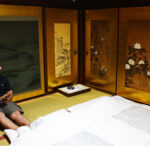
JNTO explains that guests may remove shoes, enter a tatami room, observe the host cleaning utensils in a precise order, receive a bowl, rotate it slightly, drink, and appreciate the taste and bowl. In a beginner session, the host or guide usually explains what to do. You do not need to master every movement before attending.
The best attitude is quiet attention. Watch the host, follow the guide, handle the bowl carefully, avoid loud conversation, and ask before taking photos. If you make a small mistake, keep calm. Visitor-oriented sessions expect beginners.
Posture, clothing, and comfort
Traditional tea ceremony often takes place on tatami and may involve seiza kneeling. If kneeling is difficult, ask whether chairs or relaxed sitting are available. Wear socks without holes, choose clothing that is easy to sit in, and avoid strong perfume or noisy accessories.
If the session includes kimono rental, check changing time, walking distance, weather, restroom access, and whether the kimono must be returned immediately after the ceremony. A kimono option can be memorable, but it adds time and physical constraints.
Food, caffeine, and dietary checks
Tea ceremony usually includes matcha and may include wagashi, a traditional sweet. Ask about ingredients if you have allergies or dietary restrictions. Matcha contains caffeine, so visitors who are sensitive to caffeine should choose timing carefully. If the session includes a light meal, confirm ingredients and whether substitutions are possible before paying.
Do not assume a short cultural activity can handle the same requests as a restaurant. Send a clear question in advance and keep a backup snack or meal plan nearby.
Where it fits in a trip
A tea ceremony works well before or after a garden, temple, museum, craft workshop, or quiet neighborhood walk. It works poorly when squeezed between a long train transfer and a strict dinner reservation. Leave time to arrive early, remove shoes if needed, settle into the room, and ask questions without rushing.
For the wider activity map, start with Hands-On Cultural Experiences in Japan. If you want fields, growers, tea terraces, or seasonal tea picking rather than a formal tea-room format, use Tea Picking and Tea Farm Experiences in Japan. If you want a more temple-focused activity, compare this with Zen Meditation in Japan for First-Time Visitors.
Booking checklist
- Is the session formal, abbreviated, private, small-group, or demonstration-based?
- Is English explanation available, and how much guidance is included?
- Will guests sit on tatami, kneel in seiza, or use chairs?
- Are matcha, sweets, meals, kimono, garden entry, or photos included?
- Are there allergy, caffeine, age, clothing, or mobility considerations?
- What is the exact meeting point, late-arrival rule, and cancellation deadline?
Photo credit
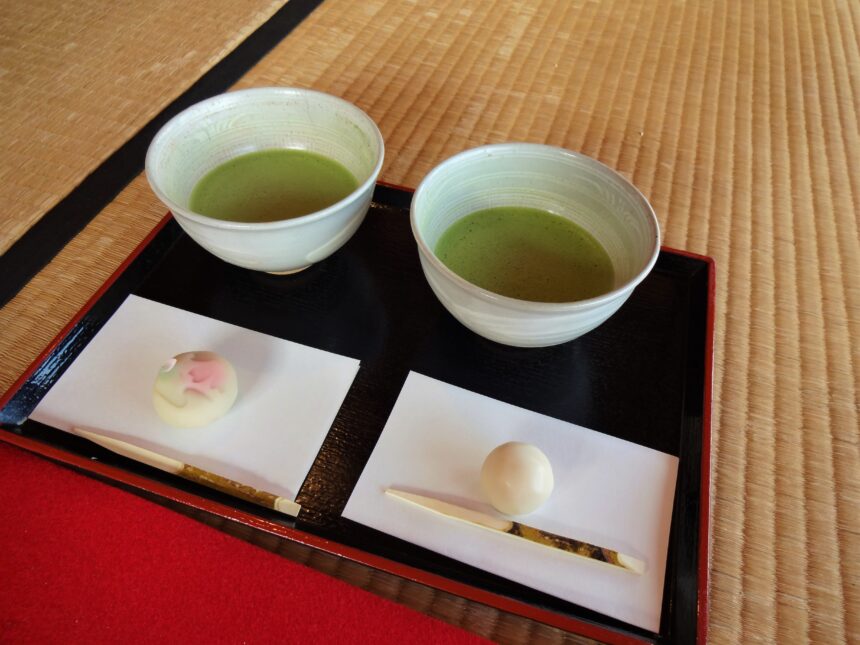
Featured image: Japanese tea tray with two cups of matcha by WorldContributor on Wikimedia Commons, licensed under CC BY-SA 4.0. The credit identifies the source image only and does not imply endorsement by the creator, Wikimedia Commons, any garden, tea school, teacher, venue, operator, or cultural organization.
Sources
- JNTO: Japanese Tea Ceremony
- JNTO: Guide to Japan’s Cultural Heritage
- JNTO: Tradition Experiences in Japan
- JNTO: Experiences in Japan
- JNTO: An Authentic Tea Ceremony and Kimono Experience
- JNTO: The Definitive Japanese Tea Experience
Editorial disclosure: This is an independent planning guide. It does not rank, sell, or guarantee any tea ceremony, tea school, venue, garden, museum, operator, or booking outcome.