Choose the kind of participation first
Short answer: the best hands-on cultural experience in Japan is the one that matches your energy, clothing, language needs, group size, and schedule. Tea ceremony, Zen meditation, calligraphy, crafts, kendo, temple stays, kimono experiences, and food workshops can all be memorable, but they ask different things from the traveler.
Last checked: August 28, 2026. Availability, language support, age limits, clothing rules, safety rules, cancellation terms, and photography permissions can change. Confirm the current operator page before booking.
Five experience formats
| Format | Good for | Check before booking |
|---|---|---|
| Observe | Theater, demonstrations, festivals, rituals from public areas | Seat rules, photography, timing, and crowd control |
| Learn | Tea ceremony, calligraphy, incense, garden or temple explanations | Language, duration, posture, shoes, and questions allowed |
| Dress | Kimono or yukata rental, dressing help, short walks, and photos | Return time, footwear, weather, sizing, luggage, and photography manners |
| Make | Pottery, textiles, knives, paper, lacquer, and local crafts, plus food experiences | Shipping, sharp tools, clothing, drying time, ingredients, and child rules |
| Move | Martial arts experiences, kendo, taiko, dance, pilgrimage walks | Physical intensity, injury risk, clothing, showers, and insurance |
| Stay | Temple stays, heritage inns, farm stays, town stays | Meals, curfew, baths, prayer or meditation schedule, and luggage |
Tea ceremony is not only about tea
JNTO’s tea ceremony guide describes the practice as a structured art of preparing and presenting matcha. For visitors, the important choice is the format. A full formal ceremony can be long and highly detailed. A shorter visitor-oriented session may be better for a first trip, especially if your group has children, mobility limits, or a packed itinerary.
Before booking, ask whether guests sit on tatami, whether chairs are available, how long the session lasts, whether English explanation is provided, and whether photography is allowed.
For a beginner-focused planning checklist, use Tea Ceremony Experience in Japan for First-Time Visitors.
Zen and temple experiences need extra care
JNTO notes that visitors can join Zen-related experiences such as zazen at some temples, but reservations are usually needed and English availability varies. Treat temple experiences as participation in a living religious setting. Arrive early, dress modestly, keep your phone quiet, and follow the instructor’s direction rather than treating the session as a performance.
Temple stays can be especially rewarding, but they are not hotels with a temple theme. Meals, baths, quiet hours, morning practices, room style, and payment methods can be different from a city hotel. Confirm the exact rules before you reserve.
For a beginner-focused planning checklist, use Zen Meditation in Japan for First-Time Visitors.
For basic conduct before entering temple spaces, read Buddhist Temple Etiquette in Japan for First-Time Visitors. For overnight lodging expectations, use Temple Stay in Japan for First-Time Visitors.
Martial arts and craft workshops
Martial arts experiences, kendo, taiko, pottery, knife-making, textiles, and other craft workshops can be excellent for travelers who want to use their hands and ask questions. They also need more practical checking. For movement-based activities, ask about intensity, protective gear, beginner suitability, changing space, and whether spectators can join. For craft workshops, ask whether the finished item can be taken home immediately or shipped later.
Do not build the whole day around an activity with uncertain transport. Keep the next stop nearby so the group can recover, eat, or adjust if the session runs long.
Booking checklist
- What exactly will each guest do, make, taste, watch, or join?
- Is the explanation in English, bilingual, translated, or mainly visual?
- Are chairs available if tatami sitting is difficult?
- Are there age, height, health, allergy, or clothing restrictions?
- Can photos be taken, and are any rooms, rituals, tools, or people off limits?
- What happens if a train delay or illness prevents arrival?
If the activity is mainly about food, use Hands-On Japanese Food Experiences as the chooser page. It separates cooking classes, tea ceremony, tea farms, sake, wine, markets, and farm visits so this broader culture hub does not have to repeat every booking detail.
Match the activity to the travel day
Use hands-on culture as an anchor, not as filler. A tea ceremony or calligraphy class can fit well before a garden walk. A temple stay deserves a quieter evening and morning. A movement-based activity such as kendo or taiko should not be squeezed between heavy sightseeing and a long transfer. A craft workshop may need time for pickup, drying, or shipping.
Families should ask about age limits and whether adults must participate with children. Older travelers should ask about stairs, sitting posture, standing time, restroom access, and how much walking is involved. Travelers with food restrictions should ask about ingredients and shared tools before paying for tea, sweets, cooking, sake, or fermentation activities.
Good next article branches
This parent guide can support more specific pages: Zen meditation for temple participation, tea ceremony for hospitality and form, temple stays for overnight cultural immersion, temple etiquette for sacred-space manners, calligraphy for a short indoor session, martial arts experiences for comparing observation, demonstrations, and beginner lessons, kendo for sword-focused movement and discipline, kimono experiences for clothing, comfort, and photography manners, and craft workshops for travelers who want to bring home something they made. Each child guide should check current operator rules again before publication.
Photo credit
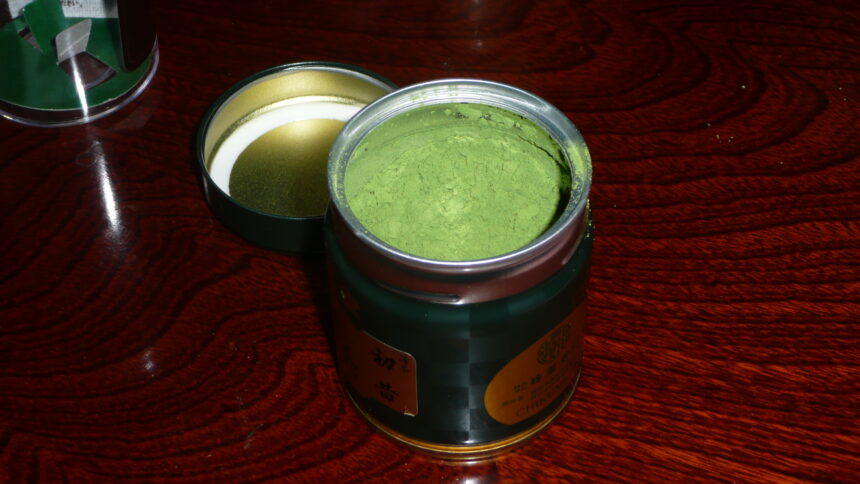
Featured image: Matcha tea by Brucke-Osteuropa on Wikimedia Commons, licensed under CC0 1.0. The credit identifies the source image only and does not imply endorsement by the creator, Wikimedia Commons, any venue, school, teacher, operator, or cultural organization.
Sources
- JNTO: Experiences in Japan
- JNTO: Tradition Experiences in Japan
- JNTO: Guide to Japan’s Cultural Heritage
- JNTO: Zen Buddhism and Meditation in Japan
- JNTO: Japanese Tea Ceremony
- JNTO: Heritage Stays
- JNTO: Responsible Photography in Japan
Editorial disclosure: This is an independent planning guide. It does not rank, sell, or guarantee any activity, operator, temple, class, reservation, or booking outcome.