Choose observation, demonstration, or practice first
Short answer: martial arts experiences in Japan are best planned by format, not by fantasy. A visitor can watch a public event, join a short demonstration, try a beginner lesson, visit a dojo through an introduction, or build a deeper trip around a specific art. Each choice has different rules for clothing, contact, language, safety, photos, and respect.
Last checked: August 28, 2026. Lessons, demonstrations, visitor rules, age limits, health restrictions, language support, photography rules, schedules, tickets, insurance, and cancellation terms can change. Confirm current details with the official federation, dojo, venue, tourism office, or operator before booking or attending.
Why martial arts travel needs care
The Japan Sports Agency treats BUDO Tourism as part of sports tourism, which can include traveling to take part in or watch sports while connecting with regional culture. JNTO also introduces martial arts such as kendo, judo, karate, and aikido as part of Japan’s sports and culture landscape.
That does not mean every class is a tourist attraction. The Nippon Budokan’s Budo Charter describes budo as training for body and mind, with courtesy, discipline, and self-control at the center. For travelers, the right approach is simple: enter the space as a guest first, and a participant second.
Compare the main visitor formats
| Format | Best for | Check first |
|---|---|---|
| Public event or tournament | Travelers who want to watch with low physical risk | Tickets, seat rules, photography, entry time, and whether visitors can understand the format |
| Demonstration | Families, mixed-age groups, and short trips | Whether guests only watch or also try basic movements |
| Beginner lesson | Active travelers who want hands-on practice | Instructor ratio, protective gear, contact level, waiver, clothing, and water breaks |
| Dojo visit | Experienced practitioners or serious learners | Introduction process, rank or experience needed, etiquette, language, and insurance |
| History plus activity | Travelers who want context before movement | How much time is talk, changing, practice, photos, and cooling down |
How to choose between arts
Kendo is a good fit for travelers interested in sword culture, armor, footwork, etiquette, and disciplined movement. The All Japan Kendo Federation describes kendo as a way to develop character through the principles of the katana and emphasizes reiho, or etiquette, along with safety and health.
Judo is better for travelers interested in throws, falls, balance, grappling principles, and the idea of using energy efficiently. Kodokan materials describe kata and randori as major practice methods, while Kodokan Global explains that judo principles are not only about fighting but also about self-improvement and society.
Karate is often attractive because Okinawa is widely connected with karate history and because many beginner formats can focus on stance, kata, basics, and controlled movement rather than free sparring. The Japan Karate Association describes kihon, kata, and kumite as foundational, and its philosophy page stresses courtesy, character, sincerity, effort, respect, and self-control.
Aikido, kyudo, naginata, iaido, and other budo paths may also be possible, but they vary greatly by location and host. For a first trip, choose a clear beginner or observation format instead of trying to collect many arts in one schedule.
Etiquette is not optional
A dojo is not just an exercise room. The Budo Charter says a dojo should be quiet, clean, safe, and solemn. In practical visitor terms, that means arriving early, removing shoes where required, keeping phones quiet, waiting for instructions, bowing when guided, and not touching weapons, armor, belts, bows, mats, drums, or training tools without permission.
Do not interrupt a class to ask for photos, jokes, extra demonstrations, or a harder challenge. If you do not understand a rule, ask calmly before acting. If the instructor, venue, or sign says no photos, no sitting, no entry, or no filming, follow that local rule.
Safety questions to ask before paying
Martial arts can involve falling, striking practice, repeated footwork, kneeling, loud voices, heat, helmets, protective gear, joint movement, or contact with another person. A visitor session should make the beginner boundary clear. Ask whether the activity includes contact, throws, falls, sparring, weapons, kneeling, running, or intense exercise.
Share relevant health limits before booking, especially knee, hip, shoulder, back, neck, heart, balance, pregnancy, recent injury, or heat concerns. Ask whether children can join, whether adults must participate with them, whether observers can sit nearby, and whether the instructor can switch a participant to observation if the activity feels too intense.
For gear, ask what is provided, what size range is available, what guests should wear underneath, whether glasses or jewelry must be removed, and who checks equipment condition. For judo or throwing-based lessons, ask how falling is taught and whether beginners practice on proper mats.
Photos, uniforms, and respect
A uniform, belt, armor, bow, sword, or dojo interior may look photogenic, but it is part of a practice setting. Ask before photographing instructors, students, other guests, children, mirrors, name boards, private rooms, religious objects, certificates, or equipment storage. Do not livestream unless the host clearly allows it.
Costume-style programs can be fun when they are honest about being theatrical or introductory. Serious dojo visits need a different tone. Avoid copy that treats teachers, students, or cultural spaces as props. The better memory is usually the attention you bring to the room, not the most dramatic photo.
Where this fits in a Japan trip
Put a martial arts activity on a day with enough recovery time. It can pair well with a castle town, sports venue, museum, garden, temple, or neighborhood dinner. It pairs poorly with a packed day of long walks, heavy meals, summer heat, or tight transfers.
Use this article with Hands-On Cultural Experiences in Japan. For a deeper sword-focused branch, use the Kendo Experience in Japan guide. If your group wants a quieter cultural day, compare with calligraphy, Zen meditation, or tea ceremony.
Booking checklist
- Is the activity observation, demonstration, beginner practice, or a serious dojo visit?
- Which art is included, and is the teacher or operator clearly identified?
- Is English instruction, interpretation, or visual guidance available?
- Are there age, height, health, mobility, rank, or experience restrictions?
- Does the session include contact, falling, sparring, weapons, kneeling, or intense exercise?
- What clothing, socks, towel, water, or underlayers should guests bring?
- What gear is provided, and who checks fit and condition?
- Can non-participating family members watch?
- Are photos or videos allowed, and are people or rooms off limits?
- What are the cancellation, delay, insurance, and waiver rules?
Photo credit
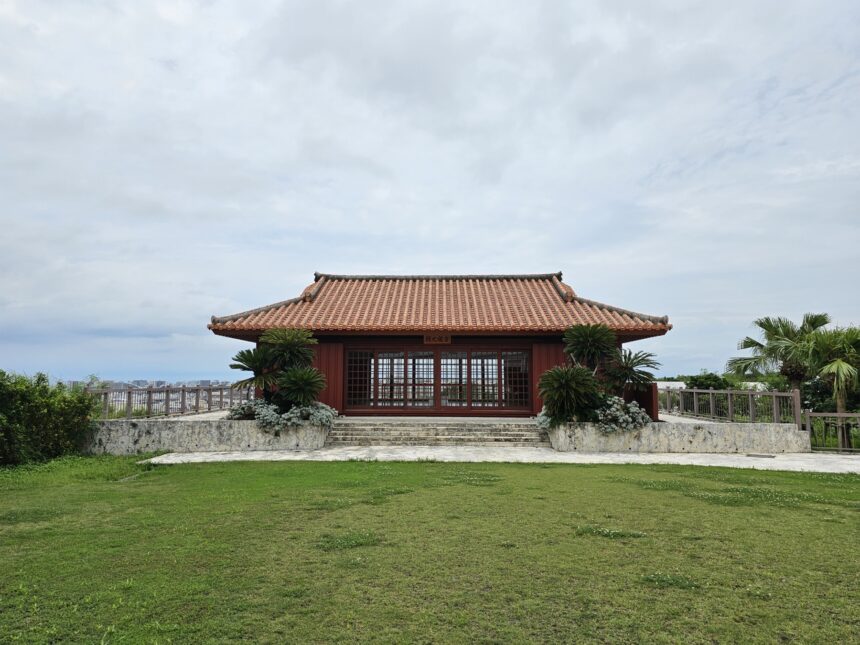
Featured image: Traditional Dojo – Karate Kaikan.jpg by Renate Hano via Wikimedia Commons, licensed under CC BY-SA 4.0. Cropping or resizing may be applied for site display. The credit identifies the source image only and does not imply endorsement by the creator, Wikimedia Commons, Okinawa Karate Kaikan, JNTO, Japan Sports Agency, Nippon Budokan, any federation, dojo, teacher, venue, or operator.
Sources
- Japan Sports Agency: Regional Revitalization through Sports Tourism
- JNTO: Japanese Sports – An Overview
- Nippon Budokan / Japanese Budo Association: The Budo Charter
- All Japan Kendo Federation: The Concept of Kendo
- All Japan Kendo Federation: Kendo Origin
- All Japan Judo Federation
- Kodokan Global: Kata
- Kodokan Global: What is Seiryoku-Zenyo?
- Japan Karate Association: Philosophy
- Japan Karate Association: Techniques
- Wikimedia Commons image file and license record
Editorial disclosure: This independent guide is not affiliated with or endorsed by JNTO, Japan Sports Agency, Nippon Budokan, the Japanese Budo Association, All Japan Kendo Federation, All Japan Judo Federation, Kodokan, Japan Karate Association, Okinawa Karate Kaikan, Wikimedia Commons, the photographer, any dojo, teacher, venue, operator, or local organization. Always confirm current activity, safety, visitor, photography, and booking rules with official sources before reserving or attending.