Choose the level of silence you want
Short answer: Zen meditation in Japan can be a short zazen lesson, a longer retreat, part of a temple stay, or a quieter temple-and-garden visit. First-time visitors should choose by posture comfort, language support, reservation rules, schedule pressure, and whether they want to participate in a religious setting or simply learn about it respectfully.
Last checked: August 28, 2026. Session times, English support, reservations, fees, clothing rules, photography rules, and visitor eligibility vary by temple or operator. Confirm the current official page before booking.
What zazen is for travelers
JNTO describes zazen as a seated meditation technique connected with Zen Buddhism. A visitor session may include an explanation, basic posture guidance, quiet sitting, a temple tour, a garden visit, sutra copying, or other practice depending on the place. The travel decision is not only “Can I meditate?” It is “Can I follow the setting calmly, comfortably, and on time?”
Zen-related experiences are not all the same. A short class may suit a first visit. A full retreat may involve stricter silence, more sitting, and a very different daily rhythm. A temple stay can include morning devotions, Buddhist meals, shared facilities, and quiet hours. A garden visit may be enough if the group wants atmosphere without formal participation.
Compare the main formats
| Format | Best for | Check first |
|---|---|---|
| Short zazen session | First-time visitors who want guided participation | Reservation, language, posture, duration, and late-arrival rules |
| Temple retreat | Travelers who want deeper silence and more structure | Daily schedule, meals, rules, physical intensity, and cancellation terms |
| Temple stay | Travelers who want an overnight cultural setting | Room type, baths, meals, payment, curfew, and morning practice |
| Temple or garden visit | Groups that want a lighter, flexible experience | Hours, photography, restricted areas, shoes, and crowd timing |
Reservations and English support
JNTO notes that reservations are usually needed for zazen lessons and that English sessions exist in many places but vary from temple to temple. Do not assume that a famous temple offers beginner sessions every day, accepts walk-ins, or can explain everything in English. Check the official page, then save the confirmation, meeting point, start time, dress notes, and cancellation deadline.
If the operator says English is limited, decide whether your group can still follow visual instruction and basic gestures. For a first attempt, a short visitor-oriented session is usually easier than a silent retreat with complex rules.
Posture, clothing, and comfort
Many zazen sessions involve sitting on a cushion, kneeling, or sitting cross-legged. If that is difficult, ask whether chairs are available. Wear clothing that is quiet, modest, and easy to sit in. Avoid strong fragrance, noisy accessories, and anything that makes standing, bowing, sitting, or removing shoes difficult.
Do not treat discomfort as a test you must pass. A beginner-friendly experience should let you learn without turning pain into the main memory. Older travelers, children, and anyone with knee, hip, back, or circulation concerns should ask about posture options before payment.
Temple etiquette
- Arrive early enough to find the entrance, use the restroom, and settle before the session starts.
- Keep your phone silent and follow photography signs carefully.
- Remove shoes where required and wear clean socks.
- Speak quietly, especially near halls, gardens, prayer areas, and residential spaces.
- Follow the instructor’s lead for bowing, sitting, walking, and ending the session.
- Do not film people, monks, rituals, or interiors unless permission is clear.
If this is your first temple visit in Japan, read Buddhist Temple Etiquette in Japan for First-Time Visitors before booking. It covers shoes, incense, photography, prayer behavior, and the difference between temples and shrines.
When a temple stay is better
A temple stay can be a stronger choice when the goal is not only meditation but a slower overnight rhythm. JNTO’s temple-stay guidance notes that rooms, meals, payment methods, alcohol rules, morning devotions, and available practices vary. Some stays may include Buddhist vegetarian cuisine, sutra copying, meditation, prayers, or garden time. Others may be closer to simple lodging in a temple setting.
Before reserving, check whether meals fit your diet, whether bathrooms are shared, whether cash is required, and whether guests are expected to join morning activities. Keep the next morning light so the stay does not become a rushed hotel checkout with spiritual decoration. If Koyasan or pilgrimage travel is the real goal, use the Koyasan and Kumano Spiritual Routes Guide before booking.
Good trip pairings
A short meditation session pairs well with a quiet garden, a simple lunch, calligraphy, tea ceremony, or a nearby historic district. It pairs poorly with a late-night arrival, heavy drinking the night before, large luggage, or an itinerary that leaves no room for delays. If the group is mixed, let non-participants choose a nearby garden, cafe, or museum rather than forcing everyone into the same activity.
For the wider activity map, start with Hands-On Cultural Experiences in Japan.
Photo credit
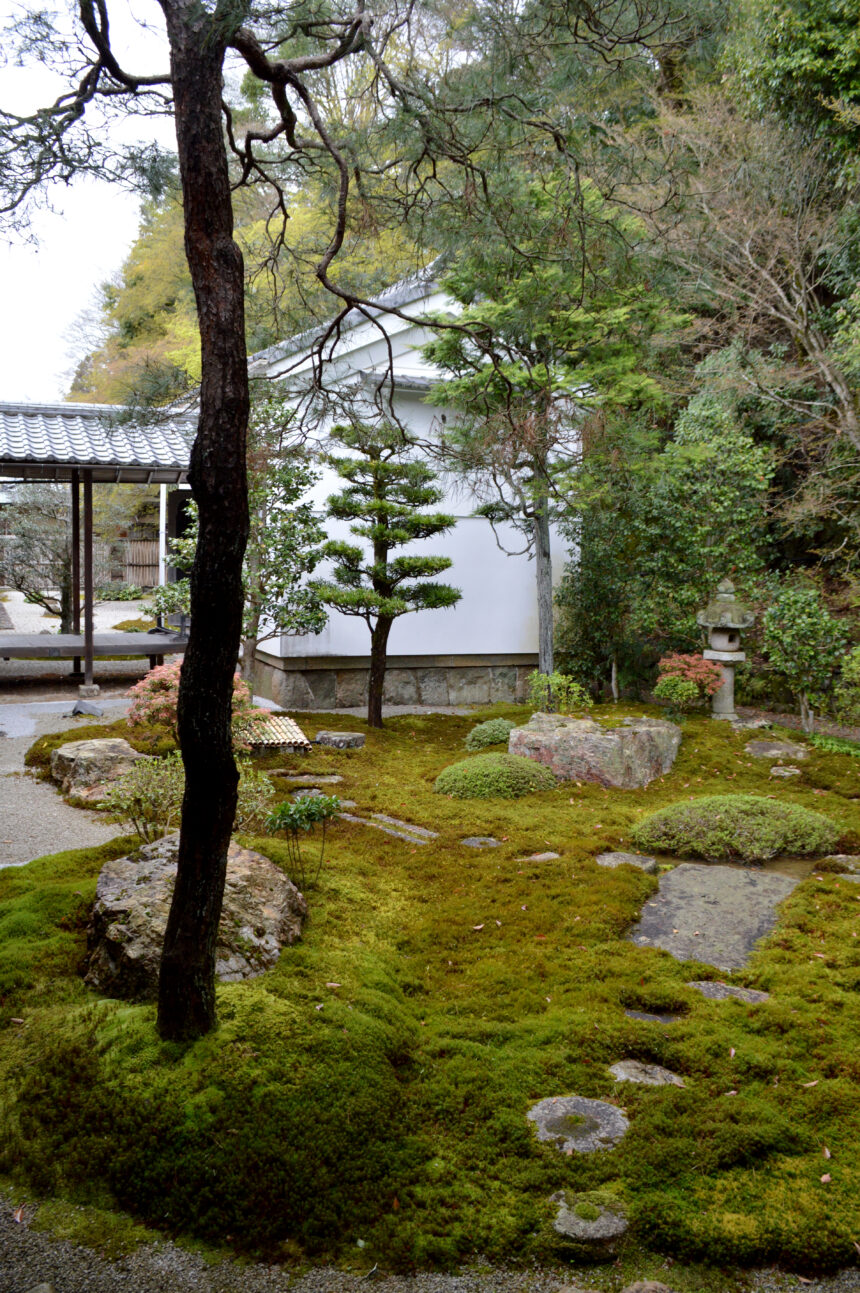
Featured image: Gengen-tei zen garden, Nanzen-ji, Kyoto, 2016 by DimiTalen on Wikimedia Commons, licensed under CC0 1.0. The credit identifies the source image only and does not imply endorsement by the creator, Wikimedia Commons, Nanzen-ji, any temple, teacher, retreat, lodging, operator, or cultural organization.
Sources
- JNTO: Zen Buddhism and Meditation in Japan
- JNTO: Shrine and Temple Traditions
- JNTO: Overnight Stay at a Temple
- JNTO: Temple Stays
- JNTO: Koyasan Shukubo
- JNTO: FAQ
Editorial disclosure: This is an independent planning guide. It does not rank, sell, or guarantee any temple, meditation session, retreat, lodging, operator, or booking outcome.