Choose between a temple stay and a pilgrimage walk
Short answer: Koyasan and the Kumano routes belong to the same World Heritage cultural landscape, but they are not the same trip. Koyasan is usually planned as a temple-town visit with Okunoin, Kongobu-ji, Danjo Garan, and possible shukubo lodging. Kumano is usually planned around shrines, buses, hot-spring villages, and walking sections of the Kumano Kodo.
Last checked: August 28, 2026. Temple guidance, shukubo availability, meal rules, photography restrictions, bus schedules, luggage services, trail conditions, weather, daylight, closures, and route safety can change. Confirm current details on official UNESCO, JNTO, Koyasan, Wakayama, Tanabe/Kumano, transport, lodging, and trail-information pages before travel.
What the World Heritage site includes
UNESCO inscribed the Sacred Sites and Pilgrimage Routes in the Kii Mountain Range in 2004, with a minor boundary modification in 2016. The property includes three sacred sites: Yoshino and Omine, Kumano Sanzan, and Koyasan. Pilgrimage routes connect them with the ancient capitals of Nara and Kyoto. UNESCO describes the cultural landscape as a meeting of Shinto, Buddhism, and mountain-worship traditions maintained for more than 1,200 years.
For travelers, the important lesson is that this is not one attraction. It is a network of forests, shrines, temples, routes, villages, rituals, and mountain landscapes across Nara, Wakayama, and Mie. A first visit should choose one clear branch instead of trying to collect every name.
Koyasan: the temple-town branch
Koyasan is the easier first choice if you want a concentrated cultural stay without committing to a multi-day hike. Many visitors focus on Okunoin, Kongobu-ji, Danjo Garan, temple lodging, vegetarian Buddhist cuisine, morning services, sutra copying, or meditation experiences. JNTO notes that Koyasan is known for shukubo, or temple lodging, where travelers can experience parts of temple life.
Visit Koyasan says 117 temples remain in Koyasan, and 51 of them offer shukubo lodging. That does not mean every shukubo works like a hotel. Check-in time, meals, bathing customs, quiet hours, language support, room type, shared facilities, food requests, and morning-service participation vary by temple. Book directly or through an official system where possible, and read the lodging rules before arrival.
Koyasan etiquette
Kongobu-ji’s official worship guidance asks visitors to dress and behave with care. It specifically emphasizes modest dress at Okunoin, warns that a shukubo yukata is for indoor use, and says photography is prohibited in designated areas. It also asks visitors not to smoke outside designated areas and not to enter holy areas or temple premises by vehicle or bicycle without prior inquiry.
This guidance matters because Koyasan is not a scenic stage set. Okunoin is a sacred area, temple halls are active religious spaces, and people may be praying, attending services, or maintaining the site. Keep your voice low, follow signs, avoid blocked paths, and never treat monks, worshippers, cemeteries, graves, or ceremonies as props.
Kumano: the walking and shrine branch
Kumano travel usually centers on the Kumano Sanzan and walking sections of the Kumano Kodo. JNTO identifies the main Kumano Kodo routes as Nakaheji, Kohechi, Iseji, Ohechi, and Kiji. For many first-time visitors, a section of Nakahechi is easier to understand than a full mountain traverse, but “easier” does not mean casual. Elevation, rain, heat, early darkness, limited buses, and limited accommodation can all shape the walk.
Tanabe City Kumano Tourism Bureau’s safety guidance is practical: choose a route that matches your ability, check weather, tell someone your plan, use good footwear, carry water, and prepare properly. It also recommends pre-booking accommodation because mountain settlements have limited lodging, evening buses are limited, and walk-up accommodation is not common in Japan.
Kumano etiquette and safety
Visit Wakayama’s Kumano Kodo etiquette guidance stresses that planning is essential. The routes include beginner highlight walks and advanced multi-day mountain routes. Visitors should choose routes based on distance, elevation, climate, transportation, accommodation, and official information, not social-media impressions.
On the trail, carry out waste, stay on the route, avoid fire risk, protect plants and animals, and respect the faith of past and present worshippers. Do not assume there will be frequent shops, toilets, English help, mobile signal, or taxis. A good pilgrimage plan leaves margin for slow walking, rain, tired legs, missed buses, and an early finish before darkness.
Which first trip is right for you?
| Choice | Best for | Watch for |
|---|---|---|
| Koyasan overnight | Travelers who want temple atmosphere, shukubo, Okunoin, and a slower spiritual-culture stay | Lodging rules, modest clothing, shared baths, meal timing, photography bans, and quiet behavior |
| Koyasan day trip | Visitors based in Kansai with limited time who want one strong sacred-site day | Long transport, late return, temple closing times, and rushing sacred areas |
| Kumano short walk | First-time walkers who want a taste of pilgrimage without a demanding traverse | Weather, daylight, buses, footwear, route difficulty, and luggage plans |
| Kumano multi-day walk | Prepared hikers who can book lodging, carry essentials, and handle mountain conditions | Accommodation scarcity, limited services, steep sections, route closures, and emergency planning |
Do not combine too much
Koyasan and Kumano can be connected, but not every traveler should combine them on a first trip. The map can make the Kii Peninsula look compact, while real travel involves mountain routes, buses, transfers, early departures, and weather. A two-night Koyasan stay and a separate Kumano walk can each be rewarding. A rushed checklist can turn both into transport stress.
If you have only one free day from Osaka or Kyoto, choose Koyasan as the simpler cultural branch. If you have two or three days and want to walk, build a Kumano plan around official route maps, accommodation, buses, and weather. If you want both, give the Kii region enough days to breathe.
How this fits a wider Japan route
Use this guide with the Japan World Heritage Guide for First-Time Visitors and the Classic Japan Guide for First-Time Visitors. Compare Koyasan with the Temple Stay in Japan Guide if lodging is your main interest, or with the Zen Experience in Japan Guide if you are mainly looking for a short, guided practice.
For World Heritage choices, compare this route with Shirakawa-go and Gokayama if you want living village heritage, or with Hiroshima and Miyajima if you want a western route combining memorial history, shrine landscape, and island scenery.
Photo credit
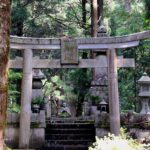
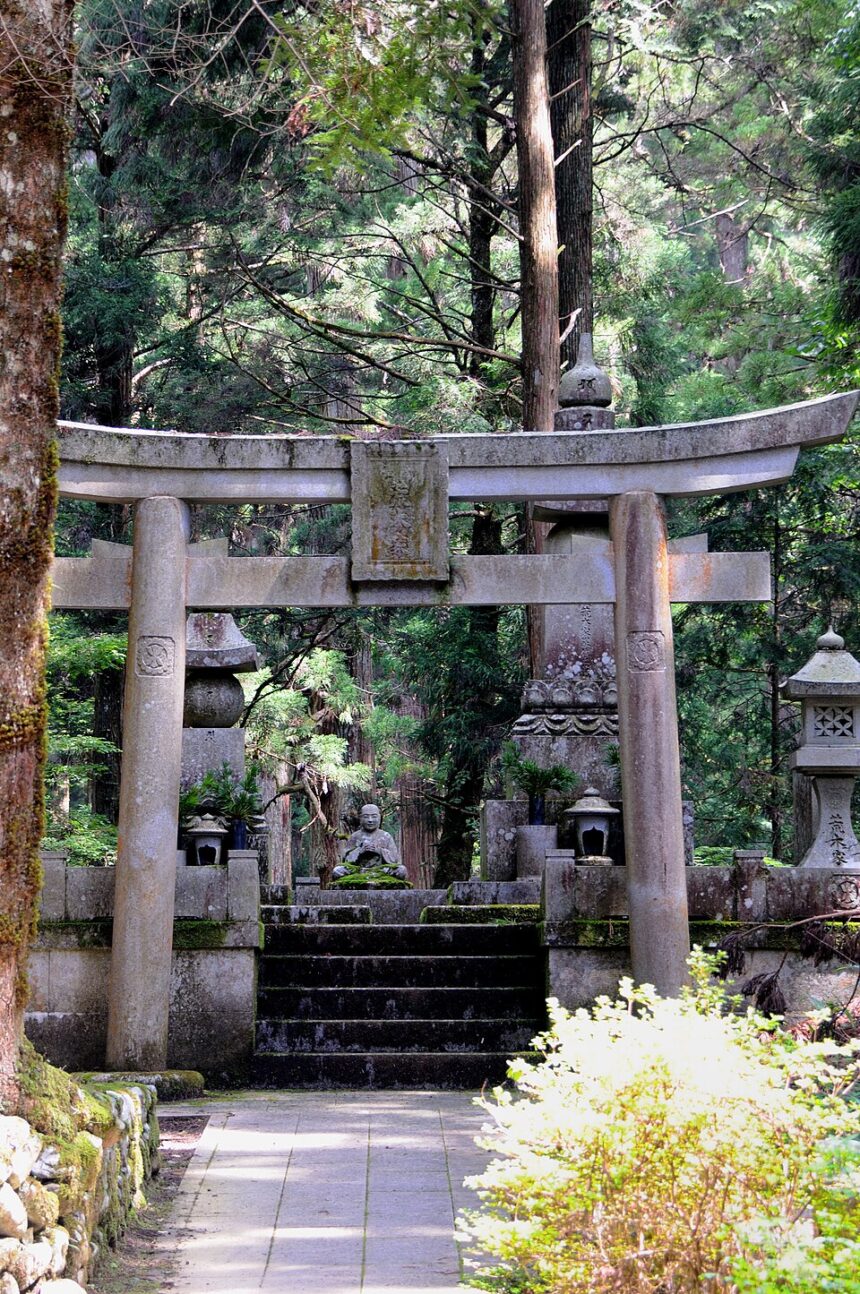
Featured image: OKU – Stone torii on a forest path at Okunoin, Koyasan, Japan, 2015.jpg by Josep M. Gracia via Wikimedia Commons, licensed under CC BY-SA 4.0. Cropping or resizing may be applied for site display. The credit identifies the source image only and does not imply endorsement by the creator, Wikimedia Commons, UNESCO, JNTO, Koyasan religious organizations, Wakayama Prefecture, Tanabe City Kumano Tourism Bureau, temples, shrines, lodging providers, transport operators, or local organizations.
Sources
- UNESCO World Heritage Centre: Sacred Sites and Pilgrimage Routes in the Kii Mountain Range
- JNTO: Sacred Sites and Pilgrimage Routes in the Kii Mountain Range
- Koyasan Shingon Sect Main Temple Kongobu-ji: Guide for Worship
- Visit Koyasan: Lodging
- Tanabe City Kumano Tourism Bureau: Kumano Kodo Tips and Safety
- Visit Wakayama: Kumano Kodo Rules and Etiquette
- Wikimedia Commons image file and license record
Editorial disclosure: This independent guide is not affiliated with or endorsed by UNESCO, JNTO, Koyasan religious organizations, Wakayama Prefecture, Tanabe City Kumano Tourism Bureau, Wikimedia Commons, the photographer, temples, shrines, lodging providers, transport operators, or local organizations. Always confirm current access, accommodation, worship, photography, weather, trail, bus, safety, and visitor rules on official sources before travel.