Treat a temple stay as a stay, not a show
Short answer: a temple stay in Japan, often called shukubo, can be a memorable way to experience quiet lodging, Buddhist meals, morning practices, gardens, meditation, or sutra copying. It is not just a hotel with a temple exterior. First-time visitors should check room style, bathroom setup, meals, payment, quiet hours, language support, participation rules, and transport before booking.
Last checked: August 28, 2026. Room types, meals, payment methods, activities, language support, alcohol rules, photography, and reservation systems vary by temple. Confirm current details with the official temple, association, or booking page before paying.
What is shukubo?
JNTO describes shukubo as temple lodging historically used by monks, pilgrims, and travelers. Today, many temple lodgings welcome general visitors. Some are simple and quiet. Some are more comfortable heritage stays. Some are in major pilgrimage areas such as Koyasan, while others are connected to regional temples, sacred routes, or historic towns.
The appeal is the rhythm: arriving before evening, eating a temple meal, sleeping in a calm setting, and perhaps joining morning devotions or meditation. The risk is mismatched expectations. A shukubo may have shared facilities, early schedules, tatami rooms, futons, limited English, cash payment, or rules that feel different from a city hotel.
Compare the main stay styles
| Style | Best for | Check first |
|---|---|---|
| Traditional shukubo | Travelers who want a quiet temple-life experience | Futon, shared bathroom, meals, curfew, and morning practice |
| Comfort-focused heritage stay | Travelers who need more private space or easier facilities | Bathroom, bed type, group size, access, and price conditions |
| Pilgrimage-route lodging | Walkers and heritage-route travelers | Weather, luggage, meals, walking distance, and check-in time |
| Temple-adjacent simple lodging | Travelers who want atmosphere without many activities | Which practices are included and which are optional |
Meals and dietary expectations
JNTO notes that temple meals are called shojin ryori, Buddhist cuisine. It is commonly vegetarian in spirit and avoids meat, fish, dairy, and egg products in the JNTO overview. Still, individual ingredients, seasonings, shared kitchens, and allergy handling must be confirmed directly. Vegan, vegetarian, allergy-safe, gluten-free, halal, and no-alcohol requests are not the same thing.
Ask what dinner and breakfast include, whether meals are served in-room or in a dining space, what time they are served, and whether late arrival affects dinner. If the answer is unclear, keep a backup food plan before you enter a mountain or rural area.
Morning prayers and activities
Many temple stays may offer morning devotions, meditation, sutra copying, garden walks, guided explanations, or other practices. JNTO’s Koyasan pages mention morning prayer, ajikan meditation, sutra copying, and shojin ryori as examples. Participation rules vary. Some activities may be optional, some may be strongly encouraged, and some may require advance reservation.
Ask what time morning practice starts, whether guests should attend, whether photos are allowed, where to sit, and what clothing is appropriate. Treat monks and staff as people doing daily religious work, not as performers.
Rooms, baths, payment, and comfort
JNTO notes that rooms and meals vary by temple and that restrooms are generally shared at many shukubo, though some temples may offer private bathrooms or suites. Some temples may only accept cash. Confirm payment method before arrival, especially in mountain areas where ATM access may be limited.
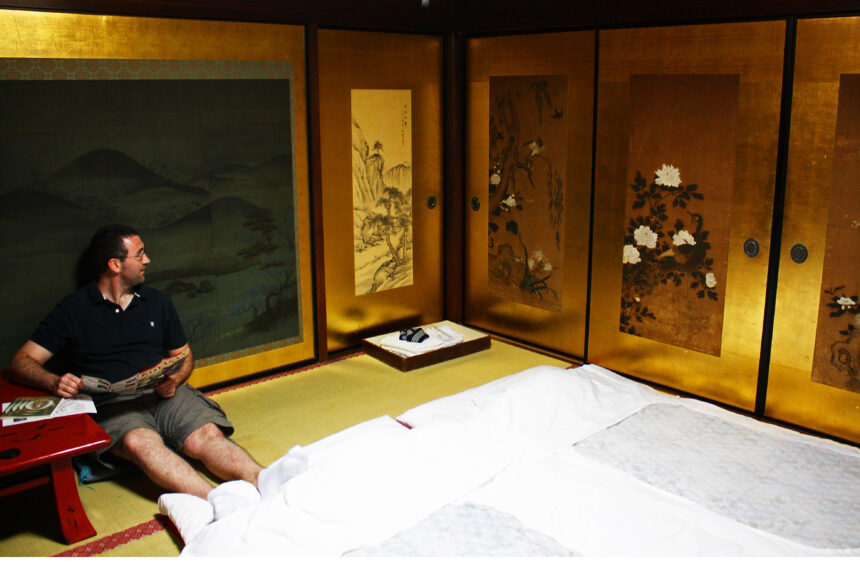
Ask about futons or beds, heating and cooling, shared baths, stairs, luggage storage, toilets, towels, and check-in time. Families should ask about children, quiet hours, and meal timing. Older travelers should ask about stairs, floor sleeping, chairs, and walking distance from the nearest station or bus stop.
Temple etiquette
- Arrive on time, especially if dinner or evening entry is included.
- Speak quietly in halls, gardens, dining areas, and near prayer spaces.
- Follow shoe rules and bring clean socks.
- Do not photograph restricted areas, ceremonies, monks, or other guests without permission.
- Confirm alcohol rules; JNTO notes that each shukubo has its own approach.
- Respect quiet hours and avoid treating shared spaces like a hotel lounge.
For a practical first-visit checklist before entering temple spaces, read Buddhist Temple Etiquette in Japan for First-Time Visitors.
Where it fits in a route
A temple stay works best when the surrounding day is slow. Build the stay around a pilgrimage area, mountain route, temple town, garden visit, or cultural experience rather than inserting it after a long night out. Koyasan is a classic example; for a wider sacred-route plan, compare this with the Koyasan and Kumano Spiritual Routes Guide. The same planning logic applies elsewhere: arrive early, keep luggage manageable, and leave the next morning flexible.
For a shorter temple-focused activity, compare this with Zen Meditation in Japan for First-Time Visitors. For the wider activity map, start with Hands-On Cultural Experiences in Japan.
Photo credit
Featured image: Temple lodging at Shojoshin-in on Koyasan by Andrea Schaffer on Wikimedia Commons, licensed under CC BY 2.0. The credit identifies the source image only and does not imply endorsement by the creator, Wikimedia Commons, Shojoshin-in, Koyasan, any temple, lodging, association, operator, or cultural organization.
Sources
- JNTO: Overnight Stay at a Temple
- JNTO: Temple Stays
- JNTO: Koyasan Shukubo
- JNTO: Shrine and Temple Traditions
- JNTO: FAQ
Editorial disclosure: This is an independent planning guide. It does not rank, sell, or guarantee any temple stay, temple, association, lodging, meal, activity, route, or booking outcome.