Plan Yakushima as nature, not a checklist
Short answer: Yakushima is best for travelers who can give nature enough time, weather margin, and respect. The island is famous for ancient cedar forests and long hikes, but a good first visit does not have to mean doing the hardest trail. Choose between a serious mountain day, a shorter forest walk, a guided nature plan, or a slower island stay.
Last checked: August 28, 2026. Flights, ferries, mountain buses, trail access, weather, route conditions, toilets, huts, donation systems, guided tours, sea turtle rules, and safety guidance can change. Confirm current details on official UNESCO, Yakushima Town, Ministry of the Environment, JNTO, transport, local tourism, and trail-information pages before travel.
Why Yakushima is World Natural Heritage
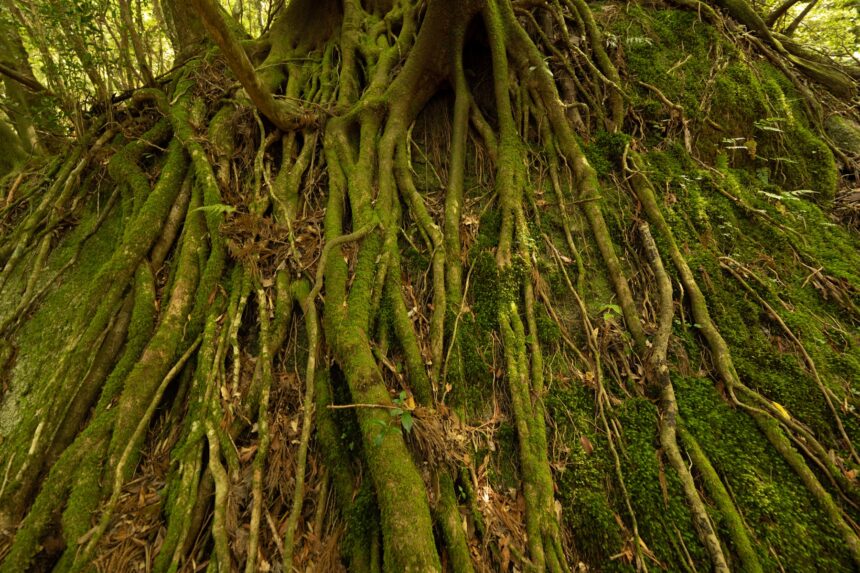
UNESCO inscribed Yakushima in 1993 under criteria (vii) and (ix). The property protects a primeval temperate rainforest on a mountainous island about 60 km south of Kyushu. UNESCO highlights the island’s rich flora, old Japanese cedar forest known as Yakusugi, high rainfall, vertical vegetation from coastal subtropical zones to high mountain areas, and the scientific value of its island ecosystem.
This means Yakushima is not only a scenic forest. It is a fragile natural system where visitors can cause real impact by leaving trails, feeding wildlife, polluting water, damaging moss, or crowding the same famous route. The right question is not “Can I see the famous tree?” It is “Which part of Yakushima can I visit safely and lightly?”
Choose the right first experience
| Plan | Best for | Watch for |
|---|---|---|
| Jomon-sugi trek | Fit hikers who can handle a long, early, weather-dependent mountain day | Trail registration, mountain bus rules, rain gear, toilets, daylight, and fatigue |
| Shiratani Unsuikyo | Travelers who want mossy forest atmosphere with route choices | Slippery ground, rain, route difficulty, footwear, and crowd timing |
| Yakusugi Land | First-time visitors wanting shorter forest routes and easier planning | Access, weather, trail condition, and time needed to walk slowly |
| Coast and island nature | Travelers who want waterfalls, beaches, wildlife, and a less hike-heavy trip | Road conditions, beach rules, wildlife distance, weather, and transport gaps |
The famous long hike is not automatically the best first choice. If your trip has children, older travelers, limited fitness, weak knees, or only one island day, a shorter forest route may be the wiser plan. Yakushima rewards attention more than endurance.
Access and pacing
JNTO describes Yakushima as reachable by plane or ferry from Kagoshima. That simple sentence hides many planning decisions: flight timing, ferry port, weather disruption, luggage, rental car availability, bus routes, accommodation location, and what happens if the return journey changes. Do not schedule a critical international flight immediately after a tight island transfer.
A practical first visit usually needs at least two nights, and more if you want a serious hike. One arrival day, one nature day, and one departure day can work for a light trip. A long trek, coastal exploration, waterfalls, hot springs, or extra forest areas need more room. Rain is not an exception in Yakushima; it is part of the island.
Mountain safety comes first
Yakushima Town asks climbers to submit a mountain-climbing notification for safety. Its mountaineering page also notes that the island has many mountains over 1,000 m, that Mt. Miyanoura reaches 1,936 m, and that weather and temperature can vary dramatically. Even if the village weather is calm, the mountains can be wet, cold, windy, or difficult.
The Yakushima World Heritage Conservation Center advises visitors to submit a trekking registration form, carry proper rain gear, warm clothing, food, a flashlight, a map, a compass, a whistle, and a phone or radio for emergencies. It also warns that some trails may be damaged or unusable and that road access and trekking buses can be suspended during abnormal weather. Treat those warnings as core planning, not small print.
Conservation rules to follow
Yakushima Town’s hiking etiquette guidance is clear: bring all trash back, keep mountain water clean, do not bring pets into the mountains except where service or other permitted roles apply, do not feed animals, stay on trails, use rubber tips on trekking poles except in snowy conditions, respect sacred mountain places, and do not add unauthorized trail markings. Fires in mountain huts are prohibited.
The Ministry of the Environment guidance adds more detail: do not collect or harm plants or wildlife, do not step on moss on rocks or fallen trees, use designated or portable toilets, do not contaminate water, do not light campfires, verify trail conditions in advance, and stay on the trail. These rules protect the very forest people came to see.
Wildlife and beaches
JNTO notes that Yakushima has deer and monkeys, and that Nagata Inaka Beach is known for sea turtle nesting. These are reasons to be more careful, not more intrusive. Do not feed monkeys or deer. Keep distance from wildlife. For beaches and turtle-related visits, use official local rules and guided systems where required. Never use lights, noise, close-up photography, or off-route movement in a way that disturbs animals.
Visitors often remember Yakushima as quiet, green, and ancient, but that feeling depends on restraint. A respectful traveler leaves no food, no marks, no plant damage, no noise trail, and no pressure on animals.
Who should use a guide?
A guide can be useful for first-time hikers, visitors without Japanese, travelers nervous about weather, and anyone trying a longer trail. JNTO notes that some guided hikes in English are available and that English pamphlets are available from Yakushima Tourist Association. Availability changes, so confirm current options before arrival.
A guide does not remove your responsibility. You still need appropriate shoes, rain gear, water, food, fitness, sleep, and honesty about your limits. If the weather or route condition is poor, changing plans is part of good mountain travel.
How this fits a wider Japan route
Use this guide with the Japan World Heritage Guide for First-Time Visitors and the Japan Trip by Interest. Yakushima is a nature-first choice, not a casual add-on between city days. Compare it with Koyasan and Kumano if you want sacred mountain culture and walking, or with Shirakawa-go and Gokayama if you want mountain village heritage without a remote island plan.
If your first Japan trip is mainly Tokyo, Kyoto, Osaka, and short day trips, save Yakushima for a later journey. If the purpose of the trip is forest, rain, island pace, hiking, and protected nature, Yakushima can be the center of the itinerary.
Photo credit
Featured image: Yakushima forest (52930617347).jpg by Raita Futo via Wikimedia Commons and Flickr, licensed under CC BY 2.0. Cropping or resizing may be applied for site display. The credit identifies the source image only and does not imply endorsement by the creator, Wikimedia Commons, Flickr, UNESCO, Yakushima Town, Ministry of the Environment, JNTO, Yakushima Tourist Association, transport operators, guides, accommodations, or local organizations.
Sources
- UNESCO World Heritage Centre: Yakushima
- Yakushima Town: Mountaineering Information
- Yakushima Town: Hiking Etiquette
- Yakushima World Heritage Conservation Center: Warnings and Etiquette for Trekking
- JNTO: Yakushima
- JNTO Hiking and Trekking: Yakushima
- Wikimedia Commons image file and license record
Editorial disclosure: This independent guide is not affiliated with or endorsed by UNESCO, Yakushima Town, Ministry of the Environment, JNTO, Yakushima Tourist Association, Wikimedia Commons, Flickr, the photographer, transport operators, guides, accommodations, or local organizations. Always confirm current access, trail, weather, safety, wildlife, transport, lodging, and visitor rules on official sources before travel.