Build a classic trip by interest
Short answer: a classic Japan trip does not have to mean copying one fixed route. Start with the feeling you want: temples and gardens, castle towns, Mount Fuji views, historic neighborhoods, food streets, train travel, hot springs, or hands-on culture. Then choose a route that keeps travel time realistic.
If you are still choosing a theme, use Japan Trip by Interest as the wider chooser page, then return here when you want a balanced first route.
Last checked: August 28, 2026. This guide is a starting hub. Exact opening hours, reservations, event dates, tickets, transport schedules, and local rules should be checked with official sources before travel.
The safest first route
For many first-time visitors, Tokyo plus Kyoto or Osaka gives the easiest base. Tokyo brings modern neighborhoods, museums, food, shopping, and day trips. Kyoto and Nara bring temples, shrines, gardens, old streets, and heritage sites. Osaka adds food streets, nightlife, and access to Kansai day trips. This route is popular because it gives variety without requiring complicated long-distance planning every day.
That does not make it the only good route. A traveler who loves castles may add Himeji. A traveler who wants mountain scenery may choose Nikko or Mount Fuji. A food-focused traveler may spend more time in Osaka, Kanazawa, Fukuoka, or regional markets. The “classic” part is not a single checklist. It is the combination of deep culture, everyday city life, seasonal scenery, and good pacing.
Choose your classic Japan theme
| Interest | Good starting point | What to verify |
|---|---|---|
| Temples and shrines | Kyoto, Nara, Nikko, Kamakura, Koyasan and Kumano | Etiquette, photography, shoes, closing time, modest clothing, and crowd periods |
| Gardens and old streets | Kyoto, Kanazawa, Takayama, Kurashiki, art and garden routes | Seasonal hours, walking distance, weather, and luggage plans |
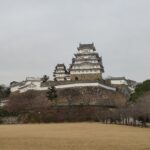
| Castles and history | Himeji, Matsumoto, Hikone, Kumamoto | Stairs, restoration work, entry rules, and route order |
| Historic villages | Shirakawa-go and Gokayama, Takayama, Kanazawa outskirts | Resident privacy, fire prevention, winter access, buses, and parking |
| Ancient capitals and archaeology | Nara, Asuka and Fujiwara, Kyoto | Site spread, museum context, walking distance, and transport links |
| Mountains and nature | Fuji Five Lakes, Hakone, Shizuoka, Nikko, Yakushima | Weather visibility, transport, luggage, trail safety, and backup activities |
| Food and markets | Osaka, Tokyo, Kyoto, Fukuoka, Sapporo | Opening days, reservations, dietary needs, and cash/card use |
| Hands-on culture | Kyoto, Tokyo, Kanazawa, Nara, regional craft towns, kimono experiences, craft workshops | Language support, clothing, age rules, safety, photography, shipping, and cancellation terms |
| Seasonal traditions | Cherry blossoms, summer matsuri, autumn foliage, New Year, snow festivals | Official dates, weather, closures, bloom or foliage status, and crowd plans |
| Pop culture | Tokyo, Osaka, museums, exhibitions, location walks, character cafes | Official ticket rules, limited dates, photography rules, and copyright-sensitive images |
| Transport fans | Airports, older trains, railway museums, ferries, trams, station food | Operator notices, access, timetables, weather, and public-area rules |
Temples and shrines need a calm pace
JNTO distinguishes shrines as Shinto places often marked by torii gates and temples as Buddhist places often marked by sanmon gates. For visitors, the practical lesson is simple: slow down, watch signs, avoid restricted photography, and follow the behavior expected at the site. Some buildings require shoes to be removed. Some prayer areas should not be treated as photo backdrops.
If a route includes several famous temples or shrines in one day, leave space between them. The memory of a trip improves when each place has room to breathe.
Do not ignore food and ordinary neighborhoods
A first visit can become too monument-heavy. Add food streets, local markets, department-store food halls, coffee shops, public transport, small museums, riverside walks, or a low-pressure neighborhood meal. These ordinary stops often make the famous places easier to understand because they show how the country works between the landmarks. In places such as Shirakawa-go and Gokayama, ordinary life is not background scenery; it is part of the heritage value.
For food planning, start with Japan Food Culture Travel Guide and Practical Food Guides in Japan.
A simple first-trip structure
Choose one large city base, one culture base, and one slower day. A common version is Tokyo, Kyoto or Osaka, and a day trip such as Nara, Nikko, Himeji, or Mount Fuji. A western extension can add Hiroshima and Miyajima when the traveler wants memory, peace, shrine landscape, and the Seto Inland Sea. Another version is Tokyo, Kanazawa, and Kyoto for travelers who want gardens, crafts, food, train travel, and a possible Shirakawa-go or Gokayama mountain-village extension with a calmer middle chapter.
Avoid making every day a long-distance transfer. Japan’s trains are useful, but the best classic trip still needs time for station navigation, luggage, meals, weather, and rest. The trip will feel richer if one or two places are explored properly instead of six famous names being touched briefly.
When to go deeper
After choosing the basic route, move into the more specific guide that matches your reason for traveling. Heritage-focused travelers can use the World Heritage guide, including the new Ancient Capitals of Asuka and Fujiwara guide for early-capital archaeology, the Hiroshima and Miyajima heritage guide for a western route, the Shirakawa-go and Gokayama guide for mountain village heritage, the Koyasan and Kumano guide for sacred routes, and the Yakushima nature heritage guide for island forest travel. Activity-focused travelers can use the hands-on cultural experiences guide, the kimono experience guide, the pottery and craft workshop guide, or the hands-on Japanese food experiences guide. Seasonal travelers can start with the Japan Seasonal Traditions and Festivals Guide. Pop-culture travelers can use the Anime, Manga, and Pop Culture Travel Guide to Japan. Art-focused travelers can use Art, Design, Architecture, and Gardens in Japan. Transport fans can use the Japan Transport Fan Travel Guide. Sumo travelers can start with Sumo in Japan for First-Time Visitors, while sake and wine travelers can use Sake, Wine, and Fermentation Travel in Japan.
Photo credit
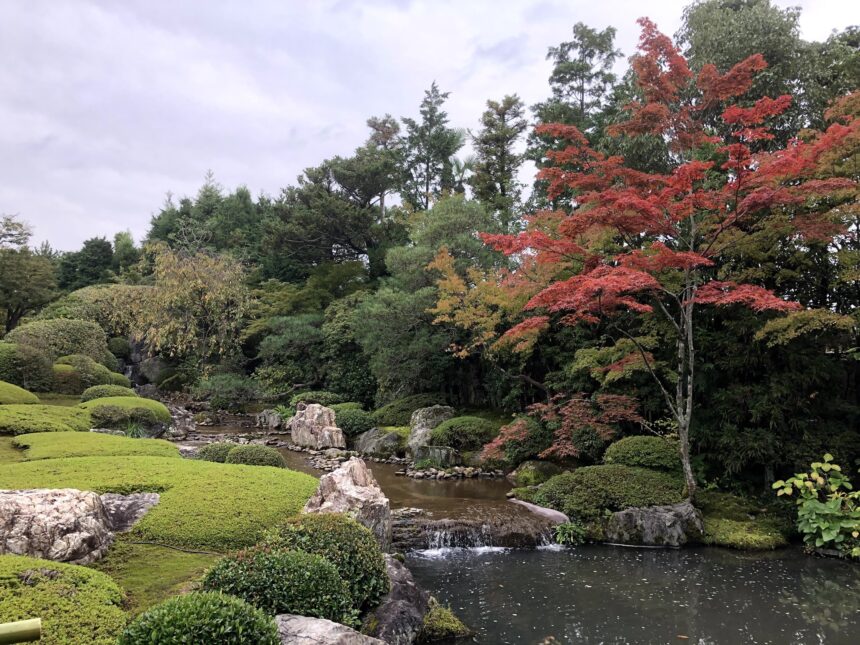
Featured image: Garden of a temple at Myoshinji, Kyoto, Japan by Betsylavolette on Wikimedia Commons, CC0. Cropping or resizing may be applied for site display. This editorial use does not imply endorsement by the temple, Wikimedia, the creator, JNTO, UNESCO, local governments, or site operators.
Sources
- JNTO: Things to Do in Japan
- JNTO: Culture in Japan
- JNTO: Shrine and Temple Traditions
- JNTO: Travel Planning
- UNESCO World Heritage Centre: Japan
Editorial disclosure: This is an independent planning guide. It does not represent JNTO, UNESCO, local governments, temples, shrines, museums, or travel operators.