Start here: choose the kind of Japan trip you want to build
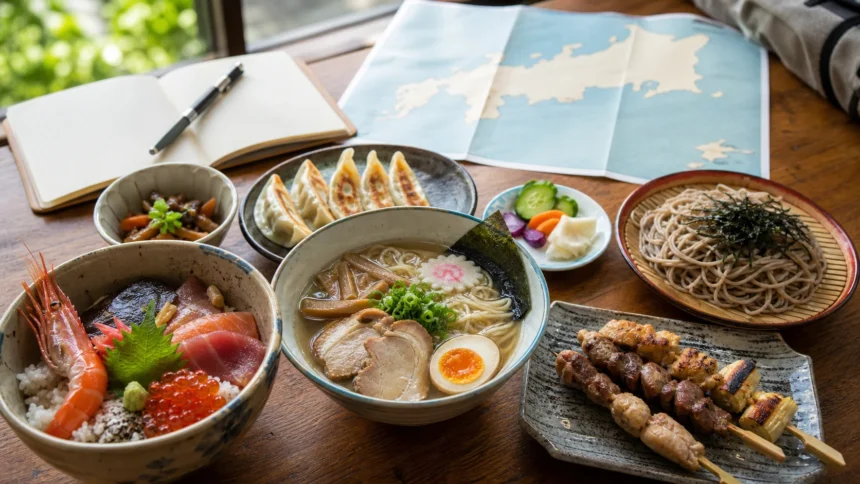
Short answer: start with an area if you are deciding where to go, a purpose if you are solving a travel problem, an event or season if timing matters, and an experience if one activity will shape the day. Food is the thread connecting these choices: it helps you understand a place, choose a route, and leave room for a flexible meal.
Last checked: August 15, 2026. Transport, opening dates, reservations, prices, menus, and venue rules change. Use the current official page for the final decision.
The main map
| If you are asking… | Start with… | What you will find |
|---|---|---|
| Which cities should I visit? | Japan Destinations by Area | Tokyo, Osaka, Kyoto, Fukuoka, Sapporo, and regional routes |
| How do I fit food into my itinerary? | Japan Food Itinerary Planning | Meal timing, route shape, weather, family, and budget choices |
| What kind of trip am I planning? | Japan Travel by Purpose | Food trips, families, budgets, rainy days, hotels, and practical needs |
| What should I eat this month or season? | Japan Seasonal Food Calendar | Seasonal foods, monthly guides, festivals, and flexible timing |
| Is an event or pop-culture visit the main goal? | Japan Pop Culture Travel | Cafes, events, fan routes, food breaks, and official collaboration checks |
| Do I want local food beyond the famous cities? | Local Foods by Region | Regional food identities, route trade-offs, and smaller destinations |
| Do I want history and living traditions? | History and Living Traditions | Seasonal customs, food symbolism, temple-town routes, ryokan meals, and respectful visits |
| Do I want a scenic food route? | Scenic Food Travel in Japan | Views, rail journeys, coastal routes, seasonal landscapes, and weather-aware meal plans |
| Do I want something hands-on? | Hands-On Japanese Food Experiences | Cooking classes, tea, sake, markets, farm visits, and booking checks |
Choose by destination
The destination path is the best starting point when your flight, hotel, or rail pass has already narrowed the map. Use the area hub first, then move into a city page. A city guide should help you decide where to base yourself, which neighborhoods fit your day, what food experiences are worth protecting, and where a simple backup meal is sensible.
Tokyo is a wide, choice-heavy city, so station and neighborhood planning matters. Osaka is useful for casual food routes and lively evening choices. Kyoto rewards slower planning around temples, tea, sweets, and traditional meals. Fukuoka works well for a compact food-led stay and a Kyushu gateway. Sapporo is a strong base for Hokkaido food, markets, dairy, seafood, and seasonal travel.
Choose by purpose
A good food trip is not a list of famous dishes. It is a sequence that survives queues, weather, luggage, tiredness, and different appetites. Use the itinerary guide for route design, then choose a focused path for family travel, budget meals, rainy days, hotel dining, restaurant communication, or dietary needs.
- Family food travel helps balance seating, toilets, short transfers, and backup meals.
- Budget food travel compares value without reducing every meal to the cheapest option.
- Rainy-day food travel protects the day with stations, covered areas, food halls, and flexible stops.
- Hotel dining helps when breakfast, a ryokan meal, or an arrival-night dinner reduces friction.
Choose by time, history, scenery, or experience
Season and event pages help you understand why the same city feels different in April, August, November, or the New Year period. History pages add context without turning a living tradition into a museum label. Scenery pages connect the view to a realistic meal route. Experience pages help you plan the activity, the reservation, and the food break around it.
Keep the distinction clear: a seasonal association does not guarantee a menu, a famous neighborhood does not guarantee a short queue, and a traditional dish does not have one universal recipe. The useful guide explains what to look for and what to confirm on the day.
New detailed guides
The map now includes a specific Fuji-view Shinkansen and ekiben guide for scenic transfer days and an Osaka cooking-class guide for hands-on activity selection. Use the hubs above to compare the wider route before moving into either detailed decision.
The scenic branch now also covers coastal food routes and regional rail food travel. The experience branch adds sake brewery visits and tea farm and tea picking so readers can move from the broad map to a specific booking decision.
A simple planning sequence
- Choose one primary area or city.
- Choose the main purpose: food discovery, culture, event, scenery, family ease, or a fan experience.
- Protect one high-value meal or activity each day.
- Place flexible food near stations, markets, department stores, hotels, or the next transport connection.
- Check current official information before paying for a reservation or fixed ticket.
Related guides
Begin with the area hub for city selection. For a broad food overview, read Japan Food Travel for First-Time Visitors. For culture-led routes, use Japan Pop Culture Travel. For practical decisions, use Practical Food Guides in Japan.
Sources
Editorial disclosure: This is an independent planning guide. It does not rank restaurants or guarantee current availability.