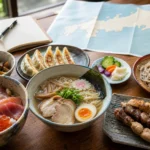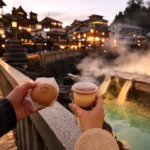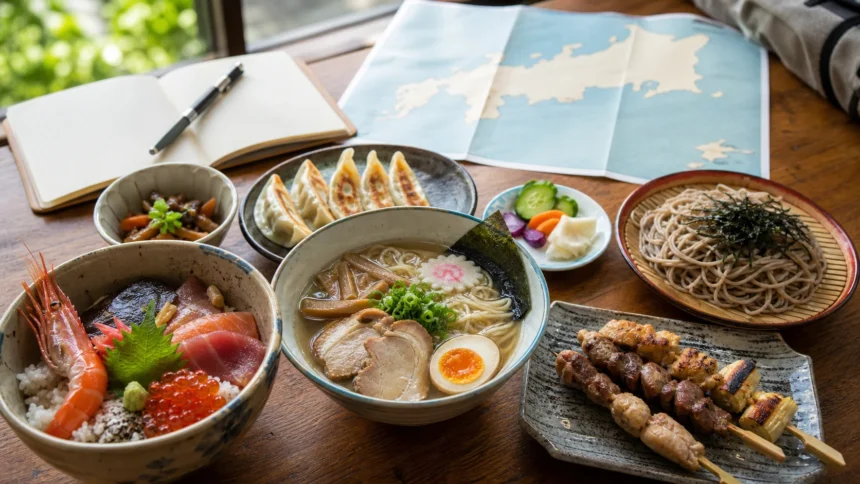
Short answer: Choose a Japanese food region by the trip you want, not by a nationwide “best foods” list. Start with Tokyo and Kansai if this is your first visit and you want maximum variety with easy transport. Choose Hokkaido or the Sea of Japan side for a seafood-led trip, Hiroshima and Shikoku for a slower western route, Fukuoka and Nagasaki for noodles and port-city food, or Okinawa for a food culture shaped by the former Ryukyu Kingdom. The most useful plan is a base city, two or three local dishes, and enough flexibility for queues, seasonal availability, and venue-level checks.
This guide is for international travelers deciding where food should influence a Japan itinerary. It separates regions that are often bundled together, gives practical base cities, and explains what to confirm before you reserve, order, or travel. It is not a ranking of restaurants and it does not promise that a specific dish, market, or service will be available on your travel date.
Last checked: July 20, 2026. Restaurant hours, prices, reservations, payment methods, market tenants, transport schedules, and seasonal ingredients change. Check the official page of every venue and transport operator shortly before travel.
Choose A Food Region By Travel Style
| Food zone and practical base | Go for | Planning range | What can complicate the trip |
|---|---|---|---|
| Hokkaido: Sapporo or Hakodate | Seafood, ramen, dairy, cold-weather food | 3–5 nights | Long distances and winter transport disruption |
| Tohoku: Sendai | Rice culture, hotpots, local noodles, sake, quieter cities | 2–4 nights plus day trips | Rural buses, limited English information, seasonal menus |
| Tokyo and Kanto: Tokyo or Yokohama | Maximum variety, Edomae traditions, day-trip options | 4–7 nights | Popular counters and restaurants can require advance booking |
| Hokuriku and the Alps: Kanazawa, Toyama, or Nagano | Sea of Japan seafood, mountain food, soba, seasonal cuisine | 2–4 nights | Snow, side-trip time, and reservation-led ryokan or course meals |
| Tokai: Nagoya | Miso dishes, eel, efficient rail stop between Tokyo and Kansai | 1–3 nights | Queues and venue-specific reservation systems |
| Kansai: Kyoto, Osaka, or Kobe | Street snacks, tofu, seasonal courses, wagyu, historic dining | 3–6 nights | Crowds and a big gap between casual walk-ins and reservation-led dining |
| Chugoku: Hiroshima | Hiroshima-style okonomiyaki, oysters, sake, easy western extension | 2–3 nights | Seasonal seafood and ferry or coastal-route checks |
| Shikoku: Takamatsu or Kochi | Sanuki udon, bonito, citrus, slower local travel | 2–4 nights | Some food stops are easier by car; bus and ferry timing matters |
| Northern Kyushu: Fukuoka or Nagasaki | Ramen, hotpots, yatai, port-city food history | 3–5 nights | Small stalls, changing operations, and limited seating |
| Southern Kyushu: Kagoshima | Pork, shochu, onsen meals, slower regional routes | 2–4 nights | Longer transfers and venue-specific meal reservations |
| Okinawa: Naha | Ryukyuan food, pork, tofu, island vegetables, awamori | 3 nights or more | Flights, ferries, typhoons, and a food culture that should not be treated as mainland Kyushu |
The stay lengths above are planning ranges, not official minimums. Add time when the food you want is outside the base city, tied to a ryokan stay, or dependent on a ferry, rural bus, or seasonal catch.
Why Regional Food Changes Across Japan
Japan’s regional cuisine reflects climate, agriculture, fishing grounds, preservation, trade, religion, and everyday work. The Ministry of Agriculture, Forestry and Fisheries maintains an Our Regional Cuisines database organized by region and prefecture, with the origins and background of local dishes. JNTO also notes that regional specialties are highly seasonal and connected to local culture.
For travelers, that means a dish name alone is not enough. Ask three questions: Is this food easy to try from my base city? Does it require a reservation or a seasonal trip? Does the place matter to the experience—a morning market, a temple lodging, an udon shop, a yatai stall, or a formal restaurant?
Hokkaido: Build The Trip Around One Part Of The Island
Hokkaido is a strong choice for seafood, ramen, dairy, and cold-weather food, but it is too large to treat as one compact food city. Sapporo works as the easiest urban base. Hakodate gives you a port-city and morning-market focus. Otaru can be a practical side trip from Sapporo, while eastern and northern Hokkaido need separate time.
Useful Food Anchors
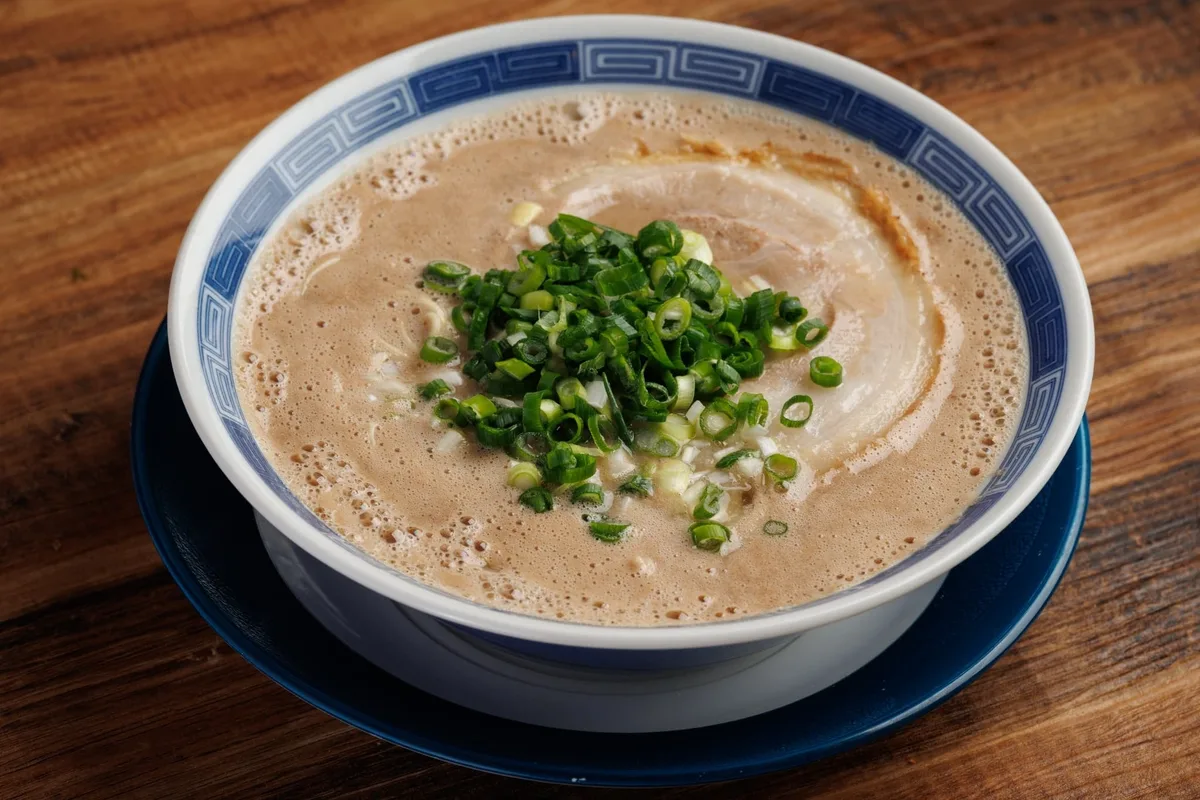
- Sapporo: miso ramen, soup curry, seafood bowls, dairy desserts.
- Hakodate: seafood near the station and Hakodate-style salt ramen.
- Otaru: sushi and seafood combined with a canal-town day trip.
The Hokkaido Official Tourism Site describes Nijo Fish Market in central Sapporo as a market with seafood shops and eateries serving seafood bowls. Treat it as a convenient urban stop, not a guarantee of a particular species or price. Confirm the current tenant, hours, menu, and payment method before making it the fixed point of a morning.
Ordering and dietary note: seafood bowls may contain multiple raw items, and ramen can use pork, chicken, seafood, soy, wheat, egg, or dairy. “Seafood-free” and “shellfish-free” are different requests. Ask the venue directly if an allergy is severe.
Tohoku: Use Sendai As A Gateway, Then Choose One Side Trip
Tohoku rewards travelers who want rice, sake, preserved food, warming dishes, local noodles, seafood, and a quieter pace. Sendai is the most practical gateway for many visitors, but the region’s food identity is spread across six prefectures.
- Sendai: gyutan set meals and sasakamaboko fish cake.
- Morioka: wanko soba as a participatory noodle experience; ask about group booking and the current service format.
- Akita: kiritanpo hotpot, commonly associated with cooler-season dining.
- Yamagata: imoni, a taro-based stew with local variations and strong autumn associations.
Do not put all four into one rushed day. Pick one food city or one onsen/ryokan route, then confirm the local train or bus. A ryokan meal is often tied to the accommodation booking, so dietary needs and arrival times should be communicated before travel.
Tokyo And Kanto: Best For Variety And Recovery From Plan Changes
Tokyo is the easiest base when your group wants different price levels and food styles. It also lets you compare nationally available food with traditions linked to the old city and nearby coasts.
- Tokyo: monjayaki in Tsukishima, Fukagawa rice with clams, soba, tempura, and Edomae-style sushi.
- Yokohama: port-city and Chinatown food in a compact day-trip format.
- Chiba: namero, a fisherman’s dish usually made from minced fish, for travelers willing to spend more time on a coastal route.
The practical advantage is choice: if a famous counter is fully booked, you can switch to a neighborhood restaurant, department-store food floor, casual noodle shop, or another district. The disadvantage is decision overload. Choose one neighborhood and one food theme per meal instead of crossing the city for every viral recommendation.
If you want food-focused excursions from the capital, use our food day trips from Tokyo guide to compare realistic routes.
Hokuriku, The Alps, And Tokai: Split The Center Of Japan In Two
“Chubu” is useful on a map but too broad for a food decision. The Sea of Japan and mountain route feels different from the Pacific-side Nagoya and Shizuoka route.
Sea Of Japan And Mountain Route
- Toyama: firefly squid is strongly seasonal; never build a trip around it without checking current availability.
- Kanazawa: jibu-ni and seasonal multi-course dining; reserve formal meals or ryokan dinners through the venue’s current system.
- Nagano: Shinshu soba, oyaki dumplings, apples, mushrooms, and mountain foods.
- Yamanashi: hoto, flat noodles simmered with vegetables in a miso-based broth, useful on a Mt. Fuji-area route.
Tokai And Nagoya Route
- Nagoya/Aichi: misokatsu, hitsumabushi, and miso-nikomi udon.
- Shizuoka: eel and green tea-related food, with city and coastal options along the Tokaido route.
Nagoya works well as a one- or two-night food stop between Tokyo and Kansai. Kanazawa, Toyama, and Nagano deserve their own route. Do not assume that neighboring prefectures share the same dish, or that the shortest line on a map is the simplest rail connection.
Kansai: Separate Osaka, Kyoto, And Kobe
Kansai gives first-time visitors the widest contrast in a compact area. Osaka is strong for casual griddle and snack culture. Kyoto adds tofu, sweets, tea, and seasonal dining. Kobe brings a port-city history and branded beef restaurants. Nara and Wakayama add their own temple, mountain, and preserved-food traditions.
- Osaka: takoyaki and okonomiyaki are easy entry points, but posted rules differ by street and shop.
- Kyoto: yudofu, wagashi, tea, and kaiseki; the more formal the experience, the more important advance confirmation becomes.
- Kobe: steak courses and port-city cafes; confirm the restaurant’s official menu, brand claim, price, reservation, and cancellation policy.
- Nara or Koyasan: shojin ryori can be culturally valuable, but do not assume every menu meets a strict vegan definition.
Manners: there is no nationwide rule that every form of eating while walking is forbidden. Follow the local sign or vendor’s instructions. Step away from queues and narrow paths, eat in the designated area when one exists, and return or dispose of containers as directed.
Chugoku: Hiroshima Makes A Practical Western Extension
Chugoku should not be merged with Shikoku in a food itinerary. Hiroshima is connected to the main intercity rail corridor and works as a western extension from Kansai, while Shikoku usually requires a different pace.
The Hiroshima Prefectural Government identifies layered Hiroshima-style okonomiyaki, oysters, lemons, beef, and sake among the prefecture’s food themes. For a short visit, choose one okonomiyaki meal and one second theme—oysters when appropriate for your dates, a sake-area visit, or local citrus—rather than trying to cover everything.
- Hiroshima: layered okonomiyaki with noodles and egg; oyster availability and preparation vary.
- Yamaguchi/Shimonoseki: fugu is a regulated specialty; use established venues and check the official menu and booking conditions.
- Okayama: fruit and regional seafood, both highly dependent on season and producer.
Shikoku: Plan Around Udon Or Bonito, Not The Whole Island
Shikoku is ideal for travelers who want a slower route and food that makes sense with landscape and local transport. A focused Kagawa or Kochi trip is more useful than trying to collect all four prefectures quickly.
- Kagawa/Takamatsu: Sanuki udon. Shop formats range from self-service to table service; menus may be simple, but broth and toppings still matter for allergies and vegetarian diets.
- Kochi: katsuo no tataki, lightly seared bonito commonly served with aromatics and sauce.
- Ehime/Matsuyama: taimeshi and citrus, with different sea-bream rice styles within the prefecture.
Some famous udon shops are outside easy rail reach or operate on schedules that do not fit a late start. Check the shop and bus operator directly; do not rely on an old list or map pin.
Kyushu: Separate Fukuoka And Nagasaki From The Southern Route
Northern Kyushu
Fukuoka is one of Japan’s easiest food-city additions because the airport, central districts, ramen shops, hotpot restaurants, and yatai culture are close together. The Fukuoka City Official Tourist Guide describes yatai as part of the city’s identity and explains official efforts to preserve and standardize them.
- Fukuoka: Hakata-style ramen, mizutaki chicken hotpot, motsunabe, mentaiko, and yatai dining.
- Nagasaki: champon and castella, both useful entry points into the city’s port and international exchange history.
- Kumamoto: local beef and horse-meat dishes; explain ingredients clearly and never pressure a reader to try them.
Yatai note: stalls are small, weather and operating nights matter, and the current operator information can change. Check the city guide and the stall’s own current information. Order food, respect limited seating, and ask before assuming cards are accepted.
Southern Kyushu
- Kagoshima: kurobuta pork, sweet-potato shochu, and regional meals paired with hot-spring travel.
- Miyazaki: hiyajiru, a chilled fish-and-miso soup served with rice, and chicken nanban.
This route needs more travel time than a Fukuoka-only city break. If alcohol is part of the plan, confirm transport back to the hotel and never assume a rural tasting area has frequent evening service.
Okinawa: Treat Ryukyuan Food As Its Own Culture
Okinawa is not simply the final subsection of Kyushu. Its food reflects island climate, the history of the Ryukyu Kingdom, trade, and distinct household and ceremonial traditions. The MAFF regional-cuisine material describes Ryukyuan cuisine through both court cuisine and local everyday food, with Japanese and Chinese influences.
- Naha: goya champuru, Okinawa soba, rafute braised pork, tofu dishes, seaweed, and awamori.
- Outer islands: food and transport vary by island; do not generalize Naha’s restaurant scene to every island.
Okinawa soba is wheat noodle, not buckwheat soba, and its broth may contain pork and bonito. Goya champuru commonly includes egg, tofu, and pork. Travelers with dietary restrictions should ask about the full broth, sauce, and cooking method.
Three Food Itineraries That Make Sense
First Visit: Tokyo–Kyoto–Osaka
Use Tokyo for variety and one traditional local dish, Kyoto for tofu, tea, sweets, or a pre-arranged seasonal meal, and Osaka for casual griddle food. Add Hiroshima only if you can give it at least one night or a well-paced full day. This route minimizes transport friction while teaching you that “Japanese food” changes by city.
Seafood-Focused Repeat Trip
Choose one of two directions: Sapporo plus Hakodate for an urban Hokkaido route, or Toyama plus Kanazawa for Sea of Japan seafood and seasonal dining. Do not promise yourself a specific crab, squid, oyster, or sea urchin without checking season and current supply. Build at least one flexible meal into every seafood day.
Slower Western Or Island Trip
Combine Hiroshima with one Shikoku base, or Fukuoka with Nagasaki. Treat Okinawa as a separate flight-based trip unless it is already central to your itinerary. Check the last train, bus, or ferry before reserving dinner, not after.
How To Order, Reserve, And Pay
Ordering
Photo menus and ticket machines can reduce language friction, but they do not explain every ingredient. Helpful phrases include Osusume wa nan desu ka? (“What do you recommend?”), Yoyaku wa hitsuyo desu ka? (“Is a reservation necessary?”), and Kaado wa tsukaemasu ka? (“Can I use a card?”). For allergies or religious restrictions, use a detailed written card and direct venue confirmation instead of relying on one memorized phrase.
Reservations
Check early for high-end sushi, kaiseki, small chef-led counters, branded wagyu courses, temple meals, and ryokan dinners. Casual ramen, udon, okonomiyaki, and many market meals are often walk-in experiences, but queues and ticket systems can replace reservations. A hotel’s concierge may help, but the restaurant’s official cancellation and no-show policy still applies.
Payment And Tipping
JNTO says international cards are generally accepted, but not everywhere. IC cards can work at many transport services, convenience stores, and an increasing number of shops and restaurants, but they are not universal. Carry yen for small shops, rural restaurants, market stalls, and yatai, and ask before ordering if payment is a concern.
Japan has no general tipping custom, according to the Consumer Hotline for Tourists. Do not leave cash on the table as a tip. A venue may include a stated service charge or table charge; that is different from a voluntary tip.
Vegetarian, Vegan, Religious Diet, And Allergy Cautions
A dish that looks plant-based may use fish or meat stock. The JNTO vegetarian and vegan guide advises travelers to be specific about excluded ingredients, including dashi and other stocks, to use a written explanation, and to notify restaurants in advance for set menus.
- Common hidden risks: bonito or fish dashi, pork or chicken broth, soy sauce containing wheat, egg in batter, shellfish in mixed seafood dishes, and alcohol-based seasonings.
- Cross-contact: shared fryers, grills, ladles, and preparation surfaces are common. A menu icon does not guarantee an allergy-safe kitchen.
- Shojin ryori: traditionally plant-focused, but JNTO notes that modern practice can vary. Confirm dairy, egg, alliums, alcohol, and cross-contact directly.
- Halal and kosher: “no pork” is not the same as certified halal or kosher preparation. Verify certification, ingredients, cooking equipment, and alcohol-based seasonings with the venue.
For a severe allergy, contact the restaurant or accommodation before booking and carry an emergency plan. If staff cannot confirm that a dish is safe, choose another venue.
FAQ
What is the easiest food region for a first trip to Japan?
Tokyo and Kansai are the easiest starting points because they combine broad restaurant choice with dense transport. They also give strong contrast: Tokyo variety, Kyoto’s seasonal and temple-linked food, and Osaka’s casual food culture.
Is Hokkaido worth adding only for food?
Yes for travelers who prioritize seafood, ramen, dairy, or winter food, but give the island enough time. Sapporo and Hakodate are separate bases, not convenient halves of one rushed day trip.
Should I add Hiroshima or Shikoku?
Choose Hiroshima for an easier extension from Kansai and a compact okonomiyaki, oyster, and sake story. Choose Shikoku when udon, bonito, citrus, and slower local travel are central to the trip.
Do I need restaurant reservations?
Not for every meal. Reserve the experiences that would be difficult to replace: formal courses, small counters, ryokan dinners, temple meals, and restaurants with explicit booking systems. Keep casual meals flexible.
Can I rely on cards and IC cards?
No single payment method works everywhere. Cards are common in cities and IC cards work at many participating businesses, but cash remains the safest backup for small and regional food stops.
Can vegetarians and travelers with allergies use a regional food guide?
Use it to choose destinations, not to declare individual dishes safe. Stocks, sauces, toppings, and shared equipment vary by venue. Confirm each restaurant directly and in advance.
Continue Planning
- Japan Food Travel Guide for First-Time Visitors
- Best Food Day Trips from Tokyo
- Japan Food and Travel Guide
Official Sources
- MAFF: Our Regional Cuisines
- JNTO: Food and Drink in Japan
- JNTO: Regional Specialities
- JNTO: Local Foods Directory
- Hokkaido Official Tourism Site: Nijo Fish Market
- Hiroshima Prefectural Government: Delicacies of Hiroshima
- Fukuoka City Official Tourist Guide: Local Specialties
- JNTO: Credit Cards
- Consumer Hotline for Tourists: Tipping
- JNTO: Vegetarian and Vegan Guide
Editorial disclosure: this article contains no affiliate links, paid booking links, or PR placement. It was developed as an original English guide for international travelers and is not a translation of a Japanese article.