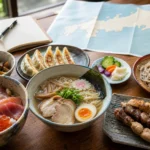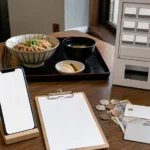
Short answer: you do not need to reserve every meal to eat well on a first trip to Japan. Choose one or two meals that would genuinely disappoint you to miss, book those through the restaurant’s current official method, and leave the rest of your schedule flexible. Ticket-machine noodle shops, set-meal restaurants, department-store food halls, station restaurants, supermarkets, convenience stores, and many casual restaurants can cover ordinary meals. Carry some yen, check payment signs before ordering, arrive on time for bookings, and treat allergies or strict diets as a separate safety-planning task rather than a translation problem.
This guide is for international travelers building a first 7- to 14-day Japan itinerary. It focuses on decisions: which meals deserve planning, how different restaurant formats work, where a food stop fits into a travel day, and when to change plans. It is not a list of viral restaurants or a promise that one payment method, reservation service, or dietary request works everywhere.
Last checked: July 20, 2026. Restaurant hours, menus, prices, booking windows, cancellation terms, payment methods, train services, and dietary accommodation can change. Check the restaurant, hotel, market, railway, or experience provider’s official information before relying on it.
Start Here, Then Choose A More Specific Guide
If you are still shaping the whole trip, stay with this guide first. Once you know the decision you are trying to make, move to the most relevant parent guide below instead of opening every month, city or restaurant-format article at once.
| Planning question | Best next guide | Use it for |
|---|---|---|
| When should I travel for food? | Japan seasonal food calendar | Season, month, festival and weather decisions. |
| Which region should I choose? | Best local foods in Japan by region | Regional dishes, route fit and realistic base cities. |
| What basic Japanese food should I understand first? | Japanese food basics | Ramen, sushi, izakaya, ekiben, depachika and convenience-store food. |
| How do I handle reservations, payment or dietary needs? | Practical food guides for Japan | Bookings, ticket machines, cash/cards/IC, etiquette, allergies, vegetarian, vegan and halal planning. |
| Should hotel meals be part of the trip? | Hotel dining in Japan | Breakfast, dinner plans, ryokan meals and lodging-based food decisions. |
| Is the trip built around theme parks? | Japan theme park food guide | Theme park restaurants, snacks, crowd timing and food backups. |
| Do anime or character cafes matter? | Anime and character cafes in Japan | Reservations, area choice, limited menus and culture-focused cafe planning. |
For the wider English map, start with the Japan Food, Culture, and Travel Guide, then choose a city from Japan Destinations by Area. This page remains the detailed first-trip food planning guide; the new parent page helps you choose between cities, seasons, events, culture, scenery, and experiences before you go deeper.
For restaurant mechanics, go directly to the practical guide that fits the friction in front of you: restaurant reservations, ticket machines, cash, cards and IC payments, food etiquette, or the Japan food allergy guide. Those pages are meant to support this hub, not replace current venue checks.
Plan Food Around Your Route, Not Around A Checklist
A strong first food trip has three layers. First, choose a few place-specific experiences: perhaps sushi in Tokyo, a Kyoto course meal, Osaka-style casual food, or one regional specialty. Second, learn two or three low-friction restaurant formats that work when you are tired or your sightseeing runs late. Third, keep a backup within the same station, neighborhood, or hotel area.
The planning mistake is to turn every lunch and dinner into an appointment. A reservation can be worth the effort when a restaurant has few seats, prepares ingredients for each guest, serves a set course, or is the central reason for visiting an area. Flexibility is usually more valuable on arrival day, intercity travel days, crowded sightseeing days, and the evening before an early departure.
For a seven-day trip, one anchor reservation may be enough. For ten to fourteen days, two or three can work if they are spread across different cities. These are editorial planning ranges, not restaurant rules. Your energy, budget, dietary needs, and tolerance for fixed schedules matter more than the number.
Choose The Right Meal Format For The Moment
| Format | Best use on a first trip | Booking friction | Typical workflow | Check before committing |
|---|---|---|---|---|
| Ticket-machine noodles or set meals | Fast lunch, solo meal, jet-lagged evening | Usually low, but queues vary | Choose and pay at the machine, take the ticket, give it to staff, follow seating instructions | Machine language, cash/card/IC acceptance, allergens in broth and sauces |
| Department-store food hall or station food floor | Groups with different tastes, rainy day, flexible takeaway | Low | Choose from separate counters, pay at each counter, ask where food may be eaten | Closing time, seating, takeaway rules, label language |
| Casual table-service restaurant | Ordinary lunch or dinner with more time | Low to medium | Wait to be seated, order from staff/tablet/menu, pay as directed | Queue system, last order, accepted payment, smoking policy, dietary requests |
| Izakaya | Shared dishes and a social evening | Medium for groups or busy nights | Confirm party size, sit, order drinks and dishes in rounds, pay at the end unless told otherwise | Table charge or otoshi, time limit, minimum order, smoking rules, ingredient questions |
| Market or food street | Sampling local specialties during sightseeing | Usually low; queues may be high | Order at individual vendors and follow that area’s eating and trash rules | Where to eat, where to return trash, cash needs, current stall status |
| Course meal, small sushi counter, kaiseki, or special experience | One planned anchor meal | High or venue-specific | Book through the current official method, disclose needs in advance, arrive on time, follow the course | Cancellation terms, deposit/card hold, dress or fragrance rules, dietary limits, payment |
| Convenience store, supermarket, or prepared-food shop | Arrival meal, breakfast, travel-day backup | Very low | Select packaged food, check the label, pay, request heating only when appropriate, eat where permitted | Japanese label, allergens, heating instructions, use-by date, available place to eat |
| Ekiben or other station bento | Intercity rail day | Low, but availability varies | Buy before boarding, keep the meal contained, and manage packaging until disposal is available | Whether eating is appropriate on that service, allergens, stock at your station, departure buffer |
The table describes common patterns, not guarantees. A touch-screen shop may accept cards while the next ticket machine takes cash. A casual restaurant may use an online queue. A food hall may sell takeaway food without providing seating. Read the signs and ask before ordering if the answer changes whether you can use the meal.
Three Food Plans For Common First Trips
Seven Days: Tokyo Plus Kyoto And Osaka
Keep arrival day simple: eat near your hotel, at a station food floor, or at a ticket-machine shop you can leave quickly. In Tokyo, use one flexible neighborhood day for ramen, a set meal, depachika food, or conveyor-belt sushi. If premium sushi or another small counter is central to your trip, make it your single anchor reservation and place it on a day without a distant excursion.
On the Tokyo-to-Kyoto travel day, use station bento or eat before departure, then plan a flexible dinner near your Kyoto hotel. Reserve a Kyoto course meal only if the seasonal format and slower pace matter to you; confirm dietary needs before booking because substitutions may be limited. Use Osaka for a less scheduled evening built around okonomiyaki, takoyaki, kushikatsu, noodles, or an izakaya, but do not assume a famous shop will be queue-free.
Keep the final night flexible. Packing, shopping, and an early departure often make a distant reservation more stressful than rewarding.
Ten Days: Classic Route Plus One Food Day Trip
Add one food-led day outside your base rather than adding more restaurant appointments. From Tokyo, compare Yokohama, Kamakura or Enoshima, Kawagoe, Odawara, and Narita in our food day trips from Tokyo guide. Choose a place that fits the rest of your route, not only the dish you saw online.
A workable pattern is one anchor meal in Tokyo and one in Kyoto or Osaka, with the day trip left mostly flexible. If the day trip includes a specific limited-seat restaurant, make that the anchor and avoid booking another dinner immediately after returning. Build a second option near the destination station in case the first queue is too long or a shop is closed.
Use intercity days for bento, station food, hotel breakfast, or a simple meal near your next accommodation. That preserves energy for a market, food neighborhood, or planned dinner on a day when you are not managing luggage.
Fourteen Days: Classic Route Plus A Regional Extension
Use the extra days to learn one regional food culture in context rather than collecting more Tokyo and Kyoto reservations. Hokkaido may suit travelers interested in seafood, dairy, produce, and distinct ramen styles; Fukuoka and wider Kyushu can combine noodles, yatai culture, seafood, shochu, and nearby city differences; Okinawa adds an island food culture shaped by local ingredients and history.
Our regional Japanese food guide helps compare a base city and realistic extension. Once you choose, confirm the current transport and the official status of any market, yatai, hotel restaurant, or rural venue. English support, cashless acceptance, and late-night alternatives can be less dense outside major centers, so keep cash and a backup meal near your accommodation.
Choose Food Guides By What You Want To Eat
Dish-specific guides are useful after the broad route is clear. If sushi is your planned anchor meal, read Sushi in Japan for First-Time Visitors before choosing a counter, booking platform, or allergy approach. For noodles, compare Japanese ramen styles with the udon and soba guide; the ordering workflow, broth, toppings, and allergy questions differ. For low-pressure meals, travel breakfasts, late arrivals, and backup food, the Japanese convenience store food guide can be more useful than another famous-restaurant list.
If you want a food neighborhood rather than one restaurant, start with food streets and markets in Japan. Market and street-food plans need local rules for eating areas, trash, photography, cash, queues, and perishable food. They also work best when you have a nearby indoor fallback.
What Happens When You Enter A Restaurant
Ticket-Machine Shops
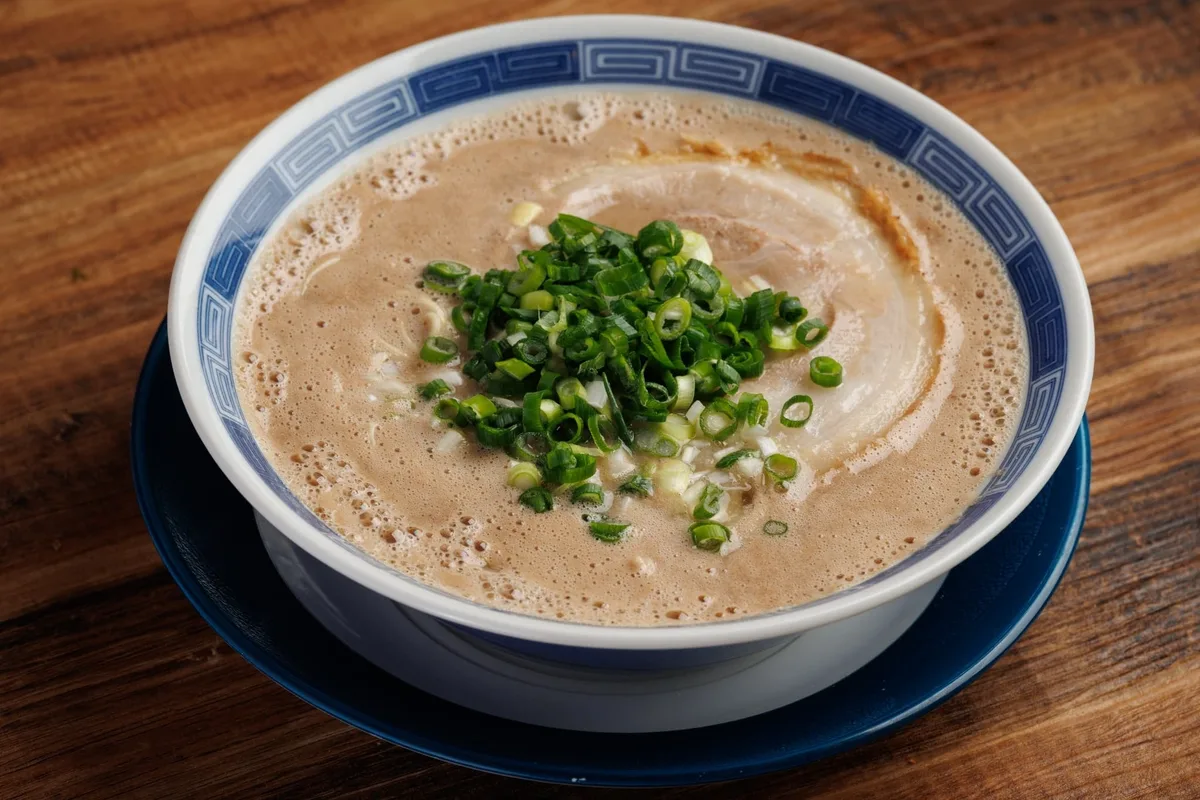
JNTO describes a common ramen workflow: insert payment, choose the bowl and any toppings or sides, collect the printed ticket and change, then pass the ticket to staff. Some shops seat you before taking the ticket; others direct you to an available counter seat. A screen may ask about portion, noodle firmness, or toppings.
Before paying, confirm that you understand the base dish. A photo does not reveal whether broth contains pork, fish, shellfish, wheat, soy, or other ingredients. If the machine is blocking a narrow entrance while you decide, step aside and let other customers use it. Do not assume the same machine accepts the same payment method as another branch.
Table-Service Restaurants
Wait for staff rather than choosing a table unless signs clearly say otherwise. You may be asked for the number of people and then given a paper menu, QR menu, tablet, or call button. Water or tea may arrive automatically. Payment might be at the table, at a register near the exit, or through a self-service terminal; follow the bill folder, signs, or staff direction.
If you need an ingredient change, ask before ordering. A kitchen may not be able to remove something that is already in the stock, sauce, batter, marinade, or premade course. A polite refusal can mean the request cannot be made safely, not that the restaurant is unfriendly.
Izakaya
Izakaya meals are often shared and ordered in rounds. JNTO notes that some restaurants have a table charge and that an automatically served appetizer may represent that charge rather than a free dish. Ask about the charge if it matters to your decision. In busy venues, seating time or order conditions may also apply, but these are venue-specific.
Groups should coordinate orders instead of ordering the same dish several times by accident. If someone has an allergy or strict diet, shared plates increase the need to identify ingredients and serving utensils. Do not rely on the appearance of a dish.
Food Halls, Markets, And Takeaway
Depachika and station food areas reduce ordering pressure because you can compare food visually, but they do not eliminate practical questions. Pay at each counter, check whether there is seating, and do not open takeaway food in a shop or corridor where eating is not permitted.
Local market rules matter. Kyoto’s official visitor guidance specifically asks people not to eat while walking through Nishiki Market and to eat at the shop where the food was bought or take it away. Treat this as a local instruction, not evidence of one nationwide rule. Follow the signs where you are and return trash where directed.
Reservations: Book The Experience, Not Every Meal
Start with the restaurant’s own website or official social account. Confirm how reservations are accepted, which dates are available, whether a deposit or card guarantee is required, and what happens if you cancel or arrive late. A third-party booking page should not override the venue’s published terms.
Some venues use online forms; some take phone calls; some work with hotel concierges; some are walk-in only. If asking a hotel for help, check that the concierge offers the service and provide the exact date, time range, party size, budget, and dietary restrictions. Do not ask the concierge to promise an accommodation the kitchen has not confirmed.
JNTO advises arriving on time and canceling well in advance if you cannot attend. This matters especially when a small restaurant prepares ingredients for each reservation. Save the confirmation and cancellation method. If you are delayed, contact the restaurant through its stated channel rather than assuming the table will be held.
A Useful Reservation Test
- Book: the meal is a main purpose of the trip, seats are limited, a course is prepared for the party, or dietary discussion must happen in advance.
- Stay flexible: the day includes a long transfer, weather-sensitive sightseeing, uncertain arrival time, or several comparable casual options.
- Prepare a backup: the restaurant does not accept reservations, has a long queue, or has operating information you cannot confirm.
Queues And Same-Day Plan Changes
Join the marked end of the line, keep entrances and neighboring storefronts clear, and check whether the restaurant uses a ticket, name list, numbered card, or online queue. A visible line does not always reveal the system. Ask staff before leaving the area if your name or number has been registered.
Set a personal queue limit before you arrive. If waiting would erase the market, museum, train, or neighborhood you came to see, switch to the backup. A first trip is better served by a good local meal on your route than by losing half a day to one famous restaurant.
Payment: Carry A Backup And Read The Logos
JNTO reports that cashless payment is increasingly common, while some restaurants, rural businesses, markets, and other facilities still require cash. The safest routine is to carry yen, keep one international card accessible, and look for accepted-payment logos before ordering. Ask if the answer is unclear.
An IC travel card can be convenient at participating convenience stores, vending machines, and shops displaying the compatible logo. It is not a promise that every restaurant or every regional card use-case works. Overseas mobile wallets may also fail because of device, card, app, or merchant compatibility.
Do not wait until the bill arrives to discover that your only method is unavailable. At a ticket machine, determine the accepted method before selecting food. At a cashless-only or advance-payment venue, follow the official instructions. For a rural extension, check the operator and accommodation pages and withdraw cash before the point where alternatives become sparse.
Dining Manners That Actually Affect The Meal
- Reservations: arrive on time; cancel through the stated channel as early as possible.
- Queues: follow signs and floor markers, and do not hold places for a large group that has not arrived unless the venue allows it.
- Seating: keep luggage compact and use the space staff indicates.
- Photography: ask before photographing staff, other guests, or a close working counter. Venue rules control.
- Fragrance: avoid strong perfume for sushi, tea, sake, and other aroma-sensitive meals; some venues state their own rule.
- Oshibori: use the wet towel for your hands, fold it, and place it to the side.
- Chopsticks: do not stand them upright in rice, pass food directly chopstick-to-chopstick, point with them, or move shared food with used ends when serving utensils are provided.
- Noodles: slurping ramen or noodles is acceptable, but it is optional. Eat in the way you can manage comfortably.
- Tipping: it is not customary. A service charge or izakaya table charge is a separate published or explained fee, not a tip.
- Eating and trash: follow the specific market, street, train, park, or shop rule. Do not turn a local request into a universal slogan.
Allergies And Strict Diets Need A Separate Plan
Japan’s Consumer Affairs Agency provides English food-labeling material and a Food Allergy Communication Sheet. Download the sheet before travel; the agency notes that its interactive checkboxes may not work unless the file is downloaded. Keep it on your phone and, for serious allergies, carry a printed copy.
Packaged-food labeling can help, but labels for sale in Japan are in Japanese, and Japan’s mandatory and recommended allergen rules may differ from those in your home country. The official list changed in 2026, so check the current Consumer Affairs Agency page rather than relying on a copied list in an old travel article. The agency’s English guide also tells consumers to ask staff about restaurant food, bakery items, and cakes sold without packaging.
Restaurant risk is different from packaged-food reading. A broth, sauce, soy sauce, miso mixture, curry base, dressing, batter, seasoning, or marinade may contain an ingredient you cannot see. Shared fryers, grills, knives, strainers, and preparation surfaces create cross-contact risk. A restaurant may be unable to guarantee a safe meal even when staff understand the request.
A Safer Communication Sequence
- Name the exact ingredient or substance you must avoid; do not rely only on a category word such as “vegetarian” or “gluten-free.”
- State whether traces or shared equipment are dangerous for you.
- Ask before ordering and, for course meals or ryokan dinners, before booking.
- Accept a clear “cannot accommodate” answer and use the planned backup.
- Carry the medication and emergency plan prescribed for you; a travel guide cannot replace medical advice.
JNTO’s vegetarian guide warns that meat or fish can appear in stocks and sauces and that “vegetarian” can be interpreted flexibly. Its Muslim-traveler guidance also highlights cooking sake, mirin, soy-sauce-based seasonings, gelatin, animal fats, and the difference between “halal-friendly” and a separate halal kitchen. Ask ingredient- and kitchen-specific questions.
For a severe reaction or other urgent medical emergency, JNTO lists 119 for fire and ambulance and 110 for police emergencies. JNTO also publishes a visitor hotline for assistance. Confirm current details on the official hotline page and do not delay emergency action to keep a restaurant plan.
Regional Differences That Matter On A First Trip
Tokyo offers the highest density of formats and backups: premium counters, department-store food halls, station areas, neighborhood restaurants, international dining, and regional specialties from across Japan. Use that density to stay flexible rather than crossing the city for every meal.
Kyoto rewards advance planning for course meals, tofu or yuba-focused dining, tea experiences, and some temple or ryokan meals. Its busiest visitor areas also have explicit local behavior requests, so read market and neighborhood signage.
Osaka is well suited to casual evening eating, but famous food streets can be crowded. Build the evening around an area and several options rather than a single social-media queue.
Hokkaido, Kyushu, and Okinawa can justify a longer extension because food culture changes with geography and local history. They also increase the importance of transport, venue hours, cash backup, and hotel-area alternatives. Use official regional tourism and operator pages before fixing a rural or island food itinerary.
For region-specific next steps, use the Osaka food guide for casual urban food, the Kyoto food guide for meals beyond sushi and ramen, the Hokkaido food guide for northern seafood, dairy, ramen and produce, the Kyushu food guide for a warmer regional extension, and the Okinawa food guide for island-specific food planning.
Common First-Trip Mistakes
- Booking a difficult dinner on arrival day.
- Planning a distant lunch on the same day as luggage-heavy intercity travel.
- Assuming a photo menu explains broth, sauce, alcohol seasoning, or cross-contact.
- Assuming every branch of a chain accepts the same card, IC card, or mobile wallet.
- Confusing an izakaya table charge with tipping or a free appetizer.
- Treating “do not eat while walking” as either a universal Japanese law or a rule that can be ignored everywhere.
- Using automatic translation as the only allergy safeguard.
- Waiting indefinitely for a famous restaurant without a nearby backup.
- Making every meal “iconic” and leaving no room for jet lag, weather, or a dish you discover locally.
Suggested Reading Paths
| Traveler situation | Read next | Why this path works |
|---|---|---|
| First trip, still nervous about restaurants | Practical food guides for Japan | It solves the main friction before choosing many restaurants. |
| Tokyo base with limited time | Tokyo itinerary, station-area food and nearby food day trips | It keeps the route realistic instead of scattering meals across the country. |
| Regional food trip | Best local foods in Japan by region | It matches food ambitions to geography and transport. |
| Festival or yatai-focused trip | Japan seasonal food calendar | It keeps festival nights fun without making stalls carry the whole itinerary. |
| New Year holiday trip | Seasonal calendar, then New Year and winter child guides | It prevents the December 29-January 3 closure period from becoming a meal problem. |
| Golden Week spring trip | Seasonal calendar, then Golden Week and spring child guides | It keeps late-April and early-May crowds from breaking the food itinerary. |
| Low-risk seasonal snacks and backup meals | Japanese food basics | It turns convenience stores into a useful seasonal layer without depending on one viral product. |
| Food allergy or strict dietary need | Practical food guides for Japan | It treats safety and communication as planning tasks, not last-minute translation. |
FAQ
What should my first meal in Japan be?
Choose a low-friction option near your hotel or arrival station: a set meal, noodle shop, food floor, supermarket, or convenience-store meal. The goal is to learn one ordering and payment pattern without adding a deadline to arrival day. If you need an easy backup, use the Japanese convenience store food guide rather than forcing a reservation on arrival night.
Do I need Japanese to eat well?
No, but English support varies. Photos, tablets, ticket machines, and translation tools can help with ordinary orders. They are not a substitute for advance confirmation when a meal involves a medical allergy, strict religious requirement, or inflexible course.
How many restaurants should I reserve?
Reserve the experiences that are central to your trip and difficult to replace. One or two anchor meals can be enough for many first trips; keep travel days and ordinary meals flexible. Each venue’s current policy determines whether a reservation is possible or required. For the booking workflow, use the restaurant reservation guide.
Will restaurants accept my foreign card?
Many do, but there is no safe universal promise. Check official information and the logos at the entrance or register, and carry yen as a backup. The cash, cards and IC payment guide explains the practical checks before ordering.
Can I eat well without raw fish?
Yes. Noodles, curry, grilled dishes, tempura, okonomiyaki, teishoku, hot pots, tofu dishes, bakery food, and regional cooked specialties offer many options. Ingredient and cross-contact questions still matter for allergies and strict diets. For noodle planning, compare the ramen styles guide and the udon and soba guide.
Is it rude to slurp noodles?
No. Slurping is accepted for ramen and other noodles, but it is not required. More important is following the shop’s queue, seating, payment, and table-turnover rhythm.
What should I do if a queue is too long?
Use your preselected backup in the same neighborhood or station. Protect the rest of the day rather than treating one restaurant as the only valid meal.
Official Sources
- JNTO: Japanese Customs and Etiquette
- JNTO: Cashless Payments in Japan
- JNTO: A Guide to Ramen in Japan
- JNTO: Dining in Japan
- Consumer Affairs Agency: Food Labelling
- Consumer Affairs Agency: Current Food Allergy Labelling Information
- JNTO: Vegetarian and Vegan Guide
- JNTO: Muslim Travelers
- JNTO: Japan Visitor Hotline
- Kyoto City Official Travel Guide: Nishiki Food Market
Editorial disclosure: this article contains no affiliate links, paid booking links, sponsored restaurant placement, or PR placement at publication.