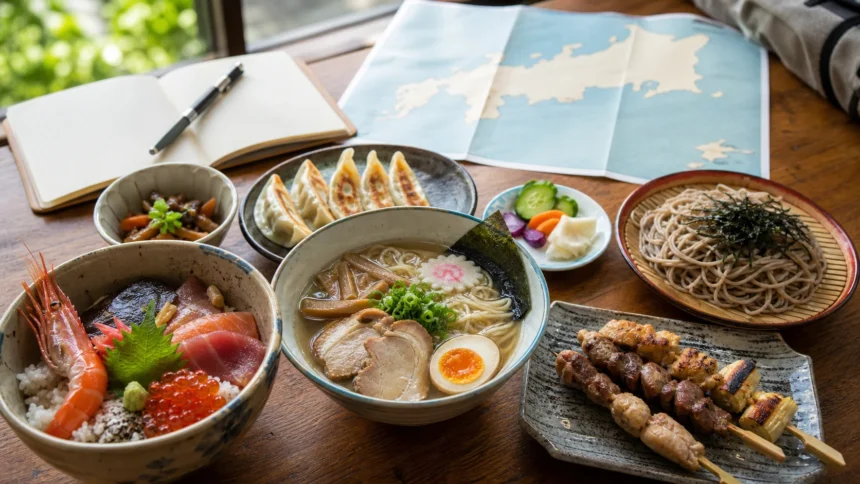
Short answer: For a first Hokkaido food trip, choose one main base and at most one separate regional stop before choosing dishes. Sapporo gives the widest low-friction mix of ramen, soup curry, jingisukan, seafood, sweets, and transport. Otaru can work as a coastal day trip when the current return connection is comfortable. Hakodate deserves a separate stay or open-jaw route, not a casual meal detour from Sapporo. Asahikawa and Tokachi add distinct ramen or agricultural context only when they fit the wider itinerary.
Build each day around one high-commitment meal and one flexible taste. Check transport before accepting a reservation. Treat market hours, catches, crops, queues, payments, and ingredients as shop-specific and changeable. “Hokkaido seafood” does not prove that a particular fish is local, in season, safe raw, or available today. “Hokkaido dairy” does not prove that a dessert is locally made, vegetarian, allergy-safe, or suitable for a long unrefrigerated journey.
Last checked: July 21, 2026. Train and flight operation, road conditions, market and shop hours, tenants, catches, harvests, menus, prices, reservations, payment methods, baggage facilities, and dietary accommodation can change. Recheck the exact operator, market, airport, facility, producer, or restaurant on the travel date.
Choose A Hokkaido Base Before Building A Food List
| Base or stop | Best first-trip role | Food focus | Main friction | Fallback |
|---|---|---|---|---|
| Sapporo | Main base for a short first visit | Ramen, soup curry, jingisukan, markets, cafés, sweets, broad restaurant choice | Popular queues, heavy meals stacking up, assuming every “Hokkaido” ingredient is local | Switch meal format within the city instead of chasing another district |
| Otaru | Conditional day trip or short coastal stay | Market browsing, seafood, sushi, sweets, port-city atmosphere | Return connection, market/shop variation, eating too much before a planned dinner | Protect the train back and use Sapporo for the evening meal |
| Hakodate | Separate southern stay or open-jaw stop | Morning-market breakfast, seafood bowls, Hakodate shio ramen, port-city food | Long connection from Sapporo, early market rhythm, store-by-store hours | Keep Hakodate for another trip rather than forcing a same-day turn |
| Asahikawa | Interior stop when the route already goes north or toward Biei/Furano | Asahikawa shoyu ramen and a different inland city base | Adding it only for one bowl, changing transport, venue-specific stocks | Try a regional ramen comparison in Sapporo without claiming equivalence |
| Tokachi / Obihiro | Agriculture-led separate stop, especially on an eastern route | Field-crop context, dairy, butadon, regional producers | Distance, rural access, limited transit, farm closures, car dependence | Use official Hokkaido agriculture material in the city and save farm visits for a dedicated route |
| New Chitose Airport | Arrival/departure buffer and disruption fallback | Restaurants, sweets, gifts, multiple formats in one facility | Flight pressure, changing tenants/hours, store-specific payment and allergens | Choose a clearly operating tenant after protecting check-in and security time |
JR Hokkaido’s official English guide treats Sapporo–Otaru, Sapporo–Hakodate, Sapporo–Asahikawa, Sapporo–Kushiro, and Sapporo–New Chitose Airport as distinct corridors. That is the central planning lesson. Hokkaido is not a compact restaurant district with scenic gaps between meals. A food choice can add a rail reservation, a last connection, a hotel change, winter exposure, or a rural driving decision.
Use the operator’s current route search instead of copying a permanent travel time from an itinerary. Protect the longest transfer first, then place the meal. If you need a broader first-visit workflow for Japan, start with our Japan food travel guide for first-time visitors.
What “Hokkaido Food” Means—And What It Does Not
Hokkaido Government documents large-scale rice, field-crop, livestock, and dairy agriculture. Official tourism material highlights seafood, ramen, soup curry, jingisukan, produce, and sweets. These sources support calling Hokkaido a major food-production region and describing distinct visitor food traditions.
They do not trace the ingredients in tonight’s bowl. A restaurant may use Hokkaido products, ingredients from elsewhere in Japan, imports, frozen stock, preserved food, or a mix. A crop’s harvest period is not the same thing as restaurant availability. A fishery calendar is not a promise about today’s landing, a market stall, or a menu. Weather, regulations, supply, storage, purchasing, and holidays can all change the result.
Use regional labels as questions, not proof:
- Where in Hokkaido is this food associated with?
- Is the source describing production, tourism promotion, a named producer, or a specific menu?
- Does “season” mean fishing, harvest, shipping, retail, restaurant service, or an event?
- Can the staff confirm today’s origin, or is the menu only using a broad Hokkaido theme?
- What changes if the item is sold out, the train is disrupted, or the weather closes a facility?
Our regional food guide to Japan uses the same boundary: regional identity helps build a route, but it does not turn every serving into a verified local product.
Hokkaido Food And Format Decoder
| Food or format | Useful regional context | Travel commitment | Ask before relying on it |
|---|---|---|---|
| Seafood bowl, sushi, or sashimi | Ports and markets across a large island, with species and supply varying by area and season | From quick market breakfast to reserved dinner | Origin, raw/cooked status, stock/sauce, shellfish, roe, same-day supply, cross-contact |
| Crab, uni, ikura, scallops, oysters, squid | Different fisheries and subregions, not one universal Hokkaido season | One dish, market purchase, grill, course, or takeaway | Species, source, availability, raw/cooked form, price, storage, allergy risk |
| Sapporo miso ramen | One of the official tourism “Big Three” regional ramen framings | Usually a flexible city meal, often with queue risk | Stock, pork, fish/shellfish, wheat, egg, soy, sesame, butter/dairy, ticket workflow |
| Hakodate shio ramen | Official tourism associates Hakodate with salt-based ramen | Best within a Hakodate stay, not a Sapporo meal detour | Chicken, kelp, seafood, pork, wheat, egg, fu, shop-specific broth |
| Asahikawa shoyu ramen | Official tourism describes soy-sauce broth and mixed seafood/pork-bone stock at a named ramen facility | Interior-city stop or part of a wider northern route | Exact shop stock, soy/wheat, fish, pork, egg, shared boiling and preparation |
| Soup curry | Sapporo official tourism treats it as a city soul food with variable broth, spice, rice, toppings, and protein | Casual lunch or dinner; ordering can take several choices | Broth base, spice scale, rice amount, vegetables, meat/seafood, dairy, allergens |
| Jingisukan | Hokkaido-associated grilled lamb or mutton format | Seated meal; smoke, grill, and group timing may matter | Marinade, sauce, shared grill/tongs, cooking responsibility, vegetables, payment, reservation |
| Dairy and sweets | Hokkaido is a major dairy-production region; products and producers still differ | Café break, farm visit, airport purchase, or refrigerated souvenir | Milk, egg, wheat, soy, nuts, gelatin, alcohol, storage, origin, cold chain |
| Potatoes, corn, onions, melon, beans, wheat, rice | Major production categories with region- and year-specific evidence | Restaurant ingredient, direct-sale purchase, farm stop, or seasonal menu | Harvest versus current sale, farm access, provenance, preparation, allergens |
Seafood: Choose A Place, Format, And Risk Level
“Eat seafood in Hokkaido” is not a finished plan. Decide whether you want a market breakfast, sushi counter, seafood bowl, cooked grill, hotel dinner, or takeaway. Then choose the area. Hakodate Morning Market is beside Hakodate Station and contains many separate stores. Otaru’s Triangle Market is beside Otaru Station and also operates shop by shop. Sapporo markets can be convenient from a city base, but they do not replace a port visit or prove the origin of every item.
Use this workflow:
- Read the exact shop. A market is not one business. Check its current day, hours, menu, and payment.
- Ask what is available today. Do not arrive with a fixed crab, uni, squid, oyster, or salmon-roe expectation.
- Separate source from format. “Hokkaido seafood” and “served in Hokkaido” are not the same provenance statement.
- Choose raw or cooked deliberately. Popularity, price, local origin, or the word “fresh” cannot guarantee safety.
- Plan the container. Ask where to eat and discard packaging and whether refrigeration is required. Do not carry a perishable bowl through a long rail day.
Japan’s Ministry of Health, Labour and Welfare publishes warnings about Anisakis food poisoning from raw seafood and other seafood hazards. This does not mean that all raw seafood is unsafe or that one venue can be judged from a national page. It means the article cannot promise that a market setting, freezing claim, or “caught today” language removes risk. Travelers who are pregnant, immunocompromised, medically vulnerable, or unsure about raw food should seek personal medical advice and choose a cooked option when appropriate.
Seafood Season Calendars Are Leads, Not Guarantees
Official Hokkaido tourism publishes a gourmet calendar, which is useful for generating questions about crab, scallops, salmon, sea urchin, oysters, melon, corn, and other foods. It is promotional and simplified. Fishing areas, species, rules, landings, storms, storage, restaurant purchasing, and menu design do not collapse into a single “best month.”
| Calendar signal | What it can tell you | What it cannot tell you | Same-day check |
|---|---|---|---|
| Seafood shown in a month | A tourism-supported seasonal association | That this species was landed locally today or is on your restaurant’s menu | Market/shop menu and origin answer |
| Crop harvest period | When production commonly peaks in a named region | That a café, farm shop, or restaurant has it now | Producer or venue notice |
| Festival or promotion | A dated event or marketing window | Permanent hours, annual repetition, or normal-year supply | Current organizer page |
| “Local” menu language | A claim worth asking about | Traceability for every ingredient | Current menu or staff confirmation |
The safest wording is modest: “This species or crop is associated with this place and period in current official material; check today’s supply.”
The Three Ramen Styles—Useful Map, Variable Bowls
Hokkaido’s official tourism site explicitly describes Hakodate shio ramen alongside Sapporo miso and Asahikawa shoyu as the island’s “Big Three” ramen styles. That gives travelers a useful geographic map. It does not standardize the recipes.
Sapporo Miso
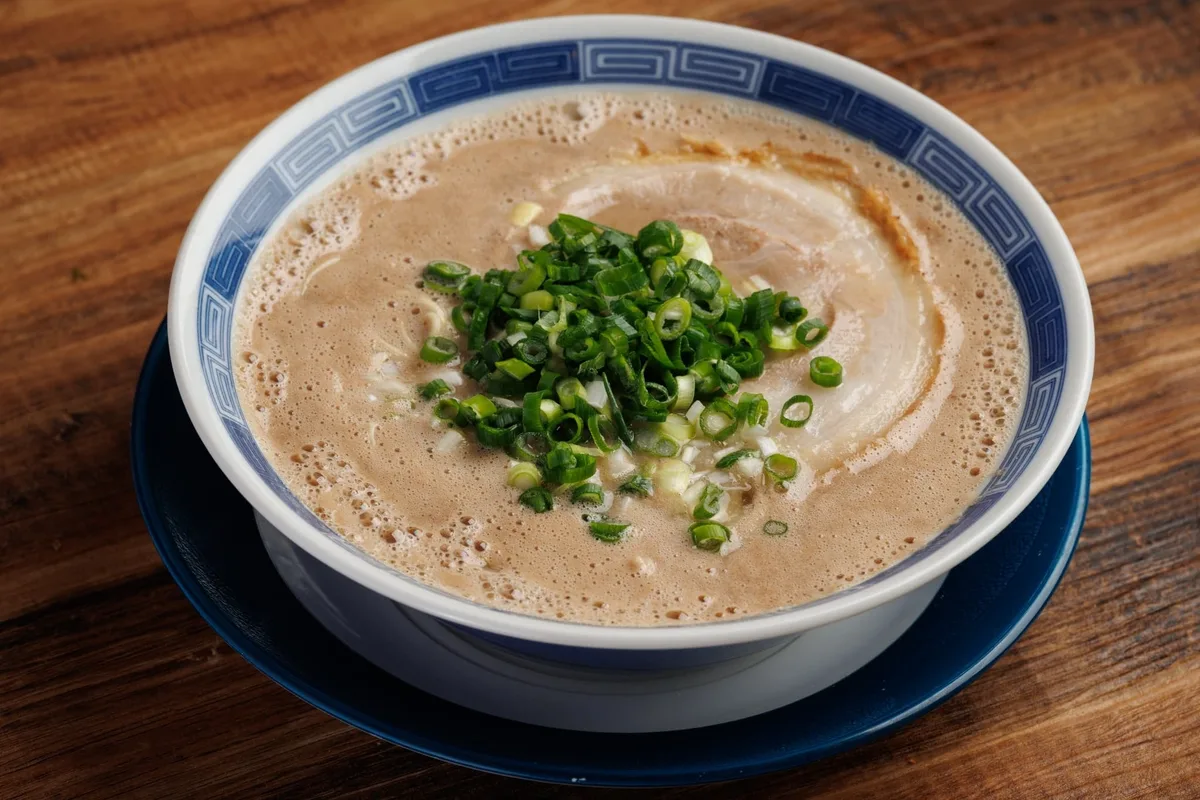
Use Sapporo miso ramen as a city food format, not a checklist for one famous shop. Broth can include pork, chicken, fish or shellfish elements; miso and soy can introduce soy; noodles contain wheat and may contain egg; butter, corn, sesame, and other toppings vary. Some shops use ticket machines, some take orders at the seat, and some use numbered queues. Observe before acting. If a machine appears, our restaurant ticket-machine guide explains the main workflows.
Hakodate Shio
The tourism framing emphasizes a clear salt-seasoned soup, but “clear” does not mean simple or safe for an allergy. Official tourism itself mentions chicken, kelp, seafood, wheat-gluten fu, and noodles in its description. A specific shop may differ. Treat Hakodate ramen as part of a southern stay alongside the market and port, not a reason to cross the island for lunch.
Asahikawa Shoyu
Official tourism describes soy-sauce broth with seafood and pork-bone elements at Asahikawa Ramen Village. That named example demonstrates why dietary assumptions fail: shoyu does not identify the full stock. Check the exact bowl. Asahikawa makes geographic sense when your route already includes the interior or a northern connection.
Soup Curry: Build The Bowl In The Right Order
Sapporo official tourism describes soup curry as a city soul food and shows how widely bowls can vary. The travel advantage is choice; the risk is assuming “vegetable curry” proves a vegetable stock.
- Choose the soup or protein and ask about the broth base.
- Choose the spice level using that shop’s scale; numbers are not comparable across restaurants.
- Choose rice size and whether it is included.
- Add toppings only after checking the existing bowl—fried vegetables, egg, cheese, meat, seafood, natto, or other additions can change allergens and weight.
- Confirm how to queue and pay before settling in for a long wait.
A bowl can involve fish or shellfish stock, meat stock, dairy, wheat, soy, sesame, egg, nuts, shared fryers, and cross-contact. “Spice” also does not describe heat consistently. Ask for the shop’s own scale and do not treat a staff recommendation as a medical safety assessment.
Jingisukan: The Grill Belongs To The Venue
Jingisukan is a Hokkaido-associated lamb or mutton meal, but there is no single traveler workflow. Meat may be marinated or served separately from sauce. Vegetables may cook around or beside the meat. A restaurant may expect diners to grill, may cook for them, or may give precise tongs and doneness instructions.
Before touching the grill, observe and ask. Confirm whether raw-meat tongs and eating chopsticks are separate. Do not move food between another table’s grill or share tools across an allergy boundary. Marinade and dipping sauce can contain soy, wheat, sesame, fruit, alcohol, or other ingredients. The shared grill may make cross-contact impossible to control.
This is often a full meal and can be smoky. Leave luggage at the hotel when possible, wear practical clothing, and decide whether the group wants a reservation-led dinner or a flexible walk-in. Do not stack it immediately after ramen and market sampling just because all three appear on a “must eat” list.
Dairy, Sweets, And The Cold-Chain Question
Hokkaido Government supports describing the prefecture as a major dairy region. The next claim must be narrower. A soft-serve cone at New Chitose Airport, a farm cheese, a city bakery, and a boxed souvenir have different producers, storage rules, ingredients, shelf lives, and travel limits.
For a café taste, enjoy the product where it is served. For a souvenir, read the package: milk, egg, wheat, soy, nuts, gelatin, alcohol, storage condition, and use-by or best-before date can matter. For chilled products, ask how long they may remain unrefrigerated and follow the producer’s instruction. Do not invent a safe travel time.
New Chitose Airport is useful because its official site exposes current restaurant and shop pages. The airport FAQ also says payment methods and hours vary by store. Protect check-in and security time first, then choose a tenant that is visibly operating. Airline carry-on rules belong to the airline; the airport does not create one rule for cream, liquids, ice packs, or international import at the destination.
Produce: Harvest, Menu, And Farm Visit Are Different
Hokkaido Government documents major field-crop and dairy agriculture. Potatoes, wheat, beans, onions, corn, rice, and other crops help explain the island’s food economy. Melon, asparagus, berries, pumpkins, and other seasonal products can shape a route when a current municipal, producer, or farm page supports them.
Use a four-step evidence ladder:
- Production: an official statistic says Hokkaido or a subregion is an important producer.
- Harvest: a current producer or official calendar identifies a period.
- Sale: the farm shop, market, or facility says it is selling the product now.
- Menu: the restaurant confirms today’s dish and, if relevant, the ingredient origin.
Do not skip from step one to step four. Farm access can also require a car, a reservation, appropriate footwear, and respect for private growing areas. Never enter fields or photograph workers without permission.
Sapporo: One Heavy Meal At A Time
Sapporo is the easiest first base because it gives multiple food formats without a hotel change. The danger is trying to complete ramen, soup curry, jingisukan, sushi, a market bowl, parfait, and beer in one day.
A better pattern is one substantial meal, one smaller taste, and one flexible fallback. For example, use a market or café in the morning, soup curry at lunch, and a lighter dinner. On another day, choose ramen for lunch and jingisukan for dinner. The point is not nutritional perfection; it is keeping queues, appetite, transport, and decision fatigue under control.
Market listings can help choose a district, but individual stalls set their own hours and rules. If your first queue is long, switch format. A city with many options rewards flexibility more than loyalty to a saved ranking.
Otaru: Protect The Return Before Ordering
Otaru can complement a Sapporo base with a coastal town, market, sweets, and port streets. JR Hokkaido provides the official Sapporo–Otaru corridor and current route search. Otaru Tourism Association places Triangle Market beside Otaru Station and explicitly says market and restaurant hours differ by shop.
Use the station as the decision point:
- Check current outward and return service before leaving Sapporo.
- Choose one market or seated lunch, not multiple full seafood meals.
- Ask the selling shop about eating place, rubbish, payment, origin, and allergens.
- Keep an earlier return option in winter or unstable weather.
- Do not accept a late reservation that removes your transport buffer.
If the market is crowded or the desired fish is unavailable, the day is not lost. Walk the town, choose a cooked set, sweets, or a lower-commitment meal, and return to Sapporo for dinner.
Hakodate: Build A Southern Stay, Not A Sapporo Detour
Hakodate works differently. JR Hokkaido presents Sapporo–Hakodate as a separate limited-express corridor. Treat Hakodate as its own stay, a southern arrival/departure point, or part of an open-jaw route.
Hakodate’s official travel guide places the Morning Market next to Hakodate Station and notes that its many shops sell seafood, produce, sweets, and processed foods. Crucially, it states that hours and holidays vary by store. Arrive with options rather than one exact stall. A market breakfast can be the main meal; later, choose Hakodate shio ramen or a lighter port-area meal rather than repeating another large seafood bowl.
Market proximity makes luggage and timing easier, but it does not guarantee lockers, seating, accessible paths, card acceptance, or a particular catch. Confirm each need on the day.
Asahikawa And Tokachi: Add Them Only When The Route Earns Them
Asahikawa’s shoyu ramen gives an inland contrast to Sapporo and Hakodate styles. It makes sense when paired with a northern or interior route. Going only for one bowl may consume more of the trip than the meal deserves. Use the current train search and reserve limited-express seats when the operator requires it.
Tokachi and Obihiro deepen the agricultural story. Hokkaido Government’s region-aware agriculture material supports the idea that production differs across the prefecture. A dedicated stay can connect butadon, dairy, field crops, and producers. It can also introduce rural road, bus, closure, and private-property constraints. Do not call a distant farm a Sapporo food stop.
New Chitose Airport: A Fallback, Not A Final Checklist
New Chitose Airport’s official site includes live flight status, transport, restaurants, shops, maps, and assistance. This makes it useful when weather, luggage, or departure time collapses a city plan. It does not guarantee that every regional dish, famous brand, or tenant is available.
On arrival, protect the connection to the city before joining a queue. On departure, complete airline and security tasks before ordering a meal that cannot be abandoned. Check the tenant’s own page for hours and payment; the airport FAQ expressly says they vary. If a card fails, the cash, card, and IC payment guide provides a recovery plan.
Six Route Patterns That Respect Hokkaido’s Scale
1. One-Day Sapporo Food Day
Choose a flexible breakfast or coffee, one high-interest lunch—ramen or soup curry—and one dinner format. Use the afternoon for a sweet or museum rather than another full meal. Failure point: a long lunch queue. Fallback: switch cuisine and save the first choice for another day.
2. Sapporo Plus Otaru
Check JR operation and the return before departure. Choose one Otaru market or seated lunch and keep dinner flexible in Sapporo. Failure point: a late queue, heavy snow, or service disruption. Fallback: take the earlier return and use a Sapporo restaurant.
3. Sapporo Plus Hakodate Open-Jaw
Give each city its own stay. Use Sapporo for soup curry, ramen, and jingisukan; use Hakodate for a market breakfast, shio ramen, and southern port context. Failure point: treating the transfer as empty time before a fixed dinner. Fallback: book no non-refundable meal near the arrival window.
4. Interior Route With Asahikawa
Pair Asahikawa with a route that already goes toward the interior or north. Make ramen one part of the stop, not its sole justification. Failure point: adding Biei, Furano, farms, and a ramen queue without transport margin. Fallback: remove the furthest detour.
5. Tokachi Agriculture Stop
Use Obihiro or another supported base and verify each farm, producer, and bus or driving route. Failure point: seasonal closure or car dependence. Fallback: use city restaurants and official product shops instead of entering rural areas unprepared.
6. Winter Disruption Or Luggage Day
Check JR Hokkaido, the airport, road or bus operator, and current weather before leaving. Keep one meal unreserved. Use a station, hotel, or airport facility with a current listing. Failure point: protecting a restaurant booking instead of the last safe connection. Fallback: cancel within the stated terms and choose a clearly operating nearby venue.
Reservations, Queues, Payment, And Timing
| Venue format | Commitment | Variable points | Fallback |
|---|---|---|---|
| Market shop | Low until purchase | Hours, supply, seating, origin, payment, rubbish, allergens | Another shop or a seated cooked meal |
| Ramen counter | Low to medium | Ticket machine, queue sheet, stock, toppings, sell-out, payment | Different ramen shop or another casual format |
| Soup curry | Medium | Queue, broth, spice scale, rice, toppings, payment | A simpler curry or rice meal |
| Jingisukan | Medium to high for groups | Reservation, grill method, smoke, marinades, shared tools, duration | Cooked set meal without a shared grill |
| Farm or producer experience | High when transport depends on it | Season, reservation, weather, road, opening, language, access | City shop or airport/station product counter |
| Airport or station tenant | Low, but time-critical | Tenant, hours, queue, payment, security/boarding margin | Another current tenant or packaged food with a readable label |
There is no Hokkaido-wide reservation or cash rule. Read the exact venue. A payment card may be used for a deposit, guarantee, or final bill; these are different. For a fixed dinner after a long rail trip, read cancellation and late-arrival terms before booking. Our restaurant reservation guide covers hotel help, card guarantees, changes, no-shows, and fallback planning.
Allergies, Vegetarian, Vegan, Halal, And Religious Needs
| Food cue | Hidden questions | What the name does not prove |
|---|---|---|
| Seafood bowl | Fish species, shellfish, roe, soy, wheat, sesame, egg, alcohol, shared knives/boards | One-allergen food, local origin, or raw-food safety |
| Ramen | Wheat, egg, soy, pork, chicken, fish/shellfish stock, sesame, butter/dairy, shared water | Suitability from “miso,” “shio,” or “shoyu” alone |
| Soup curry | Meat/fish stock, shellfish, wheat, dairy, soy, sesame, egg, nuts, shared fryer | Vegetarian because vegetables are visible |
| Jingisukan | Lamb/mutton, sauce, soy, wheat, sesame, alcohol, shared grill and tongs | Halal status or cross-contact control |
| Dairy sweet | Milk, egg, wheat, soy, nuts, gelatin, alcohol, shared bakery equipment | Vegetarian, egg-free, or safe because it is “Hokkaido dairy” |
| Produce dish | Stock, dressing, butter, meat garnish, wheat/soy sauce, shared equipment | Plant-based from the crop name alone |
The Consumer Affairs Agency’s English guide distinguishes packaged foods from restaurant, bakery, and display-case foods and tells users to ask staff. Its eating-out materials also warn about unintended mixing and cross-contact. A menu phrase or communication sheet starts a conversation; it cannot certify the kitchen.
- Read the current first-party menu or dietary statement.
- Contact a reservation-led venue before paying.
- Name each ingredient, stock, sauce, alcohol, and shared-equipment concern.
- Choose cooked food if raw-food risk is outside your comfort or medical advice.
- Leave when the answer is incomplete for your safety threshold.
Use our Japan food allergy guide for travelers for the full preparation, communication, and emergency workflow.
Useful Japanese Phrases
| Need | Japanese and romanization | Meaning and limit |
|---|---|---|
| Reservation | 予約は必要ですか? Yoyaku wa hitsuyō desu ka? |
Do I need a reservation? |
| Service time | 料理が出るまで、どのくらいかかりますか? Ryōri ga deru made, dono kurai kakarimasu ka? |
How long will the food take? |
| Last connection | 最終の電車は何時ですか? Saishū no densha wa nanji desu ka? |
What time is the last train? Confirm with the operator. |
| Today’s availability | 今日はこの料理はありますか? Kyō wa kono ryōri wa arimasu ka? |
Is this dish available today? |
| Origin | この魚介はどこから来ましたか? Kono gyokai wa doko kara kimashita ka? |
Where did this seafood come from? Staff may not have traceability details. |
| Raw or cooked | これは生ですか、加熱していますか? Kore wa nama desu ka, kanetsu shite imasu ka? |
Is this raw or cooked? |
| Allergy | 貝のアレルギーがあります。 Kai no arerugī ga arimasu. |
I have a shellfish allergy. Replace the ingredient as needed; this is not a guarantee. |
| Stock | 魚や肉の出汁は入っていますか? Sakana ya niku no dashi wa haitte imasu ka? |
Does this contain fish or meat stock? |
| Shared equipment | 同じ油や調理器具を使いますか? Onaji abura ya chōri kigu o tsukaimasu ka? |
Do you use the same oil or cooking equipment? |
| Queue | どこに並べばいいですか? Doko ni narabeba ii desu ka? |
Where should I queue? |
| Eating place | これはどこで食べてもいいですか? Kore wa doko de tabete mo ii desu ka? |
Where may I eat this? |
| Rubbish | ごみはどこに捨てればいいですか? Gomi wa doko ni sutereba ii desu ka? |
Where should I put the rubbish? |
| Payment | どの支払い方法が使えますか? Dono shiharai hōhō ga tsukaemasu ka? |
Which payment methods are accepted? |
| Bill | お会計をお願いします。 Okaikei o onegai shimasu. |
The bill, please. |
Five Real Hokkaido Food Decisions
1. Three Famous Meals In One Sapporo Day
Do not make ramen lunch, soup curry afternoon, and jingisukan dinner three fixed queues. Choose one fixed dinner, one flexible lunch, and one small taste. If lunch runs late, move the second specialty to another day.
2. Otaru Lunch With A Sapporo Dinner
Check the current return first. Eat one Otaru lunch and keep the Sapporo dinner reservation late enough to absorb a missed train or cancel it. If transport weakens, return early and use Sapporo as the fallback.
3. Hakodate During A Short Sapporo Stay
Do not turn Hakodate into a same-day food detour. Either give it a separate night or save it for another route. A relaxed Sapporo day provides more useful food experience than a long transfer built around one market bowl.
4. Family At New Chitose Airport In Winter Disruption
Check flight and ground transport, keep luggage under control, and choose one current airport tenant. Do not leave the airport for a food side trip while the onward connection is uncertain. Payment, hours, and dietary details belong to the tenant page.
5. Shellfish, Dairy, Wheat, Or Religious Constraint
Do not rely on visible seafood, “miso,” vegetables, lamb, or dairy branding. Ask about stock, sauce, shared grills/fryers, alcohol, pork, wheat, soy, sesame, milk, egg, and cross-contact. If staff cannot confirm the required boundary, use packaged food with a current label or a pre-researched venue.
FAQ
What food is Hokkaido known for?
Official sources support seafood, major dairy and field-crop production, Sapporo miso ramen, Hakodate shio ramen, Asahikawa shoyu ramen, soup curry, jingisukan, sweets, and regional produce. Not every ingredient served in Hokkaido is local or in season.
Is Sapporo enough for a first Hokkaido food trip?
Yes for a short first visit. It offers many formats and easy fallbacks. Add another region only when its transport and overnight logic improve the wider trip.
Can I visit Otaru from Sapporo?
JR Hokkaido operates the corridor, and Otaru can work as a day-trip pattern. Check the current timetable, operation, weather, and return connection before making a meal reservation.
Is Hakodate a day trip from Sapporo?
This guide does not recommend treating it as one. The official rail operator presents Sapporo–Hakodate as a distinct long corridor. Give Hakodate a separate stay or open-jaw role.
What seafood is in season?
Official calendars offer leads, not guarantees. Species, subregion, fishery rules, landings, weather, storage, and restaurant purchasing matter. Check today’s market or restaurant.
Is market seafood always local and safe raw?
No. A market location does not prove origin or remove food-poisoning risk. Ask about source and preparation, follow personal medical advice, and choose cooked food when appropriate.
What are Hokkaido’s main ramen styles?
Hokkaido official tourism uses Sapporo miso, Hakodate shio, and Asahikawa shoyu as a “Big Three” frame. Shops still vary in stock, noodles, toppings, allergens, queues, and payment.
Do I need restaurant reservations?
Not universally. Markets and ramen are often flexible; group grills, fixed courses, farms, or high-demand dinners may require planning. Use the exact venue’s current rule.
Can I travel for food in Hokkaido without a car?
Yes in major city and rail-corridor plans. Rural farms, remote coasts, and some producers may require a car or limited bus. Do not add them without a current access plan.
What should I do during winter disruption?
Check JR, airport, bus/road operator, and weather information; protect the last connection; keep one meal flexible; and use a station, airport, or hotel-area fallback.
Is Hokkaido cash-only?
No island-wide claim is reliable. Payment varies by store and venue. New Chitose Airport itself tells users to check each tenant. Carry yen as a fallback.
What should I eat at New Chitose Airport?
Choose from current tenants after protecting check-in, security, and boarding time. Use the airport’s live restaurant directory; do not expect one permanent list or assume shared payment and allergen rules.
How many food regions fit into three days?
Usually one main base plus one nearby or separate stop. Sapporo plus Otaru is a practical pattern when transport is stable. Sapporo plus Hakodate needs a much larger route commitment.
How should I handle allergies or religious restrictions?
Use current first-party information, contact fixed-meal venues early, ask about stock and shared equipment, and keep a fallback. Read our Japanese food etiquette guide for queue, grill, photography, and mistake-recovery basics.
Official And First-Party Sources
- HOKKAIDO LOVE! official tourism site — Gourmet
- HOKKAIDO LOVE! — Soup Curry
- Welcome to Sapporo — Soup curry
- HOKKAIDO LOVE! — Hakodate Ramen
- HOKKAIDO LOVE! — Asahikawa Ramen Village
- JR Hokkaido — timetable, route map, and train guide
- JR Hokkaido — live train operation information
- JR Hokkaido — regular tickets and major routes
- Hokkaido Government — Agriculture in Hokkaido
- Travel Hakodate — Hakodate Morning Market
- Otaru Tourism Association — Otaru Triangle Market
- New Chitose Airport — flight, transport, and facility information
- New Chitose Airport — FAQ
- Consumer Affairs Agency — Food Labelling
- Consumer Affairs Agency — food allergy when eating out
- Ministry of Health, Labour and Welfare — preventing Anisakis food poisoning
- Ministry of Health, Labour and Welfare — food-poisoning causes beyond bacteria
Editorial disclosure: This article was independently planned and written for international travelers. It is not a translation of a Japanese article. No restaurant, market, farm, producer, railway, airport, tourism body, booking service, or payment company paid for inclusion. There are no affiliate links, sponsored rankings, or paid listings. Official and first-party sources establish only the bounded facts attributed to them; they do not guarantee current operation, schedules, catches, crops, menus, prices, payment, access, religious suitability, or allergy safety.