Japanese food basics: what to eat and how it works
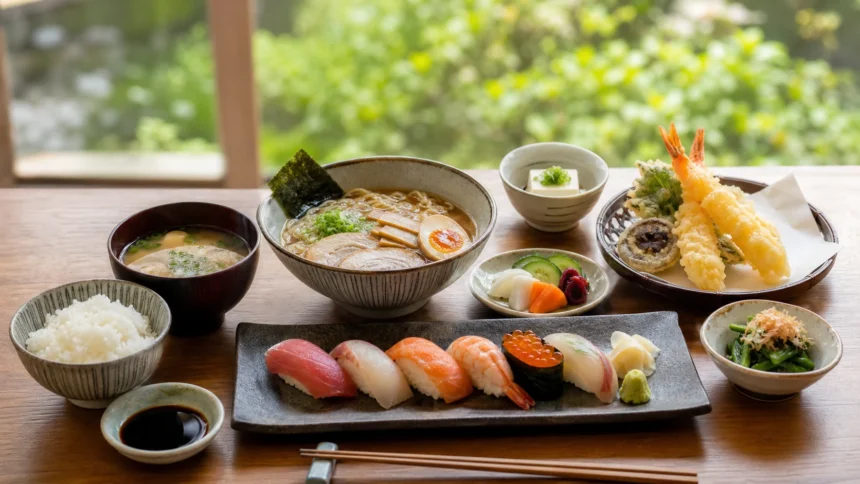
Short answer: start with the kind of food decision you need to make. Choose ramen, sushi, udon, soba, breakfast, convenience stores, markets, food halls, hotel dining, or station food based on your schedule, dietary needs, budget, and confidence with ordering systems.
Last checked: August 4, 2026. Menus, prices, opening hours, reservations, payment methods, shop rules, allergy support, and English-language help vary by venue. Confirm current details with the exact shop, hotel, station, or official source before relying on them.
Use this page as the food-format map
Japan food planning becomes easier when you stop asking only, “What should I eat?” and ask, “What kind of food situation am I entering?” A ramen shop, sushi counter, convenience store, hotel breakfast, market street, and station food hall all solve different travel problems. They also have different ordering systems, price units, timing, seating, and dietary risks.
This page is the parent guide for those basic formats. It is not a ranking of famous foods. It is a route selector for first-time visitors who need to choose the right next guide.
Choose by travel situation
| If you need… | Start here | Why |
|---|---|---|
| A fast, focused meal | Japanese Ramen Styles Explained | Ramen is convenient, but broth, ticket machines, queues, and dietary boundaries matter. |
| Your first ramen-shop visit | Ramen Shop Guide for First-Time Visitors | Use this when the main question is how to enter, order, use ticket machines, sit at a counter, pay, and leave. |
| A controlled first sushi experience | Sushi in Japan for First-Time Visitors | Choose the format before the fish: conveyor belt, set meal, counter, takeaway, or course. |
| Help choosing a sushi restaurant type | Sushi Restaurant Types in Japan | Compare conveyor-belt sushi, casual chains, standing sushi, counters, courses, and takeaway before committing. |
| Noodles with simple options | Udon and Soba in Japan | Hot, cold, dipping, standing shops, and flour questions change the decision. |
| A low-friction backup meal | Japanese Convenience Store Food Guide | Useful for breakfast, late arrivals, trains, weather, and emergency meals. |
| An easy hotel-room dinner | Convenience Store Dinner in Japan | Use this after late check-in, rain, fatigue, or a failed restaurant plan. |
| A quick morning meal before a busy day | Convenience Store Breakfast in Japan | Choose breakfast before early trains, sightseeing, theme parks, checkout, or jet-lagged mornings. |
| A better morning plan | Japanese Breakfast Guide for Travelers | Breakfast should protect the day, not create a long detour before sightseeing. |
| Comfort food with easy ordering | Japanese Curry Guide for Travelers | Choose curry rice by spice comfort, toppings, budget, route timing, and dietary needs. |
| Matcha sweets and drinks | Matcha Food and Drinks in Japan | Useful for cafes, sweets, souvenirs, tea drinks, and ingredient cautions. |
| Seasonal fruit and gifts | Japanese Fruit Guide for Travelers | Use this before choosing parfaits, fruit shops, department-store gifts, or export-sensitive souvenirs. |
| A portable meal for trains or hotels | Bento Box Guide in Japan | Compare station, convenience-store, depachika, and hotel-room bento choices. |
| A fried set meal or counter lunch | Tempura Restaurant Guide in Japan | Use this before choosing tempura sets, bowls, counters, or department-store restaurant meals. |
| A filling pork cutlet set | Tonkatsu Guide in Japan | Explains pork cutlet sets, sauce, cabbage, portions, refills, and allergy cautions. |
| A low-pressure group restaurant | Family Restaurants in Japan | Useful for children, jet lag, mixed preferences, late meals, drinks, and backup planning. |
| A flexible group meal indoors | Food Courts in Japan | Good for malls, stations, service areas, rainy days, families, and groups with mixed preferences. |
| Ready-to-eat food beyond konbini | Supermarket Meals in Japan | Use supermarkets for ready-to-eat dinners, fruit, breakfast items, snacks, and budget hotel meals. |
| Food streets, markets, and browsing | Best Food Streets and Markets in Japan | Good for sampling, but timing, crowding, eating location, and current shop status matter. |
| A street-food and market route map | Japanese Street Food and Market Food Guide | Use this hub before choosing takoyaki, okonomiyaki, yakitori, gyoza, market snacks, or festival food. |
| A budget-aware food plan | Japan Budget Food Guide for Travelers | Use this hub to balance convenience stores, lunch sets, chains, supermarkets, food courts, and one priority meal. |
| Indoor food halls and gifts | Depachika Food Halls in Japan | Department-store basement food floors are useful for bento, sweets, gifts, rainy days, and takeout. |
| Restaurant floors above department stores | Department Store Restaurant Floors in Japan | Good for seated meals, family groups, rainy days, and comparing restaurants in one building. |
| Food near shopping and station areas | Japan Shopping Area Food Guide | Use shopping areas for department stores, station buildings, cafes, food halls, sweets, rainy days, and easy dinners. |
| A familiar comfort meal | Omurice in Japan | Good for families, tired groups, casual lunches, and familiar-looking comfort food with ingredient checks. |
| Sweets, cafes, and souvenirs | Sweets in Japan for Travelers | Use this guide for wagashi, parfaits, crepes, seasonal sweets, station gifts, and storage cautions. |
| Cafe mornings and dessert breaks | Japanese Cafe Guide | Use cafes for morning sets, desserts, chains, independent shops, rest breaks, and route recovery. |
| Food gifts for home | Food Souvenirs in Japan | Compare station, airport, department-store, and shelf-stable gifts before buying. |
| Bakery breakfast or snacks | Japanese Bakery Guide | Useful for breakfast, train snacks, hotel-room meals, sandwiches, filled bread, and allergen checks. |
| Vending machine drinks and backup | Vending Machine Food and Drinks in Japan | Useful for hydration and simple travel backup, but not a full meal plan. |
| Drinks across the trip | Japanese Drinks Guide | Tea, coffee, soft drinks, alcohol, vending machines, cafes, and hydration planning. |
| Station food before or after transit | Tokyo Station Food Guide | Station food is about gates, time, luggage, queues, and takeout choices. |
| Food for a long train ride | Ekiben Guide for Japan Train Travel | Ekiben planning covers when to buy station bento, where to eat it, onboard etiquette, storage, and rubbish. |
| Lodging-based meals | Hotel Dining in Japan | Hotel breakfast, meal plans, ryokan meals, and area choice can shape the whole day. |
| A casual shared dinner | Japan Izakaya Guide for First-Time Visitors | Izakaya planning includes otoshi, table charges, shared plates, drinks, last order, and group payment. |
The four questions to ask before choosing food
- What is the schedule? A famous meal is not worth missing a train, timed entry, or hotel checkout.
- How will ordering work? Look for a ticket machine, counter order, tablet, reservation, set menu, course, or self-checkout.
- What is the dietary boundary? Soup stock, sauces, shared tools, wheat, soy, seafood, egg, dairy, sesame, nuts, pork, alcohol-derived seasonings, and cross-contact can be hidden.
- Where will you eat and pay? A convenience-store bento, market snack, station meal, and counter restaurant all have different seating, rubbish, luggage, and payment friction.
Restaurant formats are part of the food
The same food can feel different depending on the format. Sushi at a conveyor-belt restaurant is not the same travel commitment as an omakase counter. Ramen in a ticket-machine shop is not the same workflow as a table-service restaurant. Udon at a standing shop is not the same pace as a seated meal. Convenience-store food may be easy to buy but difficult to eat if you have no table, microwave, or rubbish plan.
That is why this pillar groups articles by traveler decisions, not only by dish names.
First-time visitor path
If this is your first Japan trip, a simple path works well. Use convenience stores and breakfast guides for backup and morning control. Choose one noodle guide for a casual meal. Choose the sushi guide before committing to an expensive course. Use markets and station food when the route already passes through them. Use hotel dining when the morning or evening would otherwise be stressful.
After that, move into regional, seasonal, and practical guides. Food in Japan is not only a list of dishes; it is also timing, transport, weather, reservation rules, and the exact place where you eat.
How this pillar should grow
This page should be updated whenever a new basic food-format guide is added. Current next child topics include casual chains and how to choose a special meal without overcommitting. The newest food-format additions cover matcha, fruit, drinks, cafes, department-store restaurant floors, food souvenirs, and convenience-store dinners.
When a child guide is added, this page should receive a short route-selector row and the child should link back here. If a child article becomes too broad, split the navigation role into a separate hub and keep this page as the top pillar.
Common mistakes
- Choosing a famous dish without checking the ordering system.
- Assuming an English menu title explains ingredients or allergens.
- Planning every meal as a destination instead of keeping backups near the route.
- Using one viral list as if it applied to every city, season, and branch.
- Forgetting that station gates, hotel location, luggage, and weather can decide the best meal.
FAQ
What Japanese food should I try first?
Choose by situation. Ramen, sushi, udon, soba, convenience-store food, breakfast, markets, and station food are all good first choices when the format fits your route.
Is Japanese food difficult for allergies or strict diets?
It can be. Many risks are hidden in stock, sauces, shared tools, packaged ingredients, and set menus. Use specific allergy and dietary guides before relying on appearance or English dish names.
Should I book restaurants before traveling?
Book when the meal is central to the trip, the restaurant requires reservations, the group is large, or cancellation rules are acceptable. Keep casual meals flexible.
Related practical guides
For itinerary planning, read Japan Food Itinerary Planning Pillar. For reservations, read How to Reserve Restaurants in Japan. For allergies, read Japan Food Allergy Guide for Travelers. For payment, read Cash, Cards, and IC Payments for Food Travel in Japan. For etiquette, read Japanese Food Etiquette for First-Time Visitors.
Sources
Editorial disclosure: This guide is independent. It organizes existing food-format guides and does not rank or promote specific restaurants.