Matcha Food and Drinks in Japan: Cafes, Sweets, Souvenirs, and Cautions
Short answer: Choose matcha by intensity, format, caffeine needs, route, and storage rather than assuming every green dessert tastes the same.
This cluster supports Japanese Food Basics. Use the parent for the wider route, then use this page for the specific food decision.
Last checked: August 4, 2026. Menus, prices, hours, reservations, seasonal availability, payment methods, and venue rules can change. Confirm current details with the exact official source before relying on them.
Matcha is more than one cafe drink
Travelers may meet matcha as a whisked drink, a latte, soft serve, shaved ice topping, wagashi filling, chocolate, cookies, or a souvenir powder. These formats can have very different sweetness, bitterness, caffeine, and storage needs. A matcha dessert is often designed for aroma and color, while a traditional tea experience may focus more on preparation and balance.
Ask what the product actually contains. A green-colored dessert may use matcha, another tea powder, or flavoring, and a menu name may not explain the strength. If you dislike bitterness, start with a sweet dessert or milk-based drink. If you want to taste the tea itself, choose a simpler drink and ask whether sugar or milk is included.
Plan a matcha stop by route
Matcha is easiest to enjoy when it is attached to a sightseeing, shopping, or cafe area already on your route. Some popular tea shops have queues, limited seating, or a menu that changes during the day. Put the stop after a flexible activity, not between two timed reservations. For a short trip, a department-store food floor or station building may offer a lower-friction alternative.
A matcha-focused day can mix one seated drink, one small sweet, and one gift purchase. Avoid booking several distant cafes just because each appears in a social post. The experience is more useful when the route leaves time for weather, crowds, and a non-matcha meal.
Caffeine, sweetness, and gifts
Matcha contains caffeine, and the amount depends on the serving and recipe. If you are sensitive, avoid stacking a strong tea, coffee, energy drink, and late-night dessert without checking how you feel. Children may prefer a non-tea sweet or a very small shared portion. Menus may use the word matcha without explaining caffeine clearly, so ask when it matters.
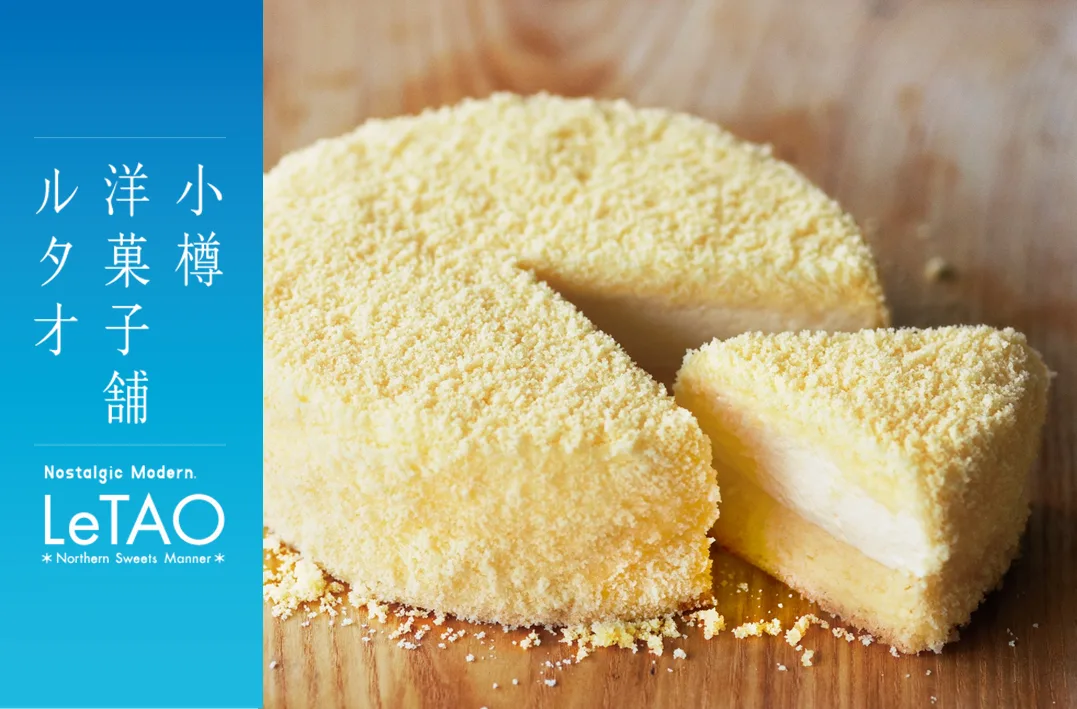
For souvenirs, check whether the item needs refrigeration, how long it keeps, and whether the package will survive a hot day in luggage. Powder is compact but needs a dry container. Fresh sweets and cream desserts are route purchases, not airport-day purchases, unless the seller gives clear storage guidance.
Respect the tea setting
A tea room, a modern cafe, and a market stall have different expectations. Follow the venue’s queue, seating, photography, and payment rules. Do not handle displays or utensils for a photo, and ask before photographing another guest’s tea service. A calm visit usually creates a better memory than trying to record every step.
If a shop sells a ceremonial experience, read its time limit and cancellation rules. If you only want a taste, a regular drink may be the better match. Both choices are valid; the important point is to choose the format that fits your interest and day.
Quick chooser
| Traveler situation | Useful starting point | Check first |
|---|---|---|
| First matcha experience | Sweet drink or dessert in a seated cafe | Bitterness, sugar, milk, and queue. |
| Tea-focused visit | Simple tea or formal tea experience | Time limit, etiquette, and booking. |
| Caffeine-sensitive traveler | Small portion or non-tea alternative | Tea powder, coffee, and serving size. |
| Gift shopping | Shelf-stable packaged sweets or powder | Storage, best-before date, and luggage. |
| Rainy-day plan | Station or department-store cafe | Indoor route and closing time. |
Before you leave the area
- Whether the menu is a drink, dessert, tea service, or packaged gift.
- Caffeine, sugar, dairy, and allergy information when relevant.
- Queue, seating, photography, payment, and last-order rules.
- Storage temperature, shelf life, and luggage space for souvenirs.
- A nearby non-matcha meal or cafe if the queue is too long.
FAQ
Is matcha always bitter?
No. Sweetness, milk, toppings, and recipe change the balance. Ask about intensity or choose a small serving first.
Can children drink matcha?
Matcha contains caffeine, so families should check the recipe and portion. A non-tea sweet or shared taste may be more suitable.
Is matcha a good souvenir?
It can be, especially in a sealed package with clear storage information. Fresh desserts need a different plan and may not travel well.
Related guides
Japanese Food Basics | Japanese Cafe Guide | Food Souvenirs in Japan
Sources
Editorial disclosure: This guide is independent and does not rank or promote specific restaurants, hotels, shops, brands, venues, events, products, or booking services.