Food Souvenirs in Japan: What to Buy at Stations, Airports, and Department Stores
Short answer: Choose food souvenirs by shelf life, storage, luggage, recipient, and destination rules rather than by packaging alone.
This cluster supports Japanese Food Basics. Use the parent for the wider route, then use this page for the specific food decision.
Last checked: August 4, 2026. Menus, prices, hours, reservations, seasonal availability, payment methods, and venue rules can change. Confirm current details with the exact official source before relying on them.
Start with the journey home
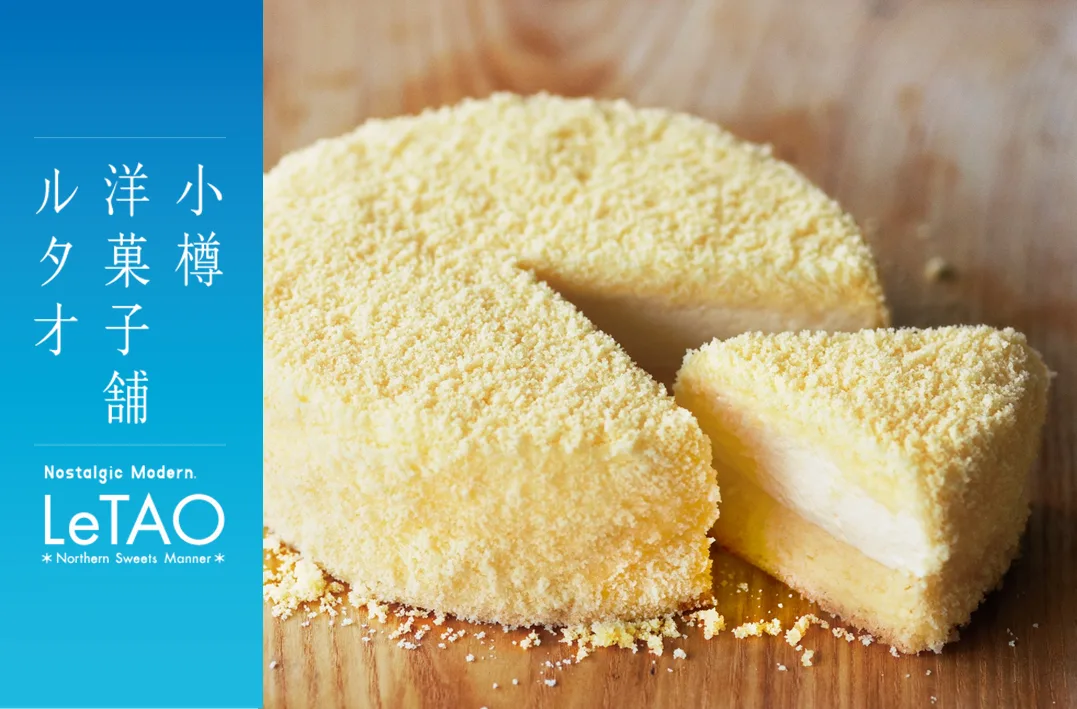
Food souvenirs are easiest to choose when you know when they will be bought, how long they will be carried, and who will eat them. A chilled cake, fresh fruit, or soft cream item solves a different problem from sealed cookies, tea, rice crackers, or small confectionery. Beautiful packaging does not remove storage requirements.
Buy fragile or short-life items near the end of the trip when possible. Station and airport shops are convenient, while department stores and regional shops may offer more variety. Check the exact product label and destination rules before purchasing in quantity.
Compare shopping locations
Station shops are useful for last-minute purchases and train-friendly packages. Airports may have gift counters and duty-related procedures, but stock and opening hours differ. Department-store food halls can provide more careful packaging, premium fruit, sweets, tea, and regional products.
A local producer or market can be meaningful, but it may sell fresh products that require immediate care. Match the purchase to the route. If you will spend the afternoon walking in heat, do not buy a chilled gift at noon unless you have a safe storage plan.
Read the package
Check the best-before date, storage temperature, allergens, serving instructions, quantity, and whether the item is individually wrapped. For a group gift, individual wrapping is practical. For a host or family gift, regional identity or presentation may matter more than the number of pieces.
If you have a serious allergy or dietary restriction, read the label and ask staff when the wording is unclear. Packaged labels are useful, but they do not answer every destination customs question or guarantee suitability for every recipient.
Avoid gift regret
Keep an allowance for weight, fragile boxes, and liquids. Use a separate bag for food and protect it from compression. Do not promise a fresh item to someone who cannot receive it quickly. A smaller shelf-stable gift is often more considerate than a premium item that will spoil.
When buying regional products, confirm the producer and place rather than relying on a generic souvenir label. The story should be accurate, and the item should still fit your travel day.
Quick chooser
| Traveler situation | Useful starting point | Check first |
|---|---|---|
| Long flight home | Individually wrapped shelf-stable sweets | Best-before date and luggage. |
| Same-day gift | Fresh or chilled local item | Storage and recipient timing. |
| Train transfer | Compact station package | Fragility, liquid, and carrying. |
| Premium gift | Department-store food-hall item | Packaging, price, and destination rules. |
| Dietary concern | Clearly labeled packaged item | Ingredients and cross-contact information. |
Before you leave the area
- Best-before date, storage temperature, ingredients, and serving instructions.
- Weight, breakage, liquids, and how long the item will be carried.
- Station, airport, department-store, or producer opening hours.
- Destination customs and import rules for food, plants, alcohol, or liquids.
- Whether the recipient can eat the item before its quality changes.
FAQ
What are easy Japanese food souvenirs?
Individually wrapped, shelf-stable sweets, tea, rice crackers, and similar products are often easier to carry, but check the exact label.
Should I buy souvenirs at the airport?
Airport shopping is convenient near departure, but selection, hours, and rules vary. Buy earlier only when storage and luggage are clear.
Can I bring fresh food home?
Destination rules and storage needs decide this. Check both the seller’s guidance and the official destination requirements.
Related guides
Japanese Food Basics | Department Store Food Floors | Japanese Fruit Guide
Sources
Editorial disclosure: This guide is independent and does not rank or promote specific restaurants, hotels, shops, brands, venues, events, products, or booking services.