Department Store Restaurant Floors in Japan: How to Use Them Well
Short answer: Use a department-store restaurant floor as an indoor food base for choice, weather protection, toilets, gifts, and route flexibility, while checking floors, queues, and closing times.
This cluster supports Japanese Food Basics. Use the parent for the wider route, then use this page for the specific food decision.
Last checked: August 4, 2026. Menus, prices, hours, reservations, seasonal availability, payment methods, and venue rules can change. Confirm current details with the exact official source before relying on them.
Why department stores help travelers
A department store can combine restaurants, cafes, food halls, packaged gifts, seating, toilets, and transport access in one building. This makes it useful on rainy days, for families, for mixed budgets, and for a group that cannot agree on one cuisine. The restaurant floor is not the same as the basement food hall, so check which level solves your need.
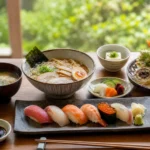
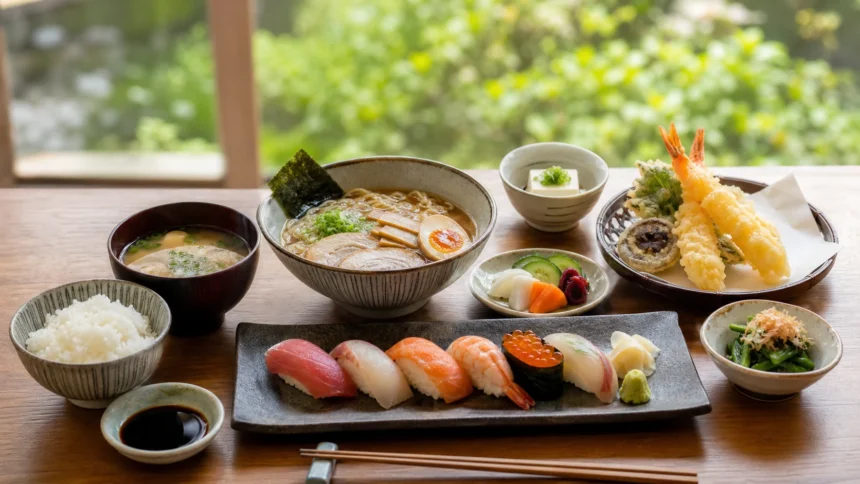
Restaurant floors may include Japanese set meals, noodles, sushi, western-style dishes, cafes, desserts, and family restaurants. A food hall may be better for takeaway or browsing. The building’s own directory is more reliable than an old blog post because tenants and hours can change.
Navigate the building
Start by locating the floor directory, elevators, toilets, and exits. A large building may have multiple food zones, and the nearest entrance may not lead directly to the restaurant floor. If you have luggage or a stroller, check the elevator route before joining a queue.
Use the floor as a decision area, not as a guarantee of immediate seating. Popular restaurants may use a name list or numbered ticket. Split the group only if everyone understands the meeting point and payment plan.
Food halls and souvenirs
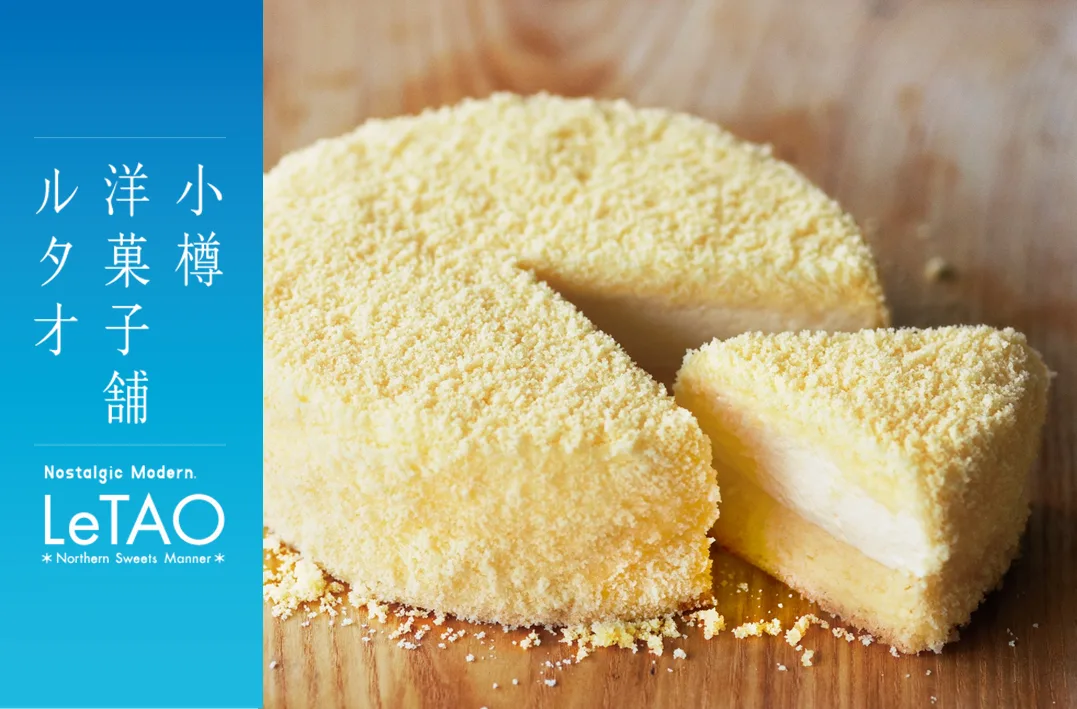
The basement food hall is useful for packaged sweets, bentos, tea, fruit, and regional gifts. Fresh items may need refrigeration, while sealed products are easier to carry. Compare best-before dates, packaging, and luggage space before buying a beautiful box for a long day.
Do not open a takeaway meal in a place that does not permit eating. Ask staff or use a designated seating area. Keep sauces and liquids secure, especially if you are moving by train.
A flexible indoor meal plan
Choose one main restaurant, one cafe or food-hall alternative, and one nearby station or hotel backup. This keeps the plan usable if a tenant is closed, a queue is too long, or the group needs a different price range.
Department stores often close earlier than nightlife areas, and restaurant last order may be earlier still. Check the exact building and restaurant before leaving the sightseeing area.
Quick chooser
| Traveler situation | Useful starting point | Check first |
|---|---|---|
| Rainy day | Restaurant floor or food hall | Indoor route, hours, and elevators. |
| Mixed group | Choose a floor with several cuisines | Queue, meeting point, and payment. |
| Gift shopping | Basement food hall | Shelf life, storage, and luggage. |
| Family trip | Seated restaurant near toilets | Stroller, children, and waiting. |
| Late dinner | Hotel or station alternative | Last order and building closing time. |
Before you leave the area
- Building hours, restaurant last order, and holiday closures.
- Floor directory, elevators, toilets, luggage, and stroller route.
- Queue, reservation, name list, ticket, and payment flow.
- Whether takeaway may be eaten in the building or needs another location.
- A station, hotel, or nearby building backup if the floor closes.
FAQ
Is a department-store restaurant floor expensive?
It offers a range of price points, but the exact restaurants and menus vary. Compare the current directory and menu.
Can I buy a bento and eat it there?
Only where the building permits it. Look for designated seating or ask staff before opening the package.
Are department stores good for dietary needs?
They can offer more choice, but each restaurant must be checked separately. Do not treat the building’s variety as a safety guarantee.
Related guides
Japanese Food Basics | Japan Shopping Area Food Guide | Food Souvenirs in Japan | Rainy-Day Food Travel
Sources
Editorial disclosure: This guide is independent and does not rank or promote specific restaurants, hotels, shops, brands, venues, events, products, or booking services.