Ryokan Kaiseki Dinner in Japan: Courses, Timing, and Dietary Limits
Short answer: Kaiseki at a ryokan is best planned as part of the stay: confirm serving time, course style, room or dining setting, dietary limits, and what happens if your arrival is late.
This cluster supports Hotel Dining in Japan. Use the parent for the wider route, then use this page for the specific food decision.
Last checked: August 16, 2026. Menus, prices, hours, reservations, seasonal availability, payment methods, and venue rules can change. Confirm current details with the exact official source before relying on them.
What a ryokan dinner is like
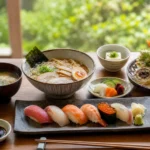
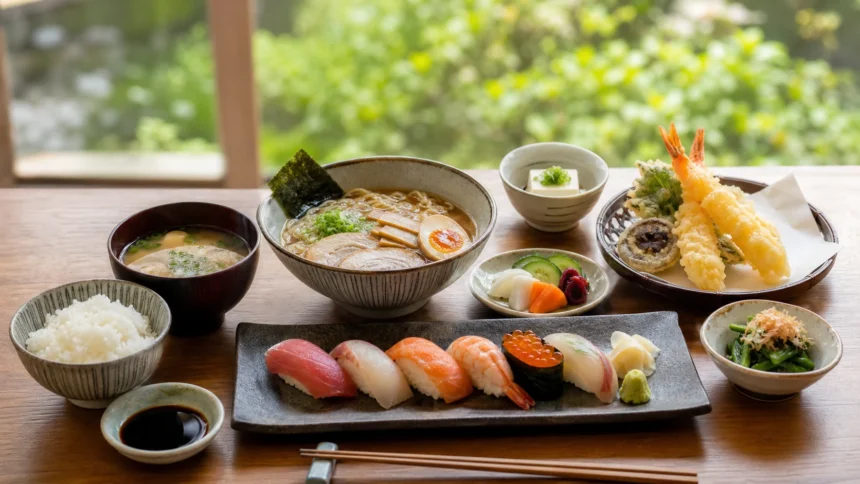
Kaiseki is a seasonal multi-course meal, but the exact experience differs by ryokan, region, price plan, season, and dining room. Some stays serve dinner in the guest room, while others use a shared dining area or private room. The word alone does not tell you the menu, number of courses, portion size, or serving speed.
The meal is usually designed as part of the lodging experience rather than as a quick stop between sightseeing attractions. A first course may arrive soon after seating, followed by dishes at a measured pace. Leave enough time to enjoy the meal, return to the room, and follow the ryokan’s bathing or quiet-hour customs.
Choose the right dinner plan
When comparing plans, check whether dinner is included, whether the plan is called kaiseki or uses another description, and whether breakfast is included as well. Compare the meal time with your train arrival, luggage transfer, check-in window, and any private bath reservation. A cheaper room-only plan may be better if your route cannot reliably reach the ryokan before dinner service.
Families and travelers with strong food preferences should ask early rather than relying on a translation app at the table. Ingredients can change with the season, and a request may be possible only with advance notice. Ask what the ryokan can accommodate, what it cannot guarantee, and whether a late arrival means the meal cannot be served.
Dietary communication and etiquette
Separate an allergy from a preference. Explain the ingredient and the seriousness of the risk in a clear message before booking. Do not assume that removing one visible item makes a course safe; sauces, stock, garnish, shared tools, and preparation methods may matter. For a serious allergy, keep a backup meal plan and confirm the ryokan’s answer in writing.
At the meal, follow the host’s lead on where to sit, when to begin, and how to use dishes. Kaiseki can include unfamiliar textures and small portions, so it is reasonable to ask what a dish is. You do not need to finish every item, but wasting food or photographing staff and other guests without permission can create an uncomfortable situation.
Build the day around the ryokan
Treat dinner time as a fixed route anchor. Put distant sightseeing before check-in, keep the final transfer simple, and avoid a plan that depends on one delayed train. Save the ryokan phone number and the official access instructions. If the journey changes, contact the property promptly instead of arriving after service has ended.
A useful plan has three layers: a confirmed arrival route, a short local walk or rest period before dinner, and a late-arrival fallback. The fallback may be a station meal before the final transfer, a meal near the ryokan, or a room-only booking. The best choice depends on the property’s rules and the level of dietary certainty you need.
Quick chooser
| Traveler situation | Useful starting point | Check first |
|---|---|---|
| First ryokan stay | Choose a plan with dinner and breakfast included | Serving time, dining location, and arrival deadline. |
| Late train arrival | Consider room-only or an earlier meal near the station | Late service policy and cancellation terms. |
| Allergy or strict diet | Contact the ryokan before booking | Cross-contact, stock, sauces, and written confirmation. |
| Family trip | Choose a calm meal time with a simple route | Child portions, seating, baths, and quiet hours. |
| Short sightseeing day | Make the ryokan the day’s final anchor | Luggage, check-in window, and transfer reliability. |
Before you leave the area
- Dinner start time, last arrival time, and what to do if the train is delayed.
- Whether dinner is served in the room, a private room, or a shared dining area.
- The exact dietary request, the response from the property, and a backup meal.
- Payment, cancellation, bathing, quiet-hour, photography, and footwear instructions.
- Official access directions and the phone or contact method for a travel-day change.
FAQ
Is every ryokan dinner kaiseki?
No. A ryokan may offer kaiseki, a regional set meal, a hot-pot plan, or another seasonal dinner. Read the exact plan description rather than assuming the label.
Can I arrive late and still eat dinner?
Only the property can confirm that. Dinner service may have a fixed end time, so contact the ryokan as soon as the route changes and keep a realistic backup.
Should I choose a ryokan if I have a serious allergy?
It can be possible, but the decision depends on the property’s response and your risk tolerance. Confirm ingredients and preparation limits before payment, and do not treat a generic translation as a safety guarantee.
Make Ryokan Dinner the Route Anchor
A ryokan dinner should shape the arrival route. Confirm the serving window, dietary communication, setting, and late-arrival policy before sightseeing runs long.
- Treat dinner time as fixed and plan the final train, bus, luggage transfer, and check-in around it.
- Ask in advance whether the meal is served in the room, a private room, or a shared dining area, and what changes are possible.
- If the route is uncertain, eat before the final transfer or choose a room-only plan rather than arriving after service ends.
FAQ: Questions Travelers Often Ask
- Can a ryokan hold dinner for a late train? Never assume it; contact the property and follow its stated policy.
- Does kaiseki mean the same menu everywhere? No. Course structure, ingredients, room setting, and pace vary by property and season.
Related guides
Hotel Dining in Japan | Hotel Room Meals in Japan | Food Ordering Phrases in Japan
Sources
Editorial disclosure: This guide is independent and does not rank or promote specific restaurants, hotels, shops, brands, venues, events, products, or booking services.