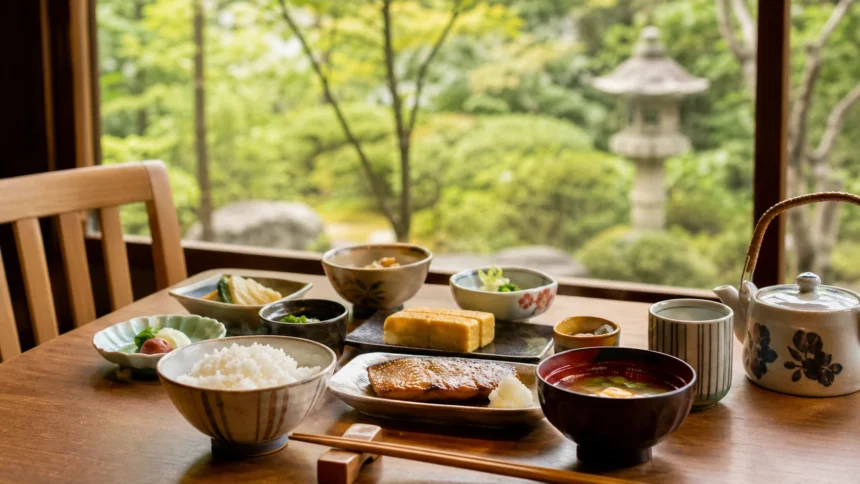
Hotel dining in Japan: breakfast, meal plans, ryokan meals, and area choices
Short answer: use hotel dining in Japan when it reduces travel friction. Book breakfast for early starts, family mornings, ryokan stays, and areas with few early options. Keep flexible city mornings open when stations, markets, cafes, or food halls are part of the experience.
Last checked: August 4, 2026. Hotel meal times, prices, restaurants, allergy support, reservation rules, and room-plan conditions vary by property. Confirm current details on the hotel’s official page before booking.
Start with the travel problem, not the menu
Hotel dining is not only about food quality. For travelers in Japan, it can solve timing, luggage, family, language, weather, and route problems. A hotel buffet can be ordinary but useful before a theme park day. A ryokan breakfast can be one of the main experiences of an onsen trip. A room-only plan can be better when your morning begins at a station market, bakery, or neighborhood cafe.
The best choice is usually not the most luxurious one. It is the choice that protects the part of the day you care about. If the day is built around a 7:00 train, breakfast downstairs may be worth paying for. If the day is built around Nishiki Market, Tsukiji Outer Market, a bakery route, or a neighborhood cafe, a hotel meal may remove the best part of the morning.
| Choice | Best for | Watch out for |
|---|---|---|
| Hotel breakfast | Early sightseeing, families, luggage days, business hotels | Peak hours, extra fees, changing menu details |
| Half-board or dinner plan | Ryokan, onsen towns, remote stays, special lodging nights | Fixed meal times and dietary communication |
| Hotel restaurant | Arrival night, weather backup, calm dinner, special occasion | Reservation requirements and dress expectations |
| Room-only stay | City food trips, market mornings, cafe routes, flexible budgets | More planning needed for early meals |
Use this cluster by situation
If you are deciding whether breakfast is worth paying for, start with Hotel Breakfast in Japan. It compares buffet breakfasts, Japanese set meals, ryokan breakfasts, and convenience-store backups.
If you are choosing between room-only, breakfast-included, half-board, or dinner plans, read How to Choose Hotel Dining Plans in Japan. This is especially useful for ryokan, onsen, resort, and remote-area stays.
If you are booking a ryokan or onsen inn, read Ryokan Dinner and Breakfast in Japan. It explains meal timing, dining rooms, room meals, breakfast expectations, and dietary questions for first-time guests.
If dinner is the main reason for choosing the inn, read Ryokan Kaiseki Dinner in Japan. It explains course flow, meal timing, seasonal presentation, dietary limits, and why late changes can be difficult.
If you are considering a seasonal lounge or sweets plan, read Hotel Afternoon Tea in Japan. It explains how to choose by route, season, reservation timing, budget, and dietary needs without relying on stale campaign photos.
If dinner at the hotel might protect the evening, read Hotel Buffet Dinner in Japan. It explains when buffets help families, arrival nights, rainy evenings, and mixed-preference groups.
If you are staying at a resort or remote hotel, read Resort Hotel Dining in Japan. It explains meal plans, reservations, last orders, nearby alternatives, and backup meals.
If you want a quiet room meal, read Hotel Room Meals in Japan. It compares convenience stores, depachika, supermarkets, takeout, hotel policy, rubbish, utensils, and late-arrival backup choices.
If you are staying at a compact city hotel, read Business Hotel Breakfast in Japan. It helps compare buffet, cafe, room-only, and convenience-store breakfast by schedule and appetite.
If you are considering a special hotel meal, read Luxury Hotel Dining in Japan. It covers arrival nights, lounges, reservations, dietary communication, dress expectations, service charges, and cancellation rules.
If you have not chosen where to stay yet, use Best Areas to Stay in Japan for Food and Breakfast. The right area can make breakfast easier even when the hotel plan is simple.
How to think by lodging type
| Lodging type | Dining strategy | Best next guide |
|---|---|---|
| Business hotel | Use breakfast when the day starts early or the area is quiet in the morning. | Hotel Breakfast in Japan |
| City hotel | Compare the hotel restaurant with nearby station, market, and department-store food options. | Best Areas to Stay in Japan for Food and Breakfast |
| Hotel-room night | Use convenience stores, depachika, supermarkets, or takeout when a restaurant would add too much friction. | Hotel Room Meals in Japan |
| Ryokan or onsen inn | Treat dinner and breakfast as part of the stay, and confirm meal times and dietary requests early. | Ryokan Dinner and Breakfast in Japan |
| Kaiseki dinner stay | Confirm course timing, disliked foods, allergies, and cancellation rules before booking. | Ryokan Kaiseki Dinner in Japan |
| Resort hotel | Check whether restaurants need reservations and whether leaving the property is realistic. | How to Choose Hotel Dining Plans in Japan |
| Luxury hotel | Use restaurants, lounges, and breakfast when they protect arrival nights, special meals, or dietary communication. | Luxury Hotel Dining in Japan |
A simple booking rule
- Book hotel breakfast when the next morning has an early train, theme park entry, luggage movement, children, or a neighborhood with limited early food.
- Book a meal plan when the stay itself is the food experience, especially at ryokan, onsen inns, resorts, and remote lodging.
- Skip hotel meals when your route is built around markets, station food halls, cafes, bakeries, or famous local breakfast areas.
Ryokan meals are different
A ryokan meal is usually part of the lodging experience, not just a convenient dinner. Meal times may be fixed, and dietary requests often need advance communication. If you choose a ryokan mainly for the bath, room, and atmosphere, still check the meal format before booking. For many visitors, the dinner and breakfast are part of the memory of the stay.
This is also where overseas travelers can misunderstand the value. A ryokan dinner may not be a flexible restaurant visit where everyone orders separately. It may be a set meal connected to season, region, tableware, room service, dining room rules, and the inn’s schedule. If that sounds exciting, a meal plan may be worth prioritizing. If you need total flexibility, a city hotel and outside restaurants may be calmer.
How this pillar should grow
This page is the parent for hotel dining decisions. As the cluster grows, it should link to more specific guides such as hotel buffet allergy checks, breakfast near major stations, family-friendly hotel breakfast, and when to choose room-only plans. Each child article should answer one concrete question and link back here.
When a new child guide is added, update this page with one sentence explaining who should read it. When this page changes, update the main child guides so readers can return to the parent instead of getting trapped in one article. The current hotel cluster now covers breakfast, meal-plan choice, ryokan meals, ryokan kaiseki dinner, afternoon tea, buffet dinner, resort dining, hotel-room meals, business-hotel breakfast, luxury hotel dining, and lodging-area food planning.
Allergies and dietary needs
Buffets and set meals can both be difficult for serious allergies. Ingredients such as fish stock, wheat, egg, dairy, shellfish, nuts, and sauces may not be obvious from appearance. Contact the hotel directly when dietary risk matters, and keep a backup meal plan.
Do not rely only on the English name of a dish. Japanese hotel breakfasts can include soup stock, sauces, pickles, processed foods, and shared utensils. If the risk is serious, ask the property directly before booking a non-refundable plan.
Common mistakes
- Adding breakfast to every night of a long city trip without checking the neighborhood.
- Assuming a buffet is automatically safer for allergies or dietary restrictions.
- Booking a ryokan without checking dinner time, breakfast time, and cancellation conditions.
- Choosing a hotel far from stations or early food options, then trying to fix the route with breakfast later.
FAQ
Should I book breakfast at every hotel in Japan?
No. Book it selectively. It is most useful on difficult mornings and least necessary when the surrounding area has good early food choices.
Are ryokan meals worth it?
Often, yes, if you want the lodging experience. They are less flexible than ordinary restaurants, so confirm meal times and dietary communication before arrival.
Can I decide after check-in?
Sometimes, but not always. Some hotels allow same-day breakfast purchase, while ryokan dinners and special plans may require advance booking.
Is hotel dining good for first-time visitors?
It can be, especially at the beginning of a trip. A calm breakfast or arrival-night dinner can reduce decision fatigue. After you understand the area, outside meals may become more interesting.
Should I choose a hotel based on breakfast reviews?
Only when breakfast is central to your route. Location, transit, room comfort, and cancellation rules often matter more. Use breakfast reviews as a tie-breaker, not the only reason to book.
Related guides
Start with Hotel Breakfast in Japan, then compare plans with How to Choose Hotel Dining Plans in Japan. For ryokan meals, read Ryokan Dinner and Breakfast in Japan and Ryokan Kaiseki Dinner in Japan. For seasonal lounge sweets, read Hotel Afternoon Tea in Japan. For hotel dinners, read Hotel Buffet Dinner in Japan and Resort Hotel Dining in Japan. For quieter hotel nights, compare Hotel Room Meals in Japan, Business Hotel Breakfast in Japan, and Luxury Hotel Dining in Japan. If your lodging area is still undecided, read Best Areas to Stay in Japan for Food and Breakfast.
Sources
Editorial disclosure: This guide is independent and does not rank or promote specific hotels. Confirm current meal details with the accommodation before booking.