How to Choose Restaurants in Japan When You Cannot Read Japanese
Short answer: Choose by restaurant format, route clarity, ordering flow, visible menu information, payment, and a nearby backup rather than trying to translate every word perfectly.
This cluster supports Practical Food Guides in Japan. Use the parent for the wider route, then use this page for the specific food decision.
Last checked: August 4, 2026. Menus, prices, hours, reservations, seasonal availability, payment methods, and venue rules can change. Confirm current details with the exact official source before relying on them.
Choose the format before the menu
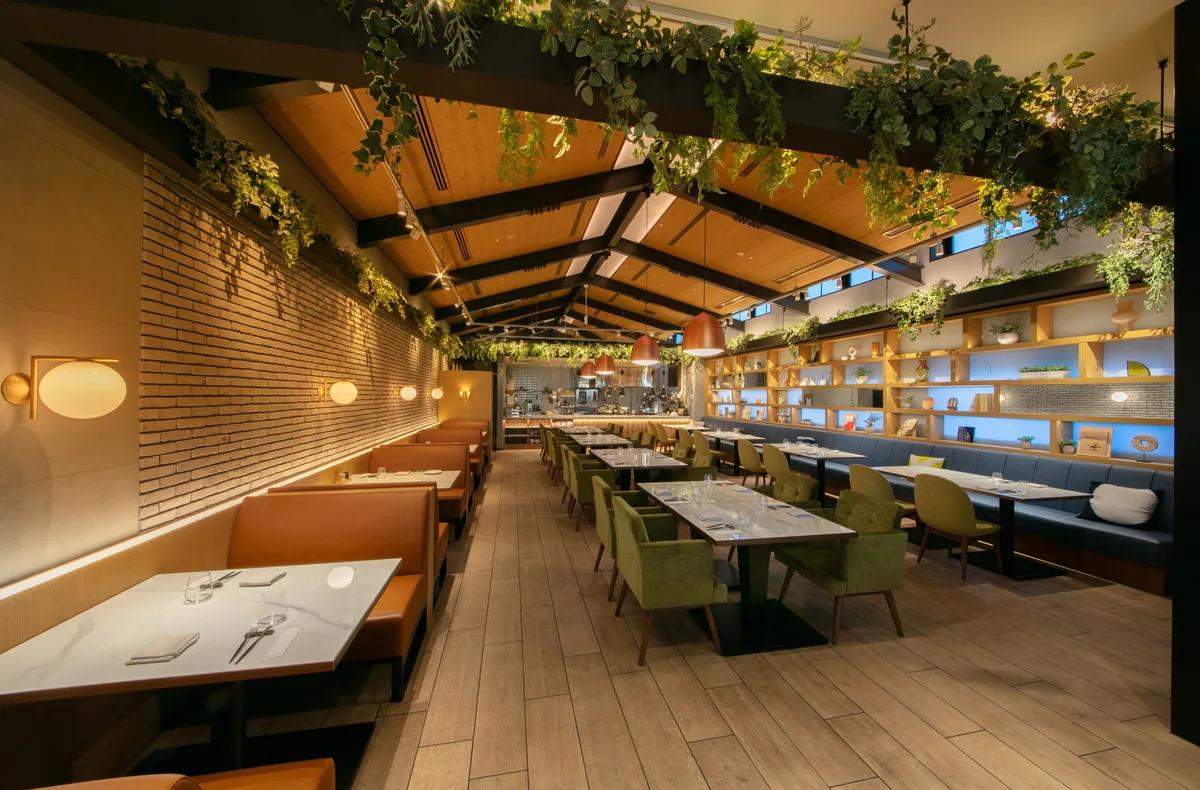
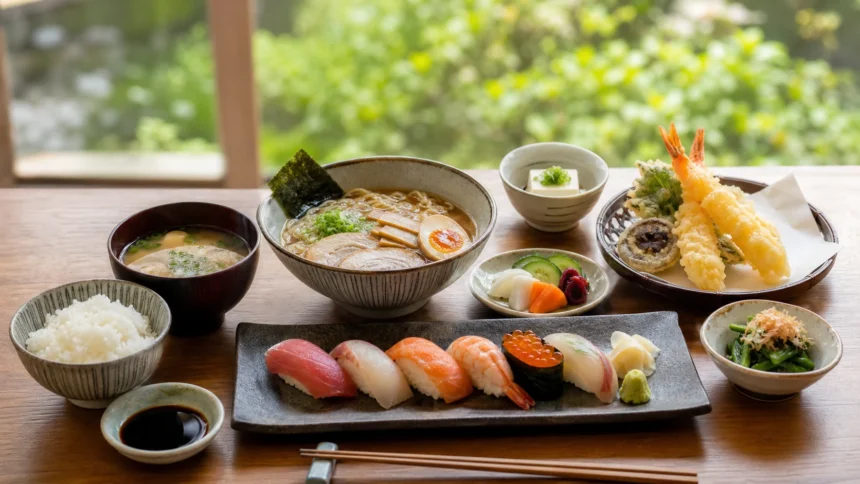
When you cannot read Japanese, the first decision is often the restaurant format. A set-meal shop, family restaurant, food court, chain, station restaurant, or hotel dining floor may offer a clearer path than a small specialist shop with a handwritten menu. This is not a judgment about quality; it is a way to reduce uncertainty on a tired travel day.
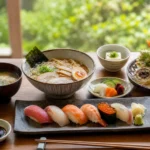
Look for a menu outside, photos, numbered dishes, a ticket machine guide, or staff who can explain the ordering flow. Photos help you recognize a dish, but they do not prove ingredients. If a dietary question matters, choose a venue that can answer it clearly or use a safer alternative.
Use simple communication
Prepare the name of the dish, number of people, and any important boundary in a simple card or note. Pointing to a menu can work for ordinary choices, but it is not enough for a serious allergy or cross-contact concern. Ask whether the restaurant can accommodate the request and accept the answer without pressure.
Useful English is often short: ask whether a dish contains a specific ingredient, whether a set includes a side, whether payment is cash or card, and whether a queue uses a name list. A translation app can support the conversation, but it should not be treated as a guarantee.
Read the room and the queue
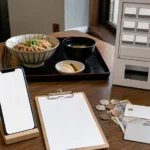
Observe whether customers order at the counter, from a machine, at the table, or through a staff member. Check if you need a ticket before sitting. If the system is unclear and the line is moving, step aside and watch another customer or ask politely rather than blocking the entrance.
Leaving a restaurant because the format or ingredients are unclear is acceptable. Keep one nearby backup that has a clearer menu, a chain format, a food court, or a convenience-store meal. A reliable meal is more valuable than a stressful attempt at a famous shop.
Make the choice route-friendly
Put the meal near a station, hotel, attraction, or shopping area already in the itinerary. Confirm hours and last order before walking there. Do not cross a city for one menu photo when a similar format is available on the route.
For groups, agree on a meeting point and payment plan before entering. For solo travelers, choose a seat and ordering flow you can understand. Clear decisions create confidence even when the language is unfamiliar.
Quick chooser
| Traveler situation | Useful starting point | Check first |
|---|---|---|
| First meal | Clear-format chain or set-meal shop | Menu, queue, and payment. |
| Specialist dish | Restaurant with visible ordering information | Ingredients and ticket flow. |
| Serious allergy | Venue that confirms preparation limits | Cross-contact and written response. |
| Tired group | Nearby food court or hotel-area meal | Seating, toilets, and backup. |
| Unclear entrance | Step aside, observe, or choose another shop | Do not block the queue. |
Before you leave the area
- Menu format, photos, ordering flow, and whether a ticket is required.
- Specific ingredients, sauces, stock, and cross-contact when relevant.
- Payment, queues, last order, seating, and toilet access.
- One nearby backup with a simpler format.
- Official or current venue information instead of an old translated post.
FAQ
Do I need to speak Japanese to eat at restaurants in Japan?
No. Many travelers use clear formats, menus, pointing, and simple notes. The key is choosing a venue and order that you can verify.
Are picture menus enough for allergies?
No. Pictures show appearance, not every ingredient or preparation method. Ask the venue directly when the risk matters.
What if I cannot understand the ticket machine?
Step aside and ask staff or observe the flow. If the system remains unclear, choose a nearby restaurant with a simpler ordering method.
Related guides
Practical Food Guides in Japan | Food Ordering Phrases | Restaurant Waiting Lines | Japanese Food Basics
Sources
Editorial disclosure: This guide is independent and does not rank or promote specific restaurants, hotels, shops, brands, venues, events, products, or booking services.