Short answer: breakfast in Japan is easiest when you choose by morning schedule. Try a traditional Japanese-style breakfast at least once if it fits your hotel, ryokan, or restaurant plan. On early train days, use station cafes, bakery food, ekiben, convenience stores, or a simple noodle shop near your route. On slow mornings, a cafe, family restaurant, hotel buffet, or brunch can be better than chasing one ideal meal. Check the exact opening time, seating, payment, luggage situation, and dietary questions before depending on any breakfast option.
This guide is for international travelers deciding what to eat before sightseeing, trains, checkout, day trips, or jet-lagged mornings. It is not a ranking of breakfast restaurants. A good breakfast in Japan is the one that protects the rest of your day.
If you are still planning the whole food route, start with Japanese Food Basics and our Japan food travel guide for first-time visitors. For practical morning friction such as payment, allergies, dietary needs, luggage, seating, and backup meals, use Practical Food Guides in Japan. For specific morning bases, use the Tokyo Station food guide and Shinjuku food guide.
Last checked: July 22, 2026. Breakfast hours, hotel meal plans, station-shop locations, menus, prices, queues, payment methods, seating, luggage rules, train services, and dietary accommodation can change. Recheck the exact hotel, station facility, restaurant, cafe, or shop before relying on details.
First Decision: What Kind Of Morning Are You Having?
Breakfast is not one decision. It depends on whether you are catching a train, recovering from jet lag, checking out with luggage, meeting a tour, traveling with children, or enjoying a slow morning. GO TOKYO’s breakfast guide recommends trying traditional Japanese-style breakfast at least once, while also noting Western-style options, family restaurants, stand-up noodle bars, and morning ramen. That is the right mindset: breakfast in Japan can be traditional, practical, fast, or flexible.
| Morning situation | Best breakfast strategy | What to avoid |
|---|---|---|
| Early train or Shinkansen | Station cafe, bakery food, ekiben, convenience store, or a known shop on your route | A seated restaurant with an unknown queue or wrong gate side |
| Hotel checkout with luggage | Hotel breakfast, nearby cafe, convenience store, or food after luggage storage | Dragging suitcases through a crowded counter shop |
| Slow sightseeing morning | Traditional breakfast, cafe, family restaurant, brunch, market-adjacent meal | Overplanning every minute before the day starts |
| Jet-lagged and awake very early | Convenience store, bakery, early cafe, hotel breakfast if available | Assuming a famous restaurant opens early |
| Serious allergy or strict diet | Prechecked hotel/shop, packaged-food backup, or restaurant contacted in advance | Relying on a photo, English menu title, or buffet appearance |
Hotel Breakfast Or Eat Outside?
Hotel breakfast is worth considering when the day starts early, the weather is bad, luggage is heavy, or your group has different energy levels. It can also be a good way to try a Japanese-style breakfast without searching in the morning. A ryokan or traditional inn breakfast may be part of the lodging experience, while a business hotel buffet may focus on convenience.
Eating outside is better when you want flexibility, your hotel breakfast is expensive for what you need, you are leaving before service starts, or you prefer a lighter meal. Before declining hotel breakfast, check the neighborhood. Some areas have many cafes and convenience stores; others are quiet early in the morning.
The useful rule is: pay for hotel breakfast when it reduces risk, not because it seems culturally mandatory. A simple convenience-store breakfast before a long day can be the right choice.
Seven Practical Breakfast Options
1. Traditional Japanese-style breakfast
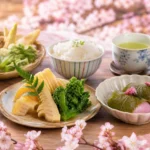
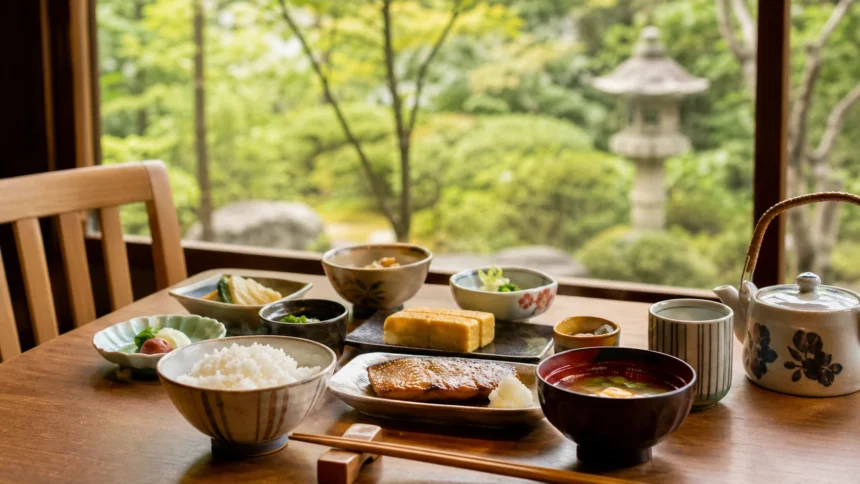
A Japanese-style breakfast may include rice, miso soup, grilled fish, egg, pickles, vegetables, tofu, nori, or small side dishes, depending on the venue. JNTO’s food-etiquette guide explains washoku as a cuisine that values balance, seasonal ingredients, and dashi. Use that framing, but do not expect every breakfast set to follow one fixed template.
Traditional breakfast is best when you have time to sit, ask questions, and enjoy the meal. It is less ideal if you have a serious fish, soy, wheat, egg, sesame, shellfish, or cross-contact concern and the venue cannot explain ingredients.
2. Hotel buffet or hotel set meal
A hotel buffet can solve timing, seating, weather, luggage, and group issues. It can also create allergy uncertainty because utensils, trays, shared tongs, sauces, and prepared items may mix. Ask the hotel directly if a dietary requirement matters. Do not assume a buffet label answers every ingredient or cross-contact question.
3. Convenience store breakfast
Convenience stores are useful for early starts, light meals, train days, children, and jet lag. Common choices can include rice balls, sandwiches, yogurt, fruit, boiled eggs, bakery items, salads, coffee, tea, or packaged sweets. Exact products, labels, heating options, and availability vary by store and time.
For details on labels, heating, where to eat, packaging, and realistic meal planning, use our Japanese convenience store food guide. For allergies, remember that packaged-food labels can help, but restaurant and counter food require different questions.
4. Cafe or bakery breakfast
A cafe or bakery can be the easiest breakfast for travelers who want coffee, bread, a seat, Wi-Fi, or a lighter start. Tokyo Station City’s official shopping guide lists cafes, bakery/cafe options, and espresso bars with seating counts for some shops. Seating counts are useful, but they do not guarantee availability during commuter peaks.
Cafes are also good when your group needs a neutral meeting point. They are less good when you need a full traditional meal or detailed ingredient confirmation from a busy counter.
5. Station breakfast before a train
Station breakfast is about route control. Tokyo Station City’s official guide lists inside-gate options such as BECK’S COFFEE SHOP opening from 6:30 AM, Ekibenya Matsuri from 5:30 AM, Soba Ichi from 7:00 AM, and JAPAN RAIL CAFE TOKYO for breakfast, brunch, or dinner. These are Tokyo Station examples, not national rules. Always check the exact station, gate side, floor, and current shop hours.
If you are starting from Tokyo Station, use our Tokyo Station food guide. If you are staying in Shinjuku, the Shinjuku food guide helps choose west/east/south-side options before a busy day.
6. Noodles, standing shops, and morning ramen
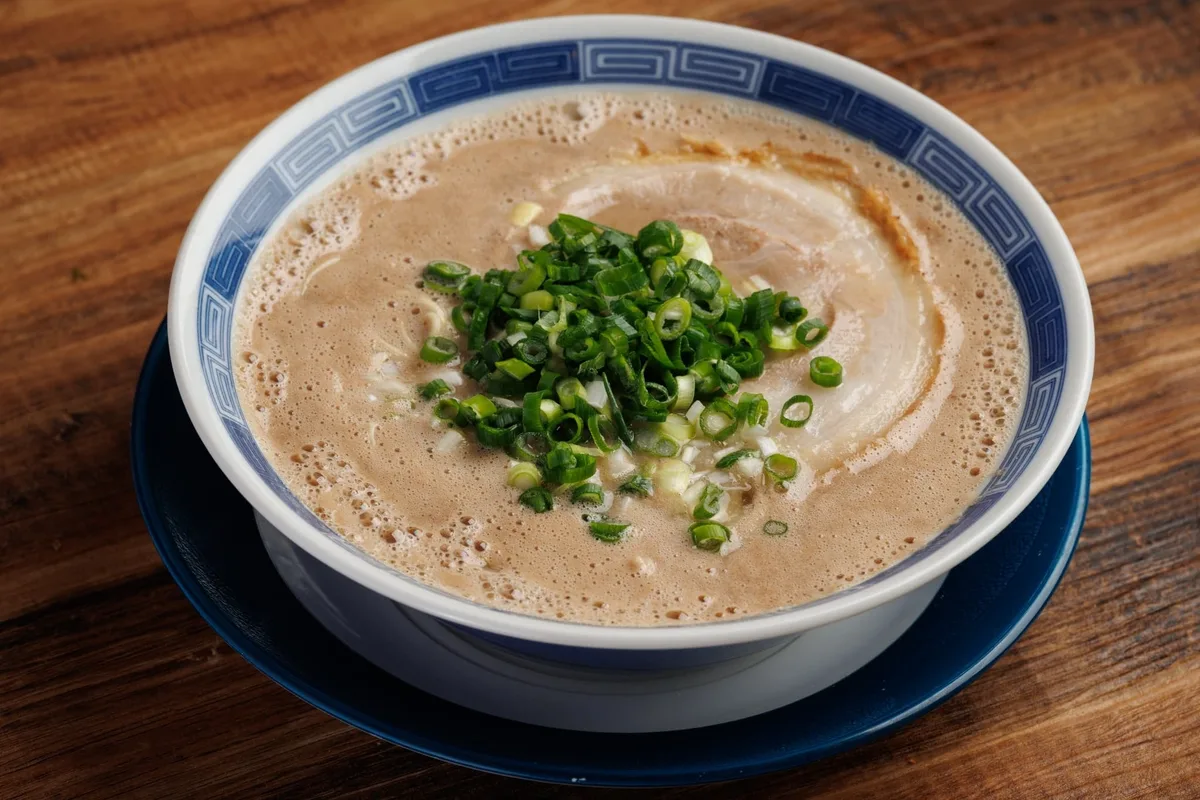
GO TOKYO’s breakfast guide identifies stand-up noodle bars and morning ramen as Tokyo breakfast trends. This can be fun, practical, and fast, but it is not automatically easy. You still need to understand the ordering method, broth, toppings, payment, queue, and whether the shop is open at that hour.
Use the udon and soba guide for hot/cold, dipping, flour, and ticket-counter workflows. Use the ramen styles guide before assuming one bowl fits every diet, budget, or morning schedule.
7. Family restaurant or casual chain breakfast
GO TOKYO notes easy-to-use, reasonably priced family restaurants as one breakfast option. This can be useful for groups, children, mixed appetites, or travelers who want a seat and a predictable menu style. Still, exact breakfast menus, hours, prices, payment, smoking rules, and language support vary by branch.
Three Real Morning Plans
Plan A: 6:30 AM train from Tokyo Station
Do not gamble on a distant restaurant. Confirm your gate and platform direction first. Use a known station cafe, bakery, ekiben, or convenience-store backup. Buy food early enough to handle payment trouble, lines, and platform walking. If you have luggage, avoid narrow counters.
Plan B: First slow morning in Kyoto, Osaka, or Tokyo
Try a Japanese-style breakfast if it fits the lodging or a nearby restaurant plan. If the morning includes a temple, museum, or shopping district, choose breakfast near the first activity rather than crossing town before the day starts.
Plan C: Allergy-sensitive family morning
Use a prechecked hotel, packaged-food option, or contacted restaurant. Avoid buffets if shared utensils and unclear labels make the risk hard to control. Carry backup food that fits the medical plan. Our Japan food allergy guide for travelers explains the label and restaurant boundary.
Payment, Etiquette, And Eating Location
Breakfast can involve several payment systems: hotel room charge, cafe register, ticket machine, convenience-store checkout, station bento counter, or restaurant bill. Many places accept cashless payment, but there is no universal promise. Read payment marks and carry yen backup. Our cash, cards, and IC payments guide covers the practical checks.
Respect where food is meant to be eaten. A hotel breakfast is eaten in the dining area. Cafe food may be dine-in or takeaway. Convenience-store food may not have seating. Station food may be bought for a train or eaten in a designated area, depending on the item and setting. For general behavior, see the Japanese food etiquette guide.
Allergies And Dietary Needs At Breakfast
Breakfast can hide ingredients in familiar-looking food. Miso soup, dashi, sauces, bread, pancakes, dressings, omelets, fish, rice balls, sandwiches, and packaged sweets may contain wheat, egg, milk, soy, fish, shellfish, sesame, nuts, gelatin, alcohol-derived seasoning, or other ingredients. A buffet or shared condiment station can add cross-contact risk.
The Consumer Affairs Agency’s food allergy resources are the starting point for Japan’s labeling system, but restaurant meals and unpackaged food require separate confirmation. Ask before ordering. For serious allergies, do not rely on automatic translation alone, and do not treat a hotel buffet as safer simply because it is inside a hotel.
FAQ
What is a typical Japanese breakfast?
It often means a rice-based meal with miso soup, fish, egg, pickles, vegetables, tofu, nori, or small side dishes, but there is no single fixed plate. Hotel, ryokan, cafe, and restaurant breakfasts vary.
Should I book hotel breakfast in Japan?
Book it when it makes the morning easier: early departure, bad weather, luggage, children, rural location, or a desire to try a Japanese-style meal calmly. Skip it when you want flexibility or the neighborhood has better options for your schedule.
Can I get breakfast before an early train?
Often yes, especially at major stations, but exact options depend on the station, gate side, date, and time. Check current station facility information and keep a packaged or convenience-store backup.
Is convenience-store breakfast okay in Japan?
Yes. It can be practical, inexpensive, and flexible. Check labels, storage, heating, and where you can eat. For allergies, read labels carefully and remember that not every food is fully explained in English.
Is breakfast in Japan vegetarian or vegan friendly?
It can be, but do not assume. Dashi, sauces, fish, egg, milk, gelatin, meat extract, and shared equipment can appear in breakfast foods. Ask specific ingredient questions.
Can I eat breakfast on a train?
It depends on the service, seating, food type, and local expectations. A contained bento on a long-distance train is different from eating messy food on a crowded commuter service. When unsure, eat before boarding.
What should I do if I wake up very early from jet lag?
Use a simple, nearby option: convenience store, early cafe, bakery, hotel breakfast if available, or a station shop that is already open. Do not build an ambitious breakfast route before you know your energy.
Official Sources
- GO TOKYO: Breakfast the Tokyo Way
- Tokyo Station City: Cafe & Japanese Food
- GRANSTA Tokyo Station official English page
- Tokyo Station City Shopping Guide
- JR East: JAPAN RAIL CAFE TOKYO
- JNTO: Japanese Food Etiquette Guide
- Consumer Affairs Agency: Food Allergy Information
Editorial disclosure: This article was independently planned for international travelers and is not a translation of a Japanese article. Official and first-party sources were used for breakfast, station, etiquette, and food-safety claims. No hotel, restaurant, cafe, convenience store, railway company, booking platform, or tourism body paid for inclusion. There are no affiliate links, sponsorships, PR placements, or paid rankings in this article. Check current official information before travel and again before ordering.