Short answer: Shinjuku is best for a first-time visitor when you choose the area before choosing the restaurant. Use the east side for shopping, dining, nightlife, Kabukicho, Golden Gai, and neon energy; the west side for Omoide Yokocho, ramen routes, office-district meals, and Tokyo Metropolitan Government Building plans; the south side for Busta Shinjuku, NEWoMan, bus transfers, and station-adjacent food. Do not let one famous ramen shop, yokocho alley, or nightlife image decide the whole evening. First check your exit, last train or bus time, luggage, queue tolerance, payment, smoking, seating charge, and dietary needs.
This guide is for international travelers staying in Shinjuku, arriving by highway bus, meeting friends after sightseeing, or using Shinjuku as a dinner base. It is not a list of the best restaurants in Shinjuku. The goal is to help you make a calm meal decision in one of Tokyo’s busiest districts.
If you are still building your overall food route, start with our Japan food travel guide for first-time visitors. If you are comparing Tokyo bases, pair this with the three-day Tokyo food itinerary and the Tokyo Station food guide.
Last checked: July 22, 2026. Restaurant hours, station exits, shop lists, tourist information hours, charges, payment methods, smoking rules, luggage services, menus, queues, and dietary accommodation can change. Recheck GO TOKYO, JNTO, JR East, Shinjuku tourism sources, and the exact venue before relying on details.
First Decision: Which Side Of Shinjuku Are You Actually On?
Shinjuku is easy to underestimate because the name sounds like one place. JNTO describes Shinjuku as home to the busiest train station in the world, with twelve separate lines running through Shinjuku Station. JR East publishes Shinjuku Station maps by floor, including 1F, 2F, and B1F. Use those maps before committing to a restaurant, because a place that sounds “near Shinjuku Station” can still be on the wrong side of a large, crowded station.
| Area | Best first-time food use | Main caution |
|---|---|---|
| East side / Shinjuku-sanchome | Shopping-day meals, department-store food, casual restaurants, nightlife access | Crowds and confusing underground connections |
| Kabukicho | Nightlife, late meals, neon atmosphere, hotel-area dinners | Touts, charges, queues, smoking, and venue-specific rules |
| Golden Gai | Small-bar atmosphere and drinks after dinner | Tiny seats; not ideal for large groups, luggage, or allergy-heavy meals |
| West side / Omoide Yokocho | Yakitori, motsuyaki, compact izakaya experience, quick evening drink | Small counters, smoke, cash/payment variation, limited dietary flexibility |
| Nishi-Shinjuku | Office-district meals, hotel restaurants, calmer alternatives, Tokyo Metropolitan Government Building route | Less “night market” energy; check walking distance from your exit |
| South exit / Busta / NEWoMan | Bus terminal meals, station-adjacent food, arrival/departure buffer | Do not cut timing too close before a highway bus or train |
The practical rule is simple: choose the side that matches the rest of your evening. If you are leaving from Busta Shinjuku, south-side food may beat a famous east-side queue. If your hotel is near Kabukicho, do not cross back to west Shinjuku just because a guide mentioned ramen. If you have a serious allergy or large suitcase, a calmer visible restaurant may be better than a narrow alley.
What Shinjuku Is Good For
Ramen without leaving central Tokyo
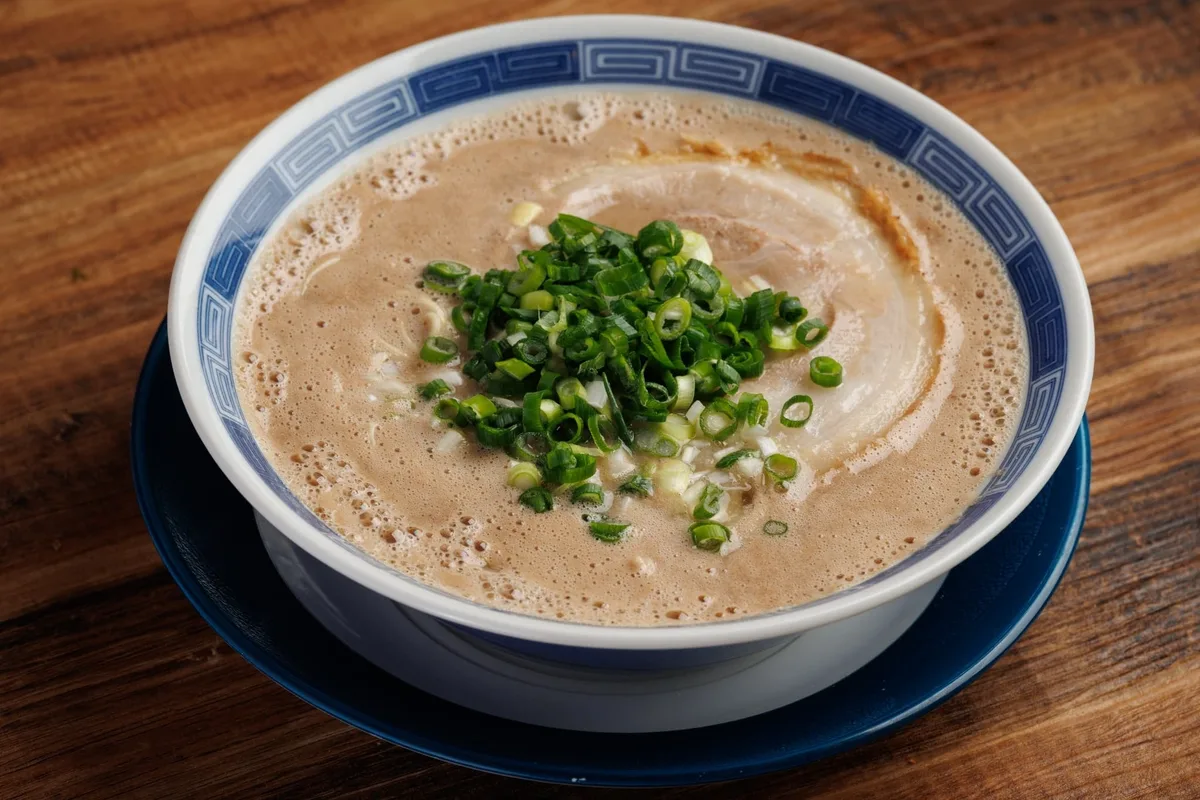
GO TOKYO identifies Shinjuku as a ramen area and specifically mentions Otakibashi-dori, running from the west exit of JR Shinjuku Station toward JR Okubo Station, as well-known among ramen fans. That makes ramen a natural Shinjuku dinner or late-lunch idea, especially if you are already west or northwest of the station.
Do not treat ramen as a single decision. Broth, tare, noodle style, ticket-machine workflow, queue, and toppings all matter. If ramen is the reason you are going to Shinjuku, read our Japanese ramen styles guide for travelers first. If you are choosing soba or udon instead, use the udon and soba guide.
Yokocho and izakaya atmosphere
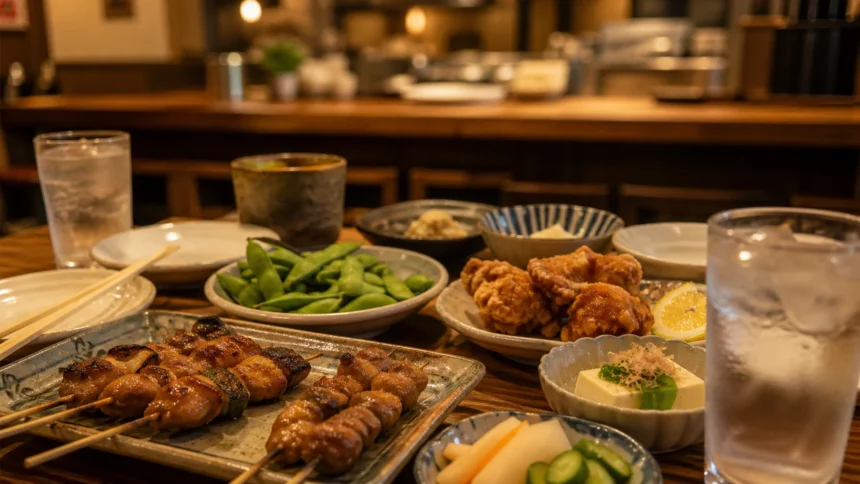
GO TOKYO names Shinjuku Golden Gai and Omoide Yokocho among Tokyo’s yokocho areas. The official Omoide Yokocho website describes Shinjuku Nishiguchi Omoide Yokocho as a post-war, Showa-retro district by Shinjuku Station’s west exit, with approximately 80 premises, including about 60 bars and restaurants, many of them motsuyaki and yakitori shops.
That atmosphere can be memorable, but it is not the easiest first meal for every traveler. Shops may be tiny, seats may be limited, charges and order minimums can vary, and smoke or strong smells may be part of the environment. If you need a long ingredient conversation, space for luggage, child-friendly seating, or a quiet group meal, use yokocho as a short experience rather than the whole dinner plan.
Kabukicho nightlife and late meals
GO TOKYO describes Kabukicho as a maze of hotels and nightlife spots, and JNTO describes it as a neon downtown area close to JR Shinjuku Station and metro lines. The Kabukicho official portal lists many categories of dining and drinking establishments, including Japanese food, noodles, izakaya, ramen, cafes, sweets, and more.
Kabukicho is useful when your hotel, theater, cinema, or evening plan is already there. It is less useful if you are tired, traveling with luggage, or uncomfortable navigating nightlife streets. JNTO explicitly warns visitors to ignore touts, noting that following them into a bar, restaurant, or club can lead to an oversized bill. Choose venues yourself, check posted prices and charges, and leave if the situation feels unclear.
South-exit and bus-terminal meals
GO TOKYO notes that the south exit leads to Shinjuku Expressway Bus Terminal and modern complexes such as NEWoMan Shinjuku. GO TOKYO’s tourist information page lists the Busta Shinjuku Tokyo Tourist Information Center on the third floor of Shinjuku Expressway Bus Terminal, with services such as delivery services, luggage storage, foreign currency exchange, and transportation ticket sales, while warning hours may change.
NEWoMan Shinjuku’s official page lists station-adjacent business-hour categories such as ekinaka food, sweets, Food Hall, and ekisoto areas, and also notes that some shops have different opening hours. This makes the south side useful for bus travelers, station meals, and calmer arrival/departure planning. Still, the exact shop and your departure time control the decision.
Four Shinjuku Dinner Plans That Actually Work
Plan A: First night in Shinjuku, jet-lagged
Choose a restaurant or food hall near your hotel or exit. Avoid a distant yokocho, a famous ramen queue, or a multi-stop nightlife plan. You are not trying to “complete Shinjuku” on night one. You are trying to eat, pay smoothly, and sleep.
Plan B: Ramen-focused night
Go before the peak late-evening rush if possible, choose a backup shop in the same area, and understand the ordering workflow before joining the line. If a ticket machine is involved, check cash/card/IC support before selecting food. Our ticket-machine guide explains the common branches.
Plan C: Omoide Yokocho or Golden Gai experience
Eat a small meal first if you are worried about seats or language, then visit one or two small places for drinks or skewers. Keep the group small, carry cash backup, ask before photographing staff or other guests, and do not assume one shop’s rule applies to the next. For the wider behavior guide, read our Japanese food etiquette guide.
Plan D: Bus terminal or last-train buffer
Stay near the south exit, Busta, or the line you need next. Do not cross to Kabukicho or west-side alleys unless you have a generous margin. If the meal is before a highway bus, prioritize predictable ordering and seating over novelty.
Payment, Charges, And Late-Night Friction
GO TOKYO notes that tipping is not common practice in Tokyo and that many bars and izakaya apply a seating charge and serve a customary small dish before ordering. That matters in Shinjuku because a visitor may move between casual restaurants, bars, izakaya, yokocho counters, and nightlife venues in one evening.
Before sitting down, check whether there is a cover charge, table charge, minimum order, time limit, service charge, or cash-only rule. At small bars, the first drink may not be the only cost. At restaurants, card acceptance can vary by branch and terminal. Carry yen, read payment logos, and keep receipts. For a fuller payment workflow, use our cash, cards, and IC payments guide.
Allergies, Vegetarian/Vegan, Halal, And Strict Diets
GO TOKYO says Tokyo restaurants increasingly cater to vegetarians, vegans, and special dietary requirements, while research and planning are recommended. In Shinjuku, that means you may find options, but you should not treat neighborhood density as safety. A ramen broth, yakitori sauce, izakaya appetizer, dipping sauce, curry, fried item, or shared grill can contain ingredients that are not visible.
If you have a serious allergy, ask before ordering and before the kitchen starts. If you need vegetarian, vegan, halal, gluten-free, or other strict handling, ask about stock, sauce, alcohol-derived seasoning, gelatin, meat extract, seafood, shared fryer, grill, utensils, and preparation space. For safety planning, use our Japan food allergy guide for travelers. For important meals where dietary confirmation matters, use the restaurant reservation guide before booking.
Safety And Touts In Nightlife Areas
Shinjuku nightlife can be fun, but it rewards clear boundaries. JNTO’s Kabukicho page tells visitors to ignore touts and warns that following touts into bars, restaurants, or clubs can lead to oversized bills. Use that advice broadly: choose a venue through its own listing, official page, hotel recommendation, or a clear storefront, and do not follow street solicitation into a place you did not choose.
If a menu, charge, or rule is unclear, ask before ordering. If you feel pressured, leave before sitting or ordering. A good Shinjuku night does not require accepting every invitation, entering every alley, or staying after you become uncomfortable.
FAQ
Is Shinjuku a good food area for first-time visitors?
Yes. Shinjuku is strong for ramen, izakaya, yokocho, casual dinners, station-adjacent meals, nightlife, and hotel-base food. It is also large and crowded, so choose the area and timing before choosing a restaurant.
Which side of Shinjuku is best for dinner?
East Shinjuku and Kabukicho are useful for nightlife and dining energy; west Shinjuku works for Omoide Yokocho, ramen routes, and office-district alternatives; the south side works for Busta Shinjuku, NEWoMan, and transfer-friendly meals. The best side is the one that matches your hotel, train, bus, and energy level.
Should I go to Omoide Yokocho on my first night?
It can be memorable, especially for a small group that wants yakitori, motsuyaki, drinks, and Showa-retro atmosphere. It may be less suitable with large luggage, children, serious allergies, a large group, or a need for quiet seating.
Is Kabukicho safe for food and drinks?
Many visitors go there, and it has many dining and nightlife options. Use normal city caution, choose venues yourself, check prices and charges, and ignore touts. Do not follow a street solicitor into a bar or restaurant.
Do Shinjuku restaurants accept credit cards?
Many do, but there is no safe universal promise. Small counters, bars, yokocho shops, and older venues may vary. Read the payment signs and carry yen backup.
Is Shinjuku good for vegetarians or vegans?
It can be, because Tokyo has many dining options, but research is still needed. Ask about dashi, sauces, shared fryers, meat extract, gelatin, and alcohol-derived seasoning where relevant. Do not rely only on the neighborhood’s variety.
What should I eat if I arrive late in Shinjuku?
Choose something close to your hotel or station exit. Ramen, casual restaurants, convenience-store food, hotel-area dining, or a visible late-night venue can work. Avoid a distant queue or complicated nightlife plan when you are tired.
Official Sources
- GO TOKYO: A guide to Shinjuku
- GO TOKYO: Food & Drink in Tokyo
- JNTO: Shinjuku
- JNTO: Kabukicho
- Shinjuku Convention & Visitors Bureau
- Official website of Shinjuku Nishiguchi Omoide Yokocho
- Kabukicho Official Portal Site
- JR East: Shinjuku Station guide maps
- GO TOKYO: Tourist Information Centers
- NEWoMan Shinjuku official page
Editorial disclosure: This article was independently planned for international travelers and is not a translation of a Japanese article. Official and first-party sources were used for area, station, visitor, and facility claims. No restaurant, shopping facility, nightlife venue, booking platform, hotel, railway company, or tourism body paid for inclusion. There are no affiliate links, sponsorships, PR placements, or paid rankings in this article. Check current official information before travel and again before ordering.