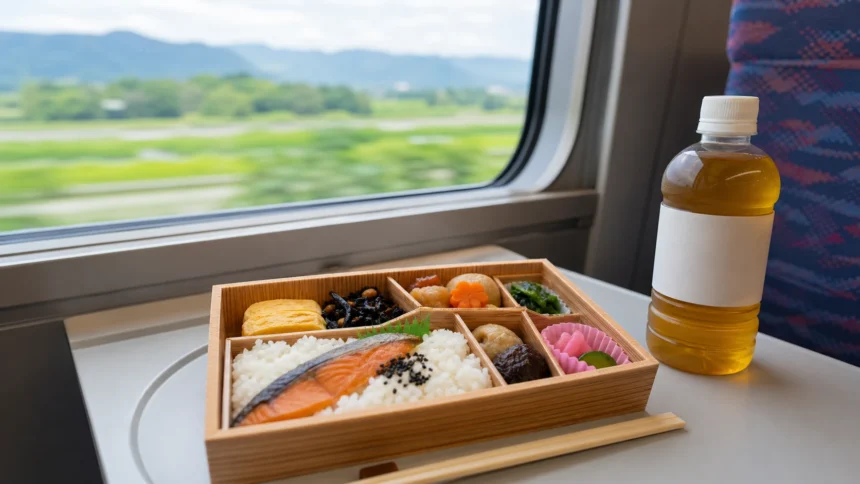
Short answer: Tokyo Station is a good place to eat when the meal matches your train plan. If you are inside the ticket gates and close to departure, choose a compact option such as ekiben, soba, cafe food, or another shop in your current gate area. If you have more time, luggage stored, or a hotel nearby, eating outside the gates around Gransta, First Avenue, Tokyo Ramen Street, or the Marunouchi side can be easier. Do not cross gates only because a restaurant sounds famous. First confirm the floor, gate side, queue, payment, luggage situation, and whether your train buffer still works.
This guide is for first-time visitors using Tokyo Station as an arrival point, Shinkansen departure point, hotel base, or transfer hub. It is not a ranking of famous shops. Tokyo Station food planning works best when you choose by travel situation: before a train, after arrival, with luggage, with children, with dietary needs, or with enough time to explore.
If you are still planning the whole food route for your trip, start with our Japan food travel guide for first-time visitors. If Tokyo Station is one stop in a longer Tokyo stay, pair this article with the three-day Tokyo food itinerary for first-time visitors.
Last checked: July 22, 2026. Store hours, gates, maps, restaurant locations, queues, menus, payment methods, seating, luggage services, dietary accommodation, and station operations can change. Recheck Tokyo Station City, GRANSTA, JR East, and the exact shop before relying on details.
First Decision: Are You Inside Or Outside The Ticket Gates?
Tokyo Station is not one simple food hall. The first practical question is whether your target shop is inside the ticket gates, outside the gates, or connected through an underground area. JR East publishes Tokyo Station maps by floor and area, including 1F, B1F, Keiyo Line, and Sobu Line sections. Use the map before choosing a meal, because a food option that looks close on a website may be on the wrong side of gates or a long walk from your platform.
| Situation | Best food strategy | What to avoid |
|---|---|---|
| You are already inside JR ticket gates | Eat or buy food in the same gate area if departure time is near | Leaving the gates without understanding re-entry and ticket implications |
| You have 20-40 minutes before a train | Choose ekiben, cafe food, or a clearly nearby counter meal | A hidden queue, distant basement, or seated restaurant with uncertain service time |
| You have 60-90 minutes and no heavy luggage | Compare Gransta, First Avenue, ramen areas, cafes, and food halls | Forgetting the walk back to the platform or Shinkansen gate |
| You just arrived from an airport or long train | Use a low-friction meal near your current exit or hotel route | Crossing the station several times while tired and carrying bags |
| You have a serious allergy or strict diet | Use a pre-checked shop or packaged backup, and ask before ordering | Relying on a photo, English name, or friendly label as a safety guarantee |
Tokyo Station City’s official English guide lists several food options inside the ticket gate, including T’s TANTAN, Soba Ichi, BECK’S COFFEE SHOP, Ekibenya Matsuri, Tokyo Anpan Mameichizu, and JAPAN RAIL CAFE TOKYO. This is useful because it gives a traveler a starting set inside the station. It does not mean every shop is right for every train, every diet, or every time of day.
Use Tokyo Station For A Travel Meal, Not A Perfect Meal
A Tokyo Station meal has a different job from a destination restaurant. You may need to protect a train connection, handle luggage, feed a group with different tastes, buy food before boarding, or avoid a late-night search after check-in. That makes convenience, certainty, and location more important than chasing a single restaurant.
The strongest Tokyo Station food plan usually has two layers. First, choose a primary option that fits your gate side and time window. Second, hold a backup that is simpler: ekiben, convenience-store food, bakery food, cafe food, supermarket food, or a nearby counter meal. A backup is not a failure. It is what keeps one queue from breaking the rest of your day.
Best Food Uses Around Tokyo Station
1. Before A Shinkansen Or Long Rail Trip
Ekiben is often the most practical choice before a train. Tokyo Station City’s guide lists Ekibenya Matsuri in Gransta Tokyo inside the ticket gate and describes it as offering many ekiben from across Japan daily. Treat that as a useful station-bento option, not a promise that one specific bento will always be in stock.
Before buying food for a train, check whether eating is appropriate on your service and whether the food can be handled neatly at your seat. Keep strong smells, liquids, large packaging, and trash management in mind. If your train leaves soon, a contained bento is usually safer than a seated restaurant.
2. Arrival Meal After A Long Trip
After airport transfer, Shinkansen, or a long local ride, your first meal should be easy to exit. A cafe, soba shop, prepared-food counter, or station restaurant near the direction you are already walking can beat a more famous meal on the far side of the station. If you are staying near Marunouchi, Yaesu, Otemachi, or Nihonbashi, check whether eating after hotel check-in will be calmer.
If you are exhausted, use this simple rule: do not cross more station areas than your energy can tolerate. Tokyo Station is large enough that “inside Tokyo Station” can still mean a tiring walk.
3. Vegan-Friendly Or Special-Diet Starting Point
Tokyo Station City’s official Cafe & Japanese Food page highlights T’s TANTAN in Gransta Tokyo inside the ticket gate and describes it as popular among international travelers, with vegan ramen highlighted. Its shopping guide also has a section for cafes and halal / vegan friendly restaurants and lists T’s TANTAN and Bangera’s Spice Bistro & Cafe under that context.
Use those listings as a starting point, not as a medical or religious guarantee. “Vegan friendly” or “halal / vegan friendly” does not automatically answer allergy, cross-contact, certification, alcohol seasoning, gelatin, stock, shared fryer, or personal religious-standard questions. If the answer matters to safety or conscience, check the exact shop’s current information and ask before ordering. For severe allergies, use our Japan food allergy guide for travelers.
4. Ramen, Noodles, And Quick Counter Meals
GO TOKYO describes First Avenue Tokyo Station as connected to Tokyo Station at the Yaesu Underground Central Gate, with ramen shops, sweets, restaurants, Tokyo Character Street, and Tokyo Ramen Street. This makes it a natural option when you have time outside the ticket gates or when your route already passes the Yaesu side.
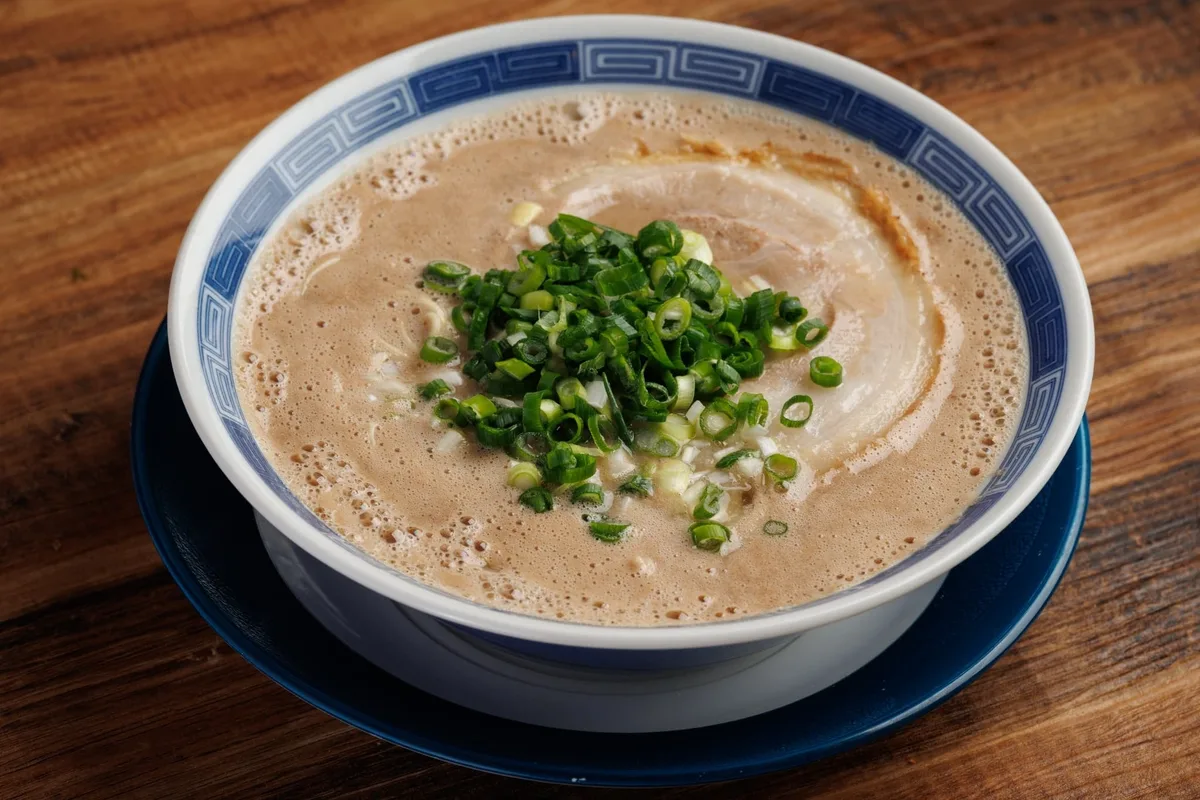
Ramen and soba are both good station foods when the queue and ordering method are manageable. They are weaker choices when you have large luggage, a strict train deadline, or unresolved allergy questions. Use our Japanese ramen styles guide for broth and ordering decisions, and the udon and soba guide for hot/cold, dipping, flour, and ticket-machine questions.
5. Cafes, Breakfast, And Waiting Time
For jet lag, early trains, groups, and uncertain timing, a cafe may be the most useful answer. Tokyo Station City’s guide lists BECK’S COFFEE SHOP and JAPAN RAIL CAFE TOKYO among inside-gate options. Its shopping guide also lists cafes and bakery/cafe options by floor, with seating counts for some stores.
Seating counts are helpful, but they do not guarantee an available seat. If you need to work, feed a child, sit with luggage, or rest before a train, check the shop’s current crowd and whether your bags can fit without blocking service.
Gransta, First Avenue, And Station Food Areas
GRANSTA’s official English page describes Gransta Tokyo as an inside-station area extending from Tokyo Station’s first floor to basement level, with long-established and famous restaurants, new brands, and Tokyo souvenirs. It also lists broad business-hour ranges and warns that some stores have different hours and that hours are subject to change.
Use Gransta when you want station food without leaving the broader Tokyo Station ecosystem. It can work for breakfast, lunch, dinner, souvenirs, bento, sweets, cafes, and flexible group meals. But do not treat one area’s general hours as the exact hours for every restaurant. The shop page controls.
Use First Avenue or Tokyo Ramen Street when you are outside the gates, near Yaesu, or deliberately building a food stop into your route. It is less attractive when your train is about to leave from a platform on the other side of the station. The phrase “connected to Tokyo Station” does not remove walking time, stairs, crowds, or the need to find your platform again.
Luggage Changes The Food Decision
Tokyo Station food is easier when your hands are free. GRANSTA’s English page lists temporary luggage storage, coin lockers, and related services, but service locations and hours vary. Check current availability before designing a meal around leaving bags. Coin lockers can fill up at busy times, and luggage-storage counters may not match your arrival or departure schedule.
If you cannot store luggage, avoid narrow counters, crowded ramen queues, and food areas where your suitcase blocks traffic. A cafe with visible seating, a hotel restaurant, a station bento, or food near your accommodation may be more respectful and less stressful.
Payment And Ordering
GRANSTA’s English page lists payment method categories including electronic money, transportation system electronic money, credit cards, and QR code payment. Treat this as facility-level orientation, not a promise that every tenant, terminal, foreign card, mobile wallet, or coupon condition works for you. Always read the payment marks at the exact shop before ordering.
At ticket machines, check payment first, then menu language, then the dish. A machine may send the order immediately or print a ticket to hand to staff. If you are new to this flow, read our restaurant ticket-machine guide. For cards, IC cards, cash, refunds, receipts, and payment failure, use the Japan food payment guide.
Food Safety, Allergies, And Dietary Needs
Station food does not remove ingredient risk. A bento, noodle broth, sauce, curry, sandwich, sweet, or snack can contain wheat, egg, milk, soy, fish, shellfish, nuts, gelatin, alcohol-derived seasoning, or other ingredients. Packaged labels may help when you can read them, but unpackaged counter food, restaurant meals, and shared preparation need separate confirmation.
If you have a serious allergy, ask before paying and before the kitchen starts. If staff cannot confirm ingredients and cross-contact controls, use a preverified backup. If you follow vegetarian, vegan, halal, or other dietary rules, ask about stock, sauces, fryer sharing, alcohol seasoning, meat extract, gelatin, and kitchen practice. A friendly English description is useful, but it is not a safety certificate.
Three Realistic Tokyo Station Plans
Plan A: 25 Minutes Before A Shinkansen
Do not hunt for a seated restaurant. Confirm your platform or gate direction first, then buy ekiben, bakery food, cafe food, or another contained item near your path. Keep time to find the platform, board, stow luggage, and handle payment trouble. If the first line looks long, leave immediately and use the backup.
Plan B: 70 Minutes Between Arrival And Hotel Check-In
If luggage is light or stored, choose a station food area that matches your exit: Gransta for a broad station-food search, First Avenue for ramen/sweets/character-street context, or a cafe if rest matters more than novelty. If you are carrying bags and tired, eat near the hotel instead.
Plan C: First Night Based Near Tokyo Station
Use the station as a low-risk food base. Pick one of three formats: casual noodles, a food hall/restaurant floor, or a cafe/department-store-style prepared-food meal. Save ambitious reservations for a later night after you understand your energy, sleep, and route.
FAQ
Is Tokyo Station a good place to eat on a first trip?
Yes, if you choose by route and time. It is especially useful for arrival meals, train-day food, station bento, quick noodles, cafes, and backup meals. It is less useful if you chase a distant shop while carrying luggage or rushing for a train.
Should I eat before or after passing the ticket gates?
Eat on the side where you already are unless you have enough time and understand the ticket situation. A restaurant being inside Tokyo Station does not mean it is accessible from your current gate area.
What should I buy before a Shinkansen?
Choose contained food that is easy to carry and eat neatly, such as ekiben or bakery/cafe food. Check your train, seat, timing, smell, liquids, and trash plan. Do not buy a hot sit-down meal if your departure buffer is thin.
Can I find vegan-friendly food at Tokyo Station?
Tokyo Station City’s official English materials list vegan-friendly options such as T’s TANTAN, and its shopping guide includes halal / vegan friendly restaurant information. Still, confirm the exact shop and your own dietary requirements before ordering.
Are Tokyo Station restaurants good for allergies?
Some shops may be able to answer questions, but station location does not guarantee allergy safety. Ask about ingredients and cross-contact before ordering. For serious allergies, carry your own communication plan and backup.
Do Tokyo Station food areas accept credit cards?
Many facility pages list broad cashless options, but acceptance is still shop- and terminal-specific. Read the exact logos and carry yen as a backup.
Where should I ask for help if I am lost?
JR East lists Information Centers at Tokyo Station and says staff provide assistance in English, with hours subject to change. Use official station maps and information counters rather than guessing across floors and gates.
Official Sources
- GRANSTA Tokyo Station official English page
- Tokyo Station City: Cafe & Japanese Food
- Tokyo Station City Shopping Guide
- JR East: Tokyo Station maps
- GO TOKYO: First Avenue Tokyo Station
- JR East Information Centers
- GO TOKYO: Food & Drink in Tokyo
Editorial disclosure: This article was independently planned for international travelers and is not a translation of a Japanese article. Official and first-party sources were used for station, facility, and visitor-service claims. No restaurant, railway company, shopping facility, hotel, booking platform, or tourism body paid for inclusion. There are no affiliate links, sponsorships, PR placements, or paid rankings in this article. Check current official information before travel and again before ordering.