Ramen shop guide for first-time visitors in Japan: ordering, ticket machines, seating, and etiquette
Short answer: ramen is one of the easiest meals to enjoy in Japan once you understand the shop flow. Check whether you need to queue, buy a meal ticket, choose noodles or toppings, sit at a counter, eat at a steady pace, and pay at the machine, register, or after the meal.
If you are still choosing between ramen, sushi, udon, soba, convenience stores, markets, station food, breakfast, hotel dining, and izakaya, start with Japanese Food Basics. If you need help choosing broth or style before choosing a shop, read Japanese Ramen Styles Explained for Travelers.
Last checked: August 4, 2026. Ramen shop rules, prices, ticket machines, payment methods, queues, English-language help, toppings, noodle options, and allergy support vary by shop. Confirm current details at the exact restaurant before relying on them.
Why ramen shops can feel confusing at first
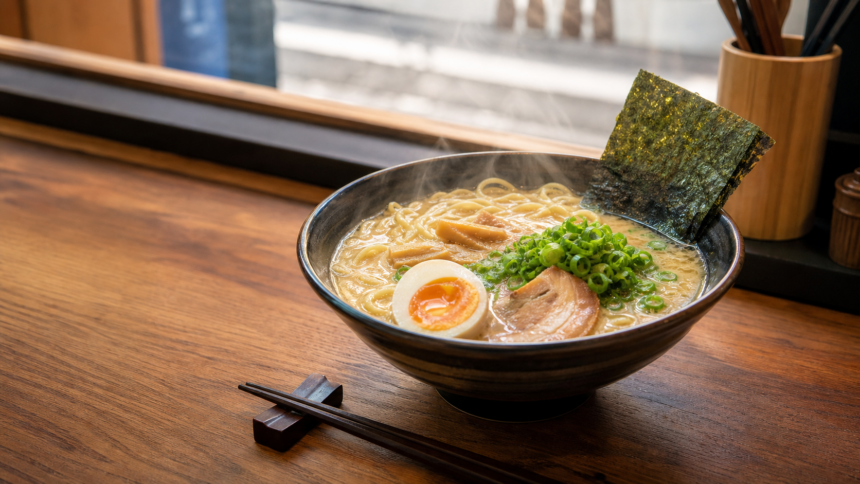
Ramen itself may look simple: noodles, soup, toppings, and a bowl. The shop experience can feel less obvious. Some shops have a ticket machine near the entrance. Some ask you to line up outside. Some seat guests only when counter seats open. Some take orders at the table, by tablet, by QR code, or directly from staff.
This article is not about ranking ramen or explaining every regional style. It is a practical first-visit guide: how to enter, order, eat, and leave without turning a good bowl into a stressful meal.
First ramen shop flow
- Check the outside of the shop. Look for a queue, meal-ticket machine, cash-only sign, closing notice, or staff instruction.
- Choose before blocking the entrance. If there is a ticket machine, decide the main bowl first, then toppings or noodle size.
- Buy or order. Some shops use meal tickets; others take your order after seating. Follow the shop’s visible flow.
- Wait for seating. Popular shops may seat guests one by one as counter spaces open.
- Hand over the ticket if needed. Staff may ask about noodle firmness, spice level, broth strength, or rice/noodle options.
- Eat while the noodles are hot. Ramen shops often expect a steady pace, especially at counters with people waiting.
- Leave calmly after finishing. Return dishes only if the shop clearly uses a self-return system. Otherwise, follow staff or local signs.
Ticket machines are common, but not universal
A meal-ticket machine is one of the most common surprises for first-time visitors. At these shops, you usually choose and pay before sitting down. The machine may be outside, just inside the door, or near the counter. After buying the ticket, you give it to staff when seated or when asked.
Do not panic if the machine is only in Japanese. Look for photos, prices, English toggle buttons, popular-item labels, or staff help. If you are unsure, choose a standard bowl first and keep toppings simple. Many first visits are easier when you avoid building a complicated custom order.
How to choose your first bowl
| Choice | Good for | Watch item |
|---|---|---|
| Standard ramen | First-time visitors who want the shop’s default style | Usually the safest choice when the menu is unclear |
| Special topping bowl | Travelers who want extra egg, pork, seaweed, or vegetables | Can be larger, richer, or more expensive |
| Spicy ramen | People who actively want heat | Spice levels vary widely by shop |
| Tsukemen or dipping noodles | People who want thicker noodles and concentrated dipping soup | The eating flow is different from soup ramen |
| Large noodle portion | Very hungry travelers | Some shops expect you to finish what you order |
Noodle firmness, toppings, and customization
Some ramen shops ask about noodle firmness, broth strength, oil amount, spice level, garlic, or extra noodles. Other shops do not customize at all. If you are not sure, choosing the shop’s normal setting is fine.
Common toppings may include egg, pork, bamboo shoots, green onion, seaweed, vegetables, butter, corn, garlic, or extra noodles. Treat topping names as clues, not allergy guarantees. Broth and sauces can contain pork, chicken, seafood, wheat, soy, sesame, egg, dairy, or alcohol-derived seasonings depending on the shop.
Queues, counter seats, and timing
Popular ramen shops can move quickly. A queue does not always mean a long meal; it may mean the shop has few seats and fast turnover. Watch whether people line up before buying tickets or buy tickets before joining the line. If staff gives instructions, follow that shop’s system.
Counter seating is common, including for solo travelers. It is normal to eat alone at many ramen shops. At small counters, keep bags compact, avoid occupying extra seats, and do not linger after finishing when people are waiting.
Is ramen a good meal for your situation?
| Good fit | Be careful if… | Better backup |
|---|---|---|
| You want a focused, filling meal | You need a long conversation meal | Izakaya, family restaurant, hotel dining |
| You are traveling solo | You have large luggage | Station food hall, hotel restaurant, department-store food floor |
| You can eat the shop’s broth and sauce | You have strict allergies or dietary rules | Reserved restaurant with advance communication |
| You want a meal between sightseeing stops | You are on a very tight train transfer | Convenience store, ekiben, station bento |
Payment and cash backup
Payment depends on the shop. A ticket-machine shop usually takes payment before the meal. Other shops may ask you to pay at the register after eating. Some accept cards, IC cards, or QR payments, while others are cash-focused. Do not assume every ramen shop is cashless. Carry a yen backup, especially at smaller shops.
For a broader payment guide, read Cash, Cards, and IC Payments for Food Travel in Japan.
Etiquette without overthinking it
You do not need to perform ramen like a test. The basics are enough: follow the shop’s queue, order clearly, keep your space compact, avoid blocking turnover when people are waiting, and treat staff normally. Slurping noodles is common and accepted, but it is not something you must force.
If the counter has condiments, water, tissues, or chopsticks, use them neatly. If there are signs about returning bowls, separating rubbish, or not staying long after eating, follow them. For broader dining behavior, read Japanese Food Etiquette for First-Time Visitors.
Allergies and dietary restrictions
Ramen can be difficult for allergies, vegetarian diets, vegan diets, halal needs, or pork-free meals. Even a simple-looking bowl can use meat stock, seafood stock, soy sauce, wheat noodles, egg noodles, pork fat, chicken oil, sesame, alcohol-derived seasonings, or shared tools.
If a serious allergy or strict dietary rule matters, do not rely only on appearance or a short English menu title. Check the exact shop in advance, use written communication, and keep a backup meal. Start with Japan Food Allergy Guide for Travelers before choosing a ramen shop.
Common first-time mistakes
- Standing in the entrance while trying to read every menu option.
- Buying extra toppings and a large portion before understanding the bowl size.
- Assuming every shop accepts cards or IC cards.
- Assuming the broth is safe for vegetarian, vegan, halal, or allergy needs.
- Lingering at a small counter when people are waiting outside.
- Choosing a famous shop even when the queue would damage the rest of the route.
FAQ
Do I need to speak Japanese to eat ramen in Japan?
Not always. Many shops have photos, buttons, simple menus, or staff who can help with basic ordering. A standard bowl is often the easiest first choice.
Are ramen shops good for families?
Some are, but small counter shops may not suit strollers, very young children, large groups, or slow meals. Look for table seating, family restaurants, food halls, or hotel dining when comfort matters.
Is it rude not to slurp ramen?
No. Slurping is common, but you do not need to force it. Eat comfortably, keep the meal moving, and follow the shop’s visible rules.
Related guides
For ramen broth and style choices, read Japanese Ramen Styles Explained for Travelers. For the wider food-format map, return to Japanese Food Basics. For restaurant behavior, use Japanese Food Etiquette for First-Time Visitors. For allergies, use Japan Food Allergy Guide for Travelers.
Sources
Editorial disclosure: This guide is independent and does not recommend or rank specific ramen shops or chains.