Japanese Street Food and Market Food Guide for Travelers
Short answer: Use street food and markets for sampling, short breaks, and local atmosphere, but plan around crowds, eating areas, rubbish, weather, cash, and current shop rules.
This hub supports Japanese Food Basics. Use the parent page when you need the broader map, then return here for this specific decision.
Last checked: August 4, 2026. Menus, prices, hours, reservations, transport conditions, payment methods, product availability, event details, and venue rules can change. Confirm current details with the exact shop, venue, operator, or official source before relying on them.
Street food is a travel format
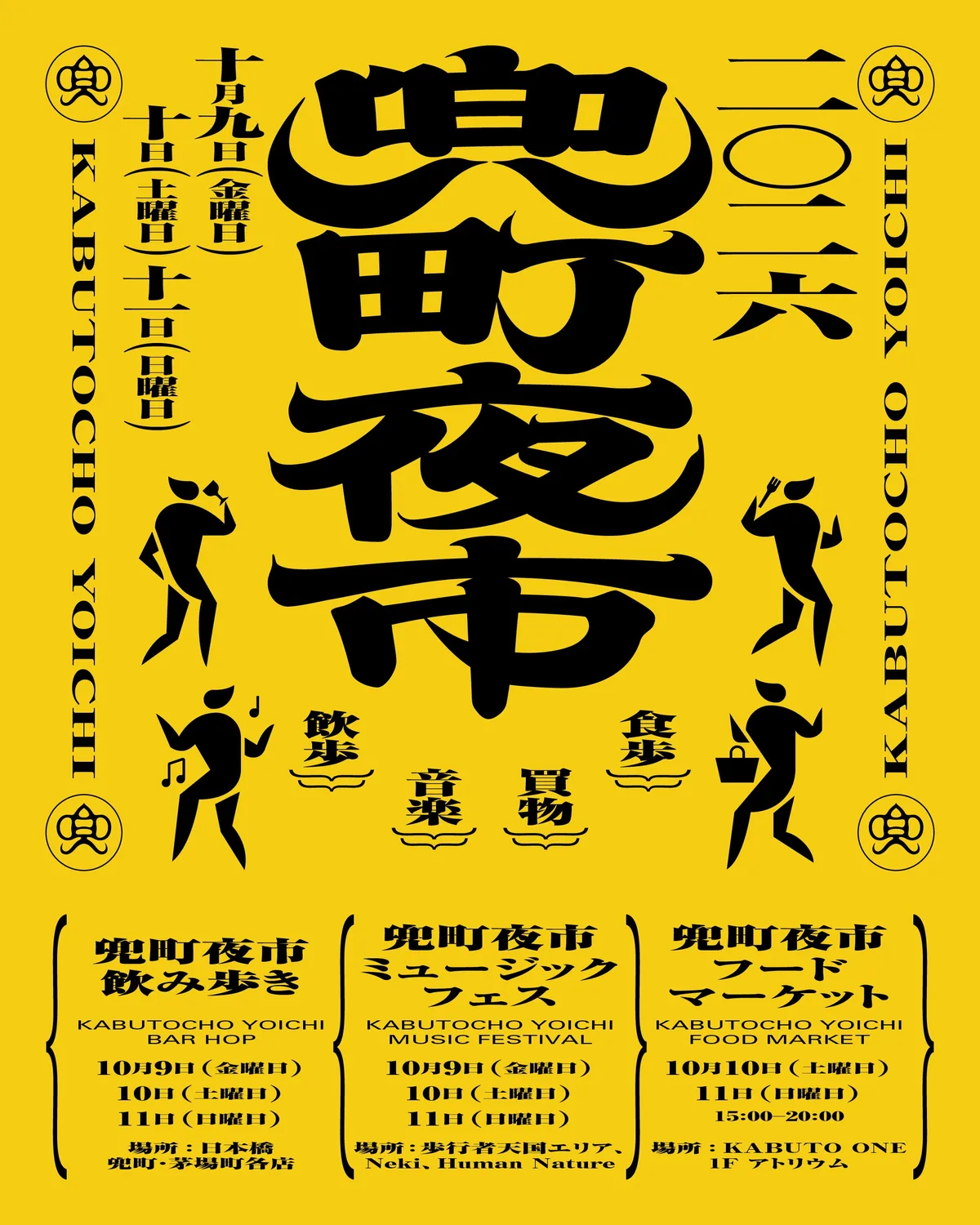
Street food in Japan is not only festival stalls. It can include market snacks, shopping-street foods, temple-area sweets, station-area bites, and event food. The format matters because you may be standing, walking, carrying luggage, or sharing crowded space.
What this hub will hold
This hub connects takoyaki, okonomiyaki, yakitori, gyoza, festival food, market food, and area-based street-food clusters. Each child page should explain where the food fits in a route and how to avoid common visitor mistakes.
Market and street-food cautions
Do not assume every street allows eating while walking. Follow local signs, shop instructions, queue flow, rubbish rules, and crowd conditions. If a food is hot, messy, smoky, or strong-smelling, choose a place to eat before buying.
Quick chooser
| Situation | Best starting point | Check first |
|---|---|---|
| Sampling day | Markets and shopping streets | Keep portions small and watch crowd flow. |
| Rainy day | Covered arcades or department-store food floors | Outdoor stalls may be uncomfortable. |
| Family day | Food court or seated shop after snacks | Street snacks alone rarely solve lunch. |
| Festival day | Food stalls plus transport backup | Crowds and trains decide timing. |
| Allergy concern | Preverified restaurant or packaged food | Street food can hide sauces and shared tools. |
Explore related guides
Explore these related guides next:
- Takoyaki in Japan: Where It Fits in a Food Trip
- Okonomiyaki in Japan: Osaka, Hiroshima, and Casual Restaurants
- Yakitori in Japan: Skewers, Ordering, Smoke, and Seating
- Gyoza in Japan: Shops, Sets, Side Dishes, and Timing
- Festival Food in Japan
Traveler scenarios
- First-time visitor: use the simplest path first, then add special meals or pop-culture stops after the route is stable.
- Short-trip visitor: choose options near stations, hotels, shopping areas, or venues already on the plan.
- Family or group: protect seating, toilets, portion size, payment splitting, and backup meals.
- Strict dietary need: do not rely on photos, English names, or assumptions. Confirm ingredients and cross-contact risk directly where necessary.
- Rain, heat, or fatigue: choose indoor, nearby, and flexible options before chasing a distant recommendation.
Planning workflow
Use a three-step workflow before adding this to an itinerary. First, decide whether the page is solving a meal, route, reservation, weather, budget, or pop-culture problem. Second, choose the lowest-friction option that still gives the group a real Japan experience. Third, save one backup in the same station area, hotel area, shopping building, or venue neighborhood.
This matters because overseas travelers often plan from attractive photos while the actual day is controlled by transport, opening hours, walking distance, timed entry, luggage, heat, rain, and group energy. A good food travel plan should feel flexible on the ground. If the first choice fails, the second choice should not require starting the whole day again.
What to verify on the day
| Check | Why it matters | Safer action |
|---|---|---|
| Hours and last order | Travel days often run late, and venues can close between meal periods. | Check the exact branch or venue before leaving the area. |
| Reservation or queue system | Some places use booking pages, name lists, numbered tickets, lotteries, or walk-in queues. | Read the official rule and keep a nearby fallback. |
| Payment method | Cash, card, IC card, QR payment, and ticket-machine flows vary. | Carry at least one backup payment method. |
| Ingredients and allergens | Stock, sauce, garnish, frying oil, and set sides can be hidden. | Use official information or ask the venue directly when the risk is serious. |
Common mistakes
- Using an old social post as if it proves current hours, prices, or rules.
- Choosing a famous option that does not fit the route, weather, or group energy.
- Assuming one city, chain, branch, or event represents all of Japan.
- Forgetting reservations, last order, payment methods, luggage, and rubbish.
- Publishing or following a list without checking the official source for changing facts.
Related guides
Japanese Food Basics | Takoyaki in Japan | Okonomiyaki in Japan | Yakitori in Japan | Festival Food in Japan
Sources
Editorial disclosure: This guide is independent and does not rank or promote specific restaurants, hotels, brands, venues, events, products, booking platforms, or ticket services.