Japan Food Itinerary Planning Pillar: How to Build Meals Around Your Trip
Short answer: Plan Japan meals around the day structure first: arrival, hotel base, station moves, weather, reservations, and backup food. Then choose dish or restaurant type.
This is a top-level pillar for the English food travel project. It should connect large topic hubs and be updated whenever new supporting pages go live.
Last checked: August 4, 2026. Menus, prices, hours, reservations, transport conditions, payment methods, product availability, event details, and venue rules can change. Confirm current details with the exact shop, venue, operator, or official source before relying on them.
Start with the day, not the dish
A Japan food itinerary works best when each meal protects the next movement. A famous lunch is not useful if it crosses the city before a timed museum entry, leaves the group without breakfast, or forces a late-night train transfer. Build the day around anchors: hotel area, station corridor, attraction area, and one meal that deserves a reservation.
The pillar map
This page will receive city-area routes, one-day food routes, rail-day food planning, rainy-day plans, family food planning, shopping-area food guides, and budget food guides. Use it as the top planning trunk, then move into hubs and clusters when the decision becomes specific.
How to use this pillar
Choose a city, then choose the day type. Arrival nights need simple nearby food. Full sightseeing days need a lunch near the route. Long train days need station meals and bento timing. Rainy days need indoor options. Family days need seating, toilets, snacks, and backup choices.
Build the itinerary in layers
| Layer | Question | Good default |
|---|---|---|
| Base | Where will you already be? | Hotel, station, attraction, shopping area, or event venue |
| Anchor | What meal or food experience would you regret missing? | One reserved meal, market visit, local specialty, or cooking activity |
| Flexible meal | What can move if the day changes? | Lunch set, ramen, udon, food hall, cafe, or casual neighborhood meal |
| Backup | What keeps the day working if the anchor fails? | Same-station food, hotel-area dinner, supermarket, convenience store, or family restaurant |
Do not start with a national dish list. Start with the route anchor and add food that protects the next movement. A first-time visitor usually needs fewer high-stakes reservations and more meals that can move by thirty minutes without breaking the day.
Choose the route pattern
- City base day: keep breakfast, lunch, and dinner inside one connected area. Use the city hub when neighborhood choice is the main problem.
- Transfer day: buy station food before boarding, protect luggage and platform time, and avoid a restaurant reservation immediately after arrival.
- Event or theme-park day: eat before the queue becomes difficult, confirm timed-entry or mobile-order rules, and keep the final meal near the return route.
- Scenic or rural day: verify the last return connection, confirm the exact opening day, and treat the view or farm activity as weather-dependent.
- Family or strict-diet day: make the backup visible before leaving the hotel. Do not make the most uncertain meal the only dinner plan.
Three useful planning examples
Three-city first trip: use Tokyo, Kyoto, and Osaka as bases, reserve only the meals or experiences that define the trip, and keep ordinary food near the day’s station or attraction. Add one regional or scenic extension only when it does not create a fragile transfer.
Short city break: choose one neighborhood per half day, one food anchor, one flexible stop, and one indoor fallback. A shorter trip benefits more from route simplicity than from collecting distant famous restaurants.
Food-led regional extension: choose a regional theme such as tea, seafood, fruit, noodles, or a ryokan meal. Give it enough nights for the production area or market to be meaningful, and keep a city-based alternative if weather or transport changes.
Itinerary questions to answer before booking
- What is the day’s fixed anchor?
- How much walking, standing, and transfer time can the group handle?
- Which meal can move, and which one cannot?
- Where is the backup if the planned venue closes, sells out, or cannot meet the dietary need?
- What official information must be checked again shortly before travel?
Quick chooser
| Situation | Best starting point | Check first |
|---|---|---|
| Arrival night | Hotel-area dinner or convenience store backup | Do not cross town while tired. |
| Full city day | One area or simple corridor | Avoid mixing east and west city clusters. |
| Train day | Station meal, ekiben, or simple bento | Check gates, platforms, rubbish, and carry time. |
| Rainy day | Station buildings, malls, department stores | Keep walking routes covered where possible. |
| Family day | Food court, family restaurant, hotel breakfast | Protect energy and restroom access. |
Explore related guides
Explore these related guides next:
- Japan Family Food Travel Guide
- Japan Rainy-Day Food Travel Guide
- Food for Long Train Rides in Japan: Bento, Snacks, Drinks, and Rubbish
- Tokyo Food Itinerary by Area: East, West, Central, and Station Days
- One-Day Tokyo Food Route for First-Time Visitors
- Osaka Food Itinerary by Area: Minami, Umeda, Shinsekai, and Markets
- One-Day Osaka Food Route for First-Time Visitors
- Kyoto Food Itinerary by Area: Gion, Nishiki, Arashiyama, and Station Meals
- One-Day Kyoto Food Route for First-Time Visitors
- Tokyo to Kyoto Food Stops: What to Eat Around Stations and Train Days
- Food Planning for Japan Rail Pass Days
- Japan Shopping Area Food Guide
Traveler scenarios
- First-time visitor: use the simplest path first, then add special meals or pop-culture stops after the route is stable.
- Short-trip visitor: choose options near stations, hotels, shopping areas, or venues already on the plan.
- Family or group: protect seating, toilets, portion size, payment splitting, and backup meals.
- Strict dietary need: do not rely on photos, English names, or assumptions. Confirm ingredients and cross-contact risk directly where necessary.
- Rain, heat, or fatigue: choose indoor, nearby, and flexible options before chasing a distant recommendation.
Planning workflow
Use a three-step workflow before adding this to an itinerary. First, decide whether the page is solving a meal, route, reservation, weather, budget, or pop-culture problem. Second, choose the lowest-friction option that still gives the group a real Japan experience. Third, save one backup in the same station area, hotel area, shopping building, or venue neighborhood.
For first-time Tokyo visitors, start with One-Day Tokyo Food Route when the day needs a simple route instead of a full area comparison. Use the broader Tokyo area guide when you are choosing between east, west, central, and station-based days.
For first-time Osaka and Kyoto days, use One-Day Osaka Food Route and One-Day Kyoto Food Route before adding specialty stops. For rail-heavy travel, use Tokyo to Kyoto Food Stops and Food Planning for Japan Rail Pass Days.
This matters because overseas travelers often plan from attractive photos while the actual day is controlled by transport, opening hours, walking distance, timed entry, luggage, heat, rain, and group energy. A good food travel plan should feel flexible on the ground. If the first choice fails, the second choice should not require starting the whole day again.
What to verify on the day
| Check | Why it matters | Safer action |
|---|---|---|
| Hours and last order | Travel days often run late, and venues can close between meal periods. | Check the exact branch or venue before leaving the area. |
| Reservation or queue system | Some places use booking pages, name lists, numbered tickets, lotteries, or walk-in queues. | Read the official rule and keep a nearby fallback. |
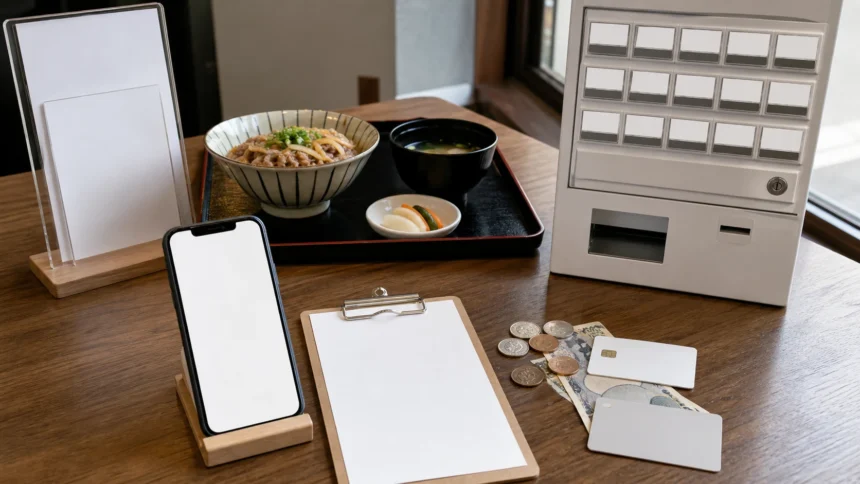
| Payment method | Cash, card, IC card, QR payment, and ticket-machine flows vary. | Carry at least one backup payment method. |
| Ingredients and allergens | Stock, sauce, garnish, frying oil, and set sides can be hidden. | Use official information or ask the venue directly when the risk is serious. |
Common mistakes
- Using an old social post as if it proves current hours, prices, or rules.
- Choosing a famous option that does not fit the route, weather, or group energy.
- Assuming one city, chain, branch, or event represents all of Japan.
- Forgetting reservations, last order, payment methods, luggage, and rubbish.
- Publishing or following a list without checking the official source for changing facts.
Related guides
Japan Food, Culture, and Travel Guide | Japan Travel by Purpose | Japanese Food Basics | Practical Food Guides in Japan | Japan Budget Food Guide for Travelers | Japan Rainy-Day Food Travel Guide | Japan Family Food Travel Guide | Japan Shopping Area Food Guide
Sources
Editorial disclosure: This guide is independent and does not rank or promote specific restaurants, hotels, brands, venues, events, products, booking platforms, or ticket services.