Tokyo Food Itinerary by Area: East, West, Central, and Station Days
Short answer: Plan Tokyo food by area instead of crossing the city for every meal. Choose east, west, central, or station-based days, then add one food anchor and nearby backups.
This cluster supports Japan Food Itinerary Planning Pillar. Use the parent page for the broader route, then return here for this specific traveler decision.
Last checked: August 16, 2026. Menus, prices, hours, reservations, payment methods, branch rules, transport conditions, seasonal products, and venue policies can change. Confirm current details with the exact shop, venue, operator, or official source before relying on them.
When this choice makes sense
Tokyo is large enough that food planning should follow area logic. A good itinerary keeps meals near the sightseeing route, hotel base, or station corridor instead of chasing disconnected recommendations.
The useful question is not only whether the topic is famous. The useful question is whether it protects the next part of the day: a train, hotel check-in, timed attraction, family rest, weather change, or dietary boundary.
Quick chooser
| Situation | Best starting point | Check first |
|---|---|---|
| East Tokyo day | Asakusa, Ueno, Tokyo Station, or nearby markets | Avoid jumping to west Tokyo for one meal. |
| West Tokyo day | Shinjuku, Shibuya, Harajuku, or nearby cafes | Watch evening crowds and queues. |
| Central day | Ginza, Nihombashi, Marunouchi, and department stores | Use indoor options in rain. |
| Station day | Tokyo Station or major transfer station | Check gates, luggage, and train timing. |
| Pop culture day | Akihabara, Ikebukuro, or themed cafe area | Verify official cafe rules. |
How to fit it into an itinerary
Start from the route. If this choice is already near the hotel, station, attraction, shopping area, or event venue, it can be a strong option. If it requires a long detour, make sure the experience itself is important enough to justify the time.
On a short trip, use tokyo food itinerary by area as one part of the day. Protect seating, toilets, payment, and dietary clarity before adding novelty or a long detour.
What travelers should verify
| Check | Why it matters | Safer action |
|---|---|---|
| Opening hours and last order | Food plans often fail when sightseeing runs late. | Check the exact branch or venue before leaving the area. |
| Queue or reservation system | Some places use name lists, tickets, booking pages, or simple walk-in lines. | Keep a nearby backup instead of waiting until the group is exhausted. |
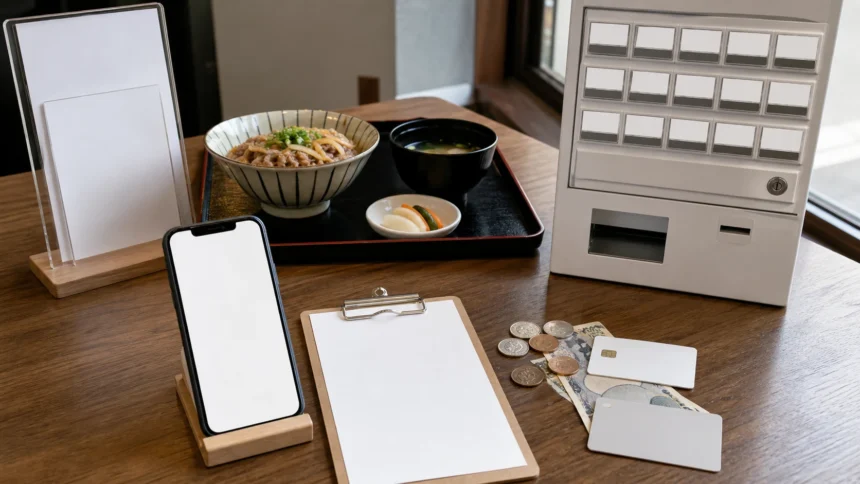
| Payment method | Cash, card, IC card, and QR payment support vary. | Carry a backup payment method. |
| Ingredients and allergens | Sauces, stock, fillings, frying oil, and side dishes can be hidden. | Use official information or ask the venue directly when the risk is serious. |
Traveler scenarios
- First-time visitor: choose the standard format before chasing advanced versions.
- Short-trip visitor: keep the choice near a route anchor so it does not break the day.
- Family or group: protect seating, portion size, payment, and backup choices.
- Rain, heat, or luggage: choose indoor, station, mall, hotel-area, or low-carry options.
- Strict dietary need: do not rely on photos, English names, or assumptions.
How to choose between similar options
Treat tokyo food itinerary by area as a route decision, not a standalone list. Compare the food format with a nearby cafe, station meal, food court, hotel option, or convenience-store backup.
If the group is already hungry, choose the clearest nearby option. If the day still has several hours of walking, avoid heavy portions or messy food unless there is a good place to sit. If this is a first visit, choose a standard version before adding limited menus, special toppings, long queues, or complicated ordering systems.
Parent-link workflow
Use the related guides to compare this option with nearby meals, routes, and practical travel choices. Keep one backup in the same station, hotel, attraction, or shopping area so the day remains flexible if hours, queues, weather, or availability change.
Use Area Logic for Tokyo Food Days
Choose one Tokyo side or corridor per day, then place one meal anchor and one backup near the same route.
- Pair east-side sightseeing with east-side food, west-side shopping with west-side food, or use a station day when luggage or weather dominates.
- Decide whether the anchor is breakfast, lunch, a snack, or dinner; do not give every stop equal priority.
- Check the final train, station exits, queue method, and a low-friction meal before leaving the area.
FAQ: Questions Travelers Often Ask
- Can one day cover Asakusa and Shibuya comfortably? It is possible, but the transfer cost may weaken the food plan.
- Which area is best? The one that matches the day’s main attraction, hotel, or transport route.
FAQ
Is Tokyo Food Itinerary by Area suitable for every traveler?
No. The right choice depends on route, timing, appetite, budget, weather, group energy, and dietary boundaries. Confirm current venue details before relying on a fixed plan.
What is the practical backup for tokyo food itinerary by area?
Keep a nearby station, hotel, food-court, supermarket, bakery, or convenience-store option that solves the same meal need with less queue and transport risk.
Common mistakes
- Following an old viral post without checking current details.
- Choosing the food before checking route timing and seating.
- Assuming one city, shop, chain, or branch represents all of Japan.
- Forgetting rubbish, payment, luggage, weather, and group fatigue.
- Treating a snack as a complete meal when the day needs real rest.
Related guides
Japan Food Itinerary Planning Pillar | Japanese Food Basics | Practical Food Guides in Japan
Sources
Editorial disclosure: This guide is independent and does not rank or promote specific restaurants, hotels, brands, venues, products, booking platforms, or ticket services.