Depachika food halls in Japan: how to buy bento, sweets, gifts, and takeout
Short answer: depachika are food floors in the basements of Japanese department stores. Use them for prepared bento, sweets, gifts, takeout meals, rainy-day food browsing, and station-area backup meals, but check where you can eat, how long the food will keep, and whether the exact shop can answer dietary questions.
If you are still choosing between markets, convenience stores, station food, ekiben, hotel dining, ramen, sushi, breakfast, and depachika, start with Japanese Food Basics.
Last checked: August 16, 2026. Department-store floors, shops, hours, limited-time items, samples, seating, payment, tax-free rules, packaging, expiry dates, and dietary support vary by store and date. Confirm current details with the exact department store and shop.
What is depachika?
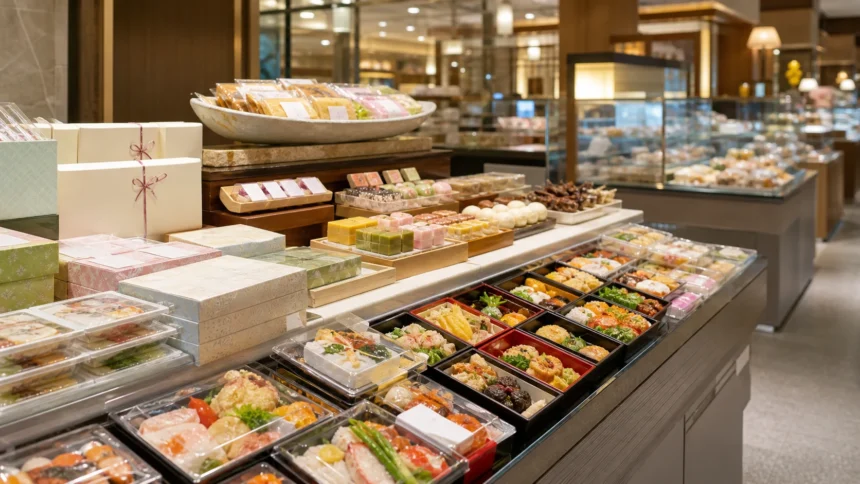
JNTO describes depachika as foodstuff market areas in the basement of top department stores, with prepared bento, delicatessen-style goods, sweets, groceries, wines, spirits, and other food items. They are often connected to train stations, which makes them useful on rainy days or before travel.
Do not think of depachika as a normal supermarket or a restaurant floor. It is usually an indoor retail food floor. You may be buying food to take away, gifts to bring to someone, sweets for later, or a bento to eat at your hotel or on a suitable train. Seating is not guaranteed.
When depachika is the right choice
| Situation | Good fit? | Why |
|---|---|---|
| Rainy or hot city day | Yes | Indoor food browsing is easier than a crowded outdoor market. |
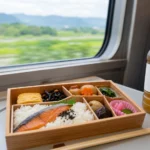
| Before a train or hotel meal | Often yes | Bento, prepared dishes, bread, and sweets can work as takeout. |
| Gift or souvenir shopping | Yes | Many depachika floors have sweets, regional goods, and carefully packaged items. |
| You need a place to sit and eat immediately | Maybe | Some stores have cafes or eating areas, but many items are takeout only. |
| Serious allergy or strict diet | Only with confirmation | Labels, staff, and shop policies vary; appearance is not enough. |
Depachika, market, convenience store, or ekiben?
Choose depachika when you want variety, packaging, gifts, prepared food, sweets, or an indoor retail environment. Choose a market when the neighborhood and vendor culture are the point. Choose a convenience store when speed, simplicity, and late-night access matter. Choose ekiben when the meal is specifically for a long train ride.
For markets, use Best Food Streets and Markets in Japan. For convenience stores, use Japanese Convenience Store Food Guide. For train bento, use Ekiben Guide for Japan Train Travel.
What you can buy
Common depachika categories include bento, sushi packs, fried foods, salads, prepared side dishes, bakery items, sweets, fruit, tea, sake, wine, regional foods, gift boxes, and limited-time items. Osaka’s official tourism site notes that Umeda depachika can gather popular shops from around Japan and international brands in one place, with face-to-face sales and sometimes samples.
Treat samples and limited items as bonuses, not guarantees. A shop may stop sampling, sell out, change seasonal items, or run a limited-time event that is gone by your visit.
Where can you eat depachika food?
This is the most important practical question. Many depachika foods are sold for takeout. Some department stores have cafes, restaurants, rooftop areas, benches, or event spaces, but you should not assume that food bought on the basement floor can be opened and eaten anywhere in the building.
Before buying a meal, decide where it will be eaten: hotel room, suitable train, park, office, home, designated seating, or later in the day. If you do not know, buy something sealed and stable, or choose a cafe or restaurant instead.
How to shop without stress
- Check the floor and hours. Use the department store’s current official page, not only a map listing.
- Go outside lunch and dinner peaks if possible. JNTO recommends avoiding lunch and dinner crowds.
- Choose the purpose first. Meal, snack, gift, train food, hotel dinner, or souvenir.
- Read the label and timing. Check use-by date, refrigeration, allergens, heating, and packaging.
- Ask before photos or samples. Follow each shop’s rule and avoid photographing staff, customers, price tags, or branded displays without permission.
- Plan carrying and rubbish. Prepared food can leak, smell, melt, or require refrigeration.
Good depachika uses for travelers
Hotel-room dinner after a long day
Depachika can be excellent when a restaurant reservation feels like too much. Choose food that fits your room equipment and can be eaten neatly. Avoid food that needs heating if you do not have a safe way to heat it.
Train or station-area food
Department stores connected to stations can be useful before rail travel. GO TOKYO describes underground food markets and food zones near Tokyo Station and Marunouchi. Still, check whether the food is suitable for your train and whether the shop is on the correct side of your route.
Gifts and sweets
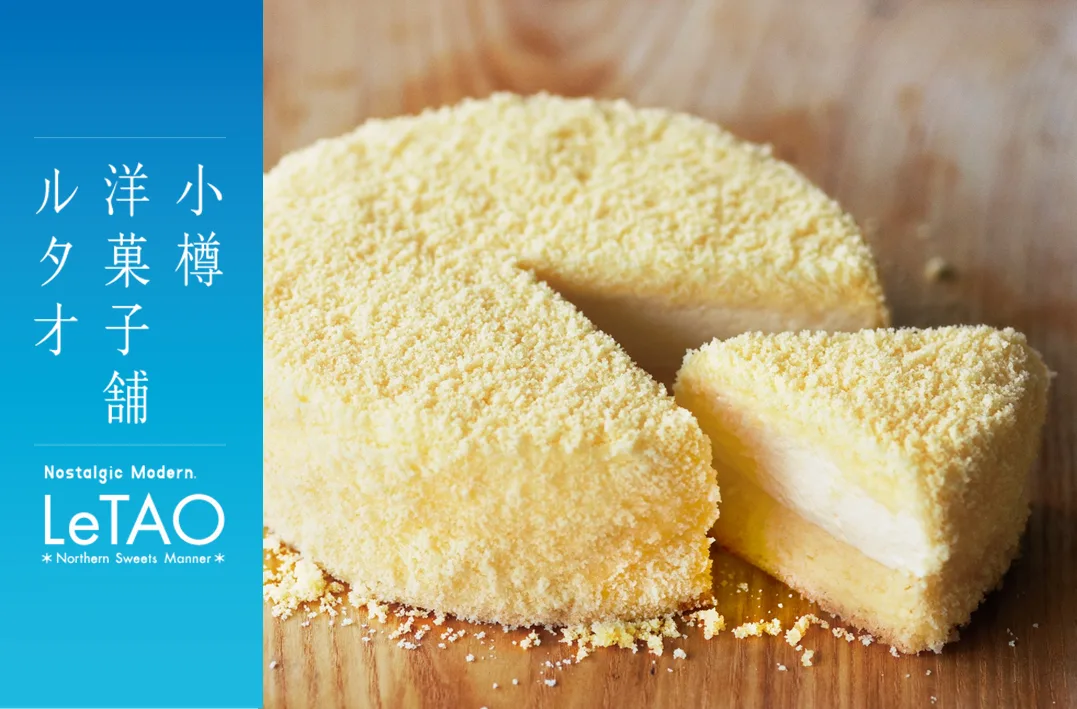
Depachika sweets can be useful gifts because many items are packaged carefully. Check shelf life, storage, fragility, alcohol content, nuts, dairy, gelatin, and whether the item can survive travel. Do not buy refrigerated sweets before a long hot day unless you can store them properly.
Allergies and dietary needs
Depachika can be easier than a market because packaged products and face-to-face counters may provide information. It can also be difficult because many counters sell prepared food with sauces, shared tools, fried items, seafood, egg, wheat, soy, dairy, sesame, nuts, alcohol-derived seasonings, meat extract, gelatin, and cross-contact risk.
If a serious allergy matters, use Japan Food Allergy Guide for Travelers and ask the exact shop before buying. A beautiful display does not prove ingredients.
Make the decision fit the day
Depachika Food Halls in Japan is most useful when it solves one concrete travel decision. Start with department-store food floors, packaged gifts, eating areas, closing times, and luggage; then choose the option that fits the route already on the calendar. A famous format is not automatically the best choice if it adds a long detour, a hard reservation, or a new problem for the group.
Before leaving for Depachika Food Halls in Japan, set the route anchor, the latest acceptable meal time, and one trigger for changing plans. For this topic, the trigger may be a sold-out slot, a long queue, bad weather, luggage, a dietary boundary, a tired child, or a train that cannot be missed. Decide it while the group is calm, not after the original plan has failed.
| Travel situation | First choice | Confirm before committing |
|---|---|---|
| The topic is the day’s main goal | Reserve or arrive early and keep the surrounding route light. | Official hours, entry format, current menu, payment, and cancellation or late-arrival rules. |
| The topic is a pleasant extra | Choose a nearby option with a normal meal or rest stop beside it. | Walking time, queue length, seating, toilets, and whether the group can leave easily. |
| The group has a constraint | Prefer the clearest option and save a second choice in the same area. | Ingredients, access, child needs, weather cover, luggage space, and a way to communicate questions. |
Check the exact venue or area
For depachika food halls in japan, use maps and social posts to discover candidates, then verify the exact official venue or area page before changing the itinerary. Branch hours, menus, reservations, campaign dates, tenant lists, payment methods, and access can differ. Recheck near the visit when weather, events, or stock could change the decision.
When planning depachika food halls in japan from overseas, check Japan local time, phone-number requirements, language options, card support, and visit-day evidence. Save the official page, confirmation screen, address, nearest station exit, and reservation or timed-entry details before leaving reliable Wi-Fi.
Keep the backup in the same movement pattern
For depachika food halls in japan, the backup should preserve the same movement pattern with less friction. Match an early train with a station option, rain with a hotel or mall, a late arrival with a convenience store or supermarket, and a failed campaign or queue with an ordinary restaurant. A backup that crosses the city is usually too expensive in time and energy.
Use the parent guide after this decision is clear. It can help compare areas, seasons, or purposes; this page should remain the practical answer for department-store food floors, packaged gifts, eating areas, closing times, and luggage. When a child or sibling article is added, link it from the parent and keep the promise of each page distinct so readers can move from the broad map to the next small choice.
FAQ
Should I plan this before booking my trip?
Only when department-store food floors, packaged gifts, eating areas, closing times, and luggage is a major reason for the trip or has a limited reservation window. Otherwise, place it as a flexible option near a route you already want to take. This keeps the plan useful even when dates, weather, or availability change.
What is the safest way to handle changing information?
For Depachika Food Halls in Japan, record the date, location, and rule you actually confirmed, then save one nearby alternative. An old review, translated summary, or single branch should explain where to look next, not become a universal rule for the whole category.
What should I decide first?
Decide whether the topic is the anchor, a meal, a short break, or a backup. Then set the time and location around that role. The route becomes easier when the article has one job instead of trying to rank every possible choice.
Common mistakes
- Buying food before deciding where to eat it.
- Assuming every department store has seating for basement-floor food.
- Buying refrigerated or delicate sweets before a long sightseeing day.
- Photographing displays, staff, or other customers without checking rules.
- Treating limited-time items from social media as permanent.
- Assuming depachika is always cheaper than a restaurant or convenience store.
FAQ
Is depachika the same as a food court?
No. Some department stores have cafes or restaurants, but depachika usually means basement food retail. Many items are takeout or gift products.
Can I eat food inside the department store?
Only where the store or shop allows it. Ask or look for a designated seating area. If there is no clear place, take the food to your hotel or another appropriate location.
Are depachika good for souvenirs?
Yes, especially sweets and packaged regional items. Check shelf life, storage, fragility, and whether the item is suitable for travel.
Are depachika good for vegetarian, vegan, or halal travelers?
Sometimes, but confirm directly. Labels and staff may help, but sauces, stock, gelatin, alcohol seasoning, shared tools, and certification questions still matter.
Related guides
For the wider food-format map, start with Japanese Food Basics. For markets, read Best Food Streets and Markets in Japan. For quick backups, read Japanese Convenience Store Food Guide. For train meals, read Ekiben Guide for Japan Train Travel.
Sources
- JNTO: Your Guide to Japanese Department Store Food Floors
- Osaka Info: Department store basement
- GO TOKYO: Underground food markets in Shinjuku and Marunouchi
- JR Nagoya Takashimaya: Restaurant and Cafe floor information
Editorial disclosure: This guide is independent and does not rank or promote specific department stores, food brands, or limited-time products.