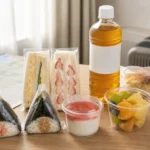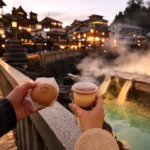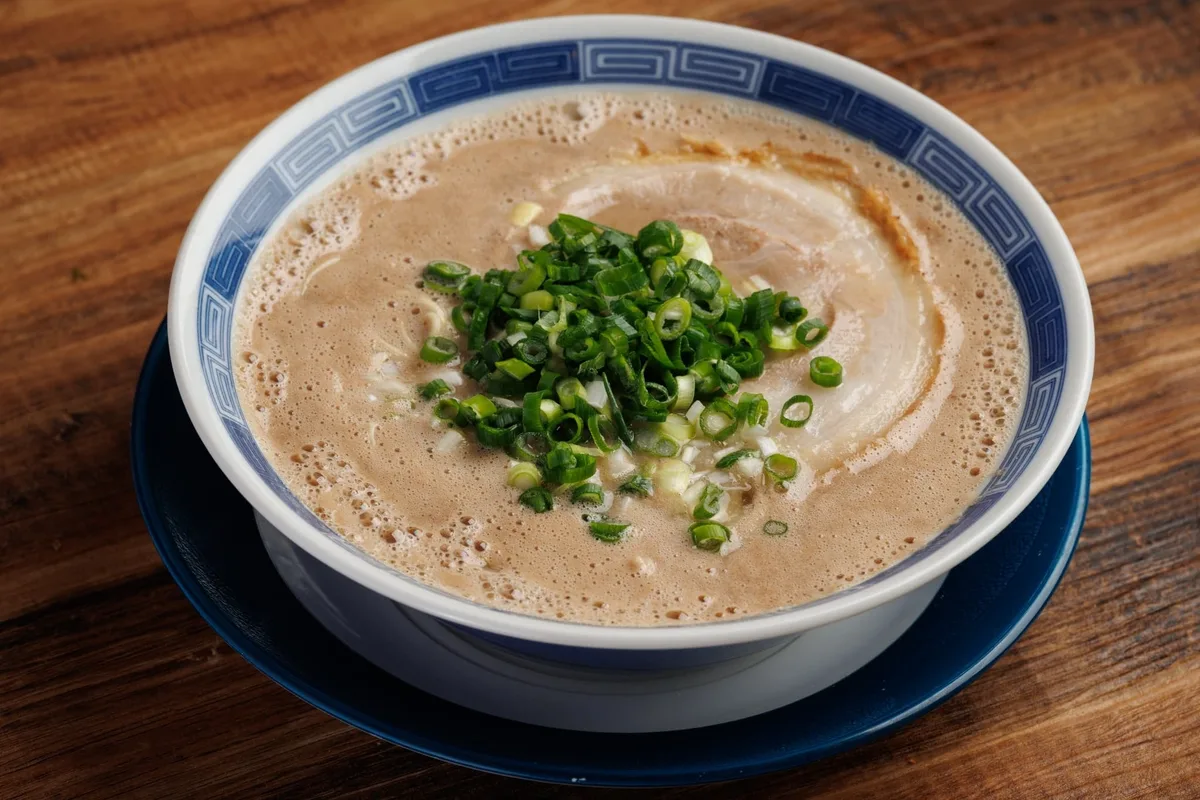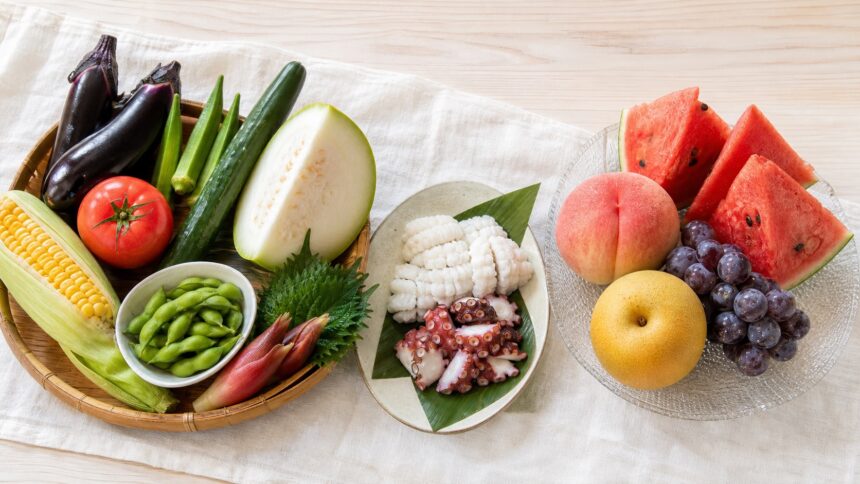
Short answer: There is no single national calendar for what to eat in Japan. Use the four seasons as a planning layer, then narrow by region, type of seasonality, exact venue, and current availability. Spring can bring bamboo shoots, clams, strawberries and Toyama firefly squid; summer can mean tomatoes, watermelon, chilled noodles and festival food; autumn is associated with new harvests, fruit, mushrooms and Rausu squid or salmon; winter brings root vegetables, citrus, yellowtail, hot pots and region-specific seafood such as Fukui’s Echizen crab. These are starting points—not promises that a dish will be in every city or restaurant.
For a reliable trip, decide whether you want a cultural seasonal dish, a regional crop or catch, a market visit, a farm experience, or a restaurant course. Check the competent official regional source, then the exact farm, market, restaurant or facility shortly before travel. Keep a nearby fallback because weather, catches, crops, menus, holidays and transport can change.
Use the Japan Food, Culture, and Travel Guide for the whole English map, then choose a destination from Japan Destinations by Area. This seasonal page is the timing branch: it helps you decide when a route or food theme fits before you choose a specific city or venue.
If you are still planning the overall food route before choosing a season, start with our Japan food travel guide for first-time visitors. If your dates are flexible and you want to choose the strongest food window first, use Best Time to Visit Japan for Food before narrowing into this calendar. For fixed dates, use the month-by-month table below as the main index; it links to the relevant month, season and event guides without repeating the same list in every section. For concerts, anime events, fireworks, seasonal crowds, and venue-day food planning, use the Japan Event Food Travel Guide.
Last checked: August 16, 2026. Harvests, catches, fishing rules, weather, menus, suppliers, prices, opening days, festivals, access, reservations, cancellations, payment, language support and dietary accommodation can change. Recheck the exact year, region, producer, facility, menu and transport operator.
Japan Seasonal Food Calendar: Month-By-Month Planning Map
Use this calendar as the top layer of your Japan food plan. It helps you choose a travel theme, not a guaranteed menu. If this is your first trip, pair it with the Japan food travel guide for first-time visitors. If you already know your route, combine the seasonal choice with regional food, markets, food streets and practical checks.
| Month | Food travel themes | Planning caution | Useful next guide |
|---|---|---|---|
| January | New Year food, hot pots, ramen, citrus, winter seafood, snow-country meals | New Year closures can affect restaurants, markets, transport and attractions. | January food guide and New Year food guide |
| February | Setsubun, snow-event food, winter hot dishes, Hokkaido seafood/dairy, citrus and root vegetables | Snow, sea conditions and event crowds can disrupt exact plans. | February food guide |
| March | Hinamatsuri, sakura sweets, strawberries, clams, bamboo shoots, Toyama firefly squid themes | Bloom timing, catches and farm calendars vary by region and year. | March food guide and spring foods |
| April | Hanami food culture, spring vegetables, sweets, flower festivals, seafood trips | Golden Week begins near the end of the month and can change booking pressure. | April food guide and Golden Week food guide |
| May | Children’s Day sweets, shincha, tea sweets, late spring produce, early summer flavors, festival and flower routes | Golden Week, exact festival dates, tea harvest timing and post-holiday closures need venue-level checking. | May food guide and Golden Week food guide |
| June | Rainy-season meals, hydrangea routes, ume plum cues, indoor food halls, chilled noodles | Rain can make outdoor markets and rural activities less reliable. | June food guide and convenience store seasonal food |
| July | Chilled noodles, festival food, fireworks nights, beer gardens, fruit, highland routes | Heat changes food carrying, queue tolerance, and outdoor timing. | July food guide and food festivals calendar |
| August | Obon travel meals, summer festival food, fireworks, fruit, cold meals, Tohoku routes | Heat, Obon travel demand, storms and typhoons can affect routes. | August food guide and food festivals calendar |
| September | Late summer to early autumn transition, fruit, first harvest themes, regional seafood | Typhoon risk remains important, especially for islands, ports and rural routes. | September food guide and autumn foods |
| October | Rice, soba, sake, pears, persimmons, harvest festivals, autumn sweets | Harvest, retail and restaurant menu dates are not the same. | October food guide and autumn foods |
| November | Autumn leaves, hot springs, warm noodles, seafood, crab-region planning, illuminations | Named crab and seafood seasons are regional and venue-specific. | November food guide and autumn foods |
| December | Hot pots, ramen, oden, illuminations, Christmas markets, ski-town meals, New Year prep | Late-month reservations, closures and transport plans need early checking. | December food guide and New Year food guide |
Choose Your Reading Path
| If you are planning… | Start with | Then read |
|---|---|---|
| A first Japan food trip | Japan food travel guide | Use this seasonal page only after the main route and meal style are clear. |
| A fixed month | The month-by-month table above | Choose the exact monthly guide there, then confirm current dates and venue details. |
| A three-month season | Spring, summer, autumn or winter child guide | Use the seasonal guide when your route spans several months or regions. |
| A festival, yatai or holiday trip | Food festival, Golden Week or New Year child guide | Treat dates, closures, crowding, weather and backups as the main planning problem. |
| A regional food route | Best local foods by region | Seasonality only becomes useful after the region and route make sense. |
| Allergies or strict diets | Practical food guides for Japan | Seasonal food still needs ingredient, label, kitchen and reservation checks. |
Use This Guide As A Decision Map, Not A Guarantee
Japan’s Ministry of Agriculture, Forestry and Fisheries uses shun (旬) for foods such as seafood and vegetables at their seasonal peak. MAFF also notes that breeding and improved distribution have made more foods available year-round. That distinction matters: a food can be culturally associated with a season even when a supermarket sells it in other months, or when a restaurant uses stored, frozen, imported, greenhouse-grown or farmed supply.
| “Seasonal” can mean | Best evidence | What it does not prove |
|---|---|---|
| Shun, a culinary peak | MAFF or a competent regional food-culture source | A fixed legal date or nationwide availability |
| Harvest or shipment period | Prefectural agriculture body, producer group or exact farm | That a Tokyo menu uses that crop or origin |
| Catch or fishing season | Fisheries authority, cooperative or competent regional body | That boats sailed today or a restaurant has stock |
| Restaurant seasonal menu | The restaurant’s current menu and booking page | Local origin, wild catch, sustainability or daily availability |
| Festival or annual custom | Current official event/municipal page | That the featured ingredient is at biological peak |
| Fruit-picking or food experience | Exact operator’s current calendar and terms | That weather, crop volume or transport cannot cancel it |
The Japan Meteorological Agency describes a country ranging from subarctic northern areas to subtropical southern islands, with important differences between the Pacific and Sea of Japan sides. A March food trip in Okinawa, Tokyo, mountain Nagano and Hokkaido does not share one climate or crop clock. The correct question is not only “What is in season in Japan?” but “What is associated with this season in this region, and where can I confirm it on my date?”
A Quick Four-Season Orientation
MAFF’s educational seasonal set provides a useful national orientation. It gives spring examples such as nanohana, strawberries, clams and bamboo shoots; summer examples such as cucumber, tomato, horse mackerel and watermelon; autumn examples such as sweet potato, persimmon, Pacific saury and chestnut; and winter examples such as Chinese cabbage, mandarin, yellowtail and daikon. MAFF also warns that protected cultivation and imports make many foods available beyond those broad associations.
| Travel period | Useful themes | Strong trip format | Main uncertainty |
|---|---|---|---|
| Spring | New growth, clams, strawberries, bamboo shoots, regional early seafood, hanami food culture | City restaurant plus one regional market or producer visit | Late snow, bloom timing, Golden Week demand, catch/crop variation |
| Summer | Chilled noodles, vegetables, watermelon, fruit, festival food, cooler-region trips | Early market meal, indoor lunch, highland or northern base | Heat, humidity, rain, typhoons, food carrying, event queues |
| Autumn | Rice, fruit, sweet potato, chestnut, mushrooms, regional squid/salmon, harvest culture | Farm/market day paired with a city meal | Harvest and retail dates differ; typhoons can continue; foliage crowds |
| Winter | Root vegetables, citrus, yellowtail, hot pot, ramen, region-specific crab, New Year food | Reserved dinner with an indoor urban fallback | Snow, sea conditions, holiday closures, named-species availability |
Do not choose flights around one ingredient before checking the region and the exact venue. Choose a theme with two ways to experience it: for example, “autumn fruit in Yamanashi plus a department-store fruit counter in Tokyo,” or “winter seafood in Fukui plus a booked local course and a station-area fallback.”
Plan In Five Steps
- Name the experience. Crop, catch, restaurant dish, market visit, farm activity, festival custom or food-making workshop?
- Choose the region. Match the food to a competent regional source, not a nationwide list.
- Choose the venue. Find the exact restaurant, public market area, farm, cooperative facility or museum.
- Recheck the mutable details. Opening day, booking, cancellation, access, menu, price unit, payment, allergy information and weather.
- Hold a fallback. A permanent restaurant, supermarket, department-store basement, museum or alternative dish in the same city.
Reservations, especially for farms, limited courses and small regional restaurants, are covered in our restaurant reservation guide. Booking a table does not guarantee a catch-dependent ingredient; ask whether the item is included and what happens if supply changes.
Spring: New Growth, Regional Seafood, And Fixed-Date Reality
Start with durable categories
For a focused March-May planning page, use the spring foods child guide. The section below explains the seasonal logic; the child page turns it into a practical spring itinerary and hanami-food checklist.
MAFF’s spring examples—nanohana, strawberry, clams and bamboo shoots—are good menu-recognition cues, not a national shopping guarantee. Look for them in a supermarket, department-store basement, vegetable-focused restaurant or seasonal course, then read the exact origin and menu explanation. A blossom-shaped sweet is a seasonal design; it is not evidence that cherry blossoms are a harvested ingredient.
For fruit, JFOODO/JETRO’s official calendar is deliberately broad and says timing changes with production area, cultivar, climate and cultivation. A March strawberry activity in one prefecture may use a different cultivar and operating calendar from a May activity elsewhere. Use the farm’s current page for opening dates, reservation method, time limit, picking rules and what happens when ripe fruit runs short.
Two regional seafood examples
Toyama Prefecture’s official tourism guide presents firefly squid broadly from March through June. That supports a Toyama spring-food theme, but not a promise of a boat tour, same-day catch, raw service or availability in another region. Check the exact market, museum, restaurant or tour and the weather before traveling.
Farther north, the Shiretoko Rausu Tourism Association lists short-spined sea urchin from late January through June and explicitly says sea and drift-ice conditions can keep boats in port. That is a useful lesson for all catch-dependent travel: a published range identifies a possibility, while the day’s sea and landings decide supply.
A realistic spring decision
If your Tokyo–Kyoto dates are fixed, do not chase a single blossom forecast and a single restaurant. Book one flexible seasonal meal, then use markets or department-store food halls to see what is actually being sold. JNTO warns that Golden Week begins at the end of April and is a peak travel period. Check the official national-holiday calendar, but also check the venue; a national holiday does not automatically tell you whether one restaurant is open.
Summer: Cool Formats, Fruit, Festivals, And Heat
Think about the meal format
For a focused June-August planning page, use the summer foods child guide. The section below explains the seasonal logic; the child page turns it into a practical summer itinerary for rainy season, heat, festivals, Obon and weather backups.
JNTO uses chilled somen as a summer example. The useful travel lesson is the format: a cool noodle meal can fit a hot day, while the sauce, broth, toppings and shared equipment still need their own ingredient checks. Our udon and soba guide explains hot/cold, dipping/served-in-broth and allergy boundaries that also help with other noodle menus.
MAFF’s summer set includes cucumber, tomato, horse mackerel and watermelon. JETRO’s fruit calendar can help compare broad shipment and season patterns for grapes and peaches, but the exact farm calendar controls. If an outdoor activity is the main purpose of your day, confirm rain and heat cancellation terms, footwear, time slot, what may be eaten on site and what may be taken away.
Heat changes the itinerary
Across much of Honshu and Kyushu, JNTO describes hot and humid summer conditions. Visit a market early, eat chilled or raw food where it is served, and avoid carrying perishable purchases through a long hot sightseeing day. Follow the printed storage directions on packaged food. “Fresh,” “local” and “bought at a morning market” do not establish a safe carrying time.
Festival food is a cultural experience, not a guaranteed list. Event date, stall lineup, payment, queues, seating, rubbish and allergy information can change each year. Use the current official event page and the signs at the stall. If you have a serious allergy and the seller cannot confirm ingredients and relevant controls, do not treat a popular festival item as a safe exception.
Build a weather fallback
JNTO notes that late August through much of September can bring frequent typhoons. Island, coastal, farm and port plans are especially exposed. Do not schedule a nonrefundable regional meal immediately after a flight or ferry that may be disrupted. A strong summer plan has an indoor alternative in the same base city: a food museum, cooking class, permanent restaurant, supermarket or depachika counter.
Autumn: Harvest Language, Fruit, Mushrooms, And Northern Timing
Harvest, shipment and menu dates are not the same
For a focused September-November planning page, use the autumn foods child guide. The section below explains the seasonal logic; the child page turns it into a practical route for harvest food, foliage crowds, typhoon buffers and mushroom safety.
JNTO’s October guide highlights pears, persimmons, rice, soba and sake as autumn tastes. Read that as a group of travel themes, not a synchronized national release. Rice can be harvested in one region before another; a shop can sell stored rice; a restaurant can begin a “new rice” menu after retail shipments start. If origin or new-crop status matters, ask what the label or supplier statement actually confirms.
Autumn fruit also shifts by area and cultivar. A farm’s availability page is stronger for a visit than a national graphic. Confirm whether the experience is reservation-only or walk-in, whether it is all-you-can-eat or priced by weight, whether picked fruit can be carried out, and which payment methods the exact operator accepts.
Use Rausu as a regional-calendar example
Rausu’s tourism association lists squid from September through November and salmon from September through October. That does not create an “all-Japan autumn squid and salmon season.” It gives a reason to investigate Rausu in autumn, then check restaurants and current landings. For broader northern trip planning, see our Hokkaido food guide.
Do not turn mushroom season into foraging advice
Japan’s Ministry of Health, Labour and Welfare warns people not to pick, eat, sell or give away mushrooms that cannot be identified with certainty as edible. This guide therefore does not teach wild identification or recommend self-foraging. Experience autumn mushrooms through an established retailer, restaurant, supervised operator or clearly identified commercial product—and still check allergy and kitchen controls.
Winter: Hot Formats, Snow Buffers, Crab, And New Year Closures
Warm dishes are a season format
For a focused December-February planning page, use the winter foods child guide. The section below explains the seasonal logic; the child page turns it into a practical route for warm meals, winter seafood, fugu safety, snow-country food and New Year closures.
JNTO highlights nabe hot pots and ramen in winter. These are useful cold-weather formats, not evidence that every ingredient is winter-harvested. A hot-pot meal can require advance booking, a minimum party size or a course order; a ramen shop can use a ticket machine or queue. Our ramen styles guide explains broth, tare, aroma oil, noodles, toppings and the ordering workflow.
MAFF’s winter examples include Chinese cabbage, mandarin, yellowtail and daikon. They offer useful words to recognize on menus and labels. Regional harvest and landing information is still needed before claiming origin or an exact month.
Fukui crab is regional, not a national crab clock
Fukui’s official travel guide says its crab season begins on November 6 and presents Echizen crab broadly from November through March. Use this only as Fukui planning evidence. Before booking, confirm the named crab, whether it is included in the course, the price unit, cancellation terms and the restaurant’s supply policy. Do not assume another crab species or another prefecture follows the same window.
Fugu has a safety boundary
MHLW defines which fugu species, parts and sea areas may be used, prohibits toxic parts from being sold or served, warns against amateur preparation and explains that handler and facility requirements are set through prefectural rules. Eat fugu only through a business operating under the applicable controls. Never prepare a caught or gifted fish yourself, and do not treat price, reputation or a seasonal label as a safety certificate.
New Year requires a closure plan
JNTO warns that many restaurants and attractions close during the New Year holidays. Check the exact restaurant, market and transport operator—not only Google hours. Reserve a first-choice meal where appropriate, identify a permanent fallback and buy only food your accommodation can store safely. Snow and sea conditions can also disrupt northern and Sea of Japan routes, so avoid building a winter trip around one irreplaceable dinner.
Choose A Region By Trip Logic
| Base or region | What it is useful for | Seasonal planning move | Fallback |
|---|---|---|---|
| Tokyo / Kanto | National supply, markets, depachika, broad restaurant choice | Use the city to compare labeled origins and seasonal menus | Supermarket or department-store counter near the hotel |
| Kyoto / Osaka | Seasonal course presentation, sweets, large urban food scene | Book one important meal; keep casual alternatives | Station/department-store food hall |
| Toyama / Hokuriku | Spring firefly squid and Sea of Japan regional food themes | Check weather, market/facility calendar and current supply | Indoor museum or city restaurant |
| Fukui | November-March Echizen crab planning | Confirm named crab, course, unit and supply before travel | Other verified Fukui seafood/food-culture experience |
| Hokkaido / Rausu | Cold-region timing different from central Japan | Use the local seasonal page, then check landings and transport | Sapporo/urban market or packaged regional product |
| Kyushu | Warmer regional timing and diverse city/port food | Build heat/rain buffers and confirm local crop/catch evidence | Permanent indoor city venue |
| Okinawa | Subtropical timing distinct from mainland Japan | Check typhoon, ferry/flight and exact island venue | Naha indoor market, museum or restaurant plan |
Use our regional-food guide to choose a broad route, then the Kyoto, Kyushu or Okinawa guide for the region’s practical ordering and itinerary context.
Compare The Venue Before You Commit
| Venue type | What it can prove | Check before going | Common fallback |
|---|---|---|---|
| Restaurant seasonal menu | What that restaurant currently advertises | Service date, course contents, substitutions, price, cancellation | Another permanent restaurant |
| Market visitor area | What visitors may observe or buy in designated areas | Open day, visitor route, public retail, photography, payment | Public food hall or museum |
| Farm / fruit picking | Operator’s crop and experience | Reservation, weather, time, eating/take-home, price unit | Retail fruit shop or depachika |
| Fishing port / cooperative facility | Regional landing and operator experience | Visitor access, landing day, sales, transport, refrigeration | City market or restaurant |
| Festival stall | That event’s current offering | Date, stall list, cash/card, queue, rubbish, allergens | Nearby permanent shop |
| Supermarket / depachika | Exact package label, origin and current shelf price | Storage, allergens, hotel equipment, tax/eating place | Simpler packaged item |
| Food museum / workshop | Structured interpretation or hands-on activity | Booking, language, age/access, allergens, cancellation | Self-guided permanent exhibit |
Toyosu Market shows why exact facility rules matter. Its official visitor guide separates public observation routes from professional wholesale areas and states that the intermediate wholesale floor is not open for sightseeing. Its official calendar is year-specific. Do not copy Toyosu’s hours or access model to another market, and do not enter a work area because a social-media post shows someone there.
Ordering, Price Units, Payment, And Etiquette
- Ask what is recommended or available today; do not demand an item that weather or supply removed.
- If origin matters, ask whether the item was grown, landed or made in the region. Treat the answer as venue information, not third-party certification.
- Confirm whether the displayed number is per piece, per 100 grams, per plate or for a course.
- Ask what is included: broth, sides, drinks, service charge, seat charge and tax where relevant.
- Check payment before ordering at a small farm, port, stall or market counter. Keep Japanese-yen backup.
- Follow the queue, photography, eating-area and rubbish signs at the exact venue.
- Keep the receipt and any label needed for storage or allergy decisions.
Payment acceptance is a venue-level fact. Our cash, cards and IC payment guide covers logo checks, ATMs, payment failure, receipts and duplicate-charge recovery. At a market, do not block trade, touch produce without permission or treat a professional work floor as a tourist aisle.
Allergies And Dietary Restrictions
As of April 2026, Japan’s current system has nine mandatory and twenty recommended allergen items within the covered packaged-food scope. The Consumer Affairs Agency’s current handbook also makes the boundary clear: loose, unpackaged and food-service sales do not have the same mandatory packaged-food allergy-label coverage.
| Buying context | Evidence you may have | What remains unresolved |
|---|---|---|
| Sealed packaged food | Current Japanese ingredient/allergen label on the exact unit | Transition-period labeling, other allergens, cross-contact, recipe change |
| Restaurant seasonal course | Menu plus staff/operator information | Every sauce, broth, garnish, substitute and kitchen control |
| Loose market food | Vendor statement or operator sheet | Mandatory packaged-label coverage does not transfer |
| Festival stall | Current sign and seller response | Recipe, shared oil/tools, supplier changes and communication |
| Farm picking | Known crop and operator rules | Other allergens, treatments, shared facilities, processed dips/sweets |
Seasonal and local do not mean vegetarian, vegan, halal, gluten-free, organic, sustainable or allergy-safe. Ask separately about broth/dashi, sauce, wheat/soy sauce, egg, milk, shellfish, fish roe, buckwheat, nuts, gelatin, alcohol-derived seasoning and shared equipment when relevant to you. A visible ingredient removal does not prove the remaining dish or equipment is safe.
For a serious allergy, decline when ingredients and relevant controls cannot be confirmed. Use our Japan food allergy guide and prepare alternatives before a rural trip or festival day.
Food Safety And Taking Food Across Borders
- Do not self-identify wild mushrooms or plants. MHLW’s rule is simple: if edibility cannot be identified with certainty, do not pick or eat it.
- Do not prepare caught or gifted fugu. Use a business operating under the applicable controls.
- Raw or lightly cooked seafood is not made safe by the words seasonal, local or fresh.
- Follow the exact packaged storage instructions and avoid carrying perishable food through a long hot day.
- Do not assume your hotel can refrigerate, freeze, heat or dispose of a market purchase.
- Before taking fruit, vegetables, plants or animal products out of Japan, check the destination country’s current quarantine rules. MAFF’s Plant Protection Station explains that export inspection and a phytosanitary certificate may be required.
Useful Phrases
| Japanese | Romanization | Use | Limit |
|---|---|---|---|
| 今日のおすすめは何ですか | Kyō no osusume wa nan desu ka | What do you recommend today? | A recommendation does not prove origin or safety |
| これは今の時期だけですか | Kore wa ima no jiki dake desu ka | Is this only available at this time? | Ask the exact venue; supply can still end |
| これはこの地域のものですか | Kore wa kono chiiki no mono desu ka | Is this from this region? | Staff answer is not third-party certification |
| いつ頃までありますか | Itsu goro made arimasu ka | About how long is it available? | Weather and supply can change the answer |
| 予約は必要ですか | Yoyaku wa hitsuyō desu ka | Is a reservation required? | Ask for your exact date and party |
| これは一個の値段ですか | Kore wa ikko no nedan desu ka | Is this the price for one? | Also check weight, plate or course units |
| 100グラムの値段ですか | Hyaku guramu no nedan desu ka | Is this the price per 100 grams? | Final weight may change the total |
| カードで払えますか | Kādo de haraemasu ka | Can I pay by card? | A card/network can still fail |
| これは[アレルゲン]を含みますか | Kore wa [allergen] o fukumimasu ka | Does this contain [allergen]? | Ask cross-contact separately |
| だしに魚や肉を使っていますか | Dashi ni sakana ya niku o tsukatte imasu ka | Does the broth use fish or meat? | Other sauce or equipment questions remain |
| 重いアレルギーがあります | Omoi arerugī ga arimasu | I have a serious allergy | Name the exact allergen; no accommodation guarantee |
| ない場合、別のおすすめはありますか | Nai baai, betsu no osusume wa arimasu ka | If unavailable, is there another recommendation? | Recheck price and dietary needs |
These are functional editorial translations, not certification language or a government phrasebook. Use the menu, label, booking page and written allergen information alongside speech.
Nine Real Trip Decisions
1. March or April: fixed Tokyo–Kyoto dates
Choose spring as a theme, not a promised bloom. Book one seasonal restaurant meal with a clear cancellation policy, compare current produce in a city market or depachika, and keep a non-blossom day plan. Do not promise sakura timing or a named ingredient months ahead.
2. Late April or early May: Golden Week
Check the Cabinet Office holiday dates, then each venue and transport operator. Reserve the important meal; use a supermarket or permanent urban restaurant as fallback. A national holiday can increase demand without forcing every shop to close.
3. May: Toyama firefly squid
The official regional guide supports a broad March–June window. Check the exact museum, market, restaurant or tour, plus weather and current supply. Do not promise a boat trip, raw service or same-day catch.
4. July: early market breakfast
Visit the public area early, eat perishable food where it is served and follow visitor routes. Do not carry raw seafood through an afternoon of sightseeing. If the market is closed, use a permanent public food hall.
5. August: fruit picking with weather risk
Confirm the operator’s crop, booking, cancellation, eating/take-home rule and payment. Keep an indoor fruit shop or depachika fallback. Do not claim that a national fruit calendar proves ripe fruit at one farm.
6. October: harvest menu versus farm day
Ask the restaurant what “new,” “local” or “seasonal” means for the dish. For a farm, verify the exact activity and price unit. Avoid any unsupervised mushroom or wild-plant picking.
7. November: seeking crab
First identify region and species. Fukui’s guide supports a November 6 opening and broad November–March Echizen-crab theme; it does not guarantee your restaurant’s course. Confirm supply, price unit, substitute and cancellation terms.
8. January: snow-country itinerary
Check transport and venue status the morning of travel, build time buffers and hold an indoor city fallback. New Year closures and sea conditions can remove both the meal and the route.
9. Serious shellfish, wheat or egg allergy
A seasonal course, loose market food or festival stall does not have the same packaged-food label evidence. Ask ingredient and cross-contact questions. If the answer is incomplete, decline and use a preverified packaged or restaurant alternative.
Frequently Asked Questions
What is the best season for food in Japan?
There is no universal best season. Choose spring for new-growth and hanami culture, summer for chilled formats and fruit/festivals, autumn for harvest themes, or winter for hot dishes and named regional seafood. Region and venue matter more than a national ranking.
Can I use a Japanese seasonal-food calendar to choose exact travel dates?
Use it only for orientation. Confirm a crop with the regional authority or producer, a catch with the competent fisheries/regional source, and an experience with the exact operator.
Does “seasonal menu” mean the ingredient is local?
No. It can describe timing, presentation or promotion. Ask about origin if it matters and do not convert a staff reply into independent certification.
Do I need reservations for seasonal food?
Not always. Limited courses, farms, workshops, auction observation and small specialty restaurants may require them; markets, supermarkets and casual restaurants often do not. Check the exact venue.
Are markets open to tourists?
Some have public routes and retail areas; professional wholesale workspaces may be restricted. Use the facility’s current visitor map and calendar. Toyosu’s rules apply only to Toyosu.
Is seasonal food safer or better for allergies?
No. Seasonality does not prove ingredients, handling or cross-contact. Covered packaged food provides defined label evidence; restaurant, loose market and festival food require separate confirmation.
Can I take fruit or vegetables home from Japan?
Possibly, but destination-country quarantine rules control. Check the destination authority and MAFF Plant Protection Station before buying for export; inspection or certification may be required.
What if the food I traveled for is unavailable?
Use the regional theme rather than one product: try another verified local ingredient, a permanent food museum, a market display, a labeled retail product or a different restaurant. A good food itinerary expects substitution.
Build The Annual System From This Hub
This page is the seasonal hub for the English food-travel section. Future annual rewrite articles should link back here instead of creating a new year-specific hub. The first expansion should be four durable child guides: spring foods, summer foods, autumn foods, and winter foods in Japan. After those are stable, add monthly guides and event guides only when official sources can be checked for the current year. The current event-planning parent is Japan Event Food Travel Guide.
Use the newest seasonal children when the traveler already knows the broad season: Cherry Blossom Food in Japan, Autumn Dessert Guide in Japan, Winter Hot Food in Japan, and Summer Cold Food in Japan.
Seasonal menus, weather, and travel conditions can change quickly. Use this guide as a starting point, then confirm current details with the exact official source before making a special trip.
Official Sources
- MAFF — Food that Embodies the Seasons and shun
- Japan Meteorological Agency — General Information on Climate of Japan
- MAFF — Food and Japan’s Four Seasons
- JFOODO / JETRO — Fruit Map and Seasonal Calendar
- JNTO — Spring in Japan, Summer in Japan, Autumn in Japan, and Winter in Japan
- Toyama Prefecture official tourism guide — firefly squid
- Shiretoko Rausu Tourism Association — Taste Rausu
- Discover Fukui official travel guide — Four Seasons of Fukui
- Toyosu Market official visitor-area guide and operating calendar
- MHLW — Poisonous mushroom warning and safe fugu provision
- Consumer Affairs Agency — current food-allergy labeling information
- Cabinet Office — National holidays
- MAFF Plant Protection Station — taking plants from Japan
Editorial Disclosure
This guide was independently researched using Perplexity for source discovery and official national, prefectural, tourism, market and facility pages for verification. Perplexity, secondary travel media and social posts were not treated as publication authority. No affiliate link, sponsorship, PR placement, free meal or paid ranking is included. Season, crop, catch, menu, price, schedule, access, reservation, payment and dietary information can change; verify the exact source and venue before travel.