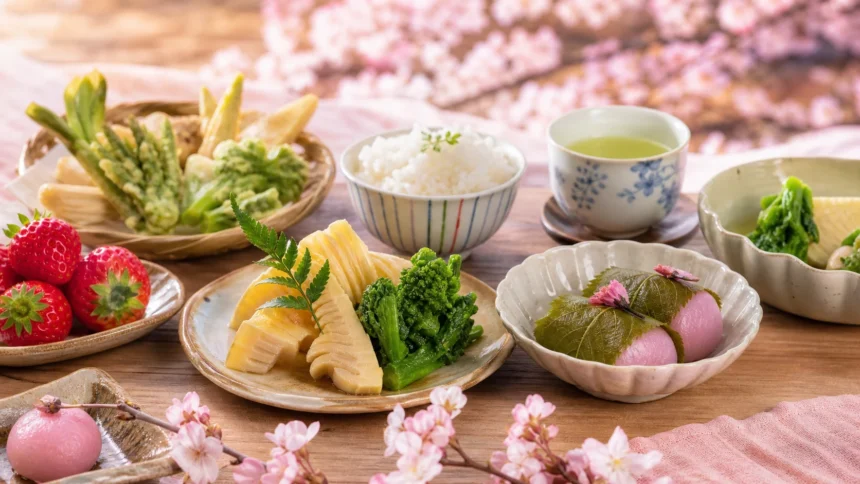
Short answer: March in Japan is the first real food-travel bridge from winter into spring. Look for Hinamatsuri sweets and chirashi-style sushi around March 3, strawberries, sakura sweets, spring bento, bamboo shoots, rape blossoms, spring cabbage, clams and other early spring seafood, while still keeping warm meal backups for cold or rainy days. Late March can bring cherry blossoms in Tokyo and warmer regions, but bloom timing changes every year, so plan hanami food around flexible parks, department-store food halls, convenience stores and nearby indoor meals.
If you are coming from a February plan, use the Japan in February food guide for snow and late-winter logic. For the full spring season, use Spring Foods in Japan. For the annual view, start with the Japan seasonal food calendar and the best time to visit Japan for food.
Last checked: July 22, 2026. March weather, cherry blossom timing, Hinamatsuri events, hanami rules, food stalls, restaurant menus, firefly squid tours, spring seafood, product launches, allergens, prices and payment methods can change. Recheck the current official forecast, venue, event, store label and transport information before relying on a fixed March plan.
What March Means For Food Travelers
JNTO describes March as early spring, with plum blossoms still visible in some places, Hinamatsuri on March 3, and cherry blossoms beginning in Tokyo and other warmer locations later in the month. It also warns that temperatures can fluctuate heavily, winter sports can still be possible, and popular places such as Kyoto, Nara and Hiroshima can get busy.
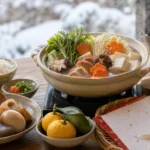
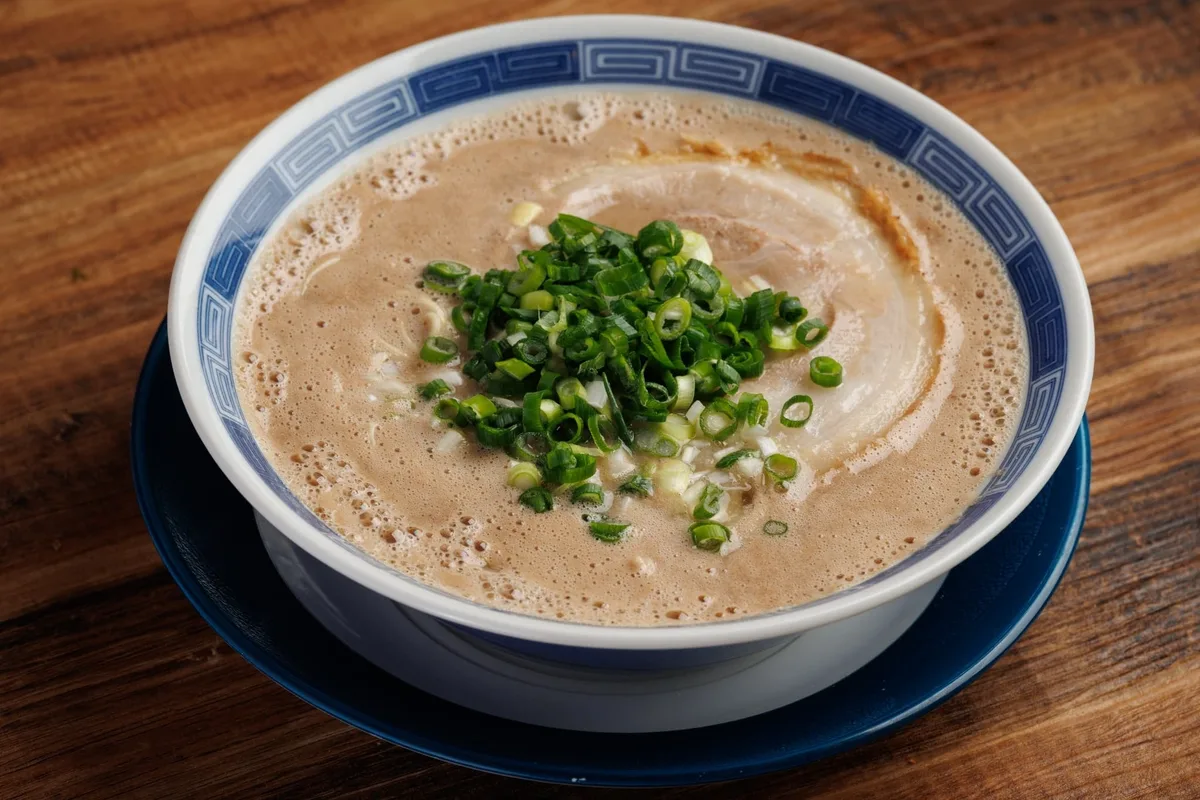
Food planning should follow that mixed reality. March is not deep winter, but it is not stable spring everywhere. Keep warm noodles, soup, ramen, hot drinks and indoor food halls available for cold or rainy days. Then use the season’s lighter foods—strawberries, sakura sweets, spring vegetables and hanami bento—when the weather and bloom timing cooperate.
March Food Planning Map
| Timing | What to eat | Planning move | Main caution |
|---|---|---|---|
| Early March | Hinamatsuri sweets, chirashi-style sushi, strawberries, warm noodles | Check March 3 public events and department-store food halls. | Many Hinamatsuri customs are domestic, not tourist events. |
| Mid March | Sakura sweets, bamboo shoots, rape blossoms, spring cabbage, clams | Start tasting spring through shops and restaurants before full bloom. | Weather can still feel cold, especially at night. |
| Late March | Hanami bento, sakura mochi, park snacks, depachika meals, cafe sweets | Track the current cherry blossom forecast and keep a nearby indoor backup. | Bloom timing, crowds, picnic rules and food stalls vary by place and year. |
| Northern or mountain routes | Ramen, hot pots, onsen meals, ski-town food, early spring seafood | Keep winter logic for Hokkaido, highlands and snow routes. | Transport and weather can still disrupt exact meal plans. |
Foods And Food Events To Look For In March
Hinamatsuri Around March 3
JNTO and GO TOKYO both note Hinamatsuri on March 3. It is often experienced through doll displays, shrine or temple events, hotel displays, and seasonal foods in stores rather than through one single national public festival. Foods associated with the day can include colorful rice crackers, sweets, chirashi-style sushi, clam soup and sakura mochi, depending on household, shop and region.
For travelers, the easiest approach is to browse a department-store food hall, supermarket, wagashi shop or hotel lobby display in the first few days of March. Check labels carefully. Sweets and sushi can include egg, seafood, shellfish, wheat, soy, milk, sesame, nuts, alcohol or shared-preparation risk.
Sakura Sweets Before And During Hanami
JNTO’s sakura sweets guidance describes sakura mochi as a spring sweet often enjoyed during hanami and Hinamatsuri, and notes that Kanto and Kansai styles differ. Sakura items can also appear as lattes, cakes, packaged snacks, bakery items and convenience-store desserts. The flavor may be floral, salty, cherry-like, creamy or mostly visual depending on the product.
Use the Japan convenience store seasonal food guide for seasonal product categories, then use the basic Japanese convenience store food guide for labels, heating, payment and where to eat.
Hanami Bento And Park Food
By late March, Tokyo and other warmer areas may enter cherry blossom season. JNTO’s spring guidance says cherry blossom blooms begin from the south in late March and move north into April and May. GO TOKYO notes that late-March cherry blossom events can include picnic bento for sale, but this does not mean every park has stalls or seating.
The safest hanami food plan is layered: buy bento or snacks before entering the park, confirm the park’s eating and rubbish rules, and keep a cafe, department-store food hall or restaurant nearby. For broader event thinking, use the Japan food festivals calendar. For market and public eating rules, use the markets and food streets guide.
Spring Vegetables, Strawberries And Clams
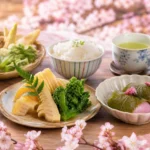
MAFF’s spring examples include bamboo shoots, butterbur sprouts, rape blossoms and legumes. GO TOKYO’s spring guide also points to tender bamboo shoots, mountain vegetables, spring cabbage, clams and garfish as spring foods. These are menu-recognition cues, not promises that every restaurant will serve them in March.
For a low-pressure spring tasting route, look for seasonal set meals, tempura, simmered dishes, supermarket prepared foods, wagashi shops and depachika counters. Strawberries remain easy to find in sweets and fruit shops in many areas, but farms and varieties follow their own calendars.
Toyama Firefly Squid As A Regional Spring Theme
Toyama’s official tourism site presents firefly squid sea tourism as a spring experience connected with Toyama Bay, with reservations and operator-level rules. It is a strong example of a March-April regional food theme, but not a guarantee that a traveler can see, eat or book firefly squid on any chosen day.
If firefly squid is important to your route, check the exact museum or operator, the tour date, departure time, weather policy, age rules, price and transport. A restaurant menu using firefly squid is easier than a dawn sea tour, but it still depends on supply and venue.
Where March Food Works Best
| Place | Best March use | What to confirm |
|---|---|---|
| Tokyo | Hinamatsuri displays, sakura sweets, late-March hanami, depachika bento | Bloom forecast, park rules, event dates, rainfall and crowd flow. |
| Kyoto / Nara / Osaka | Spring sweets, temple areas, March sumo in Osaka, early blossom routes | Accommodation pressure, restaurant bookings and current event information. |
| Toyama | Firefly squid and Sea of Japan spring seafood themes | Operator dates, reservations, weather and transport before dawn tours. |
| Department-store food halls | Hinamatsuri foods, sakura sweets, bento, fruit and spring prepared dishes | Limited product dates, labels, pickup times and eating-place rules. |
| Convenience stores | Sakura/strawberry sweets, drinks, picnic snacks, rainy-day backups | Stock, allergens, heating and where food can be eaten. |
| Hokkaido / highlands | Late ski food, ramen, onsen meals, warm dinners | Spring snow conditions, resort operation and transport. |
A Simple March Food Itinerary
A good March plan should not depend on perfect blossoms. Choose one spring food experience, one flexible hanami or flower stop, and one warm indoor backup. If you are traveling in late March, book accommodation early in famous blossom cities and avoid crossing town just for a viral cafe when the parks are crowded.
| Day type | Breakfast | Lunch | Dinner |
|---|---|---|---|
| Hinamatsuri day | Hotel or convenience store | Chirashi-style sushi, seasonal bento or department-store food hall | Warm noodles or a nearby set meal |
| Early spring city day | Cafe or Japanese breakfast | Spring vegetable tempura, soba, udon or set meal | Reserved casual dinner or depachika backup |
| Hanami day | Simple breakfast | Bento, park snack or cafe near the blossom area | Restaurant away from the biggest crowd flow |
| Regional seafood day | Hotel breakfast | Market or local seafood set meal | Confirmed restaurant with supply-aware expectations |
Allergy, Weather And Crowd Notes
March foods often look gentle but can be difficult for strict diets. Sakura mochi and wagashi may contain rice, wheat, soy, red bean, sesame, milk, gelatin, alcohol flavoring or shared-equipment risk. Chirashi-style sushi, clam soup, spring seafood, ramen and tempura can involve egg, fish, shellfish, soy sauce, wheat and cross-contact. Read the Japan food allergy guide before relying on seasonal specials.
Weather matters too. March can shift from pleasant afternoons to cold evenings and rain. Pollen can affect comfort for some travelers. Keep layers, choose meals near the route, and do not let a blossom forecast remove your backup plan. The best March food day is often the one that still works if the flowers are late, the park is crowded or the rain arrives early.
Best Strategy By Traveler Type
| Traveler type | Best March strategy | Next guide |
|---|---|---|
| First-time visitor | Use March for one hanami attempt, spring sweets and flexible meals near your route. | Japan food travel guide |
| Seasonal food fan | Look for sakura sweets, strawberries, bamboo shoots, rape blossoms, clams and spring bento. | Spring foods in Japan |
| Hanami traveler | Track the current forecast, buy food before entering the park and keep indoor backups. | Food festivals calendar |
| Budget traveler | Use convenience-store sakura items, supermarket bento, hot noodles and department-store counters. | Konbini seasonal food |
| Strict diet traveler | Avoid unlabeled seasonal sweets and festival foods unless ingredients are confirmed. | Food allergy guide |
FAQ
Is March a good month for food travel in Japan?
Yes. March is good for early spring foods, sakura sweets, strawberries, Hinamatsuri foods, hanami bento, bamboo shoots, clams and regional spring seafood. It can still be chilly, so keep warm meal backups.
Can I see cherry blossoms in Japan in March?
Sometimes. Warmer regions and Tokyo can see cherry blossoms begin in late March, but timing varies by year and place. Check the current official forecast before booking around blossoms.
What should I eat for hanami?
Bento, onigiri, sakura sweets, strawberries, tea, simple snacks and nearby cafe food are practical. Confirm park rules for eating, alcohol, rubbish and picnic spaces.
What is Hinamatsuri food?
Hinamatsuri is associated with colorful seasonal foods such as sweets, rice crackers, chirashi-style sushi, clam soup and sakura mochi, depending on household, shop and region. Travelers usually find these through stores and displays rather than a single public meal.
Official Sources
- JNTO: Japan in March
- JNTO: Spring in Japan
- JNTO: Cherry Blossom Forecast
- GO TOKYO: Tokyo in March
- GO TOKYO: Tokyo Spring Guide
- Visit Toyama: Firefly Squid Sea Tourism
- MAFF: Japan’s Four Seasons and Ingredients
- JNTO: Sakura-Flavoured Sweets for Spring
Editorial disclosure: Kuroneko Aji Meguri creates English food travel guides as independent editorial planning pages. We prioritize official tourism, government, venue and producer information where possible. This article does not sell a tour, restaurant reservation or medical service, and it cannot guarantee availability, safety or opening hours on your travel date.