Short answer: the best time to visit Japan for food depends on what kind of food trip you want. Choose March-April for cherry blossom food and spring ingredients, late May-June for a calmer early-summer route, July-August for festivals and cold foods, October-November for harvest foods and autumn foliage, or December-February for hot dishes, winter seafood, snow-country meals and New Year food. Avoid building the whole trip around one ingredient or one festival unless you have checked the current official source and a nearby backup.
This guide is for travelers whose dates are still flexible. It helps you choose a food season before you choose restaurants, markets, day trips or regional routes. If your flights are already fixed, use the Japan seasonal food calendar and then the matching season guide: spring foods, summer foods, autumn foods, or winter foods.
Last checked: August 16, 2026. Weather, harvests, catches, bloom timing, festival dates, national holidays, restaurant hours, prices, reservations, transport, payment methods and dietary accommodation can change. Recheck the exact year, region, venue, event and transport operator before making a fixed plan.
There Is No Single Best Food Month
Japan has four distinct seasons, but it also has large regional differences. The Japan Meteorological Agency describes a country ranging from subarctic northern areas to subtropical southern islands, with different conditions between the Pacific side and Sea of Japan side. A February food trip in Sapporo, Tokyo, Fukui and Okinawa is not one climate story. A September route in Hokkaido feels different from a September island trip.
So the right question is not simply “What is the best month to visit Japan?” The better question is: “Which food experience matters most, and what weather, crowd and transport tradeoffs am I willing to accept?”
| If your priority is… | Best starting window | Main caution | Next guide |
|---|---|---|---|
| Cherry blossom food and spring mood | Late March-April | Bloom timing and crowds vary by region and year. | Spring foods in Japan |
| Lower-friction food travel | Late May or early June | Rainy season begins in many regions. | Summer foods in Japan |
| Festivals, fireworks and cold foods | July-August | Heat, humidity, Obon demand and typhoons need planning. | Summer foods in Japan |
| Harvest food, fruit, soba and sake | October-November | Foliage crowds can affect meals and transport. | Autumn foods in Japan |
| Hot dishes, snow and winter seafood | December-February | New Year closures and snow routes need buffers. | Winter foods in Japan |
Best Overall Food Windows
Late March To April: Best For Spring Mood
JNTO’s spring guide frames spring as cherry blossom season with pleasant weather in much of Japan, while warning that Golden Week starts near the end of April. This is a strong time for hanami picnic food, sakura sweets, strawberries, bamboo shoots, clams and spring menus. It is also a time when popular cities and famous blossom areas can become crowded.
Choose this period if cherry blossom atmosphere matters more than perfect restaurant efficiency. Do not choose it if you dislike crowds, pollen, forecast uncertainty or expensive peak dates. A flexible plan should include one picnic-style meal, one indoor food hall, and one reserved dinner that does not depend on exact bloom timing.
Late May To June: Best For Calmer Planning
JNTO’s May guide calls the second half of May calmer after Golden Week and before the June rainy season. For food travelers, this can be a practical window: spring crowds ease, early summer foods begin appearing, and many routes are easier than peak blossom or holiday periods.
June requires rain planning. That is not a dealbreaker. It can be good for food halls, cafes, covered markets, cooking classes, station meals and reserved dinners. Avoid making outdoor farms or food streets the only reason for a day.
July To August: Best For Festivals And Summer Energy
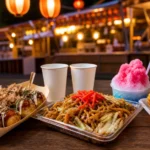
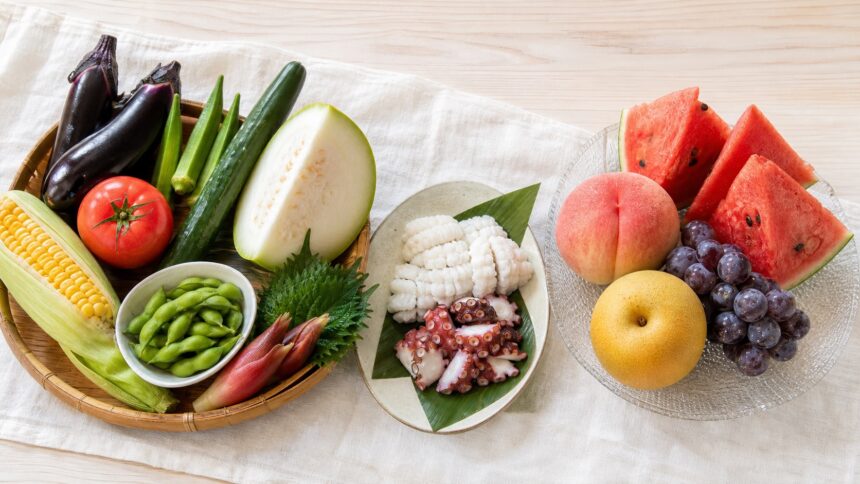
JNTO’s summer guide describes hot and humid weather across much of Japan, with fireworks, festivals, Obon customs, chilled somen, yakiniku and beer. This is the strongest window for festival food and summer atmosphere. It is also the hardest window for heat-sensitive travelers.
Choose summer if you want festival stalls, fireworks nights, cold noodles, shaved ice, fruit, beer gardens and night events. Build the itinerary around early breakfasts, indoor lunches and evening activity. Do not rely on festival stalls for serious allergy accommodation or every meal of the day.
October To November: Best For Harvest Food
JNTO’s autumn guide describes cooler weather, lower humidity and foliage as prime travel conditions. Its October guide highlights harvest themes such as pears, persimmons, rice, soba and sake. For many food travelers, October and November are the most balanced months: strong food themes, pleasant weather and broad regional options.
The tradeoff is popularity. Famous foliage areas, especially Kyoto-style routes, can pressure buses, cafes and restaurants. Reserve important dinners, eat near the day’s route and use station or department-store food floors as backups.
December To February: Best For Hot Dishes And Winter Seafood
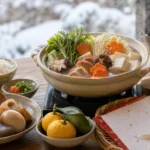
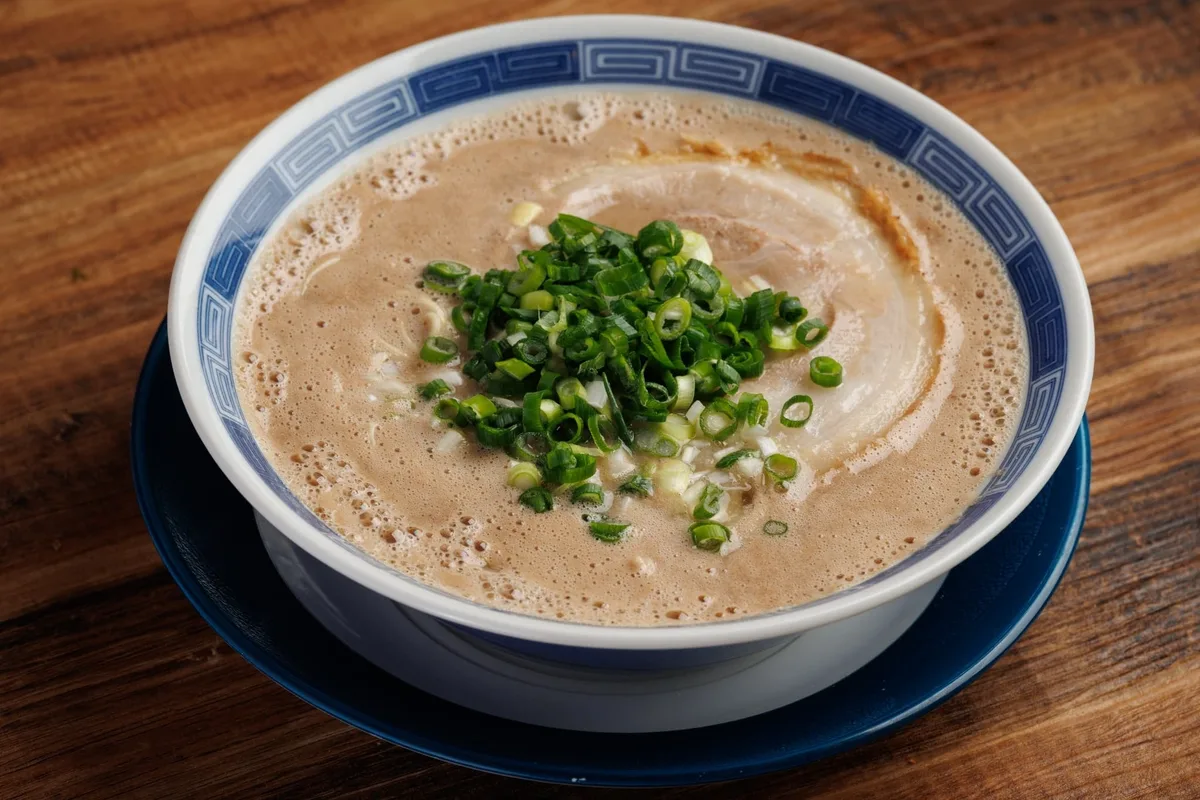
JNTO’s winter guide points travelers toward hot pots, ramen, snow-country travel, onsen and New Year closure planning. Winter can be excellent for nabe, ramen, oden, hot soba, mikan, crab, oysters, yellowtail, controlled fugu meals, ski-resort food and ryokan dinners.
The tradeoff is logistics. Late December and early January require closure checks. Snow-country routes require weather and transport buffers. Seafood trips need exact venue confirmation because named species, course contents, supply and prices can change.
Month-By-Month Food Decision Map
| Month | Strong food reasons to go | Main planning risk |
|---|---|---|
| January | New Year food, hot pots, ramen, winter seafood, snow-country meals | New Year closures and high travel demand |
| February | Snow festivals, ramen, hot pots, winter seafood, onsen meals | Snow, event crowds and cold-weather transport |
| March | Early spring sweets, strawberries, clams, bamboo shoots, hanami beginning | Temperature swings and blossom timing uncertainty |
| April | Cherry blossom food, spring menus, picnic culture, seasonal sweets | Crowds and Golden Week pressure near the end of the month |
| May | Late spring produce, early summer foods, calmer second half of month | Golden Week at the start of the month |
| June | Indoor food halls, cold noodles, early summer produce, cafes | Rainy-season planning |
| July | Festivals, fireworks, chilled noodles, fruit, beer gardens | Heat, humidity and queues |
| August | Festival food, cold sweets, fruit, Obon atmosphere, summer travel | Obon demand, heat and typhoons |
| September | Early autumn foods, Hokkaido cooling, fewer post-summer crowds | Typhoons and lingering heat |
| October | Harvest food, rice, soba, fruit, sake, autumn festivals | Harvest and menu dates differ by region |
| November | Foliage food routes, sweets, fruit, warm meals, late-autumn markets | Popular foliage-area crowds |
| December | Hot dishes, winter seafood, illuminations, year-end foods | Late-month closures and reservation pressure |
Choose By Food Goal
Best For First-Time Food Travelers
October, November, late May and early June are often the easiest windows for a first food trip. They tend to balance weather, food themes and route flexibility better than peak blossom, Obon or New Year periods. Pair this guide with the Japan food travel guide for first-time visitors before choosing restaurant reservations.
Best For Markets And Food Streets
Markets and food streets can work year-round, but outdoor comfort matters. Spring and autumn are easier for walking. Summer requires early starts and heat breaks. Winter requires closure checks and warm nearby backups. Use the markets and food streets guide before building a day around a public market.
Best For Regional Food Routes
Choose the region first if the food goal is specific. Hokkaido has strong summer and winter arguments. Kyoto is powerful in spring and autumn but crowded. Kyushu and Okinawa can offer warmer winter alternatives but need typhoon and island logistics in warmer months. Compare options in the regional food guide.
Best For Allergies Or Strict Diets
The easiest period is not only about weather. Travelers with serious allergies or strict diets may prefer lower-crowd windows because staff communication, reservations and backups are less pressured. Avoid depending on festival stalls, busy buffets, unknown ryokan meals or one remote restaurant. Use the Japan food allergy guide before booking.
Periods To Treat Carefully
- Golden Week: late April to early May can be one of Japan’s busiest domestic travel periods. Book early or shift the trip later in May.
- Obon: mid-August brings family travel, festivals, heat and booking pressure. Keep transport and meal buffers.
- New Year holidays: late December to early January can bring closures, special hours and high demand.
- Rainy season: June and regional rainy periods need indoor food plans.
- Typhoon season: late summer and early autumn need flexibility, especially for islands, coasts and rural food routes.
- Peak foliage weekends: November can crowd popular temple, mountain and day-trip areas.
How To Decide Your Dates
- Pick the food goal. Cherry blossoms, harvest, festivals, winter seafood, markets, regional food or everyday meals?
- Choose the route style. Big cities, regional extension, day trips, ski/onsen, island route or market route?
- Check the season risk. Heat, rain, typhoons, snow, closures, pollen, crowds or holiday demand?
- Choose one anchor meal. Reserve only what would genuinely disappoint you to miss.
- Build two backups. One near the day’s route and one near the hotel or station.
For booking strategy, use the restaurant reservation guide. For practical payment checks, use the cash, cards and IC payments guide.
FAQ
What is the best month to visit Japan for food?
For a balanced first trip, October, November, late May and early June are strong. For a specific goal, choose the matching season: spring for hanami food, summer for festivals, autumn for harvest and winter for hot dishes and seafood.
Is spring or autumn better for food in Japan?
Spring is better for cherry blossom mood, picnic food, sakura sweets and spring ingredients. Autumn is better for harvest foods, fruit, soba, rice, sake and comfortable food walks.
Is summer a bad time for food travel in Japan?
No, but it requires heat planning. Summer is strong for festivals, fireworks, cold noodles, shaved ice, fruit and evening food culture. Eat earlier, use indoor lunches and keep water and backups close.
Is winter a good time to visit Japan for food?
Yes. Winter is excellent for ramen, nabe, oden, hot soba, winter seafood, snow-country meals and onsen stays. The main caution is New Year closures and snow-route reliability.
When should I avoid Japan for food travel?
You do not need to avoid any season, but be careful with Golden Week, Obon, New Year holidays, peak foliage weekends, typhoon-prone routes and heavy summer heat if your food plan depends on fixed reservations or outdoor queues.
Official Sources
- JNTO: Spring in Japan
- JNTO: Summer in Japan
- JNTO: Autumn in Japan
- JNTO: Winter in Japan
- JNTO: Japan in May
- JNTO: Japan in September
- JMA: General Information on Climate of Japan
- JMA: Overview of Japan’s Climate
- MAFF: Japan’s Four Seasons And Ingredients
Editorial disclosure: This article was independently planned for international travelers and is not a translation of a Japanese article. Official tourism, meteorological and government sources were used for season, weather, holiday and food-season claims. No restaurant, festival organizer, farm, railway company, tourism body, booking platform, hotel, event organizer or food brand paid for inclusion. There are no affiliate links, sponsorships, PR placements or paid rankings in this article. Check current official information before travel and again before ordering.