Short answer: winter foods in Japan are easiest to enjoy when you plan around cold weather, closures, snow routes and warm meal formats. Look for nabe hot pots, ramen, oden, hot soba, toshikoshi soba, mikan, winter vegetables, yellowtail, oysters, crab, fugu through properly controlled businesses, ski-resort meals, onsen-town dinners and station food backups. December, January and February are different. Year-end closures, New Year travel demand, snow conditions, festival crowds, seafood supply, payment and allergy questions can all change the best choice.
This guide is for international travelers visiting Japan from December to February. It is not a restaurant ranking. It is a practical winter food plan: what to eat, when to reserve, where closures matter, and how to keep a warm backup close when the weather turns sharp.
If you are comparing seasons, start with our Japan seasonal food calendar. If this is your first food-focused Japan trip, use the Japan food travel guide for first-time visitors before locking in special meals.
Last checked: August 16, 2026. Snow conditions, ski openings, New Year closures, restaurant hours, seafood supply, crab seasons, fugu rules, festival dates, prices, reservations, transport, payment methods and dietary accommodation can change. Recheck current official information before travel and again before going to a specific venue, event, restaurant, market, ryokan or transport route.
Start With Winter Travel Logic
JNTO’s winter guide warns that cold varies by location, but a warm winter jacket is needed regardless of route. It also notes that many restaurants and attractions shut down during the New Year holidays and that travelers should plan ahead. For food travelers, winter is not only about what tastes good. It is about whether the meal fits snow, closures, darkness, luggage, and the next train.
A strong winter food plan has three layers. First, choose warm formats that protect the day: nabe, ramen, hot soba, oden, set meals, hotel breakfast or station food. Second, decide whether a snow-country or seafood route is worth the transport risk. Third, keep a permanent fallback near the station or hotel.
| Winter situation | Best food strategy | What to avoid | Useful backup |
|---|---|---|---|
| Late December | Reserve key meals and check year-end schedules | Assuming normal restaurant hours near December 29-31 | Hotel-area supermarket, convenience store or station food |
| New Year period | Use official venue calendars and simple food near your base | Depending on one famous restaurant or market | Packaged food and open hotel-area options |
| Ski or snow route | Plan meals around transport, resort hours and lodging | Long dinner transfers after snow activities | Ryokan dinner, resort cafeteria or station meal |
| Winter seafood trip | Confirm named species, season, course and supply policy | Booking flights around one catch without a fallback | Permanent seafood restaurant or regional food hall |
| February snow festival | Reserve lodging early and eat before peak event crowds | Depending on event kiosks for every meal | Restaurant near accommodation or station floor |
What Foods Are Associated With Winter?
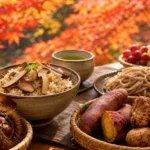
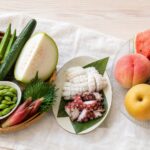
MAFF’s seasonal material gives winter examples such as daikon, turnip, carrots, burdock, Chinese cabbage, leeks, mandarin oranges, lemons, yellowtail, anglerfish, crab, oysters and blowfish. JNTO also points travelers toward nabe hot pots, ramen broths and other soothing winter dishes. These are useful planning cues, not guarantees that every city or restaurant has the same winter menu.
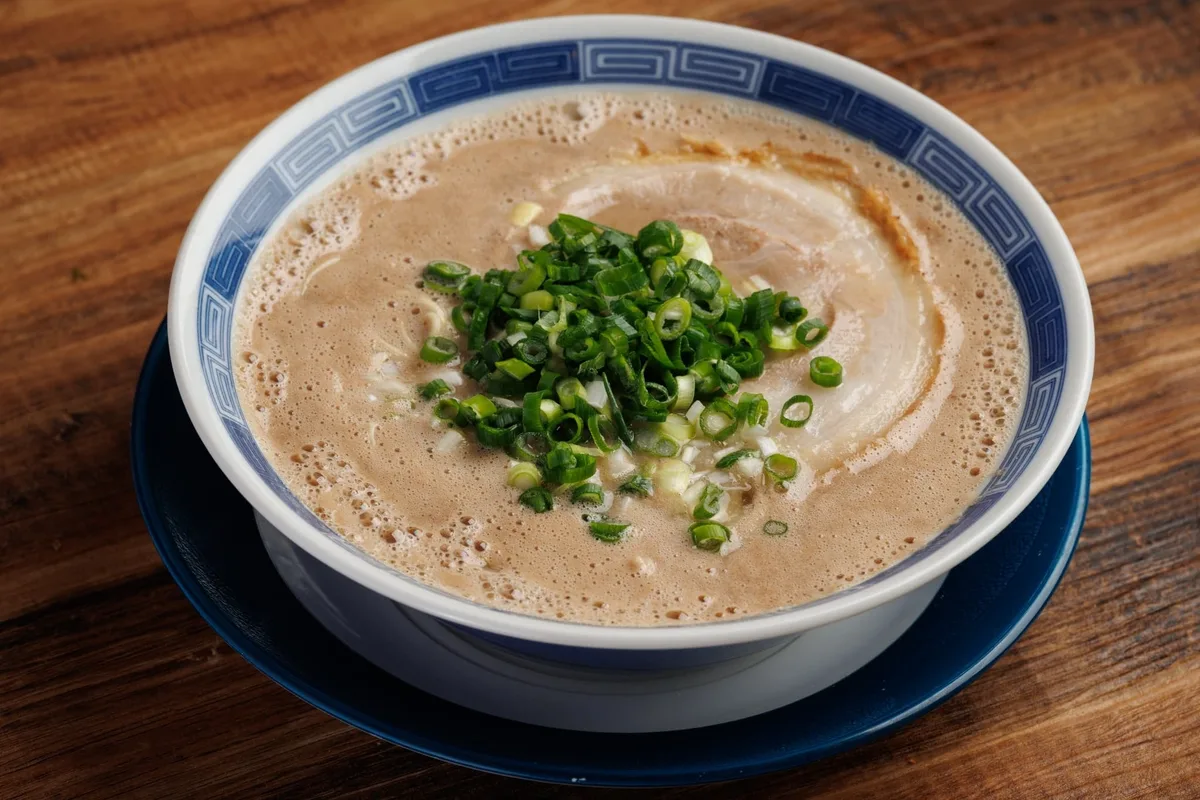
Winter food is often about format. A hot bowl of ramen, a shared hot pot, a warm soba meal or a simple oden stop can be more useful than chasing one famous seafood course across town. For seafood, use official regional evidence and the venue’s current menu. For fugu, use only businesses operating under applicable controls.
Common winter food themes
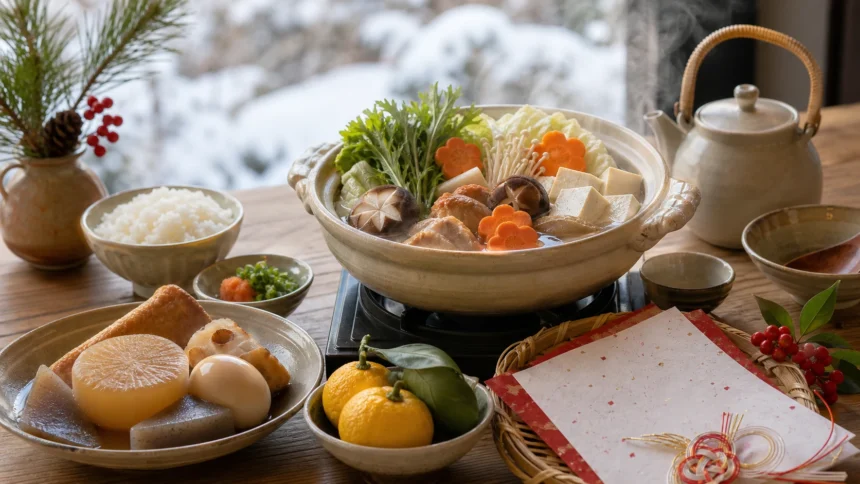
- Nabe hot pots: shared hot-pot meals, sukiyaki, shabu shabu, yudofu and regional winter pots.
- Ramen: Sapporo-style miso, Kyushu tonkotsu, Tokyo shoyu and many regional bowls.
- Hot noodles: hot soba, udon, toshikoshi soba on New Year’s Eve and warm station noodle meals.
- Oden and convenience-store warm food: useful for cold nights, late arrivals and simple backups.
- Winter vegetables and citrus: daikon, Chinese cabbage, leeks, root vegetables and mikan.
- Winter seafood: yellowtail, oysters, crab, anglerfish and regional seafood courses.
- Snow-country and onsen meals: ryokan dinners, ski-resort meals, hot-spring town set meals and local sake.
December: Year-End Food, Illuminations And Closure Planning
JNTO’s December guide says the New Year holiday season begins at the end of the month and that the Oshogatsu holiday period typically runs from December 29 to January 3, depending on the calendar. It also notes that the period is busy and expensive, with some businesses closing for a few days. This is the central December food issue.
Plan special meals before the year-end closure window when possible. For December 29-31, check every restaurant, market, department store, transport operator and hotel directly. Some places are open, some close early, some run special menus, and some are simply full.
Good December food moves
- Reserve important dinners early, especially around illuminations, Christmas dates and late December.
- Use station food floors and department-store basements before holiday hours tighten.
- Try warm formats such as ramen, hot soba, oden or nabe rather than forcing a long cold transfer.
- Check whether your accommodation can store or heat food before buying backup groceries.
For station-day planning, use the Tokyo Station food guide. For reservations, use the restaurant reservation guide.
January: New Year, Ski Season, Shrines And Warm Backups
JNTO’s January guide describes a cold start to the year, with higher prices and limited availability around New Year, plus shrine visits, winter sports and hot spring stays. It also notes that shrine and temple visits can have festive atmosphere and food stalls. Treat those stalls as a fun add-on, not your only meal plan.
Early January requires a closure map. Confirm the exact open days for restaurants, markets, museums, station shops and attractions. If you are staying in a ryokan, check meal inclusion carefully. If you are moving by train, buy food earlier than usual and keep extra time around transfers.
New Year food rules
- Check the venue’s own holiday calendar, not only map-app hours.
- Do not rely on a famous market, restaurant or food street during the closure window.
- Use hotel breakfast or ryokan meals when they reduce risk.
- Buy train food before the last moment if stations are crowded.
- Carry yen and one backup payment method, especially outside major cities.
For payment planning, use the cash, cards and IC payments guide. For low-friction meals, keep the Japanese convenience store food guide ready.
February: Snow Festivals, Late-Winter Meals And Regional Choices
JNTO’s February guide calls it one of the coldest months of the year and notes major snow events such as the Sapporo Snow Festival, plus popular snow-sport areas in Hokkaido, Nagano and Niigata. It also warns that even Tokyo, Osaka and Hiroshima can occasionally see snow, so sensible shoes matter.
For food travelers, February is strong for snow-country routes, ramen, hot pot, seafood, onsen meals and warm sweets. But it is also a month when lodging and restaurant access near major snow festivals can tighten. Reserve early if the event is the reason for the trip, and eat before peak event crowds when needed.
February planning rules
- Reserve lodging and key meals early for major snow festivals.
- Keep meals near the event, resort, station or accommodation.
- Do not schedule a distant dinner after a snow activity unless transport is reliable.
- Use Hokkaido, Nagano and Niigata food guides and official transport pages for snow routes.
- Consider Kyushu or Okinawa if you want milder winter food travel.
For northern routes, start with the Hokkaido food guide. For warmer alternatives, compare Kyushu and Okinawa.
Winter Seafood: Crab, Yellowtail, Oysters And Fugu
Winter seafood can be a powerful reason to travel, but exact evidence matters. MAFF lists seafood such as yellowtail, anglerfish, crab, oysters and blowfish as plentiful in winter. Fukui’s official travel site says Echizen Gani crab season opens every year on November 6. That supports a Fukui winter crab theme, but it does not guarantee your restaurant’s course, price, size, supply or substitution policy.
Before booking a seafood trip, confirm the named species, region, date, restaurant course, price unit, cancellation terms and what happens if supply changes. A winter seafood label is not the same as a guarantee of local origin or daily availability.
Fugu safety boundary
Japan’s Ministry of Health, Labour and Welfare explains that fugu poisoning is mainly caused by tetrodotoxin, that edible species, parts and sea areas are controlled, and that toxic parts such as liver cannot be sold or served. Eat fugu only through businesses operating under the applicable controls. Never prepare caught or gifted fugu yourself.
Where To Find Winter Food
| Venue | Winter advantage | Main caution | Useful linked guide |
|---|---|---|---|
| Ramen shop | Warm, casual, common, strong regional identity | Queues, ticket machines, broth and pork/fish/wheat/soy questions | Ramen styles |
| Nabe or course restaurant | Best for winter vegetables, seafood, tofu, meat and shared meals | Reservations, minimum party size, shared equipment, substitution limits | Reservations |
| Station food floor | Reliable in cold weather, snow days and rail transfers | Holiday hours, gate-side confusion and seating | Tokyo Station food guide |
| Ryokan or onsen town | Good for included dinner, breakfast and snow-country comfort | Dietary requests must be discussed before booking | Regional food guide |
| Convenience store or supermarket | Backup for closures, late arrivals, cold nights and train days | Labels, heating, storage and eating location | Convenience store food |
Allergies, Vegetarian Needs And Broth Problems
Winter food often hides ingredients in broth. Nabe, ramen, oden, hot soba, miso soup, seafood courses, sauces and simmered dishes may contain wheat, soy, fish, shellfish, pork, chicken, egg, milk, sesame, gelatin, alcohol-derived seasoning or shared-equipment risk. A vegetable-looking hot pot may still use fish or meat stock.
The Consumer Affairs Agency’s allergy information is useful for packaged food, but restaurants, stalls, ryokan meals and unpackaged prepared food require direct confirmation. For serious allergies, ask before booking a ryokan dinner, course meal, hot pot restaurant or seafood trip. Use a backup when ingredients or cross-contact cannot be explained.
Use our Japan food allergy guide for travelers before planning nabe, ramen, oden, soba, seafood, ryokan meals or winter festival food.
Sample Winter Food Plans
Tokyo and Kyoto in late December
Reserve one important dinner before the closure window, keep station food and hotel-area backups, and check every late-December restaurant calendar. Use ramen, hot soba, oden or department-store food when sightseeing runs cold or late.
January snow and onsen route
Use lodging meals to reduce risk, keep dinners near the accommodation and avoid long transfers after snow activities. If winter seafood is the highlight, confirm the exact course and supply policy.
February Sapporo or Hokkaido route
Reserve early for major snow events, plan warm lunches near the route and keep a station or hotel-area backup. Try regional ramen, seafood, dairy and hot meals, but leave room for weather and crowd changes.
FAQ
What are the best foods to eat in Japan in winter?
Good winter themes include nabe hot pots, ramen, oden, hot soba, toshikoshi soba, mikan, winter vegetables, yellowtail, oysters, crab, controlled fugu meals, ski-resort food and onsen-town dinners.
Is New Year a difficult time for food travel in Japan?
It can be. Many businesses close or change hours around late December and early January. Check venue calendars, reserve important meals and keep simple food near your accommodation.
What should I eat in Japan in December?
Warm meals such as ramen, hot soba, oden and nabe work well. Late December also requires closure planning, especially around December 29-31.
What should I eat in Japan in January?
Use warm, reliable formats: ramen, hot pot, soba, ryokan meals, ski-resort meals and station food. Around New Year, check opening days carefully.
What should I eat in Japan in February?
February is strong for snow-country meals, ramen, seafood, hot pots, onsen stays and warm sweets. Reserve early near major snow festivals.
Is fugu safe for travelers?
Eat fugu only through businesses operating under Japan’s applicable controls. Do not prepare caught or gifted fugu yourself, and do not treat price or reputation as a safety certificate.
Official Sources
- JNTO: Winter in Japan
- JNTO: Japan in December
- JNTO: Japan in January
- JNTO: Japan in February
- JNTO: Ramen Guide
- JNTO: Winter Delicacies – All About Nabe
- MAFF: Japan’s Four Seasons And Ingredients
- Fukui Official Travel: Echizen Gani Crab
- MHLW: Safe Fugu Provision
- Consumer Affairs Agency: Food Allergy Information
Editorial disclosure: This article was independently planned for international travelers and is not a translation of a Japanese article. Official tourism and government sources were used for winter travel, New Year, snow, seasonal-food, seafood and food-safety claims. No restaurant, festival organizer, farm, railway company, tourism body, booking platform, hotel, event organizer or food brand paid for inclusion. There are no affiliate links, sponsorships, PR placements or paid rankings in this article. Check current official information before travel and again before ordering.