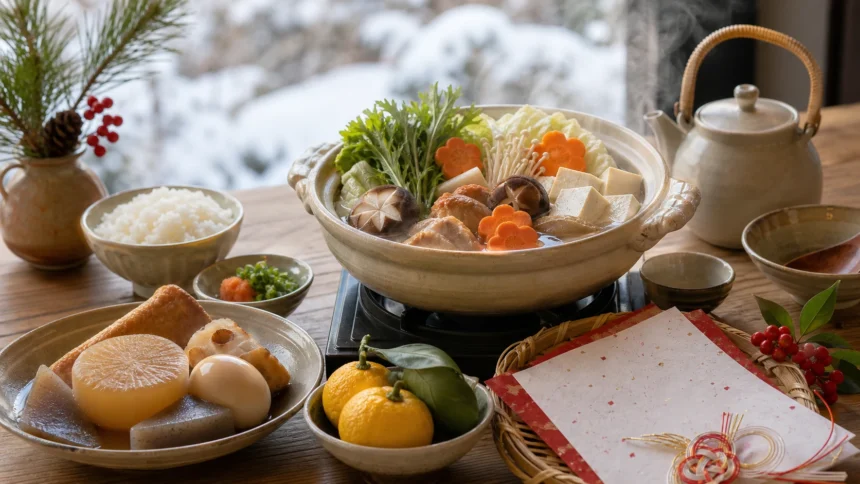
Short answer: February in Japan is still a winter food month, even though the traditional calendar begins to point toward spring. Eat Setsubun beans and ehomaki around early February, warm up with ramen, nabe, oden-style dishes and hot noodles, plan carefully around Sapporo Snow Festival and ski-town crowds, look for winter seafood, citrus, strawberry sweets and chocolate themes, and use convenience stores or department-store food halls as weather-proof backups. If January is about New Year closures, February is about cold-weather comfort, snow-event planning and the first small signs of spring.
If you are choosing a month for a wider food trip, start with the Japan seasonal food calendar. For the previous month, use the Japan in January food guide. For the whole cold season, use Winter Foods in Japan. If February is part of a first Japan route, keep the main Japan food travel guide for first-time visitors open beside this page.
Last checked: August 16, 2026. February event dates, Setsubun customs, lucky directions, snow festival venues, food stalls, ski resort access, restaurant hours, seafood landings, products, allergens, prices and payment methods can change. Recheck current official event, transport, venue, hotel, restaurant and product-label information before relying on a fixed plan.
What February Means For Food Travelers
JNTO describes February as one of the coldest times of the year, with winter events, snow sports and hot spring travel still central to the month. That matters for food planning because the best meals are often the ones that help the day work: a warm bowl before a cold walk, a confirmed dinner after a snow festival, a convenience-store snack before a long queue, or a ryokan meal when transport is weather-sensitive.
February also has a cultural turning point. The traditional calendar may mark the beginning of spring in early February, but most travelers should still dress and eat for winter. Plum blossoms and early warm-climate blooms can appear in some regions, while Hokkaido and mountain areas remain firmly in snow-season logic.
February Food Planning Map
| Timing | What to eat | Planning move | Main caution |
|---|---|---|---|
| Early February | Setsubun beans, ehomaki, hot noodles, convenience-store seasonal items | Check the exact year’s Setsubun date, events and lucky direction. | Ehomaki, beans, sushi fillings and sauces can create allergy issues. |
| Snow festival period | Sapporo ramen, hot drinks, festival snacks, seafood, lamb barbecue, station food | Reserve accommodation and important meals early; keep warm backups nearby. | Famous events bring crowds, cold, queues and transport pressure. |
| Mid February | Nabe, oden-style food, winter vegetables, oysters, yellowtail, citrus, chocolate sweets | Use one planned dinner and flexible lunches around weather. | Seafood supply and restaurant menus are venue-specific. |
| Late February | Plum-viewing sweets, strawberry desserts, ramen, onsen meals, ski-town food | Pair early spring sights with warm indoor food stops. | Do not treat plum season as full cherry-blossom spring. |
Foods And Food Events To Look For In February
Setsubun Beans And Ehomaki
Setsubun is held around the beginning of February and is associated with welcoming good fortune as winter gives way to spring in the traditional calendar. GO TOKYO notes that Setsubun is observed at homes, temples and shrines. Government of Japan material describes bean-throwing customs and also explains ehomaki, a long uncut sushi roll associated with the year’s lucky direction.
For travelers, the easiest way to experience Setsubun food is usually through a supermarket, department-store food hall, sushi shop or convenience store. Do not assume every temple event has food for visitors, and do not assume ehomaki is available for the whole month. Check the exact year, date and store preorder rules. If you have allergies, read labels carefully: ehomaki can include seafood, egg, soy sauce, wheat, sesame, nuts, roe, mayonnaise, shellfish or shared-preparation risk.
Sapporo Snow Festival Food Planning
JNTO highlights the Sapporo Snow Festival as a major February winter event, and the official festival site has announced the 2027 event for February 4-11 at Odori, Tsudome and Susukino venues. Treat those dates as current planning information, not a permanent rule. Recheck the official page before booking any future year.
Food around the festival should be planned in layers. Use hot drinks and simple snacks for the event area, then plan more substantial meals away from peak crowds. JNTO’s Sapporo destination page connects the city with beer, lamb barbecue, ramen, seafood and produce, and notes Sapporo’s ramen culture, including miso ramen. For a wider regional approach, compare the Hokkaido food guide and the Japan food festivals calendar.
Ramen, Hot Pots And Warm Noodles
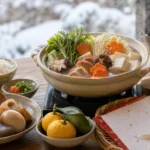
February is an excellent month for warm formats. Ramen, soba, udon, nabe, oden-style dishes, soup sets and ryokan dinners are practical because they match the weather and reduce decision fatigue. A famous bowl is pleasant, but the real travel value is reliability: warm food near the station, hotel, festival route or ski bus stop.
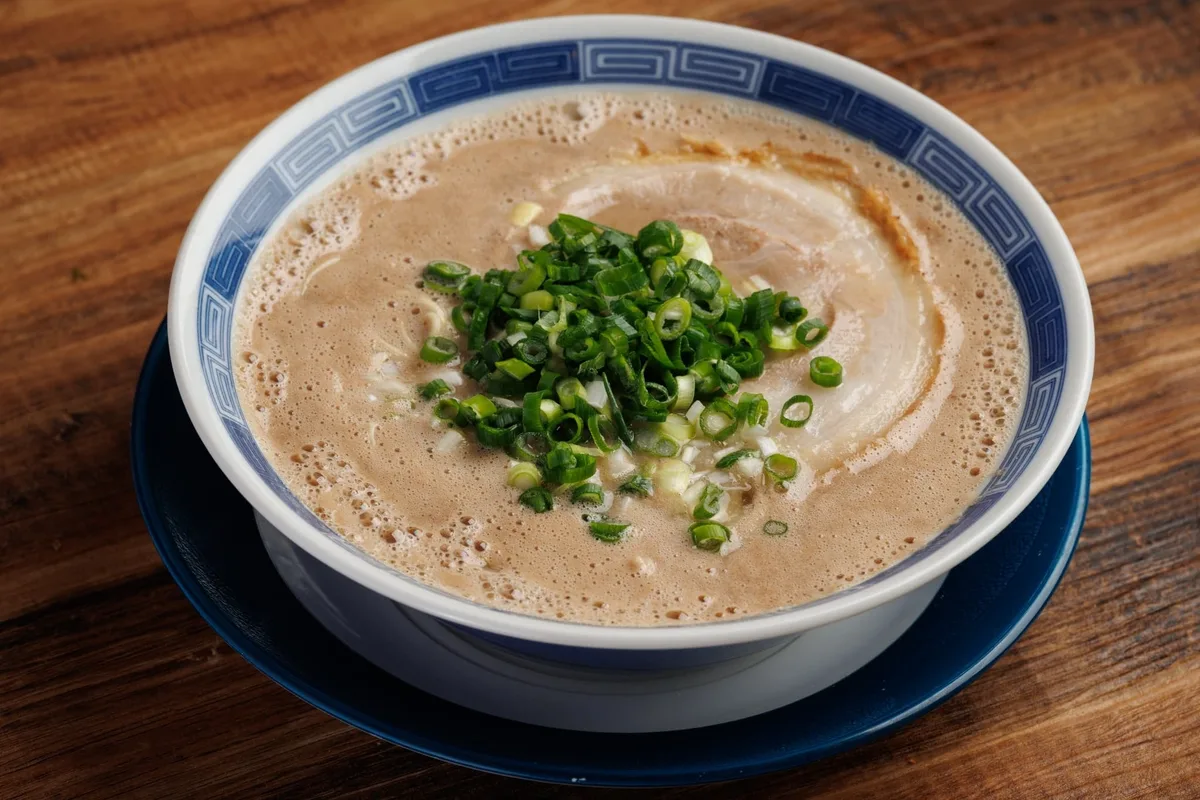
If ramen is a focus, use the Japanese ramen styles guide. Broths, sauces, toppings and noodles affect allergy and diet planning. Miso ramen can be especially tempting in Sapporo, but miso does not mean vegetarian, gluten-free or seafood-free.
Winter Seafood, Citrus And Vegetables
MAFF’s winter ingredient examples include root vegetables such as daikon, turnip, carrots and burdock, leafy vegetables such as Chinese cabbage and leeks, citrus fruits such as mandarin oranges and lemons, and seafood such as yellowtail, anglerfish, crab, oysters and blowfish. These are useful February menu cues, but exact supply depends on region, weather, catch, restaurant purchasing and the day’s menu.
Do not book a February trip around one seafood item unless the exact restaurant or operator confirms the course, species, price unit and cancellation terms. Fugu should only be eaten through properly controlled businesses. Never prepare it yourself.
Chocolate, Strawberries And Convenience-Store Sweets
February is also a good month for seasonal sweets. Valentine-style chocolate, strawberry desserts, hot cafe drinks and winter bakery items can appear in convenience stores, supermarkets, department stores and cafes. Exact products change quickly, and popular limited items can disappear by chain, region, store or week.
Use the Japan convenience store seasonal food guide for seasonal product categories, and the basic Japanese convenience store food guide for labels, heating, payment and eating-place rules.
Where February Food Works Best
| Place | Best February use | What to confirm |
|---|---|---|
| Sapporo | Snow Festival, miso ramen, seafood, lamb barbecue, hot drinks | Event dates, hotel location, restaurant reservations, last trains and cold-weather queue time. |
| Ski towns | Hot noodles, lodge meals, curry, dairy sweets, onsen dinners | Lift/bus schedules, dinner seats, closing time and snow disruption. |
| Tokyo | Setsubun events, department-store sweets, ramen, plum-viewing food stops | Event status, weather, restaurant hours and crowd flow. |
| Onsen ryokan | Warm dinners, breakfast, snow-view baths, low-friction meal planning | Meal plan, allergy requests, check-in time and transport access. |
| Department-store food hall | Ehomaki, chocolate, fruit, bento, seasonal prepared dishes | Preorder rules, pickup dates, closing time and takeaway rules. |
| Convenience store | Breakfast, hot drinks, soups, winter sweets, backup food | Label, allergens, heating, stock and where you can eat. |
A Simple February Food Itinerary
A strong February plan has one fixed meal and several flexible warm stops. If Sapporo Snow Festival or a ski route is the anchor, book accommodation and one dinner early, then keep lunch loose. If you are staying in Tokyo, use Setsubun or plum blossoms as a daytime experience and save the evening for ramen, nabe or a department-store food hall.
| Day type | Breakfast | Lunch | Dinner |
|---|---|---|---|
| Setsubun day | Hotel or convenience store | Temple/shrine area snack or nearby set meal | Ehomaki, sushi shop, food hall or confirmed restaurant |
| Snow festival day | Hotel breakfast | Hot drink and simple meal near the event | Reserved ramen, seafood, lamb barbecue or station-area fallback |
| Ski or onsen day | Ryokan/hotel breakfast | Slope or station meal | Ryokan dinner or confirmed local restaurant |
| Tokyo winter day | Japanese breakfast or cafe | Ramen, hot soba or udon | Nabe, izakaya, depachika or convenience-store backup |
Allergy, Safety And Weather Notes
February foods can hide difficult ingredients. Ehomaki can contain seafood, shellfish, egg, soy, wheat, sesame, mayonnaise or roe. Chocolate and strawberry sweets can include milk, nuts, gelatin, alcohol or shared-factory risk. Ramen, nabe and oden-style dishes can contain fish broth, pork, chicken, shellfish, soy sauce, miso, wheat or alcohol-based seasonings.
For serious allergies or strict diets, read the Japan food allergy guide before relying on February specials. Snow and ice also affect food plans. Wear shoes suitable for winter walking, keep phone battery and cash/card backups, and avoid a dinner plan that depends on a final bus or train during heavy snow.
Best Strategy By Traveler Type
| Traveler type | Best February strategy | Next guide |
|---|---|---|
| First-time visitor | Use one winter dinner, easy ramen lunches, and convenience-store backups. | Japan food travel guide |
| Festival traveler | Plan Sapporo Snow Festival meals away from the most crowded event hours. | Food festivals calendar |
| Snow traveler | Pair ski or onsen days with meal-included lodging or confirmed nearby restaurants. | Winter foods in Japan |
| Budget traveler | Use ramen, hot noodles, supermarket food halls, chocolate/strawberry sweets and hot drinks. | Konbini seasonal food |
| Strict diet traveler | Avoid mystery festival snacks and seasonal sauces unless ingredients are confirmed. | Food allergy guide |
FAQ
Is February a good month for food travel in Japan?
Yes. February is strong for winter food, ramen, hot pots, snow festival meals, ski-town food, onsen dinners, winter seafood, citrus, chocolate and strawberry sweets. It is cold, so plan warm indoor backups.
What is Setsubun food?
Setsubun is associated with roasted beans and, in modern retail culture, ehomaki sushi rolls. Exact customs, event dates and lucky directions should be checked for the current year.
What should I eat at Sapporo Snow Festival?
Use event snacks and hot drinks for quick warmth, then eat a real meal away from the busiest crowd flow. Sapporo ramen, seafood, lamb barbecue and station-area meals are practical options, but book or check hours during the festival period.
Is February spring or winter in Japan?
For food and clothing planning, treat most of Japan as winter in February. Some places show early spring signs such as plum blossoms or warm-climate blooms, but cold-weather food planning remains useful.
Official Sources
- JNTO: Japan in February
- Sapporo Snow Festival official website
- Welcome to Sapporo: Sapporo Snow Festival
- JNTO: Sapporo and Around
- GO TOKYO: Tokyo in February
- Government of Japan: Setsubun
- MAFF: Japan’s Four Seasons and Ingredients
Editorial disclosure: Kuroneko Aji Meguri creates English food travel guides as independent editorial planning pages. We prioritize official tourism, government, venue and producer information where possible. This article does not sell a tour, restaurant reservation or medical service, and it cannot guarantee availability, safety or opening hours on your travel date.