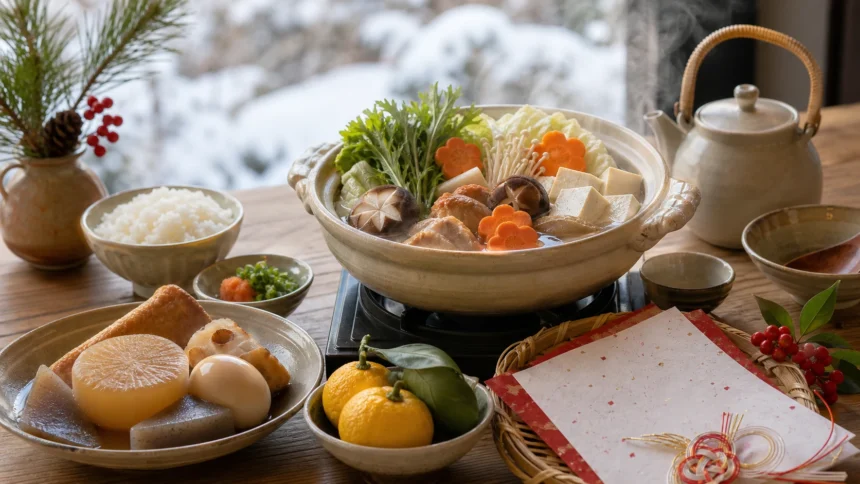
Short answer: January is one of the best months in Japan for warm food, winter seafood, ramen, hot pots, citrus, strawberry sweets, ski-town meals and onsen dinners, but the first few days of the month need extra planning. Around January 1 to 3, many restaurants, markets, food halls and attractions can change hours or close. After the New Year period, January becomes easier: look for ozoni and osechi where still available, nabe, ramen, oden-style comfort food, daikon, Chinese cabbage, leeks, mikan, oysters, yellowtail, crab in the right regions, and practical convenience-store backups.
This is a January food travel guide, not only a New Year guide. If your trip is specifically December 29 to January 3, read the Japan New Year food guide first. For the wider winter season, use Winter Foods in Japan. For the full annual map, start with the Japan seasonal food calendar and the best time to visit Japan for food.
Last checked: August 16, 2026. Restaurant hours, New Year closures, market calendars, hotel meals, train services, snow conditions, seafood landings, menus, convenience-store products, allergens, prices and payment methods can change. Recheck the current venue, transport operator, hotel, store label and official source before relying on a January plan.
What January Means For Food Travelers
JNTO describes January as a month that begins with New Year holidays, shrine and temple visits, winter sports, onsen, illuminations and first sales. For food travelers, that creates two different versions of the month. The first version is the holiday period, when you should expect closures and changed hours. The second version is the rest of January, when winter food travel becomes more predictable and comfortable.
The practical rule is simple: do not plan January 1, 2 or 3 around a single restaurant unless the venue has confirmed it. Use hotels, ryokan dinners, station food, convenience stores, department stores after reopening, and simple local restaurants as backup layers. From mid January onward, you can plan more normally, while still allowing for snow, weather and catch-dependent seafood.
January Food Planning Map
| Timing | What to eat | Planning move | Main caution |
|---|---|---|---|
| January 1-3 | Osechi, ozoni, hotel breakfast, hatsumode snacks, simple backup meals | Confirm hotel meals and exact open restaurants before arrival. | Many restaurants, markets and attractions can close or change hours. |
| Early January | New Year foods where still available, soba, udon, ramen, warm station meals | Use the New Year food guide for this window. | Holiday stock and hours may normalize gradually, not instantly. |
| Mid January | Nabe, ramen, oden-style dishes, winter vegetables, seafood, mikan | Book one important dinner, then keep lunches flexible. | Menus and seafood supply vary by region and day. |
| Late January | Ski-town meals, onsen dinners, hot noodles, Hokkaido seafood and dairy, strawberry sweets | Add snow and transport buffers around regional food trips. | Weather can disrupt trains, buses, flights and landings. |
Foods To Look For In January
New Year Food, If Your Timing Fits
JNTO’s New Year food guidance highlights toshikoshi soba, osechi and ozoni. Toshikoshi soba is tied to New Year’s Eve. Osechi is traditionally eaten during the first few days of the year. Ozoni is a New Year soup with mochi, and regional styles differ. These foods are culturally important, but they are not guaranteed restaurant menu items for the whole month.
If you want New Year food, plan the format before you travel. A ryokan, hotel breakfast, department-store order, restaurant course or convenience-store item may be possible depending on the date and year. If you arrive after the first week of January, focus less on osechi and more on the broader winter food below.
Hot Pots, Soups And Winter Vegetables
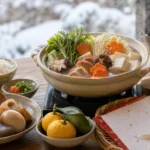
January is a strong month for warm dishes. JNTO’s winter guidance points travelers toward nabe hot pots and other soothing winter meals. MAFF’s winter ingredient examples include root vegetables such as daikon, turnip, carrots and burdock, plus leafy vegetables such as Chinese cabbage and leeks that become sweeter in cold weather.
For travelers, that means nabe, miso soup, tonjiru, hot udon, oden-style items and set meals can feel more seasonal than a famous checklist dish. If a hot-pot dinner matters to you, check whether the restaurant requires a course, reservation, minimum party size or advance order.
Ramen And Warm Noodles
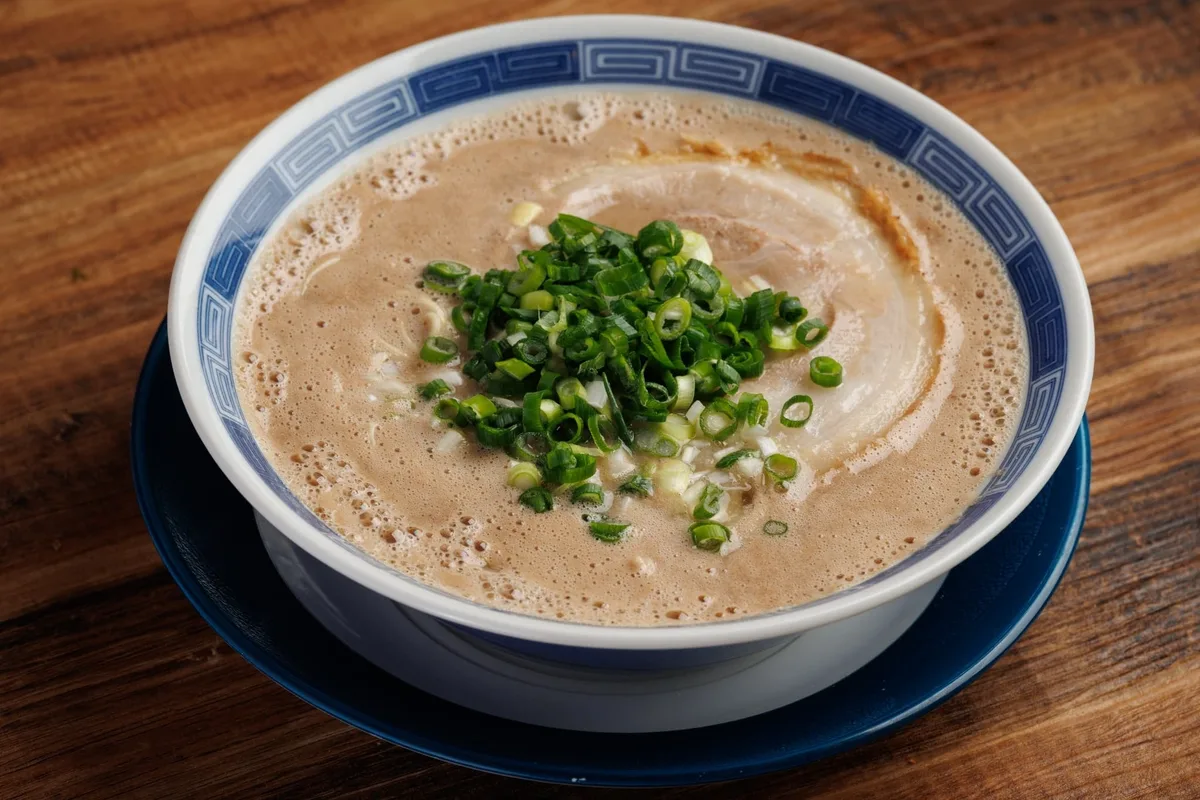
Ramen is useful in January because it is warm, casual and easy to fit between sightseeing stops. JNTO presents ramen as an affordable and convenient meal with many styles, including shio, shoyu, miso and tonkotsu. Winter is also a good time to try richer broths or regional ramen in cold areas.
If you are new to ramen ordering, read the Japanese ramen styles guide. Broth, tare, aroma oil, noodles and toppings can affect allergies and dietary restrictions. A photo menu does not reveal pork, fish, shellfish, soy, wheat or alcohol-based seasonings.
Winter Seafood
MAFF’s winter examples include yellowtail, anglerfish, crab, oysters and fugu. Treat these as menu-recognition cues, not nationwide promises. Crab seasons are regional. Oysters, yellowtail and anglerfish depend on origin, supply, sea conditions, storage, chef selection and the exact venue. Fugu has a legal and safety boundary; eat it only through a proper licensed business and never prepare it yourself.
For a northern seafood route, compare the Hokkaido food guide. For a winter-wide view of crab, fugu and snow-route planning, use Winter Foods in Japan.
Citrus, Strawberry Sweets And Convenience-Store Finds
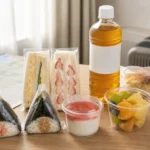
MAFF lists citrus such as mikan among winter examples. January is also a practical month for strawberry sweets, hot drinks, chocolate desserts, soups and limited winter products in convenience stores. These are low-risk ways to taste the season when restaurants are full, closed, expensive or far from your hotel.
Use the Japan convenience store seasonal food guide for month-by-month product categories, then use the basic Japanese convenience store food guide for labels, heating, payment and where to eat.
Where January Food Works Best
| Place | Best January use | What to confirm |
|---|---|---|
| Hotel or ryokan | New Year breakfast, onsen dinner, snow-country meals, reliable first-night food | Meal plan, dinner time, dietary requests, cancellation and access. |
| Department-store food hall | Seasonal sweets, bento, fruit, prepared dishes after reopening | Reopening date, closing time, takeaway and eating-space rules. |
| Station area | Ramen, soba, udon, ekiben, simple travel-day meals | Holiday hours, last order, queue system and payment. |
| Ski town | Hot noodles, curry, local set meals, dairy sweets, lodge food | Snow access, bus times, restaurant seats and last return service. |
| Seafood region | Crab, oysters, yellowtail, local winter seafood courses | Named seafood, course contents, price unit, supply and weather disruption. |
| Convenience store | Breakfast, snacks, hot drinks, soups, late-night backup | Label, allergens, stock, heating and whether your hotel has storage. |
A Simple January Food Itinerary
For a first-time visitor, a good January food plan is not complicated. Make one reservation if there is a winter dinner you truly care about. Keep breakfast and lunch flexible. Use station food and convenience stores as buffers. Avoid fragile meal plans on the first day after arrival and around January 1 to 3.
| Day type | Breakfast | Lunch | Dinner |
|---|---|---|---|
| Arrival day | Hotel or convenience store | Simple station meal | Near-hotel ramen, set meal or food hall |
| New Year day | Hotel meal or prepared backup | Hatsumode area snack only if stalls are operating | Confirmed open restaurant or hotel meal |
| Normal city day | Japanese breakfast or convenience store | Hot noodles, set meal or market food | Reserved nabe, seafood or local dinner |
| Snow or ski day | Hotel breakfast | Slope or station meal | Onsen dinner or local hot dish with transport buffer |
Allergy, Safety And Comfort Notes
Mochi appears in ozoni and many New Year or winter sweets. It can be sticky and difficult to chew, especially for children, older travelers or anyone with swallowing risk. Cut it smaller, chew slowly and avoid rushing. Seafood and shellfish are common in winter meals, broths and sauces. Ramen, soba, udon, hot pots and convenience-store foods can contain wheat, soy, fish, shellfish, egg, milk, pork, chicken, gelatin, alcohol or shared-equipment risk.
For serious allergies or strict diets, treat January planning as a safety task, not a vocabulary task. Confirm ingredients before ordering, disclose needs before booking course meals, accept refusal if a venue cannot accommodate, and read the Japan food allergy guide. During New Year closures, carry safe backup food that you know you can eat.
Best Strategy By Traveler Type
| Traveler type | Best January strategy | Next guide |
|---|---|---|
| First-time visitor | Use one reserved winter dinner, simple lunches, and station or convenience-store backups. | Japan food travel guide |
| New Year visitor | Confirm January 1-3 meals before arrival and avoid relying on famous restaurants. | New Year food guide |
| Winter food traveler | Plan around hot pots, ramen, seafood, citrus, winter vegetables and snow buffers. | Winter foods in Japan |
| Budget traveler | Use ramen, hot noodles, set meals, supermarkets and seasonal convenience-store food. | Konbini seasonal food |
| Seafood traveler | Choose a region first, then confirm the exact species, course, price and supply. | Hokkaido food guide |
FAQ
Is January a good month for food travel in Japan?
Yes, especially for winter food such as ramen, hot pots, soups, winter vegetables, citrus, seafood, ski-town meals and onsen dinners. The main challenge is the New Year period at the beginning of the month.
Are restaurants open in Japan in January?
Many restaurants are open in January, but January 1 to 3 can be difficult because New Year hours and closures vary. Always check the exact restaurant, market, food hall or attraction.
Can tourists eat osechi in January?
Sometimes, but it depends on date and format. Hotels, ryokan, department stores, restaurants or preorders may offer New Year food around the first few days. Do not assume osechi is easy to find later in January.
What is the easiest January meal in Japan?
Ramen, hot soba or udon, set meals, station food and convenience-store soups or hot drinks are usually easier than a famous seasonal course. For a special meal, reserve in advance and keep a backup nearby.
Official Sources
- JNTO: Japan in January
- JNTO: Winter in Japan
- JNTO: New Year Food Traditions
- JNTO: Enjoy New Year in Japan
- JNTO: Ramen
- MAFF: Japan’s Four Seasons and Ingredients
Editorial disclosure: Kuroneko Aji Meguri creates English food travel guides as independent editorial planning pages. We prioritize official tourism, government, venue and producer information where possible. This article does not sell a tour, restaurant reservation or medical service, and it cannot guarantee availability, safety or opening hours on your travel date.