Short answer: December food travel in Japan is about warm meals, illuminations, Christmas markets, ski-town food and New Year preparation. Plan earlier dinners, confirmed-open backups, station food, hotel meals and convenience-store options before late-month closures and cold evenings make choices narrower.
This guide is for travelers visiting Japan in December, especially those planning illuminations, ski areas, Christmas markets or the December 29 to January 3 period. Use it with winter foods in Japan, the Japan New Year food guide and the parent Japan seasonal food calendar.
Last checked: July 22, 2026. Illumination dates, Christmas market operations, ski conditions, restaurant holidays, New Year closures, menus, labels, allergens, prices and payment methods can change. Check official and venue-level information before relying on a fixed December food plan.
December Food Planning Map
| December situation | Food move | Planning caution |
|---|---|---|
| Illumination night | Early dinner, hot drink, station backup | Cold and crowds can make late dining harder. |
| Christmas market route | Snack lightly, keep a real meal nearby | Event food may not be enough for dinner or allergies. |
| Ski or snow-town day | Lodging meal, ramen, hot pot, station bento | Weather and transport can affect arrival and dinner timing. |
| Late December city stay | Confirmed-open restaurants, hotel meals, depachika, convenience stores | New Year closures start before January 1 for some venues. |
| December 31 | Toshikoshi soba where practical, simple backup meal | Do not assume every restaurant or market is open. |
What December Means For Food Travelers
JNTO’s December and winter guidance points to illuminations, winter travel, ski season and the year-end period. December can be festive and easy in the first half, then increasingly closure-sensitive near New Year. That shift is the key food-planning issue.
Early December can support normal city dining with illuminations and seasonal sweets. Late December needs a closure plan: know which restaurants are open, what your hotel offers, where station food is available, and which convenience stores or supermarkets can support simple meals.
Foods And Food Stops To Look For
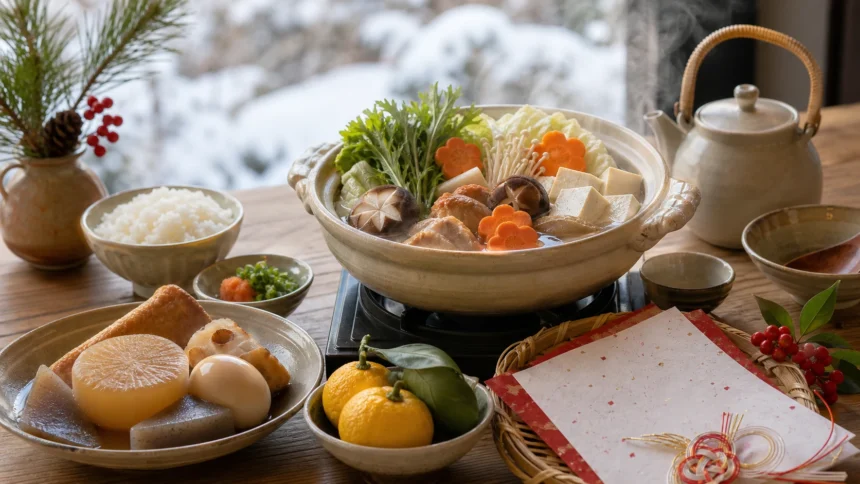
Hot Pots, Ramen, Oden And Warm Noodles
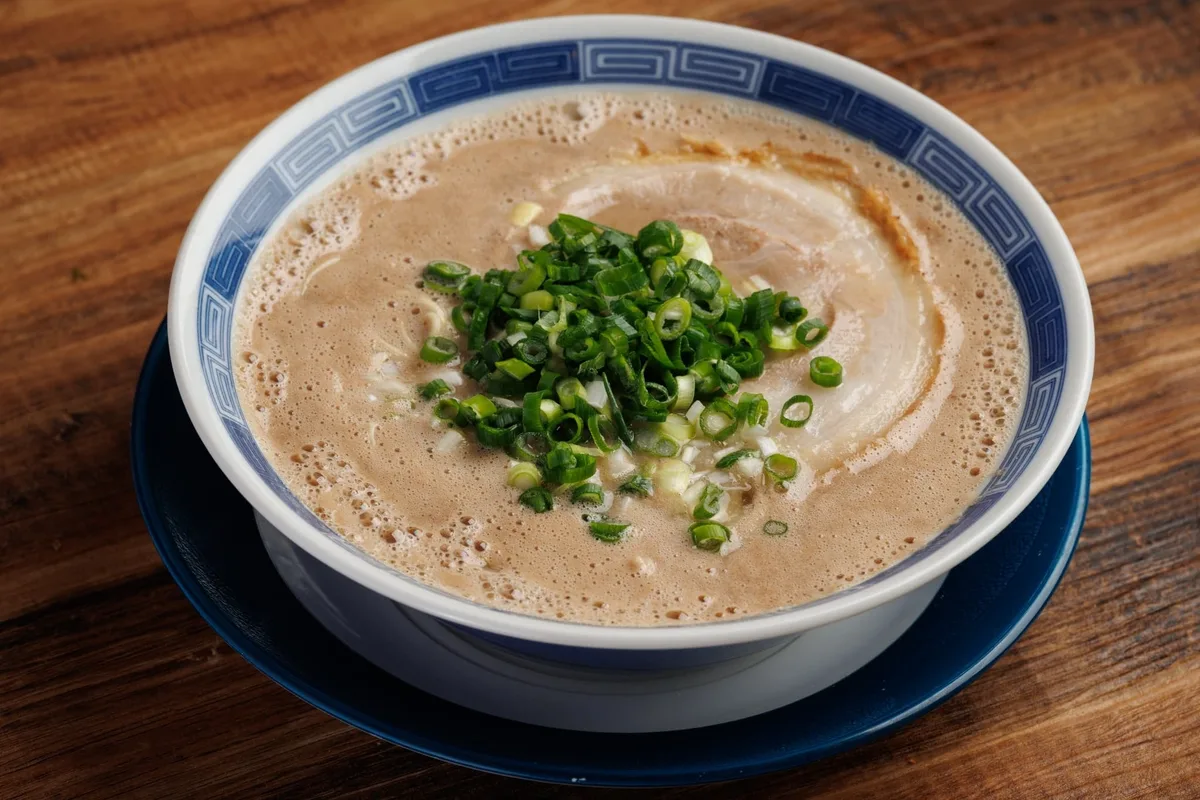
Warm food formats fit December well. Hot pot or course meals may require reservations or minimum party sizes, while ramen and noodles can be easier but may involve queues or ticket machines.
Illumination-Night Food
Illuminations are often an evening activity, which means dinner timing matters. Eat before the peak crowd, choose a restaurant near the return route, or keep station food as the backup.
Christmas Markets And Seasonal Sweets
Christmas market snacks can be fun, but they are event food. Check dates, payment, seating and ingredients. Treat them as atmosphere unless the event clearly works as dinner for your group.
Ski-Town And Onsen Meals
Ski and onsen routes benefit from lodging-based meals. Confirm dinner time, arrival deadline, transport, cancellation terms and dietary accommodation before booking.
New Year Prep Starts In December
For travelers staying through December 29 to January 3, the New Year plan should start before New Year’s Eve. Check restaurant holiday notices, market calendars, hotel dining options and transport. Buy only food you can store safely. If a special meal matters, reserve it through the current official method.
Toshikoshi soba is a useful cultural cue for December 31, but do not turn it into a stressful chase. A confirmed soba shop, hotel meal or simple backup is better than wandering late with luggage, cold weather and closures.
Two December Route Patterns
City Illumination Evening
Eat early, see the lights, then use hot drinks or a small dessert afterward. If dinner must happen after the illumination, choose a restaurant near the return station before leaving.
Late-December Stay
Make a list of confirmed-open meals for December 29 to January 3: hotel breakfast, one reserved dinner, station food, convenience stores and a supermarket. This is practical, not pessimistic.
December Mistakes To Avoid
- Assuming late December works like early December.
- Waiting until after an illumination to find dinner in the cold.
- Depending on Christmas market food for allergy-safe meals.
- Booking a ski-town dinner without checking arrival time.
- Forgetting that some closures begin before January 1.
How To Split Early And Late December
Early December can be planned like a normal winter city trip: illuminations, hot drinks, warm meals, sweets, shopping and restaurant reservations where needed. Late December is different. Restaurant holidays, market calendars, hotel dining and transport become central food information.
If your trip crosses December 29, make a small meal plan before that date. Confirm at least one breakfast option, one dinner option, one station or depachika option and one convenience-store fallback. This does not make the trip less spontaneous; it protects the spontaneous parts from closure stress.
How To Use Convenience Stores In December
Convenience stores are especially useful in December because they can cover hot drinks, breakfast, warm snacks, simple dinners and late arrivals. They should not replace every meal, but they can protect you when illumination crowds, cold weather or holiday closures make restaurants harder.
For families and travelers with dietary needs, buy known backup items before a late event. Check labels and avoid depending on event stalls or market snacks when ingredient clarity matters.
December Decision Checklist
- Is the trip in early December or the closure-sensitive late-December period?
- Have restaurant holidays and hotel dining options been checked?
- Will dinner happen before or after the illumination crowd?
- Is there a warm indoor backup near the return station?
- Do you have a simple meal plan for December 29 to January 3 if staying through New Year?
December becomes easy when the important meals are confirmed and the rest stays modest. Warm food, lights and winter atmosphere do not need a complicated restaurant schedule.
Make the decision fit the day
Use Japan in December Food Guide: Illuminations, Winter Meals and New Year Prep as a planning window, not a promise that every seasonal food or event will be available everywhere. The useful question is how the month changes your route: what can be eaten near the day’s anchor, what needs an early check, and what still works if weather or transport changes.
Before leaving for Japan in December Food Guide: Illuminations, Winter Meals and New Year Prep, set the route anchor, the latest acceptable meal time, and one trigger for changing plans. For this topic, the trigger may be a sold-out slot, a long queue, bad weather, luggage, a dietary boundary, a tired child, or a train that cannot be missed. Decide it while the group is calm, not after the original plan has failed.
| Travel situation | First choice | Confirm before committing |
|---|---|---|
| The topic is the day’s main goal | Reserve or arrive early and keep the surrounding route light. | Official hours, entry format, current menu, payment, and cancellation or late-arrival rules. |
| The topic is a pleasant extra | Choose a nearby option with a normal meal or rest stop beside it. | Walking time, queue length, seating, toilets, and whether the group can leave easily. |
| The group has a constraint | Prefer the clearest option and save a second choice in the same area. | Ingredients, access, child needs, weather cover, luggage space, and a way to communicate questions. |
Check the exact venue or area
For japan in december food guide, use maps and social posts to discover candidates, then verify the exact official venue or area page before changing the itinerary. Branch hours, menus, reservations, campaign dates, tenant lists, payment methods, and access can differ. Recheck near the visit when weather, events, or stock could change the decision.
When planning japan in december food guide from overseas, check Japan local time, phone-number requirements, language options, card support, and visit-day evidence. Save the official page, confirmation screen, address, nearest station exit, and reservation or timed-entry details before leaving reliable Wi-Fi.
Keep the backup in the same movement pattern
For japan in december food guide, the backup should preserve the same movement pattern with less friction. Match an early train with a station option, rain with a hotel or mall, a late arrival with a convenience store or supermarket, and a failed campaign or queue with an ordinary restaurant. A backup that crosses the city is usually too expensive in time and energy.
Use the parent guide after this decision is clear. It can help compare areas, seasons, or purposes; this page should remain the practical answer for illumination crowds, winter comfort food, year-end closures, and New Year travel. When a child or sibling article is added, link it from the parent and keep the promise of each page distinct so readers can move from the broad map to the next small choice.
FAQ
Should I plan this before booking my trip?
Only when illumination crowds, winter comfort food, year-end closures, and New Year travel is a major reason for the trip or has a limited reservation window. Otherwise, place it as a flexible option near a route you already want to take. This keeps the plan useful even when dates, weather, or availability change.
What is the safest way to handle changing information?
For Japan in December Food Guide: Illuminations, Winter Meals and New Year Prep, record the date, location, and rule you actually confirmed, then save one nearby alternative. An old review, translated summary, or single branch should explain where to look next, not become a universal rule for the whole category.
What should I decide first?
Decide whether the topic is the anchor, a meal, a short break, or a backup. Then set the time and location around that role. The route becomes easier when the article has one job instead of trying to rank every possible choice.
Related Guides
- Winter foods in Japan
- Japan New Year food guide
- Japan autumn leaves food guide
- Japan convenience store seasonal food guide
- Japan seasonal food calendar
FAQ
Is December a good month for food travel in Japan?
Yes, especially for warm meals, illuminations, winter sweets, ski-town food and New Year culture. Late December needs closure planning.
What should I eat in December?
Look for hot pots, ramen, oden, warm noodles, seasonal sweets, Christmas market snacks, ski-town meals and toshikoshi soba where practical.
Do restaurants close around New Year?
Many can close or change hours around the New Year period. Check each restaurant, market, hotel and transport operator directly.
Official Sources
Editorial disclosure: Kuroneko Aji Meguri creates English food travel guides as independent editorial pages using official tourism and venue-level sources where possible. This article does not sell a tour, restaurant reservation or medical service, and it cannot guarantee availability, safety or opening hours on your travel date.