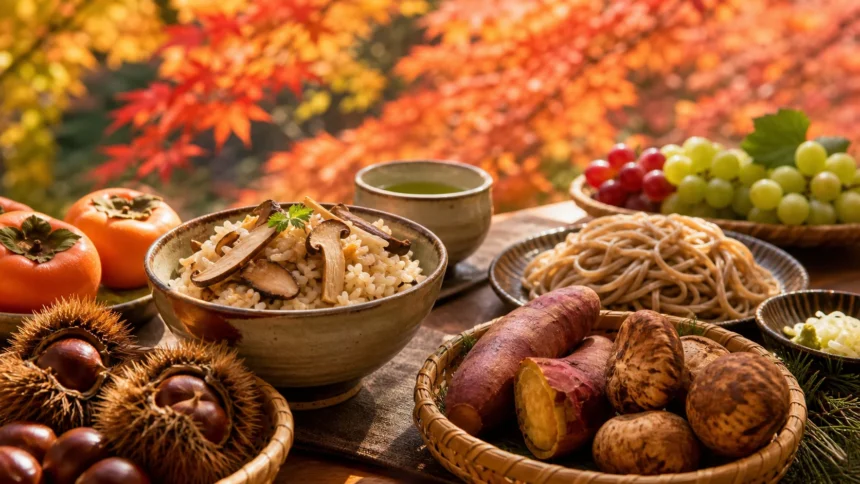
Short answer: November is a high-value food travel month in Japan if you plan around autumn leaves, cool evenings and crowd timing. Use warm noodles, autumn sweets, onsen meals, station food, early dinners, illumination-night backups and regional seafood carefully rather than trying to combine every famous foliage spot with every famous restaurant.
This guide is for travelers visiting Japan in November, especially those planning Kyoto, Tokyo, onsen towns, foliage routes or evening illuminations. Use it with the Japan autumn leaves food guide, autumn foods in Japan and the parent Japan seasonal food calendar.
Last checked: July 22, 2026. Foliage timing, light-up dates, restaurant hours, onsen meal rules, seafood supply, menus, labels, allergens, prices, crowding and payment methods can change. Confirm current official sources and exact venues before relying on a fixed November plan.
November Food Planning Map
| November situation | Food move | Planning caution |
|---|---|---|
| Kyoto or famous foliage day | Early lunch, cafe break, station-area dinner | Peak crowds can make cross-town dinner plans slow. |
| Onsen foliage night | Ryokan dinner or confirmed hotel meal | Check dinner time, check-in time and dietary accommodation before booking. |
| Illumination or light-up route | Eat before the event or reserve near the return route | After-dark crowds and cold can collide with last orders. |
| Seafood or crab-region trip | Confirm species, season, course contents and price unit | Regional supply is not a national guarantee. |
| Cool city day | Warm noodles, hot drinks, autumn sweets, depachika meal | Keep one indoor fallback if rain or crowds change the day. |
What November Means For Food Travelers
JNTO’s November guidance highlights autumn foliage, cooler weather, Kyoto crowds and illuminations. The food opportunity is strong, but the main planning problem is crowd flow. A famous temple, an evening light-up and a distant dinner can be too much for one day.
Plan November meals around the return route. If you will be in a crowded foliage area at dusk, decide before you go whether dinner happens before the light-up, near the return station or at your lodging. This one decision removes most of the stress.
Foods And Food Stops To Look For
Warm Noodles And Simple Dinners
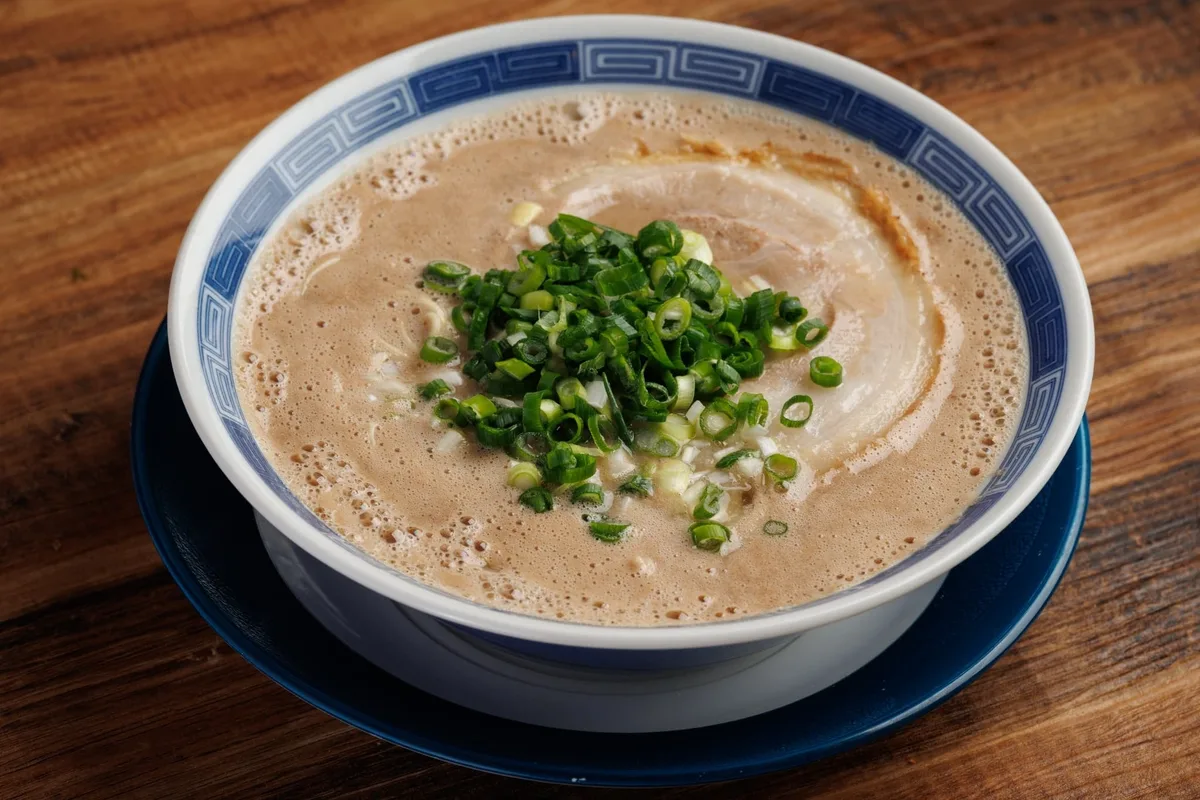
Warm soba, udon, ramen and set meals fit cooler evenings and busy sightseeing days. Check queue systems and allergy-relevant broths or sauces before committing.
Autumn Sweets And Hot Drinks
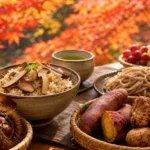
Chestnut, sweet potato, persimmon, apple and other autumn sweets work well as cafe breaks. They are useful between foliage stops because they do not require a full restaurant reservation.
Onsen And Ryokan Meals
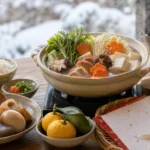
Onsen routes can solve dinner because the meal is tied to lodging. This is helpful in November, when daylight is shorter and rural transport may be less frequent. Confirm dietary needs before booking.
Seafood And Crab Caution
Seafood can be a strong November theme in some regions, but do not generalize one region’s season to all Japan. Confirm the named seafood, restaurant supply, course contents and cancellation terms.
Two November Route Patterns
Kyoto Foliage Day
Choose one main area, eat early, take a cafe break and keep dinner close to Kyoto Station or your lodging. Avoid sending yourself across the city after dark just for a meal.
Onsen Weekend
Let the ryokan dinner be the anchor. Visit foliage before check-in, arrive on time, and do not add another distant restaurant plan. This is one of the cleanest November food patterns.
November Mistakes To Avoid
- Trying to do peak foliage, light-up and a distant dinner in one evening.
- Assuming a seafood word on a menu proves regional season or supply.
- Booking lodging with dinner before confirming dietary restrictions.
- Waiting until after a crowded illumination to search for food.
- Ignoring shorter daylight when planning rural meals.
How To Time Meals On A Foliage Day
November routes work best when meals protect the scenery rather than compete with it. Eat lunch before the main foliage crowd if you are visiting a famous area. Use a cafe or sweets break when daylight starts to fade. Decide dinner before the evening light-up begins.
For Kyoto, Nikko, Hakone and other popular routes, avoid making lunch and dinner both difficult. One can be a destination meal; the other should be practical. This keeps the day enjoyable even if the best photo spot is crowded or transport takes longer than expected.
How To Handle Cold Evenings
Cold changes appetite and patience. A short line for warm noodles may be better than a long line for a famous dessert. Hot drinks, station food and hotel-area restaurants become more valuable after sunset. If the day includes an illumination, choose a warm backup before you go.
For allergy or diet-sensitive travelers, crowded foliage areas can be difficult places to negotiate ingredients. Ask earlier in the day, use packaged food when labels help, and keep a known backup near lodging.
November Decision Checklist
- Is foliage, dinner or a light-up the main event of the day?
- Will you eat before the peak crowd moves, not after everyone exits?
- Is the restaurant close to the return route or lodging?
- Have ryokan or onsen meal times and dietary needs been confirmed?
- Does the plan account for cold evenings and shorter daylight?
If every answer depends on perfect timing, reduce the route. November rewards one beautiful anchor and one warm, reliable meal.
Make the decision fit the day
Use Japan in November Food Guide: Autumn Leaves, Hot Springs and Seasonal Comfort Food as a planning window, not a promise that every seasonal food or event will be available everywhere. The useful question is how the month changes your route: what can be eaten near the day’s anchor, what needs an early check, and what still works if weather or transport changes.
Before leaving for Japan in November Food Guide: Autumn Leaves, Hot Springs and Seasonal Comfort Food, set the route anchor, the latest acceptable meal time, and one trigger for changing plans. For this topic, the trigger may be a sold-out slot, a long queue, bad weather, luggage, a dietary boundary, a tired child, or a train that cannot be missed. Decide it while the group is calm, not after the original plan has failed.
| Travel situation | First choice | Confirm before committing |
|---|---|---|
| The topic is the day’s main goal | Reserve or arrive early and keep the surrounding route light. | Official hours, entry format, current menu, payment, and cancellation or late-arrival rules. |
| The topic is a pleasant extra | Choose a nearby option with a normal meal or rest stop beside it. | Walking time, queue length, seating, toilets, and whether the group can leave easily. |
| The group has a constraint | Prefer the clearest option and save a second choice in the same area. | Ingredients, access, child needs, weather cover, luggage space, and a way to communicate questions. |
Check the exact venue or area
For japan in november food guide, use maps and social posts to discover candidates, then verify the exact official venue or area page before changing the itinerary. Branch hours, menus, reservations, campaign dates, tenant lists, payment methods, and access can differ. Recheck near the visit when weather, events, or stock could change the decision.
When planning japan in november food guide from overseas, check Japan local time, phone-number requirements, language options, card support, and visit-day evidence. Save the official page, confirmation screen, address, nearest station exit, and reservation or timed-entry details before leaving reliable Wi-Fi.
Keep the backup in the same movement pattern
For japan in november food guide, the backup should preserve the same movement pattern with less friction. Match an early train with a station option, rain with a hotel or mall, a late arrival with a convenience store or supermarket, and a failed campaign or queue with an ordinary restaurant. A backup that crosses the city is usually too expensive in time and energy.
Use the parent guide after this decision is clear. It can help compare areas, seasons, or purposes; this page should remain the practical answer for leaf-season crowds, hot-spring timing, warm meals, and limited restaurant capacity. When a child or sibling article is added, link it from the parent and keep the promise of each page distinct so readers can move from the broad map to the next small choice.
FAQ
Should I plan this before booking my trip?
Only when leaf-season crowds, hot-spring timing, warm meals, and limited restaurant capacity is a major reason for the trip or has a limited reservation window. Otherwise, place it as a flexible option near a route you already want to take. This keeps the plan useful even when dates, weather, or availability change.
What is the safest way to handle changing information?
For Japan in November Food Guide: Autumn Leaves, Hot Springs and Seasonal Comfort Food, record the date, location, and rule you actually confirmed, then save one nearby alternative. An old review, translated summary, or single branch should explain where to look next, not become a universal rule for the whole category.
What should I decide first?
Decide whether the topic is the anchor, a meal, a short break, or a backup. Then set the time and location around that role. The route becomes easier when the article has one job instead of trying to rank every possible choice.
Related Guides
- Japan autumn leaves food guide
- Autumn foods in Japan
- Japan seasonal fruit guide
- Japan in October food guide
- Japan in December food guide
FAQ
Is November a good month for food travel in Japan?
Yes. It is excellent for foliage, warm meals, sweets, onsen dinners and city food walks, but popular places need crowd-aware timing.
What should I eat in November?
Look for soba, warm noodles, autumn sweets, hot drinks, ryokan meals, seafood where locally supported, depachika meals and station backups.
How should I plan dinner after an autumn light-up?
Eat before the event, reserve near the return route, or use a station-area backup. Do not begin dinner planning after the crowd exits.
Official Sources
Editorial disclosure: Kuroneko Aji Meguri creates English food travel guides as independent editorial planning pages. We prioritize official tourism, government, venue and producer information where possible. This article does not sell a tour, restaurant reservation or medical service, and it cannot guarantee availability, safety or opening hours on your travel date.