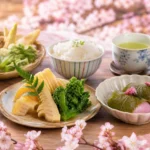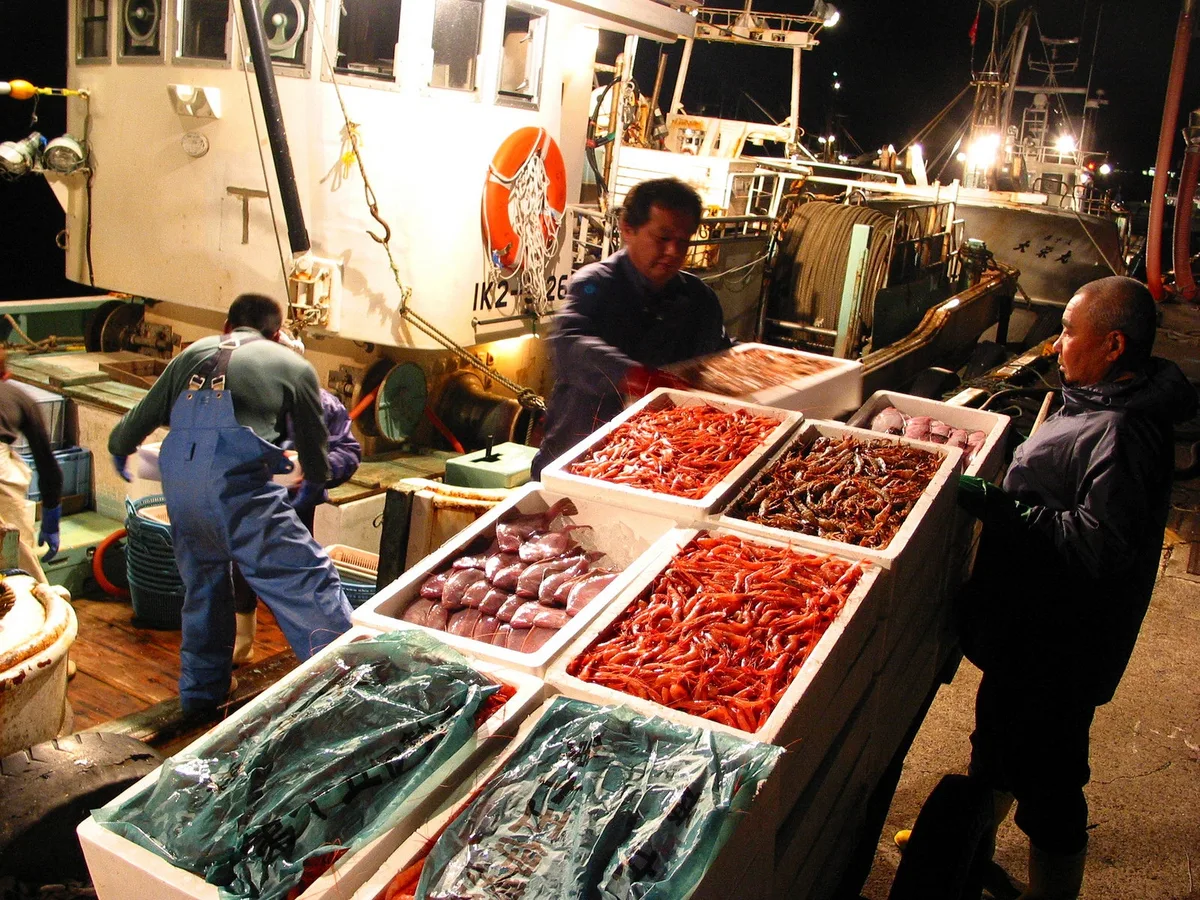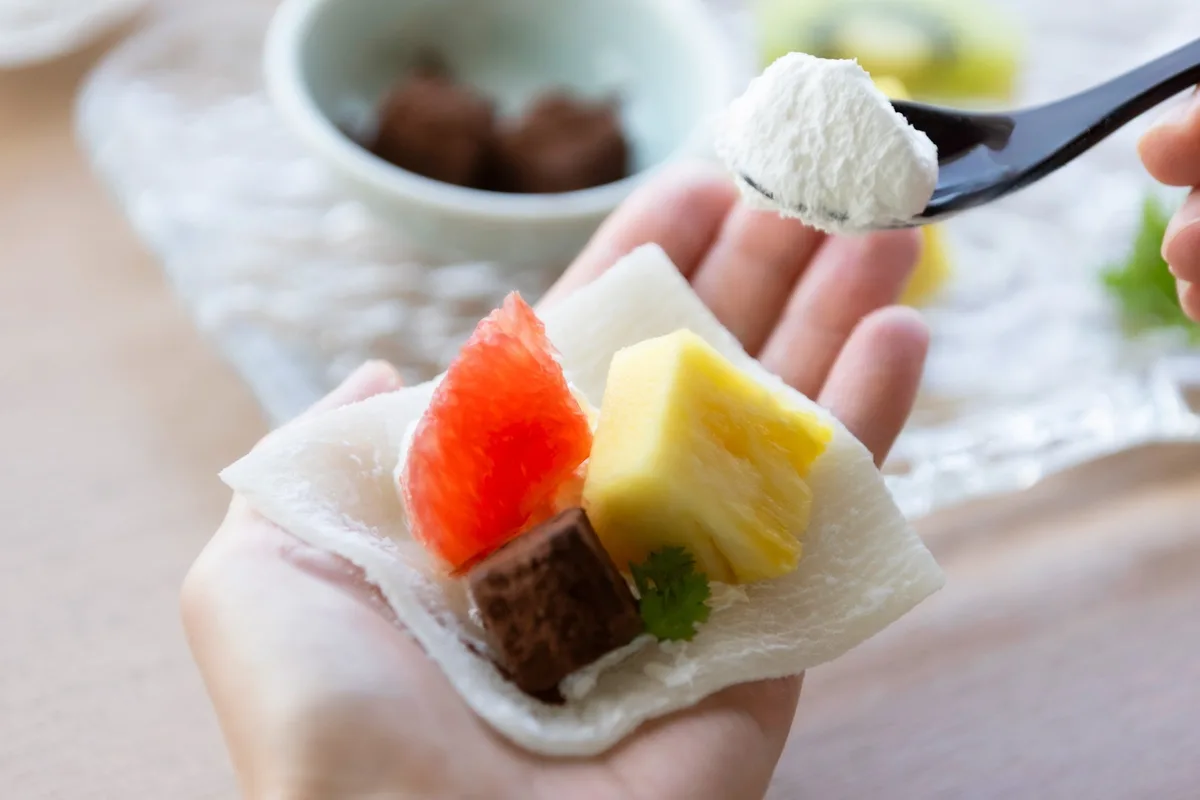
Short answer: May is one of Japan’s most useful food travel months if you separate it into three windows. Early May is Golden Week, with high demand, Children’s Day sweets, festival energy and crowded stations. Mid May is often easier for restaurants, tea, flowers and neighborhood festivals. Late May can be warm, green and more relaxed before the rainy season becomes a bigger planning issue. Look for kashiwa mochi, chimaki, shincha green tea, matcha sweets, spring vegetables, clams, garfish, lighter noodles, bento, festival snacks and convenience-store seasonal items, but treat every date, event and product as something to recheck.
If your route starts in late April, read the Japan in April food guide first. For the whole March-May season, use Spring Foods in Japan. If your trip overlaps the national holiday period, use the Golden Week food travel guide before booking famous restaurants or building tight transfer-day meals. For the annual map, use the Japan seasonal food calendar; if you are still choosing between months, compare May with the best time to visit Japan for food.
Last checked: August 16, 2026. Golden Week dates, Children’s Day events, festival schedules, food stalls, tea harvest timing, restaurant hours, weather, prices, convenience-store products, allergens and payment methods can change. Recheck current official event, venue, transport, hotel, restaurant and product-label information before relying on a fixed plan.
What May Means For Food Travelers
JNTO describes May as a strong travel month, but it also warns that Golden Week from late April to early May is one of the busiest domestic travel periods. That matters for food because a good meal plan can fail for reasons that have nothing to do with taste: fully booked restaurants, packed trains, long food-hall lines, sold-out bento, hotel price spikes and tired travel days.
The reward is that May gives you several different food stories in one month. Children’s Day sweets appear around early May. Tea regions and tea shops lean into shincha and green tea desserts. Tokyo and other cities hold spring festivals. Flower routes move from cherry blossoms toward wisteria, nemophila, roses and fresh green scenery. Late in the month, meals often feel lighter and more early-summer than peak spring.
May Food Planning Map
| Timing | What to eat | Planning move | Main caution |
|---|---|---|---|
| May 1-6 area | Kashiwa mochi, chimaki, bento, station food, festival snacks, easy noodles | Assume Golden Week pressure and reserve the meal that matters most. | Restaurants, hotels, trains, food halls and attractions can be crowded. |
| Mid May | Shincha, tea sweets, spring vegetables, clams, garfish, casual set meals | Use calmer weekdays for restaurants, tea towns and neighborhood food walks. | Festival dates and food stalls vary by year and place. |
| Late May | Green tea drinks, cold noodles, lighter meals, fruit desserts, convenience-store seasonal food | Plan for warmer afternoons and keep indoor backups. | Rain and humidity can start to affect outdoor meals before full rainy season. |
| Northern routes | Late spring food, seafood, warm evening meals, local sweets | Check regional blossom and weather timing instead of copying Tokyo plans. | Some areas can still have cooler nights or limited transport windows. |
Foods And Food Events To Look For In May
Children’s Day Sweets: Kashiwa Mochi And Chimaki
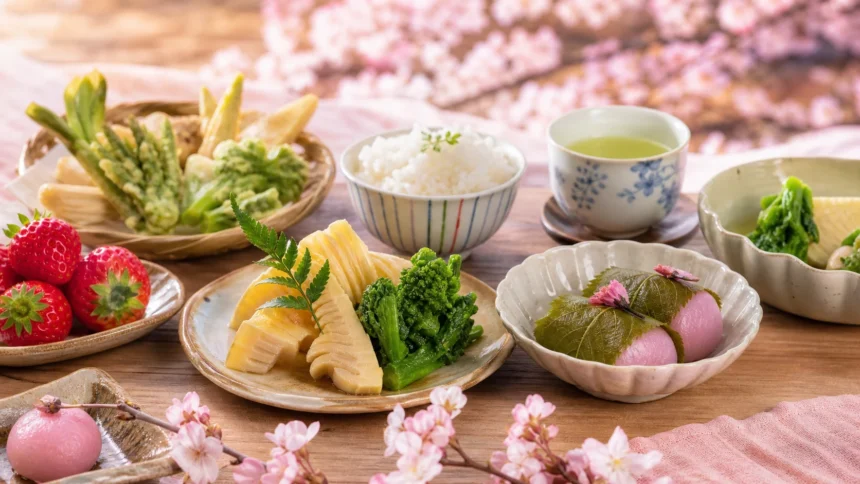
May 5 is Children’s Day. JNTO’s Tango no Sekku guide explains that kashiwa mochi is especially associated with Kanto, while chimaki is especially associated with Kansai, and both can be found around Japan from April onward in wagashi shops, department stores and convenience stores. MAFF also lists kashiwa mochi as a traditional confection connected with the seasonal celebration.
For travelers, the practical move is simple: look for these sweets in late April and early May, then buy them from a shop where you can check labels and freshness. Kashiwa mochi is usually wrapped in an oak leaf, but the leaf is not automatically meant to be eaten. Mochi can also be difficult to chew or swallow, so eat slowly, especially with children or older travelers.
Shincha, Matcha And Tea-Town Food
May is a natural month to pay attention to new tea. Shizuoka is known for green tea, and JNTO notes spring tea plantation experiences there. Uji is one of Japan’s most famous tea places, with tea shops, tea ceremony culture and tea sweets. For food travelers, that can mean shincha, matcha desserts, green tea soft serve, tea soba, tea-flavored sweets and tea gifts.
Do not treat “shincha” as a guaranteed menu label everywhere. Tea harvests, release dates and cafe offerings depend on region, producer, weather and shop policy. If tea is the main purpose of your day, confirm current hours and whether the shop, museum, garden or event requires a reservation.
Spring Vegetables, Clams And Lighter Meals
GO TOKYO’s spring guide points to bamboo shoots, mountain vegetables, spring cabbage, clams and garfish as spring food cues. In May, these can appear in tempura, rice dishes, soups, simmered dishes, sushi, seasonal set meals, depachika prepared foods and supermarket sides. The overall mood shifts from heavy winter comfort food toward cleaner, greener and lighter meals.
If you are eating casually, look for seasonal words rather than hunting one exact dish. A soba shop, tempura counter, izakaya, department-store food hall or supermarket can all show the season in different ways. For a broader ingredient map, use Spring Foods in Japan.
Wisteria, Nemophila, Roses And Festival Food
JNTO highlights wisteria, nemophila and shibazakura as May travel ideas, while GO TOKYO lists May festivals and flower events including Sanja Matsuri, Kanda Matsuri cycles, rose events, koinobori displays and traditional celebrations. These are useful food anchors because they give the day a neighborhood or regional route instead of only a restaurant reservation.
Festival food is not guaranteed. Some events are strong for stalls, snacks and drinks; others are better paired with a nearby restaurant, cafe, supermarket, department-store food hall or convenience store. For the larger event strategy, use the Japan food festivals calendar.
Convenience Stores As Seasonal Backups
May is a good month to use convenience stores intentionally. In early May, they can help when stations and restaurants are crowded. In late May, they often become useful for cold drinks, chilled noodles, salads, seasonal sweets, tea drinks and breakfast. Use the Japan convenience store seasonal food guide for seasonal browsing, and the basic convenience-store food guide for first-time ordering, heating and payment habits.
Product campaigns change quickly. If you see a limited sweet, drink or bento that fits your allergy and dietary needs, buy it when it is available rather than assuming the next store will carry the same item.
Where May Food Works Best
| Place | Best May use | What to confirm |
|---|---|---|
| Tokyo | Children’s Day displays, Sanja Matsuri, Kanda Matsuri years, rose events, food halls, tea sweets | Festival dates, crowd controls, shop hours, weather and payment. |
| Uji / Kyoto | Tea shops, matcha sweets, tea culture, spring temple routes | Reservations, shop closures, current tea offerings and crowd timing. |
| Shizuoka | Green tea, tea-field scenery, seafood and regional side trips | Tea facility hours, tours, harvest timing, transport and restaurant hours. |
| Hokkaido / Tohoku | Late spring scenery, seafood, regional meals and cooler evenings | Cherry blossom timing, weather, transport and lodging. |
| Flower parks | Wisteria, nemophila, roses, shibazakura and picnic-style meals | Peak bloom, ticketing, food availability and where eating is allowed. |
| Stations and depachika | Bento, sweets, tea gifts, lunch backups and travel-day meals | Holiday crowds, closing time, limited items and eating spaces. |
A Simple May Food Itinerary
A strong May food route has one seasonal anchor per day and at least one backup close to where you already are. In early May, the backup matters as much as the main meal. In mid and late May, you can be more curious, especially on weekdays and outside the most famous areas.
| Day type | Breakfast | Lunch | Dinner |
|---|---|---|---|
| Golden Week city day | Hotel or convenience store | Reserved casual restaurant, station bento or depachika food | Booked meal or hotel-area backup |
| Children’s Day sweets day | Simple breakfast | Neighborhood lunch near a wagashi or department-store route | Light dinner after sweets and crowds |
| Tea day | Cafe or hotel | Tea-town lunch, soba, seasonal set meal or local seafood | Restaurant near the station or lodging |
| Festival or flower day | Convenience store or bakery | Festival snack, nearby restaurant or packed food if rules allow | Indoor meal if weather turns hot or rainy |
Allergy, Weather And Crowd Notes
May sweets and prepared foods can include rice, wheat, soy, milk, egg, nuts, sesame, gelatin, alcohol flavoring, red bean, seafood, shellfish and shared-equipment risk. Mochi texture can be risky for some travelers. Festival stalls may not be able to explain ingredients clearly in English, and cross-contact can be hard to control. Serious allergy travelers should use the Japan food allergy guide for travelers before depending on festival food, sweets, bento or seafood.
Weather is usually pleasant, but May can still swing. Early mornings may be cool, afternoons can feel warm, and late May can bring more humidity or rain. Carry water, keep indoor meal options, and avoid carrying perishable food through long outdoor routes.
Best Strategy By Traveler Type
| Traveler type | Best May strategy | Next guide |
|---|---|---|
| First-time visitor | Use May for one festival or flower day, one tea or sweets day, and one relaxed food-hall day. | Japan food travel guide |
| Golden Week traveler | Reserve important meals, avoid tight restaurant plans on transfer days, and keep station food backups. | Golden Week food guide |
| Tea lover | Build one day around Uji, Shizuoka or a tea shop, then confirm current hours and offerings. | Seasonal food calendar |
| Festival traveler | Use official dates first, then decide whether food stalls or nearby restaurants are more realistic. | Food festivals calendar |
| Budget traveler | Use convenience stores, supermarkets, depachika counters, bakeries, soba and ramen between seasonal stops. | Konbini seasonal food |
FAQ
Is May a good month for food travel in Japan?
Yes. May can be excellent for tea, sweets, spring vegetables, festivals, flower routes and comfortable walking. The main caution is Golden Week in early May, when bookings and backups matter.
What should I eat in Japan in May?
Look for kashiwa mochi, chimaki, shincha, matcha sweets, spring vegetables, clams, garfish, bento, lighter noodles, festival snacks, tea drinks and seasonal convenience-store food.
Does Golden Week affect restaurants in May?
Yes. Golden Week can make popular restaurants, stations, food halls, hotels and sightseeing areas much busier. Book important meals and keep flexible backups.
Where should tea lovers go in May?
Uji and Shizuoka are two strong tea-focused ideas, but you should confirm current shop hours, tours, harvest timing and reservations before making tea the main purpose of a day.
Official Sources
- JNTO: Japan in May
- GO TOKYO: Tokyo in May
- JNTO: Spring in Japan
- GO TOKYO: Tokyo Spring Guide
- JNTO: Celebrating Tango no Sekku and Children’s Day
- MAFF: Kashiwa Mochi
- JNTO: Shizuoka
- JNTO: Uji
Editorial disclosure: Kuroneko Aji Meguri creates English food travel guides as independent editorial planning pages. We prioritize official tourism, government, venue and producer information where possible. This article does not sell a tour, restaurant reservation or medical service, and it cannot guarantee availability, safety or opening hours on your travel date.