Japan’s festivals and seasonal traditions are not one single travel style. A cherry-blossom picnic, a summer fireworks night, a quiet autumn foliage walk, a shrine visit at New Year, and a neighborhood matsuri all ask for different planning. This guide is the parent hub for choosing the right season, then checking the current details on official sources before you go.
Last checked: August 28, 2026. Festival dates, seasonal timing, venue rules, transport, weather, crowd guidance, and official announcements can change. Confirm current official sources before travel.
Use this page as the map. For deeper planning, move into the spring, summer, autumn, and winter guides linked below. For exact dates, tickets, routes, closures, weather warnings, bloom status, and cancellation notices, always check the official organizer, local tourism board, transport operator, or the Japan Meteorological Agency close to your travel date.
Choose By Season
| Season | What travelers usually come for | Main planning caution | Guide |
|---|---|---|---|
| Spring | Cherry blossoms, flower events, mild-weather city trips, shrine and park gatherings | Bloom timing moves by region and year; Golden Week can make transport and hotels crowded | Spring Traditions in Japan |
| Summer | Matsuri, fireworks, Tanabata, Bon dance, lively evenings, mountain and coastal escapes | Heat, humidity, rain, and typhoon risk need serious planning | Summer Traditions in Japan |
| Autumn | Foliage, harvest atmosphere, moon viewing, historical float festivals, comfortable walking days | Foliage peaks vary by latitude, altitude, and weather; September can still bring heavy rain or storms | Autumn Traditions in Japan |
| Winter | New Year customs, shrine visits, snow scenery, onsen, winter illuminations, snow festivals | New Year closures and snow-region transport disruptions can affect plans | Winter Traditions in Japan |
What Counts As A Festival?
JNTO describes festivals as deeply rooted in Japanese culture and often connected with nature, gratitude, local identity, and community life. For travelers, that means a festival is not always a parade. It may be a shrine rite, temple event, flower celebration, fireworks display, dance night, market, historical procession, harvest gathering, snow event, or modern light display.
That variety is exactly why this hub avoids a single “best festivals” list. A famous event may be memorable, but it may also require hotel planning, crowd tolerance, heat preparation, reserved seating, or strict route checks. A smaller regional event may fit a trip better if it matches your dates and route.
The Regional Clock Matters
Japan’s seasons do not arrive everywhere at once. JMA explains that Japan ranges from subarctic conditions in the north to subtropical conditions in Okinawa and Amami, with major differences between the Pacific side and the Sea of Japan side. This matters for cherry blossoms, autumn leaves, snow, rainfall, clothing, and transportation.
A Tokyo-based spring plan, a Hokkaido snow trip, a Kyushu festival route, and an Okinawa island visit can feel like different countries in climate terms. Treat national timing as a starting point, not as a promise.
Current Information Belongs In Official Checks
Festival operations change. Exact dates, reserved seats, crowd-control routes, cancellation rules, photography limits, food-stall layouts, and transit changes should not be copied across many evergreen articles. Use the official festival committee, shrine, temple, city, prefecture, venue, railway, or bus operator for final details.
Weather is the same. JMA is the source to check for warnings, advisories, heavy rain, typhoon information, heat, snow, and forecasts. Seasonal tradition travel is joyful, but it is still travel through real weather.
How To Attend Respectfully
Many events are community or religious occasions first and tourist attractions second. Follow posted instructions, do not block processions, keep shrine and temple spaces calm, ask before photographing people closely, and do not enter restricted areas for a better photo. If visitor participation is allowed, follow the organizer’s rules exactly.
Food stalls, lantern streets, and crowded viewing areas can feel casual, but they still run on local flow. Keep cash ready where cards are not accepted, take trash with you when bins are limited, and leave enough time after a major event for crowded stations.
Best Use Of This Cluster
Start here when you do not yet know which season fits your trip. Move to the seasonal guide once your travel window is clearer. Use official links when dates, weather, tickets, and access matter. This gives you the charm of seasonal travel without pretending a static article can stay current on every festival in Japan.
Photo Credit
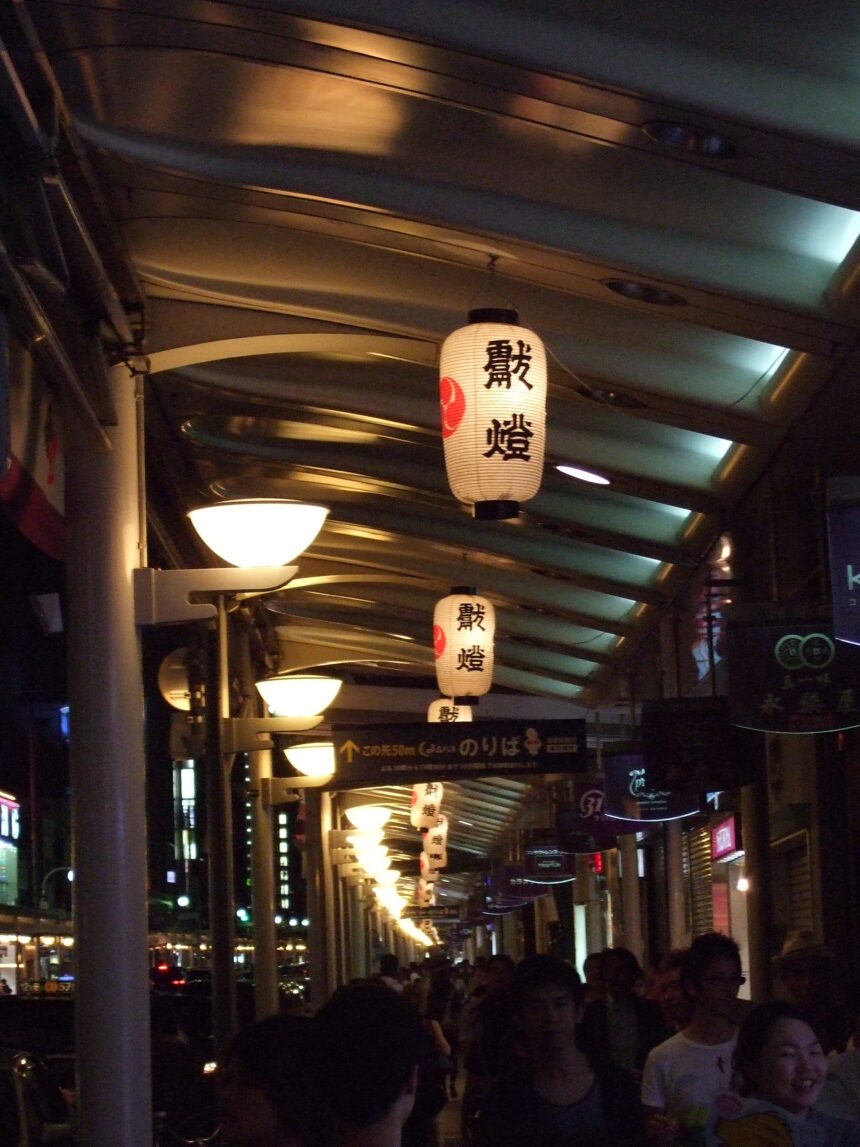
Featured image: Gion Matsuri lanterns – Takeshi DSCF2977 by Takeshi Kuboki via Wikimedia Commons, licensed under CC BY 2.0. Cropping or resizing may be applied for site display. Image use does not imply endorsement by the photographer, Wikimedia, Gion Matsuri organizers, shrines, tourism organizations, or local communities.
Sources
- JNTO: Japanese Festivals & Events
- JNTO: Spring in Japan
- JNTO: Summer in Japan
- JNTO: Autumn in Japan
- JNTO: Winter in Japan
- JMA: General Information on Climate of Japan
- JMA: Forecast Services
- Cabinet Office: National Holidays
Editorial Disclosure
This independent guide is not affiliated with or endorsed by JNTO, JMA, the Cabinet Office, festival organizers, shrines, temples, local governments, tourism organizations, Wikimedia, or the photographer. Always confirm current details with the official source before travel.