Spring in Japan is famous for cherry blossoms, but a useful spring plan should not depend on one perfect bloom day. This guide helps overseas travelers compare plum blossoms, sakura, wisteria, spring festivals, and Golden Week so they can build a flexible itinerary with official checks before they go.
Last checked: August 29, 2026. Bloom timing, festival dates, Golden Week closures, crowd rules, ticket conditions, transport schedules, and weather conditions can change. Confirm current official sources before travel.
Use this page as a planning map, not a fixed calendar. Japan’s spring changes by region and elevation, and the most famous places can become crowded when the weather, weekend dates, and peak bloom line up. A better plan usually combines one seasonal highlight with nearby food, gardens, museums, markets, or neighborhood walks.
Spring Planning By Theme
| Theme | Typical Travel Window | Best For | What To Check |
|---|---|---|---|
| Plum blossoms | February to March | Travelers arriving before sakura season, garden walks, quieter flower viewing | Garden opening days, local tourism updates, weather, and whether night events are running |
| Cherry blossoms | Late March to April in many major Honshu cities | First-time spring visitors, castle parks, riverside walks, hanami atmosphere | Current bloom forecasts, park rules, crowd controls, picnic rules, and rain alternatives |
| Wisteria and azaleas | April to May | Garden lovers, flower photography, travelers who miss sakura peak | Advance tickets, timed entry, peak crowd days, access from the nearest station |
| Spring shrine, temple, and park festivals | March to May | Local culture, food stalls, procession viewing, evening atmosphere | Official event dates, route changes, rain cancellation rules, and last train options |
| Golden Week | Late April to early May | Festive city energy, museums, gardens, local day trips if planned early | National holiday dates, hotel prices, seat reservations, attraction tickets, and closures |
How Timing Changes By Region
JNTO presents spring as one of Japan’s most comfortable travel seasons, but the experience is not the same everywhere. JMA explains that Japan’s climate ranges from subtropical southern islands to cold northern regions, so the same date can feel like late winter in one place and late spring in another.
| Area | Planning Pattern | Practical Note |
|---|---|---|
| Kyushu, Shikoku, southern Honshu | Earlier spring flowers and warmer city walks | Good for March trips, but check rain and sudden temperature shifts. |
| Tokyo, Kyoto, Osaka, central Honshu | Classic late-March to April spring travel | Book popular hotels and restaurants early around weekends and peak bloom. |
| Tohoku, Nagano, Hokuriku | Later blossoms, cooler weather, mountain scenery | Useful if you arrive after the main Kansai and Kanto sakura peak. |
| Hokkaido | Late spring flowers and cooler outdoor travel | May can still require warmer layers, especially at night. |
| Okinawa and Amami | Different seasonal rhythm from mainland Japan | Do not apply Tokyo or Kyoto bloom assumptions to island travel. |
Hanami Etiquette For Visitors
Hanami means flower viewing, but it is also a social season in parks, riversides, castle grounds, and temple approaches. Travelers are welcome in many public places, but the practical rules matter: keep paths clear, do not step over ropes or into protected roots, pack out trash when bins are unavailable, and check whether picnic sheets, alcohol, drones, tripods, or night viewing are allowed.
If a famous sakura spot is too crowded, switch to a neighborhood river, a local park, a morning walk, or a different spring flower. Plum blossoms, wisteria, azaleas, fresh greenery, and temple gardens can make a better travel day than forcing one overcrowded photo location.
Golden Week Needs Separate Planning
Golden Week is not one single festival. It is a cluster of national holidays from late April into early May, and the exact calendar should be checked on the Cabinet Office holiday list for your travel year. During this period, long-distance trains, domestic flights, hotels, highways, and major attractions can be busier than ordinary spring weekdays.
If your trip overlaps with Golden Week, avoid making every day depend on a long transfer. Reserve key trains and hotels earlier, choose timed-entry attractions carefully, and keep one or two slower local days for gardens, shopping streets, museums, tea, craft, or covered markets.
Official Checks Before You Go
- Check JNTO or local tourism pages for seasonal framing and regional ideas.
- Check the park, garden, shrine, temple, or event organizer page for current opening days and rules.
- Check current weather and bloom information close to the travel date.
- Check train, bus, or ferry access for the exact day, especially around holidays.
- Check whether advance tickets, timed entry, ID, or cash payment are required.
Spring Planning Checklist
- Build the itinerary around areas, not only single bloom spots.
- Keep a rain plan within the same neighborhood.
- Carry layers for cool mornings and evenings.
- Bring a small trash bag for parks and river walks.
- Avoid tight same-day transfers during Golden Week.
- Use official pages for rules instead of relying only on old blog posts or social media.
Where To Go Next
For the full seasonal map, start with the Japan Seasonal Traditions and Festivals Guide. If your trip is later in the year, compare summer traditions, autumn traditions, and winter traditions.
Photo Credit
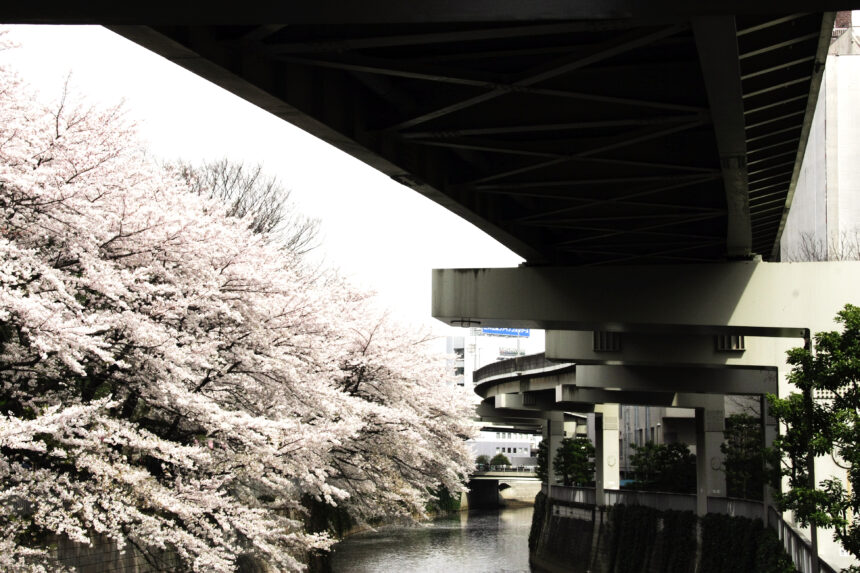
Featured image: Cherry blossoms, Japan; April 2009 (07) by OiMax via Wikimedia Commons, licensed under CC BY 2.0. Cropping or resizing may be applied for site display. Image use does not imply endorsement by the photographer, Wikimedia, parks, cities, or tourism organizations.
Sources
- JNTO: Spring in Japan
- JNTO: Japanese Festivals & Events
- JMA: General Information on Climate of Japan
- Cabinet Office: National Holidays
- Wikimedia Commons image file and license record
Editorial Disclosure
This independent guide is not affiliated with or endorsed by JNTO, JMA, the Cabinet Office, parks, event organizers, Wikimedia, or the photographer. Always confirm current bloom, event, access, ticket, and weather details on official sources before travel.